Search

Nazir 26

Want to dedicate learning? Get started here:

English
עברית
podcast placeholder

0:00
0:00


podcast placeholder

0:00
0:00


Summary

This is the daf for Shabbat. For Friday’s daf please click here.

Today’s daf is sponsored by Catriella Freedman in memory of her father, Zvi Stein, Zvi ben Harav Mordechai David, on his 3rd yahrzeit. “There isn’t a day that goes by that I don’t think of you, your warmth, your humor and smile, your optimism.”
Today’s daf is sponsored by Carol Robinson and Art Gould in memory of Art’s father Joseph, Yosef ben Shlomo Shabtai v’Rachel z”l. Today is his 24nd yahrzeit. “Joe was an ordinary man of extraordinary dignity, decency and dedication. After WWII he worked for the INS welcoming immigrants to membership in America. I miss him and wish we had had more time together.”
Rabbi Yochanan had said that the law regarding unspecified funds can be used for voluntary offerings (if the person is no longer obligated in the sacrifice) even though there is money for a sin offering mixed in, is a unique halakha for a nazir. However, this seems to be true in other cases as well. How can Rabbi Yochanan’s statement be explained? Rav Ashi defines (two different version of his definition) what is considered specified/unspecified. Rava explains that this law of unspecified being used for voluntary offerings is only true if the sin offering money is still mixed in and a braita is brought to support his claim. A number of rabbis bring statements that the unspecified law is only true for money and not other things such as animals, a block of silver, and a pile of beams. There is a debate about exactly which ones are excluded from this law. Rav Shimi bar Ashi raises a question on this list of exceptions as he brings Rav Chisda who holds that birds can remain unspecified.

Today’s daily daf tools:

Today’s daily daf tools:

Delve Deeper

Broaden your understanding of the topics on this daf with classes and podcasts from top women Talmud scholars.

For the Beyond the Daf shiurim offered in Hebrew, see here.

New to Talmud?

Check out our resources designed to help you navigate a page of Talmud – and study at the pace, level and style that fits you. 

The Hadran Women’s Tapestry

Meet the diverse women learning Gemara at Hadran and hear their stories. 

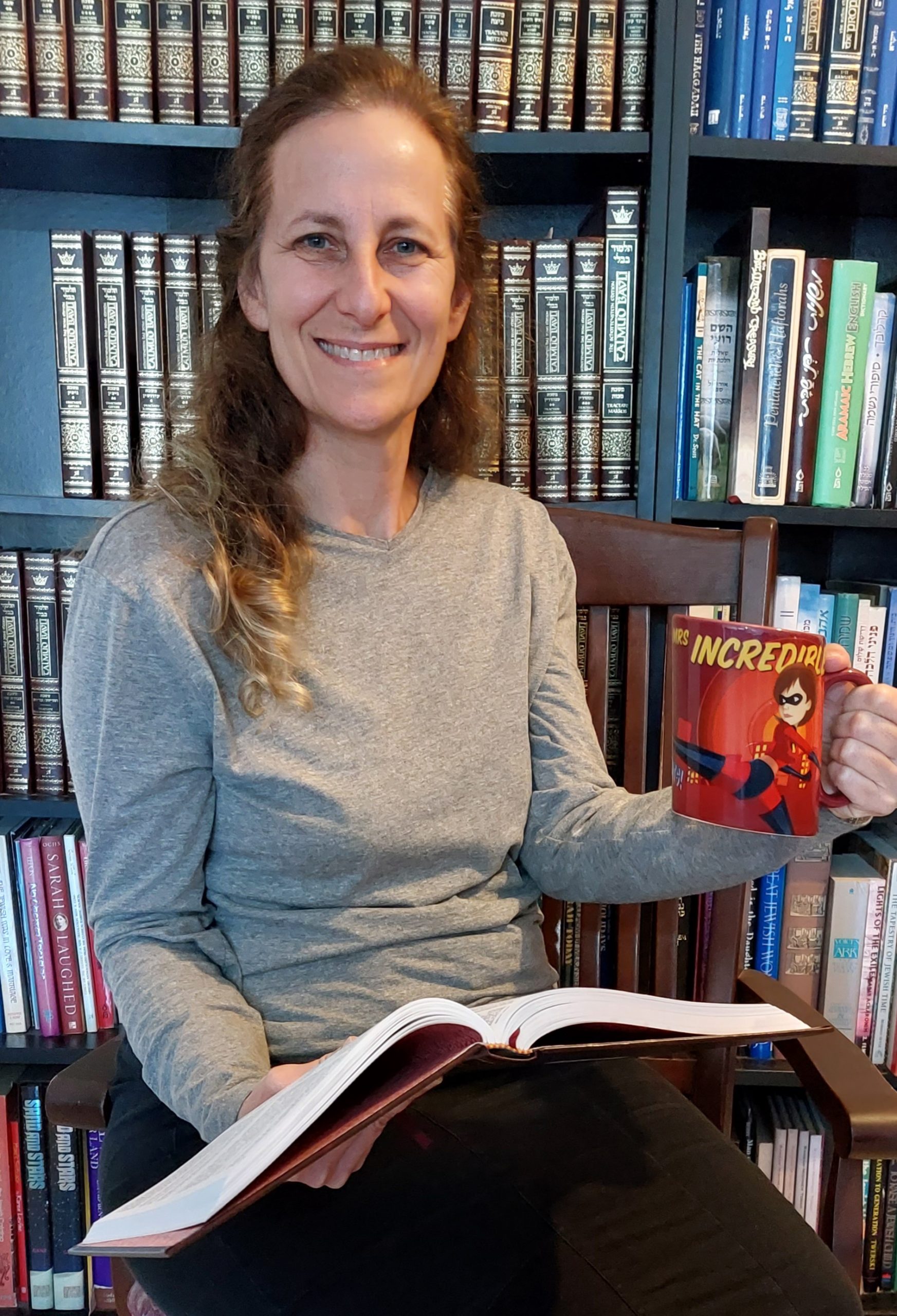
I never thought I’d be able to do Daf Yomi till I saw the video of Hadran’s Siyum HaShas. Now, 2 years later, I’m about to participate in Siyum Seder Mo’ed with my Hadran community. It has been an incredible privilege to learn with Rabbanit Michelle and to get to know so many caring, talented and knowledgeable women. I look forward with great anticipation and excitement to learning Seder Nashim.

Caroline-Ben-Ari-Tapestry
Caroline Ben-Ari

Karmiel, Israel

In early January of 2020, I learned about Siyyum HaShas and Daf Yomi via Tablet Magazine’s brief daily podcast about the Daf. I found it compelling and fascinating. Soon I discovered Hadran; since then I have learned the Daf daily with Rabbanit Michelle Cohen Farber. The Daf has permeated my every hour, and has transformed and magnified my place within the Jewish Universe.

Lisa Berkelhammer
Lisa Berkelhammer

San Francisco, CA , United States

Robin Zeiger
Robin Zeiger

Tel Aviv, Israel

Ive been learning Gmara since 5th grade and always loved it. Have always wanted to do Daf Yomi and now with Michelle Farber’s online classes it made it much easier to do! Really enjoying the experience thank you!!

Lisa Lawrence
Lisa Lawrence

Neve Daniel, Israel

I had dreamed of doing daf yomi since I had my first serious Talmud class 18 years ago at Pardes with Rahel Berkovitz, and then a couple of summers with Leah Rosenthal. There is no way I would be able to do it without another wonderful teacher, Michelle, and the Hadran organization. I wake up and am excited to start each day with the next daf.

Beth Elster
Beth Elster

Irvine, United States

“I got my job through the NY Times” was an ad campaign when I was growing up. I can headline “I got my daily Daf shiur and Hadran through the NY Times”. I read the January 4, 2020 feature on Reb. Michelle Farber and Hadran and I have been participating ever since. Thanks NY Times & Hadran!
Deborah Aschheim
Deborah Aschheim

New York, United States

See video

Susan Fisher
Susan Fisher

Raanana, Israel

About a year into learning more about Judaism on a path to potential conversion, I saw an article about the upcoming Siyum HaShas in January of 2020. My curiosity was piqued and I immediately started investigating what learning the Daf actually meant. Daily learning? Just what I wanted. Seven and a half years? I love a challenge! So I dove in head first and I’ve enjoyed every moment!!
Nickie Matthews
Nickie Matthews

Blacksburg, United States

A Gemara shiur previous to the Hadran Siyum, was the impetus to attend it.It was highly inspirational and I was smitten. The message for me was התלמוד בידינו. I had decided along with my Chahsmonaim group to to do the daf and take it one daf at time- without any expectations at all. There has been a wealth of information, insights and halachik ideas. It is truly exercise of the mind, heart & Soul

Phyllis Hecht.jpeg
Phyllis Hecht

Hashmonaim, Israel

In January 2020, my teaching partner at IDC suggested we do daf yomi. Thanks to her challenge, I started learning daily from Rabbanit Michelle. It’s a joy to be part of the Hadran community. (It’s also a tikkun: in 7th grade, my best friend and I tied for first place in a citywide gemara exam, but we weren’t invited to the celebration because girls weren’t supposed to be learning gemara).

Sara-Averick-photo-scaled
Sara Averick

Jerusalem, Israel

I started learning Daf Yomi to fill what I saw as a large gap in my Jewish education. I also hope to inspire my three daughters to ensure that they do not allow the same Talmud-sized gap to form in their own educations. I am so proud to be a part of the Hadran community, and I have loved learning so many of the stories and halachot that we have seen so far. I look forward to continuing!
Dora Chana Haar
Dora Chana Haar

Oceanside NY, United States

I have joined the community of daf yomi learners at the start of this cycle. I have studied in different ways – by reading the page, translating the page, attending a local shiur and listening to Rabbanit Farber’s podcasts, depending on circumstances and where I was at the time. The reactions have been positive throughout – with no exception!

Silke Goldberg
Silke Goldberg

Guildford, United Kingdom

Inspired by Hadran’s first Siyum ha Shas L’Nashim two years ago, I began daf yomi right after for the next cycle. As to this extraordinary journey together with Hadran..as TS Eliot wrote “We must not cease from exploration and the end of all our exploring will be to arrive where we began and to know the place for the first time.

Susan Handelman
Susan Handelman

Jerusalem, Israel

I’ve been studying Talmud since the ’90s, and decided to take on Daf Yomi two years ago. I wanted to attempt the challenge of a day-to-day, very Jewish activity. Some days are so interesting and some days are so boring. But I’m still here.
Wendy Rozov
Wendy Rozov

Phoenix, AZ, United States

Studying has changed my life view on הלכה and יהדות and time. It has taught me bonudaries of the human nature and honesty of our sages in their discourse to try and build a nation of caring people .

Goldie Gilad
Goldie Gilad

Kfar Saba, Israel

I started learning Daf Yomi because my sister, Ruth Leah Kahan, attended Michelle’s class in person and suggested I listen remotely. She always sat near Michelle and spoke up during class so that I could hear her voice. Our mom had just died unexpectedly and it made me feel connected to hear Ruth Leah’s voice, and now to know we are both listening to the same thing daily, continents apart.
Jessica Shklar
Jessica Shklar

Philadelphia, United States

I learned Mishnayot more than twenty years ago and started with Gemara much later in life. Although I never managed to learn Daf Yomi consistently, I am learning since some years Gemara in depth and with much joy. Since last year I am studying at the International Halakha Scholars Program at the WIHL. I often listen to Rabbanit Farbers Gemara shiurim to understand better a specific sugyiah. I am grateful for the help and inspiration!

Shoshana Ruerup
Shoshana Ruerup

Berlin, Germany

I had dreamed of doing daf yomi since I had my first serious Talmud class 18 years ago at Pardes with Rahel Berkovitz, and then a couple of summers with Leah Rosenthal. There is no way I would be able to do it without another wonderful teacher, Michelle, and the Hadran organization. I wake up and am excited to start each day with the next daf.

Beth Elster
Beth Elster

Irvine, United States

At almost 70 I am just beginning my journey with Talmud and Hadran. I began not late, but right when I was called to learn. It is never too late to begin! The understanding patience of staff and participants with more experience and knowledge has been fabulous. The joy of learning never stops and for me. It is a new life, a new light, a new depth of love of The Holy One, Blessed be He.
Deborah Hoffman-Wade

Richmond, CA, United States

In early 2020, I began the process of a stem cell transplant. The required extreme isolation forced me to leave work and normal life but gave me time to delve into Jewish text study. I did not feel isolated. I began Daf Yomi at the start of this cycle, with family members joining me online from my hospital room. I’ve used my newly granted time to to engage, grow and connect through this learning.

Reena Slovin
Reena Slovin

Worcester, United States

Nazir 26

שֶׁהִפְרִישׁוּ מָעוֹת לְקִינֵּיהֶם, רָצָה לְהָבִיא בָּהֶן חַטַּאת בְּהֵמָה — יָבִיא, עוֹלַת בְּהֵמָה — יָבִיא. מֵת וְהָיוּ לוֹ מָעוֹת סְתוּמִין — יִפְּלוּ לִנְדָבָה!

who separated money for their nests and then became wealthy, if the owner wishes to change their designation and to bring an animal sin-offering with them, he may bring a sin-offering with them. If he wishes to use them to buy an animal burnt-offering he may bring it, supplementing the required amount with other money. If the owner died and he had unallocated funds, they all will be allocated for communal gift offerings, including the value of the sin-offering. This shows that the halakha that unallocated funds are used for gift offerings applies in cases other than that of a nazirite.

תַּנָּא נָזִיר וְחַיָּיבֵי קִינִּין דְּדָמוּ לֵיהּ, וּלְאַפּוֹקֵי מֵהָא דְּתַנְיָא: מִי שֶׁהָיָה מְחוּיָּיב חַטָּאת, וְאָמַר: ״הֲרֵי עָלַי עוֹלָה״, וְהִפְרִישׁ מָעוֹת וְאָמַר ״הֲרֵי אֵלּוּ לְחוֹבָתִי״,

The Gemara answers: He taught the case of a nazirite and also the case of those obligated to bring nests, which is similar to that of a nazirite and is therefore treated identically with regard to its halakha. This serves to exclude that case which is taught in a baraita. The situation discussed in the baraita involves one who was obligated to bring a sin-offering for a transgression he committed, and he also said: It is incumbent upon me to bring a gift burnt-offering, and he separated money and said: These are hereby for my obligatory offering. Since he might have meant either his obligation of the sin-offering or his burnt-offering for the new vow, the question arises as to what should be done with the money.

רָצָה לְהָבִיא בָּהֶן חַטַּאת בְּהֵמָה — לֹא יָבִיא. עוֹלַת בְּהֵמָה — לֹא יָבִיא. מֵת וְהָיוּ לוֹ מָעוֹת סְתוּמִים — יֵלְכוּ לְיָם הַמֶּלַח.

The baraita explains that if he wishes to bring an animal sin-offering with it, he may not bring one; if he wishes to use it to purchase an animal burnt-offering, he may not bring it either. If he died and had unallocated funds, one must take them and cast them into the Dead Sea. Since the two offerings are not part of the same obligation, the unallocated funds may not be used for gift offerings.

אָמַר רַב אָשֵׁי: הָא דְּאָמְרַתְּ מְפוֹרָשִׁין לָא — לָא תֵּימָא דְּאָמַר ״אֵלּוּ לְחַטָּאתִי, וְאֵלּוּ לְעוֹלָתִי, וְאֵלּוּ לִשְׁלָמַי״. אֶלָּא אֲפִילּוּ אָמַר ״אֵלּוּ לְחַטָּאתִי וּלְעוֹלָתִי וְלִשְׁלָמַי״ — מְפוֹרָשִׁין הֵן.

§ Rav Ashi said: That which you said with regard to a nazirite who had allocated money, that he may not use it all for gift offerings because the value of the sin-offering must be taken and cast into the Dead Sea, do not say that this is referring only to a case where he explicitly said: These are for my sin-offering, and these are for my burnt-offering, and these are for my peace-offering, each one separately. Rather, even if he said: These are for my sin-offering and for my burnt-offering and for my peace-offering, they are considered allocated for the purposes of this halakha, despite the fact that he did not designate the money for particular offerings.

וְאִיכָּא דְּאָמְרִי, אָמַר רַב אָשֵׁי: לָא תֵּימָא עַד דְּאָמַר ״אֵלּוּ לְחַטָּאתִי וּלְעוֹלָתִי וְלִשְׁלָמַי״, אֶלָּא אֲפִילּוּ אָמַר: ״אֵלּוּ לְחוֹבָתִי״ — הֲרֵי הֵן כִּמְפוֹרָשִׁין.

And some say a different version of this statement. Rav Ashi said: Do not say they are deemed allocated only if he says: These are for my sin-offering and for my burnt-offering and for my peace-offering; rather, even if he said it in broader terms: These are for my obligation, they are considered as allocated.

אָמַר רָבָא: הָא דַּאֲמַרַן מָעוֹת סְתוּמִין יִפְּלוּ לִנְדָבָה, אִם נָפְלָה דְּמֵי חַטָּאת מִבֵּינֵיהֶן — הֲרֵי הֵן כִּמְפוֹרָשִׁין.

§ Rava said: That which we said, that if one had unallocated funds they will be allocated for communal gift offerings, applies only if the money for all of the offerings was mixed together. However, if the money for the sin-offering fell and was separated from the others, all the remaining money is now considered as allocated. This means that instead of the entire sum being used for a gift burnt-offering, part of it is used for a peace-offering, which is eaten for one day and does not require bread.

תַּנְיָא כְּווֹתֵיהּ דְּרָבָא: ״אֵלּוּ לְחַטָּאתִי וְהַשְּׁאָר לִשְׁאָר נְזִירוּתִי״, דְּמֵי חַטָּאת — יֵלְכוּ לְיָם הַמֶּלַח, וְהַשְּׁאָר — יָבִיא חֶצְיוֹ לְעוֹלָה וְחֶצְיוֹ לִשְׁלָמִים. וּמוֹעֲלִין בְּכוּלָּן, וְאֵין מוֹעֲלִין בְּמִקְצָתָן.

The Gemara notes that it is taught in a baraita in accordance with the opinion of Rava: If one said: This money is for my sin-offering and the rest is for the rest of my obligations of naziriteship, and he died, the money for the sin-offering is taken and cast into the Dead Sea, and as for the rest, he brings a burnt-offering with half of it, and half of it goes for a peace-offering. And one who benefits from all of it is liable for misuse of consecrated property, due to the value of a burnt-offering that is included in the money. But one is not liable for misuse of consecrated property if he benefits from some of the money, as the money he took is possibly that of the peace-offering, to which the prohibition against misuse does not apply.

״אֵלּוּ לְעוֹלָתִי וְהַשְּׁאָר לִשְׁאָר נְזִירוּתִי״, דְּמֵי עוֹלָה — יָבִיאוּ עוֹלָה, וּמוֹעֲלִין בָּהֶן. וְהַשְּׁאָר יִפְּלוּ לִנְדָבָה, וּמוֹעֲלִין בְּכוּלָּן, וְאֵין מוֹעֲלִין בְּמִקְצָתָן.

If one said: This money is for my burnt-offering and the rest is for the rest of my obligations of naziriteship, the money for the burnt-offering goes for a burnt-offering, and one who benefits from it is liable for misuse of consecrated property. And the rest is allocated for communal gift offerings, as the sum includes the value of a sin-offering. And one who benefits from all of it is liable for misuse of consecrated property, due to the value of a sin-offering included in it, but one is not liable for misuse of consecrated property if he benefits from some of the money, as he might have taken the money for a peace-offering, as stated above.

אָמַר רַב הוּנָא אָמַר רַב: לֹא שָׁנוּ אֶלָּא מָעוֹת, אֲבָל בְּהֵמָה — הֲרֵי הִיא כִּמְפוֹרֶשֶׁת.

§ Rav Huna said that Rav said: They taught only that there is a difference between unallocated and allocated money of a nazirite with regard to money designated for the purchase of offerings. However, if one designated an animal it is treated as allocated. A nazirite is obligated to bring three types of animals, a female sheep for a sin-offering, a male sheep for a burnt-offering, and a ram in its second year for a peace-offering. It is therefore evident which offering he had in mind when designating a particular animal. Consequently, if the owner died each offering is treated in the appropriate manner: The sin-offering must be left to die, like all sin-offerings whose owners have died; the burnt-offering is sacrificed as a burnt-offering; and the peace-offering is brought as a peace-offering, although it must be eaten in one day and does not require bread.

אָמַר רַב נַחְמָן: הָא דְּאָמְרִי בְּהֵמָה הֲרֵי הִיא כִּמְפוֹרֶשֶׁת, לֹא שָׁנוּ אֶלָּא תְּמִימָה, אֲבָל בַּעֲלַת מוּם — הֲרֵי הִיא כִּסְתוּמָה. אֲבָל נְסָכָא — לָא.

Rav Naḥman said: When they say that if one designates an animal it is considered as allocated, they taught this only if it is unblemished and is fit to be sacrificed itself. However, if one separated a blemished animal, even if he set aside the three required types, a female sheep, a male sheep, and a ram in its second year, each one is considered as unallocated. This is because one will not sacrifice the animals themselves but will sell them and use the money. However, this is not the case with regard to a bar of silver [naskha]. If one separated three silver bars they are considered allocated, as each is a distinct item, designated for a particular offering.

וְרַב נַחְמָן בַּר יִצְחָק אָמַר: אֲפִילּוּ נְסָכָא, אֲבָל סְוָאר שֶׁל קוֹרוֹת — לָא. אֲמַר לֵיהּ רַב שִׁימִי בַּר אָשֵׁי לְרַב פָּפָּא: מַאי טַעְמַיְיהוּ דְּרַבָּנַן — דְּאָמְרִי: מָעוֹת, וְלֹא בְּהֵמָה וְלָא נְסָכָא, מָעוֹת וְלָא סְווֹרָא? אֶלָּא מֵעַתָּה: מָעוֹת וְלֹא עוֹפוֹת!

And Rav Naḥman bar Yitzḥak said: Even a silver bar is considered unallocated; however, a pile [sevar] of beams is not. If he set aside three piles of construction beams for his offerings, they are treated as allocated money. Rav Shimi bar Ashi said to Rav Pappa: What is the reasoning of the Rabbis, i.e., Rav, Rav Naḥman, and Rav Naḥman bar Yitzḥak, who say: Money and not an animal, and not a silver bar; and similarly, money and not a pile? Do they maintain that the halakha of unallocated funds applies only to money and not to other items? However, if that is so, one should likewise say that it applies to money and not birds.

וְכִי תֵּימָא הָכִי נָמֵי, אֶלָּא הָא דְּאָמַר רַב חִסְדָּא: אֵין הַקִּינִּין מִתְפָּרְשׁוֹת, אֶלָּא אִי בִּלְקִיחַת בְּעָלִים, אִי בַּעֲשִׂיַּית כֹּהֵן.

And if you would say: So too, this is in fact the case, and birds cannot be considered allocated, but what about this statement that Rav Ḥisda said: Nests, i.e., a pair of turtle doves or pigeons, one for a burnt-offering and the other for a sin-offering, are considered allocated only by either the acquisition of the owner, if the owner designates each bird for a particular offering upon their purchase, or by the actions of the priest who decides which bird is for which offering when he sacrifices them. This clearly indicates that the birds are considered unallocated beforehand.

אַמַּאי? הָא מָעוֹת גְּמִירִין לָהּ!

Therefore, the question arises: Why is this so? Didn’t we learn this halakha only with regard to money, whereas Rav Ḥisda’s statement indicates that birds are also considered unallocated? If Rav Ḥisda’s opinion is accepted, the same halakhot should also apply to animals, bars, and piles of beams.

Want to follow content and continue where you left off?

Create an account today to track your progress, mark what you’ve learned, and follow the shiurim that speak to you.

Clear all items from this list?

This will remove ALL the items in this section. You will lose any progress or history connected to them. This is irreversible.

Cancel
Yes, clear all

Are you sure you want to delete this item?

You will lose any progress or history connected to this item.

Cancel
Yes, delete