








Sukkah 9

Share this shiur:
Want to dedicate learning? Get started here:

Summary

Can one use a sukkah that was built not for the sake of the holiday of Sukkot? Beit Shamai and Beit Hillel disagree. From where does each find a source in the Torah for their opinion? If one built a sukkah under a tree, it is not a valid sukkah. In which case is there an exception? A sukkah on top of a sukkah – the upper one is valid but the bottom one is not. Rabbi Yehuda says it depends. Rabbi Yirmiah explains that there are four different types of cases regarding a sukkah on top of a sukkah and the law is different in each case.
Today’s daily daf tools:
Sukkah 9
מַתְנִי׳ סוּכָּה יְשָׁנָה — בֵּית שַׁמַּאי פּוֹסְלִין וּבֵית הִלֵּל מַכְשִׁירִין. וְאֵיזוֹ הִיא סוּכָּה יְשָׁנָה, כׇּל שֶׁעֲשָׂאָהּ קוֹדֶם לֶחָג שְׁלֹשִׁים יוֹם. אֲבָל אִם עֲשָׂאָהּ לְשֵׁם חַג, אֲפִילּוּ מִתְּחִילַּת הַשָּׁנָה — כְּשֵׁרָה.
MISHNA: With regard to an old sukka, Beit Shammai deem it unfit for the mitzva of sukka and Beit Hillel deem it fit. And which is considered an old sukka? It is any booth that one established thirty days or more prior to the Festival without expressly designating that it was for the mitzva of sukka. In that case, the assumption is that he constructed it for some other purpose. However, if he established it expressly for the sake of the festival of Sukkot, even if he constructed it at the beginning of the previous year, it is fit for use in the fulfillment of the mitzva of sukka, even according to Beit Shammai.
גְּמָ׳ מַאי טַעְמַיְיהוּ דְּבֵית שַׁמַּאי? אָמַר קְרָא: ״חַג הַסּוּכּוֹת שִׁבְעַת יָמִים לַה׳״, סוּכָּה הָעֲשׂוּיָה לְשֵׁם חַג בָּעֵינַן.
GEMARA: The Gemara asks: What is the rationale for the opinion of Beit Shammai? The Gemara explains that it is as the verse states: “The festival of Sukkot is seven days unto the Lord” (Leviticus 23:34), indicating that we require a sukka established for the sake of the Festival. A sukka not constructed expressly for the Festival is unfit.
וּבֵית הִלֵּל? הַהוּא מִיבְּעֵי לֵיהּ לְכִדְרַב שֵׁשֶׁת. דְּאָמַר רַב שֵׁשֶׁת מִשּׁוּם רַבִּי עֲקִיבָא: מִנַּיִן לַעֲצֵי סוּכָּה שֶׁאֲסוּרִין כׇּל שִׁבְעָה — תַּלְמוּד לוֹמַר: ״חַג הַסּוּכּוֹת שִׁבְעַת יָמִים לַה׳״,
The Gemara asks: And how do Beit Hillel interpret this verse? The Gemara answers: In Beit Hillel’s opinion, that verse is necessary to teach in accordance with the statement of Rav Sheshet, as Rav Sheshet said in the name of Rabbi Akiva: From where is it derived that use of the wood of the sukka is prohibited for any purpose other than for the sukka all seven days of the Festival, and it is designated exclusively for the mitzva? It is derived as the verse states: “The festival of Sukkot is seven days unto the Lord.”
וְתַנְיָא, רַבִּי יְהוּדָה בֶּן בְּתִירָה אוֹמֵר: כְּשֵׁם שֶׁחָל שֵׁם שָׁמַיִם עַל הַחֲגִיגָה, כָּךְ חָל שֵׁם שָׁמַיִם עַל הַסּוּכָּה, שֶׁנֶּאֱמַר: ״חַג הַסּוּכּוֹת שִׁבְעַת יָמִים לַה׳״, מָה חַג לַה׳ — אַף סוּכָּה לַה׳.
And it is taught in a baraita in explanation that Rabbi Yehuda ben Beteira says: Just as the name of Heaven takes effect upon the Festival peace-offering, so too, the name of Heaven takes effect upon the sukka, as it is stated: “The festival of Sukkot is seven days unto the Lord”; just as the Festival offering is consecrated to the Lord, so too, the sukka is consecrated to the Lord.
וּבֵית שַׁמַּאי נָמֵי מִיבְּעֵי לֵיהּ לְהָכִי! אִין הָכִי נָמֵי,
The Gemara asks: But don’t Beit Shammai require the verse to derive this halakha as well? The Gemara answers: Yes, indeed it is so that Beit Shammai derives the sanctity of the wood of the sukka from this verse. Therefore, the rationale for their opinion with regard to an old sukka must be based on a different verse.
אֶלָּא מַאי טַעְמַיְיהוּ דְּבֵית שַׁמַּאי — כְּתִיב קְרָא אַחֲרִינָא: ״חַג הַסּוּכּוֹת תַּעֲשֶׂה לְךָ שִׁבְעַת יָמִים״, סוּכָּה הָעֲשׂוּיָה לְשֵׁם חַג בָּעֵינַן.
Rather, what is the rationale for the opinion of Beit Shammai with regard to an old sukka? Another verse is written: “You shall prepare for you the festival of Sukkot for seven days” (Deuteronomy 16:13), from which it is derived that we require a sukka established for the sake of the Festival.
וּבֵית הִלֵּל — הַהוּא מִיבְּעֵי לֵיהּ לְעוֹשִׂין סוּכָּה בְּחוּלּוֹ שֶׁל מוֹעֵד.
The Gemara asks: And how do Beit Hillel interpret this verse? The Gemara answers: That verse is necessary to teach that one may establish a sukka even during the intermediate days of the Festival. If one failed to construct a sukka prior to the onset of the Festival, or if it collapsed during the Festival, he may establish it during the intermediate days, as the mitzva to establish a sukka is in effect for all seven days of the Festival.
וּבֵית שַׁמַּאי — סְבִירָא לְהוּ כְּרַבִּי אֱלִיעֶזֶר, דְּאָמַר: אֵין עוֹשִׂין סוּכָּה בְּחוּלּוֹ שֶׁל מוֹעֵד.
The Gemara asks: And from where do Beit Shammai derive this halakha? They hold in accordance with the opinion of Rabbi Eliezer, who said: One may not establish a sukka during the intermediate days of the Festival. Therefore, the requirement to build the sukka for the sake of the mitzva may be derived from this verse.
וּבֵית הִלֵּל לֵית לְהוּ דְּרַב יְהוּדָה אָמַר רַב? דְּאָמַר רַב יְהוּדָה אָמַר רַב: עֲשָׂאָהּ מִן הַקּוֹצִין וּמִן הַנִּימִין וּמִן הַגְּרָדִין — פְּסוּלָה. מִן הַסִּיסִין — כְּשֵׁרָה,
The Gemara proceeds to clarify Beit Hillel’s opinion: And do Beit Hillel not agree with the statement that Rav Yehuda said that Rav said? As Rav Yehuda said that Rav said: If one fashioned ritual fringes from hanging threads that remain protruding from the fabric like thorns after most of the superfluous threads were torn, and tied them into ritual fringes; or if he tied the fringes from threads that hang down after sewing; or if he tied them from the fringes [geradin] that hang from the bottom of a garment, the ritual fringes are unfit for fulfilling the mitzva. However, if the ritual fringes were tied from balls of thread that were not spun for the sake of the mitzva, they are fit.
כִּי אַמְרִיתַהּ קַמֵּיהּ דִּשְׁמוּאֵל, אָמַר לִי: אַף מִן הַסִּיסִין נָמֵי פְּסוּלָה, (אַלְמָא) דְּבָעֵינַן טְוִיָּה לִשְׁמָהּ. הָכָא נָמֵי בָּעֵינַן סוּכָּה עֲשׂוּיָה לִשְׁמָהּ!
And Rav Yehuda related: When I stated this halakha in the name of Rav before Shmuel, he said to me: Even ritual fringes tied from balls of thread are unfit, as we require the spinning of the thread to be for the sake of the mitzva. Just as the threads for the ritual fringes must be spun for the sake of the mitzva, here too, let us require a sukka established for the sake of the mitzva.
שָׁאנֵי הָתָם, דְּאָמַר קְרָא: ״גְּדִילִים תַּעֲשֶׂה לָךְ״, לָךְ — לְשֵׁם חוֹבָךְ. הָכָא נָמֵי: ״חַג הַסּוּכּוֹת תַּעֲשֶׂה לְךָ״, לָךְ — לְשֵׁם חוֹבָךְ!
The Gemara answers: It is different there, as the verse states: “You shall prepare for you fringes” (Deuteronomy 22:12), from which it is derived: “For you,” for the sake of your obligation. The fringes, from the beginning of their production, must be produced for the sake of the mitzva. The Gemara asks: Here, too, with regard to sukka, the verse says: “You shall prepare for you the festival of Sukkot” (Deuteronomy 16:13). Shouldn’t it be derived: “For you,” for the sake of your obligation?
הַהוּא מִיבְּעֵי לֵיהּ לְמַעוֹטֵי גְּזוּלָה. הָתָם נָמֵי מִיבְּעֵי לֵיהּ לְמַעוֹטֵי גְּזוּלָה!
The Gemara answers that this term “for you” is required to exclude use of a stolen sukka; establish the sukka for you, and do not use a sukka belonging to another. The Gemara asks: There, too, with regard to ritual fringes, isn’t the term “for you” required to exclude use of stolen ritual fringes?
הָתָם כְּתִיב קְרָא אַחֲרִינָא: ״וְעָשׂוּ לָהֶם״ — מִשֶּׁלָּהֶם.
The Gemara answers: There, with regard to ritual fringes, another verse is written: “And they shall make for them ritual fringes” (Numbers 15:38), from which it is derived: “For them,” of their own, to exclude the use of stolen ritual fringes. Therefore from the term “for you,” it may be derived that ritual fringes must be produced for the sake of the mitzva.
מַתְנִי׳ הָעוֹשֶׂה סוּכָּתוֹ תַּחַת הָאִילָן — כְּאִילּוּ עֲשָׂאָהּ בְּתוֹךְ הַבַּיִת. סוּכָּה עַל גַּבֵּי סוּכָּה — הָעֶלְיוֹנָה כְּשֵׁרָה וְהַתַּחְתּוֹנָה פְּסוּלָה. רַבִּי יְהוּדָה אוֹמֵר: אִם אֵין דָּיוֹרִין בָּעֶלְיוֹנָה — הַתַּחְתּוֹנָה כְּשֵׁרָה.
MISHNA: With regard to one who establishes his sukka beneath a tree, it is as though he established it inside the house and it is unfit. If one established a sukka atop another sukka, the upper sukka is fit and the lower sukka is unfit. Rabbi Yehuda says: If there are no residents in the upper sukka, the lower sukka is fit.
גְּמָ׳ אָמַר רָבָא: לֹא שָׁנוּ אֶלָּא בְּאִילָן שֶׁצִּלָּתוֹ מְרוּבָּה מֵחֲמָתוֹ, אֲבָל חֲמָתוֹ מְרוּבָּה מִצִּלָּתוֹ — כְּשֵׁרָה.
GEMARA: Rava said: They taught this halakha that a sukka beneath a tree is unfit only with regard to a tree whose shade is greater than its sunlight, as the source of the shade in the sukka is the tree and not the roofing. However, if its sunlight is greater than its shade, the sukka is fit, as in that case the roofing provides the shade.
מִמַּאי — מִדְּקָתָנֵי: ״כְּאִילּוּ עֲשָׂאָהּ בְּתוֹךְ הַבַּיִת״: לְמָה לִי לְמִיתְנֵי ״כְּאִילּוּ עֲשָׂאָהּ בְּתוֹךְ הַבַּיִת״? לִיתְנֵי ״פְּסוּלָה״! אֶלָּא, הָא קָא מַשְׁמַע לַן דְּאִילָן דּוּמְיָא דְּבַיִת: מָה בַּיִת צִלָּתוֹ מְרוּבָּה מֵחֲמָתוֹ — אַף אִילָן צִלָּתוֹ מְרוּבָּה מֵחֲמָתוֹ.
The Gemara asks: From where does Rava reach this conclusion? The Gemara answers: He learns this from the fact that the mishna teaches: It is as though he established it inside the house. Why do I need the mishna to teach: It is as though he established it inside the house? Let the mishna teach simply: It is unfit. Rather, this is teaching us that in the context of this halakha, a tree is similar to a house; just as with regard to a house, its shade is greater than its sunlight, so too, with regard to a tree, it invalidates the sukka only if its shade is greater than its sunlight.
וְכִי חֲמָתוֹ מְרוּבָּה מִצִּלָּתוֹ, מַאי הָוֵי? הָא קָא מִצְטָרֵף סְכָךְ פָּסוּל בַּהֲדֵי סְכָךְ כָּשֵׁר! אָמַר רַב פָּפָּא: בְּשֶׁחֲבָטָן.
The Gemara asks: And even if the sunlight is greater than the shade of the tree, what of it? Why does Rava deem the sukka beneath the tree fit in that case? Isn’t there unfit roofing, the uncut branches of the tree, joining together with the fit roofing on the sukka, rendering even the fit roofing on the sukka unfit? Rav Pappa said: This is referring to a case where one lowered the uncut branches and combined them with the fit roofing so that the branches still attached to the tree are inconspicuous. Given that the majority of the roofing is fit, the roofing in its entirety is fit.
אִי בְּשֶׁחֲבָטָן מַאי לְמֵימְרָא! מַהוּ דְּתֵימָא: נִיגְזוֹר הֵיכָא דַּחֲבָטָן אַטּוּ הֵיכָא דְּלֹא חֲבָטָן, קָא מַשְׁמַע לַן דְּלָא גָּזְרִינַן.
The Gemara asks: If it is a case where he lowered them, what is the purpose of stating this halakha? Isn’t it self-evident? The Gemara answers that it is necessary lest you say: Let us issue a decree and deem the roofing unfit in a case where one lowered them due to a case where one did not lower them. Therefore, it teaches us that we do not issue such a decree.
הָא נָמֵי תְּנֵינָא: הִדְלָה עָלֶיהָ: אֶת הַגֶּפֶן וְאֶת הַדְּלַעַת וְאֶת הַקִּיסוֹס, וְסִיכֵּךְ עַל גַּבָּן — פְּסוּלָה, וְאִם הָיָה סִיכּוּךְ הַרְבֵּה מֵהֶן אוֹ שֶׁקְּצָצָן — כְּשֵׁרָה.
The Gemara asks: That halakha, too, we already learned in a mishna: If one trellised the grapevine, the gourd, or the ivy, climbing plants, over a sukka while they are still attached to the ground, and he then added roofing atop them, the sukka is unfit, as roofing attached to the ground is unfit. If the amount of fit roofing was greater than the plants attached to the ground, or if he cut the climbing plants so that they were no longer attached to the ground, it is fit.
הֵיכִי דָמֵי? אִילֵּימָא בְּשֶׁלֹּא חֲבָטָן, הָא קָא מִצְטָרֵף סְכָךְ פָּסוּל עִם סְכָךְ כָּשֵׁר! אֶלָּא לָאו, כְּשֶׁחֲבָטָן, וּשְׁמַע מִינַּהּ דְּלָא גָּזְרִינַן! מַהוּ דְּתֵימָא: הָנֵי מִילֵּי בְּדִיעֲבַד — אֲבָל לְכַתְּחִילָּה לָא, קָא מַשְׁמַע לַן.
The Gemara clarifies the details of the mishna: What are the circumstances? If we say that it is referring to a case where he did not lower the climbing plants and combine them with the fit roofing, doesn’t the unfit roofing join together with the fit roofing on the sukka, rendering even the fit roofing on the sukka unfit? Rather, isn’t the mishna referring to a case where he lowered them, and conclude from this mishna that we do not issue a decree in a case where he lowered the branches due to a case where he did not lower the branches. Rava’s statement is therefore unnecessary. The Gemara answers: Lest you say that this applies only after the fact, i.e., that if one already lowered the uncut branches or plants it is not unfit, but one may not do so ab initio; therefore, Rava teaches us that one may place roofing in this manner even ab initio.
סוּכָּה עַל גַּבֵּי סוּכָּה וְכוּ׳. תָּנוּ רַבָּנַן: ״(בַּסּוּכּוֹת) תֵּשְׁבוּ״, וְלֹא בְּסוּכָּה שֶׁתַּחַת הַסּוּכָּה, וְלֹא בְּסוּכָּה שֶׁתַּחַת הָאִילָן, וְלֹא בְּסוּכָּה שֶׁבְּתוֹךְ הַבַּיִת.
§ The mishna continues: If one established a sukka atop another sukka, the upper sukka is fit and the lower sukka is unfit. The Sages taught in a baraita that the verse states: “In sukkot shall you reside” (Leviticus 23:42), and not in a sukka that is beneath another sukka, and not in sukka that is beneath a tree, and not in a sukka that is inside a house.
אַדְּרַבָּה: ״בַּסּוּכּוֹת״ תַּרְתֵּי מַשְׁמַע! אָמַר רַב נַחְמָן בַּר יִצְחָק: ״בַּסֻכֹּת״ כְּתִיב.
The Gemara questions that derivation. On the contrary, the term “in sukkot,” which is written in the plural, indicates two. The conclusion should be that one sitting inside a sukka beneath a sukka fulfills the mitzva. Rav Naḥman bar Yitzḥak said: Although the term is vocalized in the plural, basukkot is written without the vav, indicating a single sukka.
אָמַר רַבִּי יִרְמְיָה: פְּעָמִים שֶׁשְּׁתֵּיהֶן כְּשֵׁירוֹת, פְּעָמִים שֶׁשְּׁתֵּיהֶן פְּסוּלוֹת, פְּעָמִים שֶׁתַּחְתּוֹנָה כְּשֵׁרָה וְהָעֶלְיוֹנָה פְּסוּלָה, פְּעָמִים שֶׁתַּחְתּוֹנָה פְּסוּלָה וְהָעֶלְיוֹנָה כְּשֵׁרָה.
Rabbi Yirmeya said: There are times when both of the sukkot one atop the other are fit; there are times when both of the sukkot are unfit; there are times when the lower sukka is fit and the upper sukka is unfit; and there are times when the lower sukka is unfit and the upper sukka is fit.
פְּעָמִים שֶׁשְּׁתֵּיהֶן כְּשֵׁירוֹת הֵיכִי דָּמֵי? כְּגוֹן שֶׁתַּחְתּוֹנָה חֲמָתָהּ מְרוּבָּה מִצִּלָּתָהּ, וְהָעֶלְיוֹנָה צִלָּתָהּ מְרוּבָּה מֵחַמָּתָהּ, וְקָיְימָא עֶלְיוֹנָה בְּתוֹךְ עֶשְׂרִים.
The Gemara elaborates: There are times when both of the sukkot one atop the other are fit. What are the circumstances? It is in a case where in the lower sukka its sunlight is greater than its shade, rendering the sukka unfit, and in the upper sukka its shade is greater than its sunlight, rendering the sukka fit. And the roofing of the upper sukka is within twenty cubits of the ground. In that case, the roofing of the upper sukka is effective for both the upper sukka and the lower one.
פְּעָמִים שֶׁשְּׁתֵּיהֶן פְּסוּלוֹת הֵיכִי דָּמֵי? כְּגוֹן דְּתַרְוַיְיהוּ צִלָּתָן מְרוּבָּה מֵחֲמָתָן, וְקָיְימָא עֶלְיוֹנָה לְמַעְלָה מֵעֶשְׂרִים אַמָּה.
There are times when both of the sukkot are unfit. What are the circumstances? It is in a case where in both sukkot, their shade is greater than their sunlight, but the upper one is more than twenty cubits above the roofing of the lower sukka, rendering it unfit. Since the roofing of the upper sukka is unfit, and it casts shade over the lower sukka, the lower sukka is also unfit.
פְּעָמִים שֶׁתַּחְתּוֹנָה כְּשֵׁרָה וְהָעֶלְיוֹנָה פְּסוּלָה
There are times when the lower sukka is fit and the upper sukka is unfit.

Today’s daily daf tools:
Delve Deeper
Broaden your understanding of the topics on this daf with classes and podcasts from top women Talmud scholars.

New to Talmud?
Check out our resources designed to help you navigate a page of Talmud – and study at the pace, level and style that fits you.
The Hadran Women’s Tapestry
Meet the diverse women learning Gemara at Hadran and hear their stories.
I had dreamed of doing daf yomi since I had my first serious Talmud class 18 years ago at Pardes with Rahel Berkovitz, and then a couple of summers with Leah Rosenthal. There is no way I would be able to do it without another wonderful teacher, Michelle, and the Hadran organization. I wake up and am excited to start each day with the next daf.

Irvine, United States

Los Angeles, United States
The first month I learned Daf Yomi by myself in secret, because I wasn’t sure how my husband would react, but after the siyyum on Masechet Brachot I discovered Hadran and now sometimes my husband listens to the daf with me. He and I also learn mishnayot together and are constantly finding connections between the different masechtot.

Silver Spring, Maryland, United States
I heard about the syium in January 2020 & I was excited to start learning then the pandemic started. Learning Daf became something to focus on but also something stressful. As the world changed around me & my family I had to adjust my expectations for myself & the world. Daf Yomi & the Hadran podcast has been something I look forward to every day. It gives me a moment of centering & Judaism daily.

Denver, United States
When we heard that R. Michelle was starting daf yomi, my 11-year-old suggested that I go. Little did she know that she would lose me every morning from then on. I remember standing at the Farbers’ door, almost too shy to enter. After that first class, I said that I would come the next day but couldn’t commit to more. A decade later, I still look forward to learning from R. Michelle every morning.

Ra’anana, Israel
Hearing and reading about the siyumim at the completion of the 13 th cycle Daf Yomi asked our shul rabbi about starting the Daf – he directed me to another shiur in town he thought would allow a woman to join, and so I did! Love seeing the sources for the Divrei Torah I’ve been hearing for the past decades of living an observant life and raising 5 children .

Pittsburgh, Pennsylvania, United States
When I was working and taking care of my children, learning was never on the list. Now that I have more time I have two different Gemora classes and the nach yomi as well as the mishna yomi daily.

Jerusalem, Israel
I heard the new Daf Yomi cycle was starting and I was curious, so I searched online for a women’s class and was pleasently surprised to find Rabanit Michelle’s great class reviews in many online articles. It has been a splendid journey. It is a way to fill my days with Torah, learning so many amazing things I have never heard before during my Tanach learning at High School. Thanks so much .

Panama, Panama
I started learning on January 5, 2020. When I complete the 7+ year cycle I will be 70 years old. I had been intimidated by those who said that I needed to study Talmud in a traditional way with a chevruta, but I decided the learning was more important to me than the method. Thankful for Daf Yomi for Women helping me catch up when I fall behind, and also being able to celebrate with each Siyum!

Bakersfield, United States

Philadelphia, United States
I tried Daf Yomi in the middle of the last cycle after realizing I could listen to Michelle’s shiurim online. It lasted all of 2 days! Then the new cycle started just days before my father’s first yahrzeit and my youngest daughter’s bat mitzvah. It seemed the right time for a new beginning. My family, friends, colleagues are immensely supportive!

Zichron Yaakov, Israel
I started learning with rabbis. I needed to know more than the stories. My first teacher to show me “the way of the Talmud” as well as the stories was Samara Schwartz.
Michelle Farber started the new cycle 2 yrs ago and I jumped on for the ride.
I do not look back.

Houston, United States

Tel Aviv, Israel
I learned Mishnayot more than twenty years ago and started with Gemara much later in life. Although I never managed to learn Daf Yomi consistently, I am learning since some years Gemara in depth and with much joy. Since last year I am studying at the International Halakha Scholars Program at the WIHL. I often listen to Rabbanit Farbers Gemara shiurim to understand better a specific sugyiah. I am grateful for the help and inspiration!

Berlin, Germany
I began learning with Rabbanit Michelle’s wonderful Talmud Skills class on Pesachim, which really enriched my Pesach seder, and I have been learning Daf Yomi off and on over the past year. Because I’m relatively new at this, there is a “chiddush” for me every time I learn, and the knowledge and insights of the group members add so much to my experience. I feel very lucky to be a part of this.

Karmiel, Israel
I started learning Gemara at the Yeshivah of Flatbush. And I resumed ‘ברוך ה decades later with Rabbanit Michele at Hadran. I started from Brachot and have had an exciting, rewarding experience throughout seder Moed!

Maale Adumim, Israel
It has been a pleasure keeping pace with this wonderful and scholarly group of women.

Beit Shemesh, Israel
I went to day school in Toronto but really began to learn when I attended Brovenders back in the early 1980’s. Last year after talking to my sister who was learning Daf Yomi, inspired, I looked on the computer and the Hadran site came up. I have been listening to each days shiur in the morning as I work. I emphasis listening since I am not sitting with a Gamara. I listen while I work in my studio.
Tekoa, Israel
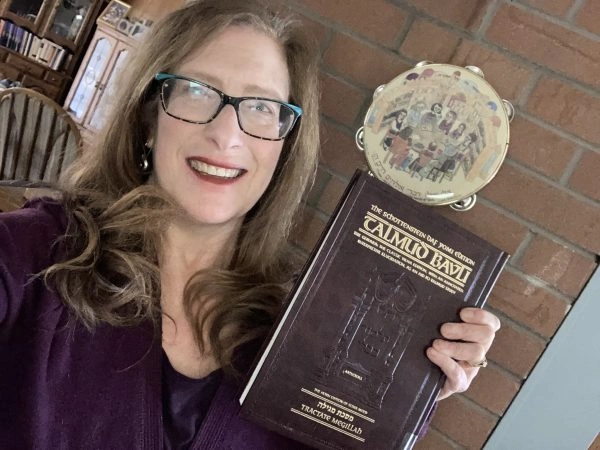
I started to listen to Michelle’s podcasts four years ago. The minute I started I was hooked. I’m so excited to learn the entire Talmud, and think I will continue always. I chose the quote “while a woman is engaged in conversation she also holds the spindle”. (Megillah 14b). It reminds me of all of the amazing women I learn with every day who multi-task, think ahead and accomplish so much.

Zichron Yakov, Israel
As Jewish educator and as a woman, I’m mindful that Talmud has been kept from women for many centuries. Now that we are privileged to learn, and learning is so accessible, it’s my intent to complete Daf Yomi. I am so excited to keep learning with my Hadran community.
Denver, United States
Sukkah 9
מַתְנִי׳ סוּכָּה יְשָׁנָה — בֵּית שַׁמַּאי פּוֹסְלִין וּבֵית הִלֵּל מַכְשִׁירִין. וְאֵיזוֹ הִיא סוּכָּה יְשָׁנָה, כׇּל שֶׁעֲשָׂאָהּ קוֹדֶם לֶחָג שְׁלֹשִׁים יוֹם. אֲבָל אִם עֲשָׂאָהּ לְשֵׁם חַג, אֲפִילּוּ מִתְּחִילַּת הַשָּׁנָה — כְּשֵׁרָה.
MISHNA: With regard to an old sukka, Beit Shammai deem it unfit for the mitzva of sukka and Beit Hillel deem it fit. And which is considered an old sukka? It is any booth that one established thirty days or more prior to the Festival without expressly designating that it was for the mitzva of sukka. In that case, the assumption is that he constructed it for some other purpose. However, if he established it expressly for the sake of the festival of Sukkot, even if he constructed it at the beginning of the previous year, it is fit for use in the fulfillment of the mitzva of sukka, even according to Beit Shammai.
גְּמָ׳ מַאי טַעְמַיְיהוּ דְּבֵית שַׁמַּאי? אָמַר קְרָא: ״חַג הַסּוּכּוֹת שִׁבְעַת יָמִים לַה׳״, סוּכָּה הָעֲשׂוּיָה לְשֵׁם חַג בָּעֵינַן.
GEMARA: The Gemara asks: What is the rationale for the opinion of Beit Shammai? The Gemara explains that it is as the verse states: “The festival of Sukkot is seven days unto the Lord” (Leviticus 23:34), indicating that we require a sukka established for the sake of the Festival. A sukka not constructed expressly for the Festival is unfit.
וּבֵית הִלֵּל? הַהוּא מִיבְּעֵי לֵיהּ לְכִדְרַב שֵׁשֶׁת. דְּאָמַר רַב שֵׁשֶׁת מִשּׁוּם רַבִּי עֲקִיבָא: מִנַּיִן לַעֲצֵי סוּכָּה שֶׁאֲסוּרִין כׇּל שִׁבְעָה — תַּלְמוּד לוֹמַר: ״חַג הַסּוּכּוֹת שִׁבְעַת יָמִים לַה׳״,
The Gemara asks: And how do Beit Hillel interpret this verse? The Gemara answers: In Beit Hillel’s opinion, that verse is necessary to teach in accordance with the statement of Rav Sheshet, as Rav Sheshet said in the name of Rabbi Akiva: From where is it derived that use of the wood of the sukka is prohibited for any purpose other than for the sukka all seven days of the Festival, and it is designated exclusively for the mitzva? It is derived as the verse states: “The festival of Sukkot is seven days unto the Lord.”
וְתַנְיָא, רַבִּי יְהוּדָה בֶּן בְּתִירָה אוֹמֵר: כְּשֵׁם שֶׁחָל שֵׁם שָׁמַיִם עַל הַחֲגִיגָה, כָּךְ חָל שֵׁם שָׁמַיִם עַל הַסּוּכָּה, שֶׁנֶּאֱמַר: ״חַג הַסּוּכּוֹת שִׁבְעַת יָמִים לַה׳״, מָה חַג לַה׳ — אַף סוּכָּה לַה׳.
And it is taught in a baraita in explanation that Rabbi Yehuda ben Beteira says: Just as the name of Heaven takes effect upon the Festival peace-offering, so too, the name of Heaven takes effect upon the sukka, as it is stated: “The festival of Sukkot is seven days unto the Lord”; just as the Festival offering is consecrated to the Lord, so too, the sukka is consecrated to the Lord.
וּבֵית שַׁמַּאי נָמֵי מִיבְּעֵי לֵיהּ לְהָכִי! אִין הָכִי נָמֵי,
The Gemara asks: But don’t Beit Shammai require the verse to derive this halakha as well? The Gemara answers: Yes, indeed it is so that Beit Shammai derives the sanctity of the wood of the sukka from this verse. Therefore, the rationale for their opinion with regard to an old sukka must be based on a different verse.
אֶלָּא מַאי טַעְמַיְיהוּ דְּבֵית שַׁמַּאי — כְּתִיב קְרָא אַחֲרִינָא: ״חַג הַסּוּכּוֹת תַּעֲשֶׂה לְךָ שִׁבְעַת יָמִים״, סוּכָּה הָעֲשׂוּיָה לְשֵׁם חַג בָּעֵינַן.
Rather, what is the rationale for the opinion of Beit Shammai with regard to an old sukka? Another verse is written: “You shall prepare for you the festival of Sukkot for seven days” (Deuteronomy 16:13), from which it is derived that we require a sukka established for the sake of the Festival.
וּבֵית הִלֵּל — הַהוּא מִיבְּעֵי לֵיהּ לְעוֹשִׂין סוּכָּה בְּחוּלּוֹ שֶׁל מוֹעֵד.
The Gemara asks: And how do Beit Hillel interpret this verse? The Gemara answers: That verse is necessary to teach that one may establish a sukka even during the intermediate days of the Festival. If one failed to construct a sukka prior to the onset of the Festival, or if it collapsed during the Festival, he may establish it during the intermediate days, as the mitzva to establish a sukka is in effect for all seven days of the Festival.
וּבֵית שַׁמַּאי — סְבִירָא לְהוּ כְּרַבִּי אֱלִיעֶזֶר, דְּאָמַר: אֵין עוֹשִׂין סוּכָּה בְּחוּלּוֹ שֶׁל מוֹעֵד.
The Gemara asks: And from where do Beit Shammai derive this halakha? They hold in accordance with the opinion of Rabbi Eliezer, who said: One may not establish a sukka during the intermediate days of the Festival. Therefore, the requirement to build the sukka for the sake of the mitzva may be derived from this verse.
וּבֵית הִלֵּל לֵית לְהוּ דְּרַב יְהוּדָה אָמַר רַב? דְּאָמַר רַב יְהוּדָה אָמַר רַב: עֲשָׂאָהּ מִן הַקּוֹצִין וּמִן הַנִּימִין וּמִן הַגְּרָדִין — פְּסוּלָה. מִן הַסִּיסִין — כְּשֵׁרָה,
The Gemara proceeds to clarify Beit Hillel’s opinion: And do Beit Hillel not agree with the statement that Rav Yehuda said that Rav said? As Rav Yehuda said that Rav said: If one fashioned ritual fringes from hanging threads that remain protruding from the fabric like thorns after most of the superfluous threads were torn, and tied them into ritual fringes; or if he tied the fringes from threads that hang down after sewing; or if he tied them from the fringes [geradin] that hang from the bottom of a garment, the ritual fringes are unfit for fulfilling the mitzva. However, if the ritual fringes were tied from balls of thread that were not spun for the sake of the mitzva, they are fit.
כִּי אַמְרִיתַהּ קַמֵּיהּ דִּשְׁמוּאֵל, אָמַר לִי: אַף מִן הַסִּיסִין נָמֵי פְּסוּלָה, (אַלְמָא) דְּבָעֵינַן טְוִיָּה לִשְׁמָהּ. הָכָא נָמֵי בָּעֵינַן סוּכָּה עֲשׂוּיָה לִשְׁמָהּ!
And Rav Yehuda related: When I stated this halakha in the name of Rav before Shmuel, he said to me: Even ritual fringes tied from balls of thread are unfit, as we require the spinning of the thread to be for the sake of the mitzva. Just as the threads for the ritual fringes must be spun for the sake of the mitzva, here too, let us require a sukka established for the sake of the mitzva.
שָׁאנֵי הָתָם, דְּאָמַר קְרָא: ״גְּדִילִים תַּעֲשֶׂה לָךְ״, לָךְ — לְשֵׁם חוֹבָךְ. הָכָא נָמֵי: ״חַג הַסּוּכּוֹת תַּעֲשֶׂה לְךָ״, לָךְ — לְשֵׁם חוֹבָךְ!
The Gemara answers: It is different there, as the verse states: “You shall prepare for you fringes” (Deuteronomy 22:12), from which it is derived: “For you,” for the sake of your obligation. The fringes, from the beginning of their production, must be produced for the sake of the mitzva. The Gemara asks: Here, too, with regard to sukka, the verse says: “You shall prepare for you the festival of Sukkot” (Deuteronomy 16:13). Shouldn’t it be derived: “For you,” for the sake of your obligation?
הַהוּא מִיבְּעֵי לֵיהּ לְמַעוֹטֵי גְּזוּלָה. הָתָם נָמֵי מִיבְּעֵי לֵיהּ לְמַעוֹטֵי גְּזוּלָה!
The Gemara answers that this term “for you” is required to exclude use of a stolen sukka; establish the sukka for you, and do not use a sukka belonging to another. The Gemara asks: There, too, with regard to ritual fringes, isn’t the term “for you” required to exclude use of stolen ritual fringes?
הָתָם כְּתִיב קְרָא אַחֲרִינָא: ״וְעָשׂוּ לָהֶם״ — מִשֶּׁלָּהֶם.
The Gemara answers: There, with regard to ritual fringes, another verse is written: “And they shall make for them ritual fringes” (Numbers 15:38), from which it is derived: “For them,” of their own, to exclude the use of stolen ritual fringes. Therefore from the term “for you,” it may be derived that ritual fringes must be produced for the sake of the mitzva.
מַתְנִי׳ הָעוֹשֶׂה סוּכָּתוֹ תַּחַת הָאִילָן — כְּאִילּוּ עֲשָׂאָהּ בְּתוֹךְ הַבַּיִת. סוּכָּה עַל גַּבֵּי סוּכָּה — הָעֶלְיוֹנָה כְּשֵׁרָה וְהַתַּחְתּוֹנָה פְּסוּלָה. רַבִּי יְהוּדָה אוֹמֵר: אִם אֵין דָּיוֹרִין בָּעֶלְיוֹנָה — הַתַּחְתּוֹנָה כְּשֵׁרָה.
MISHNA: With regard to one who establishes his sukka beneath a tree, it is as though he established it inside the house and it is unfit. If one established a sukka atop another sukka, the upper sukka is fit and the lower sukka is unfit. Rabbi Yehuda says: If there are no residents in the upper sukka, the lower sukka is fit.
גְּמָ׳ אָמַר רָבָא: לֹא שָׁנוּ אֶלָּא בְּאִילָן שֶׁצִּלָּתוֹ מְרוּבָּה מֵחֲמָתוֹ, אֲבָל חֲמָתוֹ מְרוּבָּה מִצִּלָּתוֹ — כְּשֵׁרָה.
GEMARA: Rava said: They taught this halakha that a sukka beneath a tree is unfit only with regard to a tree whose shade is greater than its sunlight, as the source of the shade in the sukka is the tree and not the roofing. However, if its sunlight is greater than its shade, the sukka is fit, as in that case the roofing provides the shade.
מִמַּאי — מִדְּקָתָנֵי: ״כְּאִילּוּ עֲשָׂאָהּ בְּתוֹךְ הַבַּיִת״: לְמָה לִי לְמִיתְנֵי ״כְּאִילּוּ עֲשָׂאָהּ בְּתוֹךְ הַבַּיִת״? לִיתְנֵי ״פְּסוּלָה״! אֶלָּא, הָא קָא מַשְׁמַע לַן דְּאִילָן דּוּמְיָא דְּבַיִת: מָה בַּיִת צִלָּתוֹ מְרוּבָּה מֵחֲמָתוֹ — אַף אִילָן צִלָּתוֹ מְרוּבָּה מֵחֲמָתוֹ.
The Gemara asks: From where does Rava reach this conclusion? The Gemara answers: He learns this from the fact that the mishna teaches: It is as though he established it inside the house. Why do I need the mishna to teach: It is as though he established it inside the house? Let the mishna teach simply: It is unfit. Rather, this is teaching us that in the context of this halakha, a tree is similar to a house; just as with regard to a house, its shade is greater than its sunlight, so too, with regard to a tree, it invalidates the sukka only if its shade is greater than its sunlight.
וְכִי חֲמָתוֹ מְרוּבָּה מִצִּלָּתוֹ, מַאי הָוֵי? הָא קָא מִצְטָרֵף סְכָךְ פָּסוּל בַּהֲדֵי סְכָךְ כָּשֵׁר! אָמַר רַב פָּפָּא: בְּשֶׁחֲבָטָן.
The Gemara asks: And even if the sunlight is greater than the shade of the tree, what of it? Why does Rava deem the sukka beneath the tree fit in that case? Isn’t there unfit roofing, the uncut branches of the tree, joining together with the fit roofing on the sukka, rendering even the fit roofing on the sukka unfit? Rav Pappa said: This is referring to a case where one lowered the uncut branches and combined them with the fit roofing so that the branches still attached to the tree are inconspicuous. Given that the majority of the roofing is fit, the roofing in its entirety is fit.
אִי בְּשֶׁחֲבָטָן מַאי לְמֵימְרָא! מַהוּ דְּתֵימָא: נִיגְזוֹר הֵיכָא דַּחֲבָטָן אַטּוּ הֵיכָא דְּלֹא חֲבָטָן, קָא מַשְׁמַע לַן דְּלָא גָּזְרִינַן.
The Gemara asks: If it is a case where he lowered them, what is the purpose of stating this halakha? Isn’t it self-evident? The Gemara answers that it is necessary lest you say: Let us issue a decree and deem the roofing unfit in a case where one lowered them due to a case where one did not lower them. Therefore, it teaches us that we do not issue such a decree.
הָא נָמֵי תְּנֵינָא: הִדְלָה עָלֶיהָ: אֶת הַגֶּפֶן וְאֶת הַדְּלַעַת וְאֶת הַקִּיסוֹס, וְסִיכֵּךְ עַל גַּבָּן — פְּסוּלָה, וְאִם הָיָה סִיכּוּךְ הַרְבֵּה מֵהֶן אוֹ שֶׁקְּצָצָן — כְּשֵׁרָה.
The Gemara asks: That halakha, too, we already learned in a mishna: If one trellised the grapevine, the gourd, or the ivy, climbing plants, over a sukka while they are still attached to the ground, and he then added roofing atop them, the sukka is unfit, as roofing attached to the ground is unfit. If the amount of fit roofing was greater than the plants attached to the ground, or if he cut the climbing plants so that they were no longer attached to the ground, it is fit.
הֵיכִי דָמֵי? אִילֵּימָא בְּשֶׁלֹּא חֲבָטָן, הָא קָא מִצְטָרֵף סְכָךְ פָּסוּל עִם סְכָךְ כָּשֵׁר! אֶלָּא לָאו, כְּשֶׁחֲבָטָן, וּשְׁמַע מִינַּהּ דְּלָא גָּזְרִינַן! מַהוּ דְּתֵימָא: הָנֵי מִילֵּי בְּדִיעֲבַד — אֲבָל לְכַתְּחִילָּה לָא, קָא מַשְׁמַע לַן.
The Gemara clarifies the details of the mishna: What are the circumstances? If we say that it is referring to a case where he did not lower the climbing plants and combine them with the fit roofing, doesn’t the unfit roofing join together with the fit roofing on the sukka, rendering even the fit roofing on the sukka unfit? Rather, isn’t the mishna referring to a case where he lowered them, and conclude from this mishna that we do not issue a decree in a case where he lowered the branches due to a case where he did not lower the branches. Rava’s statement is therefore unnecessary. The Gemara answers: Lest you say that this applies only after the fact, i.e., that if one already lowered the uncut branches or plants it is not unfit, but one may not do so ab initio; therefore, Rava teaches us that one may place roofing in this manner even ab initio.
סוּכָּה עַל גַּבֵּי סוּכָּה וְכוּ׳. תָּנוּ רַבָּנַן: ״(בַּסּוּכּוֹת) תֵּשְׁבוּ״, וְלֹא בְּסוּכָּה שֶׁתַּחַת הַסּוּכָּה, וְלֹא בְּסוּכָּה שֶׁתַּחַת הָאִילָן, וְלֹא בְּסוּכָּה שֶׁבְּתוֹךְ הַבַּיִת.
§ The mishna continues: If one established a sukka atop another sukka, the upper sukka is fit and the lower sukka is unfit. The Sages taught in a baraita that the verse states: “In sukkot shall you reside” (Leviticus 23:42), and not in a sukka that is beneath another sukka, and not in sukka that is beneath a tree, and not in a sukka that is inside a house.
אַדְּרַבָּה: ״בַּסּוּכּוֹת״ תַּרְתֵּי מַשְׁמַע! אָמַר רַב נַחְמָן בַּר יִצְחָק: ״בַּסֻכֹּת״ כְּתִיב.
The Gemara questions that derivation. On the contrary, the term “in sukkot,” which is written in the plural, indicates two. The conclusion should be that one sitting inside a sukka beneath a sukka fulfills the mitzva. Rav Naḥman bar Yitzḥak said: Although the term is vocalized in the plural, basukkot is written without the vav, indicating a single sukka.
אָמַר רַבִּי יִרְמְיָה: פְּעָמִים שֶׁשְּׁתֵּיהֶן כְּשֵׁירוֹת, פְּעָמִים שֶׁשְּׁתֵּיהֶן פְּסוּלוֹת, פְּעָמִים שֶׁתַּחְתּוֹנָה כְּשֵׁרָה וְהָעֶלְיוֹנָה פְּסוּלָה, פְּעָמִים שֶׁתַּחְתּוֹנָה פְּסוּלָה וְהָעֶלְיוֹנָה כְּשֵׁרָה.
Rabbi Yirmeya said: There are times when both of the sukkot one atop the other are fit; there are times when both of the sukkot are unfit; there are times when the lower sukka is fit and the upper sukka is unfit; and there are times when the lower sukka is unfit and the upper sukka is fit.
פְּעָמִים שֶׁשְּׁתֵּיהֶן כְּשֵׁירוֹת הֵיכִי דָּמֵי? כְּגוֹן שֶׁתַּחְתּוֹנָה חֲמָתָהּ מְרוּבָּה מִצִּלָּתָהּ, וְהָעֶלְיוֹנָה צִלָּתָהּ מְרוּבָּה מֵחַמָּתָהּ, וְקָיְימָא עֶלְיוֹנָה בְּתוֹךְ עֶשְׂרִים.
The Gemara elaborates: There are times when both of the sukkot one atop the other are fit. What are the circumstances? It is in a case where in the lower sukka its sunlight is greater than its shade, rendering the sukka unfit, and in the upper sukka its shade is greater than its sunlight, rendering the sukka fit. And the roofing of the upper sukka is within twenty cubits of the ground. In that case, the roofing of the upper sukka is effective for both the upper sukka and the lower one.
פְּעָמִים שֶׁשְּׁתֵּיהֶן פְּסוּלוֹת הֵיכִי דָּמֵי? כְּגוֹן דְּתַרְוַיְיהוּ צִלָּתָן מְרוּבָּה מֵחֲמָתָן, וְקָיְימָא עֶלְיוֹנָה לְמַעְלָה מֵעֶשְׂרִים אַמָּה.
There are times when both of the sukkot are unfit. What are the circumstances? It is in a case where in both sukkot, their shade is greater than their sunlight, but the upper one is more than twenty cubits above the roofing of the lower sukka, rendering it unfit. Since the roofing of the upper sukka is unfit, and it casts shade over the lower sukka, the lower sukka is also unfit.
פְּעָמִים שֶׁתַּחְתּוֹנָה כְּשֵׁרָה וְהָעֶלְיוֹנָה פְּסוּלָה
There are times when the lower sukka is fit and the upper sukka is unfit.

