Search

Nedarim 80

Want to dedicate learning? Get started here:

English
עברית
podcast placeholder

0:00
0:00


podcast placeholder

0:00
0:00


Summary

Today’s daf is dedicated in honor of our daughter, Chani, upon finishing three and a half years of army service. We are proud of you daily for the dedication and hard work you have put in toward serving our country.

Today’s daf is sponsored by Heather Stone in memory of her father, Robert Stone, Yehuda Leib ben Naphtali Halevy marking eleven months since his death. “May his neshama have an aliya, b’zchut our continued learning.”

Today’s daf is sponsored by Wendy Proskin on the occasion of her daughter, Orli Zucker’s bat mitzvah this Shabbat, Parshat Shemot. “May you always be as brave as Shifrah and Puah. Thank you for being my chevruta! We love you, Mommy and Abba.”

The Gemara continues to detemine what the cases are in the Mishnah on which there is a debate “If I wash, if I don’t wash, if I adorn myself, if I don’t adorn myself.” Eventually, it is explained that the cases of “if I do” is where she vows “Konam to me the pleasure of washing/adornin myself, if I will wash/adorn myself today” and the cases of “if not…” is an oath – an oath that I will not wash/adorn myself. How can rabbis claim that washing is torture for the soul when on Yom Kippur you don’t receive a karet if you bathe? How can Rabbi Yosi say that refraining from bathing is not torture of the soul, when in Tosefta Bava Metzia in a different matter, he says that refraining from washing clothes is considered torture for the  soul to the extent that he puts the same weight on that as on water for surviving?

Today’s daily daf tools:

Nedarim 80

וְאֶלָּא: דְּאָמְרָה ״קֻוֽנָּם הֲנָאַת רְחִיצָה עָלַי לְעוֹלָם אִם אֶרְחַץ״, מִשּׁוּם הָכִי מֵיפֵר לָהּ. דְּהֵיכִי תַּעֲבֵיד? תִּרְחַץ — מִתַּסְרָא הֲנָאַת רְחִיצָה עֲלַהּ, לָא תִּרְחַץ אִית לַהּ נִיוּוּלָא. וְרַבִּי יוֹסֵי סָבַר: אֶפְשָׁר דְּלָא רָחֲצָה, וּלְנִיוּוּל לָא חָיְישִׁינַן.

But rather, explain that she said: The benefit of bathing is konam for me forever if I bathe. And it is due to that reason that he may nullify her vow, as what can she do if there is no nullification? If she bathes, the benefit of bathing is thereby forbidden to her. And if she does not bathe, she will suffer temporary disfigurement [nivvula]. And Rabbi Yosei, who maintains that this is not a vow of affliction, maintains that it is possible for her not to bathe, as we are not concerned about her disfigurement.

אִי הָכִי, לִיתְנֵי הָכִי, רַבִּי יוֹסֵי אוֹמֵר: תְּנַאי זֶה אֵין בּוֹ עִנּוּי נֶפֶשׁ!

The Gemara raises a difficulty: If so, let the mishna teach like this: Rabbi Yosei says that this condition does not involve affliction, as the content of the vow itself is irrelevant, since she can fulfill the condition.

אֶלָּא דְּאָמְרָה: ״הֲנָאַת רְחִיצָה עָלַי לְעוֹלָם אִם אֶרְחַץ הַיּוֹם״. וְרַבִּי יוֹסֵי סָבַר: נִיוּוּל דְּחַד יוֹמָא לָא שְׁמֵיהּ נִיוּוּל.

The Gemara offers another explanation: Rather, explain that she said: The benefit of bathing is konam for me forever if I bathe today. And Rabbi Yosei maintains that nothing will happen if she refrains from bathing today, as the disfigurement resulting from not bathing for one day is not called disfigurement.

שַׁנֵּית ״אִם אֶרְחַץ״. ״אִם לֹא אֶרְחַץ״ הֵיכִי דָּמֵי? אִלֵּימָא דְּאָמְרָה: ״תִּיתְּסַר הֲנָאַת רְחִיצָה לְעוֹלָם עָלַי אִם לֹא אֶרְחַץ הַיּוֹם״ — לְמָה לָהּ הֲפָרָה? תִּתְסְחֵי! אָמַר רַב יְהוּדָה: דְּאָמְרָה ״הֲנָאַת רְחִיצָה עָלַי לְעוֹלָם אִם לֹא אֶרְחַץ בְּמֵי מִשְׁרָה״.

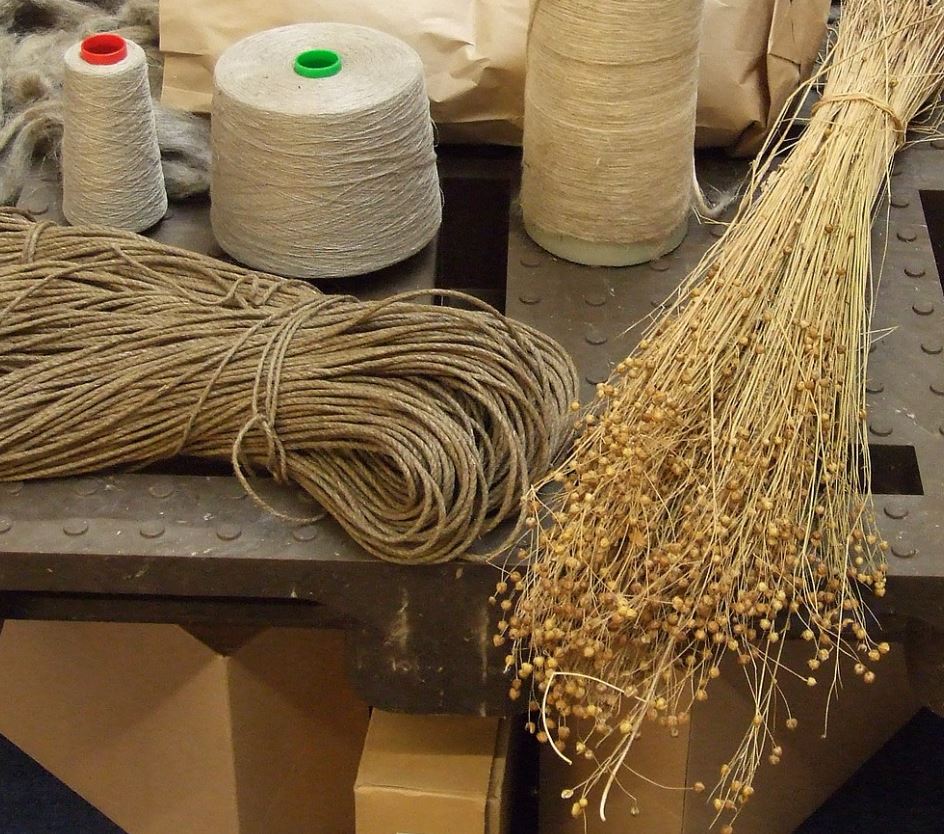
The Gemara asks: You have adequately answered the expression: If I bathe, but as for the vow: If I do not bathe, what are the circumstances? If we say that she said: The benefit of bathing shall be forbidden to me forever if I do not bathe today, why does she need nullification at all? Let her bathe today and nothing will be forbidden. Rav Yehuda said: The mishna is referring to a case where she said: The benefit of bathing is forbidden to me forever if I do not bathe in foul water in which flax was soaked. The husband can nullify this vow, as it will make her repulsive, which is a form of disfigurement.

דִּכְווֹתֵיהּ דְּקָתָנֵי ״אִם לֹא אֶתְקַשֵּׁט״ — אִם לֹא אֶתְקַשֵּׁט בְּנֵפְטְ. לִכְלוּךְ הוּא!

The Gemara raises an objection: In that case, you must similarly explain that which the tanna teaches: If I do not adorn myself, to mean: The benefit of adorning myself is forbidden to me forever if I do not do something repulsive, e.g., if I do not adorn myself with naphtha [neft]. But this cannot be, as such a substance is filthy and the term adornment cannot be applied to it at all.

אָמַר [רַב יְהוּדָה], דְּאָמְרָה: ״הֲנָאַת רְחִיצָה לְעוֹלָם עָלַי אִם אֶרְחַץ הַיּוֹם, וּשְׁבוּעָה שֶׁלֹּא אֶרְחַץ״, ״הֲנָאַת קִישּׁוּט עָלַי לְעוֹלָם אִם אֶתְקַשֵּׁט הַיּוֹם, וּשְׁבוּעָה שֶׁלֹּא אֶתְקַשֵּׁט״.

Rather, Rav Yehuda said that the mishna is referring to a case where she said: The benefit of bathing is forbidden to me forever if I bathe today, and I take an oath that I will not bathe today. Through a combination of her vow and her oath she has rendered it prohibited for her to bathe forever. The situation is similar if she said: The benefit of adornment is forbidden to me forever if I adorn myself today, and I take an oath that I will not adorn myself today.

אֲמַר לֵיהּ רָבִינָא לְרַב אָשֵׁי: הַאי ״אֵלּוּ נְדָרִים וּשְׁבוּעוֹת״ מִיבְּעֵי לֵיהּ לְמִיתְנֵי! אֲמַר לֵיהּ, תְּנִי: אֵלּוּ נְדָרִים וּשְׁבוּעוֹת. וְאִיבָּעֵית אֵימָא: שְׁבוּעוֹת נָמֵי הַיְינוּ נְדָרִים. דִּתְנַן: ״כְּנִדְרֵי רְשָׁעִים״ — נָדַר בְּנָזִיר וּבְקׇרְבָּן וּבִשְׁבוּעָה.

Ravina said to Rav Ashi: According to this explanation, this tanna of the mishna should have taught: These are the vows and oaths that he can nullify. Rav Ashi said to him: Teach so in the mishna: These are the vows and oaths. And if you wish, say instead that oaths are also included in the category of vows. As we learned in a mishna (9a): If one said: Like the vows of the wicked, he has vowed with respect to becoming a nazirite, and with regard to bringing an offering, and with regard to taking an oath. This shows that an oath can also be called a vow.

וַאֲמַרוּ רַבָּנַן: רְחִיצָה אִית בַּהּ עִנּוּי נֶפֶשׁ כִּי לָא רָחֲצָה? וּרְמִינְהִי: אַף עַל פִּי שֶׁאָסוּר בְּכוּלָּן — אֵין עָנוּשׁ כָּרֵת אֶלָּא בְּאוֹכֵל וְשׁוֹתֶה וְעוֹשֶׂה מְלָאכָה בִּלְבַד. וְאִי אָמְרַתְּ כִּי לָא רָחֲצָה אִיכָּא עִנּוּי, בְּיוֹם הַכִּיפּוּרִים כִּי רָחַץ לִיחַיַּיב כָּרֵת!

§ The Gemara asks: And do the Rabbis, i.e., the first tanna, mean to say with regard to bathing that when she does not bathe it involves affliction? The Gemara raises a contradiction from a baraita that states: Although one is prohibited from performing any of the five activities associated with affliction on Yom Kippur, i.e., eating or drinking, bathing, anointing, engaging in sexual intercourse, and wearing leather shoes, one is punished with karet only when one eats or drinks or performs prohibited labor alone. And if you say that when a woman does not bathe there is affliction, and for this reason a husband may nullify such a vow taken by his wife, then if one bathes on Yom Kippur, he should be liable to receive karet, in accordance with the verse “For whatever person shall not be afflicted on that same day, he shall be cut off [venikhreta] from his people” (Leviticus 23:29), as he has failed to observe this form of affliction.

אָמַר רָבָא: מֵעִנְיָנָא דִקְרָא. גַּבֵּי יוֹם הַכִּיפּוּרִים דִּכְתִיב ״תְּעַנּוּ אֶת נַפְשׁוֹתֵיכֶם״ — מִילְּתָא דְּיָדַע עִינּוּיָא הַשְׁתָּא. רְחִיצָה לָא יָדַע עִינּוּיָא הַשְׁתָּא. גַּבֵּי נְדָרִים דִּכְתִיב ״כׇּל נֵדֶר וְכׇל שְׁבוּעַת אִסָּר לְעַנּוֹת נָפֶשׁ״ — מִילְּתָא דְּאָתְיָא לֵיהּ לִידֵי עִנּוּי, וְכִי לָא רָחֲצָה אָתְיָא לִידֵי עִנּוּי.

Rava said: The meaning of the affliction in each case may be learned from the context of the verse. With regard to Yom Kippur, where it is written: “On the tenth of the month you shall afflict your souls” (Leviticus 16:29), the reference is to a matter for which one knows and feels the affliction right now, on Yom Kippur itself, i.e., abstention from food and drink, which is felt within a short period of time. One who abstains from bathing, however, does not know and feel the affliction now, but only later. By contrast, with regard to vows, where it is written: “Every vow and every binding oath to afflict the soul, her husband may uphold it, or her husband may nullify it” (Numbers 30:14), the reference is to a matter that leads to affliction, and if she does not bathe for an extended period of time, it eventually leads to affliction.

וְרָמֵי דְּרַבִּי יוֹסֵי אַדְּרַבִּי יוֹסֵי: מַעְיָין שֶׁל בְּנֵי הָעִיר, חַיֵּיהֶן וְחַיֵּי אֲחֵרִים — חַיֵּיהֶן קוֹדְמִין לְחַיֵּי אֲחֵרִים. בְּהֶמְתָּם [וּבֶהֱמַת אֲחֵרִים — בְּהֶמְתָּם] קוֹדֶמֶת לְבֶהֱמַת אֲחֵרִים. כְּבִיסָתָן וּכְבִיסַת אֲחֵרִים — כְּבִיסָתָן קוֹדֶמֶת לִכְבִיסַת אֲחֵרִים. חַיֵּי אֲחֵרִים וּכְבִיסָתָן — חַיֵּי אֲחֵרִים קוֹדְמִין לִכְבִיסָתָן.

§ The Gemara raises a contradiction between this statement of Rabbi Yosei and another statement of Rabbi Yosei. It was taught in a baraita: In the case of a spring belonging to the residents of a city, if the water was needed for their own lives, i.e., the city’s residents required the spring for drinking water, and it was also needed for the lives of others, their own lives take precedence over the lives of others. Likewise, if the water was needed for their own animals and also for the animals of others, their own animals take precedence over the animals of others. And if the water was needed for their own laundry and also for the laundry of others, their own laundry takes precedence over the laundry of others. However, if the spring water was needed for the lives of others and their own laundry, the lives of others take precedence over their own laundry.

רַבִּי יוֹסֵי אוֹמֵר: כְּבִיסָתָן קוֹדֶמֶת לְחַיֵּי אֲחֵרִים. הַשְׁתָּא כְּבִיסָה אָמַר רַבִּי יוֹסֵי יֵשׁ בָּהּ צַעַר,

Rabbi Yosei disagrees and says: Even their own laundry takes precedence over the lives of others, as the wearing of unlaundered clothes can eventually cause suffering and pose a danger. The Gemara clarifies the difficulty presented by this baraita: Now, if with regard to laundry, Rabbi Yosei said that refraining from laundering one’s clothes involves pain and affliction,

Today’s daily daf tools:

Delve Deeper

Broaden your understanding of the topics on this daf with classes and podcasts from top women Talmud scholars.

For the Beyond the Daf shiurim offered in Hebrew, see here.

New to Talmud?

Check out our resources designed to help you navigate a page of Talmud – and study at the pace, level and style that fits you. 

The Hadran Women’s Tapestry

Meet the diverse women learning Gemara at Hadran and hear their stories. 

What a great experience to learn with Rabbanit Michelle Farber. I began with this cycle in January 2020 and have been comforted by the consistency and energy of this process throughout the isolation period of Covid. Week by week, I feel like I am exploring a treasure chest with sparkling gems and puzzling antiquities. The hunt is exhilarating.

Marian Frankston
Marian Frankston

Pennsylvania, United States

After experiences over the years of asking to join gemara shiurim for men and either being refused by the maggid shiur or being the only women there, sometimes behind a mechitza, I found out about Hadran sometime during the tail end of Masechet Shabbat, I think. Life has been much better since then.

Madeline Cohen
Madeline Cohen

London, United Kingdom

Margo
I started my Talmud journey in 7th grade at Akiba Jewish Day School in Chicago. I started my Daf Yomi journey after hearing Erica Brown speak at the Hadran Siyum about marking the passage of time through Daf Yomi.

Carolyn
I started my Talmud journey post-college in NY with a few classes. I started my Daf Yomi journey after the Hadran Siyum, which inspired both my son and myself.

Carolyn Hochstadter and Margo Kossoff Shizgal

Merion Station,  USA

Beit Shemesh, Israel

I saw an elderly man at the shul kiddush in early March 2020, celebrating the siyyum of masechet brachot which he had been learning with a young yeshiva student. I thought, if he can do it, I can do it! I began to learn masechet Shabbat the next day, Making up masechet brachot myself, which I had missed. I haven’t missed a day since, thanks to the ease of listening to Hadran’s podcast!
Judith Shapiro
Judith Shapiro

Minnesota, United States

When the new cycle began, I thought, If not now, when? I’d just turned 72. I feel like a tourist on a tour bus passing astonishing scenery each day. Rabbanit Michelle is my beloved tour guide. When the cycle ends, I’ll be 80. I pray that I’ll have strength and mind to continue the journey to glimpse a little more. My grandchildren think having a daf-learning savta is cool!

Wendy Dickstein
Wendy Dickstein

Jerusalem, Israel

Having never learned Talmud before, I started Daf Yomi in hopes of connecting to the Rabbinic tradition, sharing a daily idea on Instagram (@dafyomiadventures). With Hadran and Sefaria, I slowly gained confidence in my skills and understanding. Now, part of the Pardes Jewish Educators Program, I can’t wait to bring this love of learning with me as I continue to pass it on to my future students.

Hannah-G-pic
Hannah Greenberg

Pennsylvania, United States

I read Ilana Kurshan’s “If All the Seas Were Ink” which inspired me. Then the Women’s Siyum in Jerusalem in 2020 convinced me, I knew I had to join! I have loved it- it’s been a constant in my life daily, many of the sugiyot connect to our lives. My family and friends all are so supportive. It’s incredible being part of this community and love how diverse it is! I am so excited to learn more!

Shira Jacobowitz
Shira Jacobowitz

Jerusalem, Israel

Retirement and Covid converged to provide me with the opportunity to commit to daily Talmud study in October 2020. I dove into the middle of Eruvin and continued to navigate Seder Moed, with Rabannit Michelle as my guide. I have developed more confidence in my learning as I completed each masechet and look forward to completing the Daf Yomi cycle so that I can begin again!

Rhona Fink
Rhona Fink

San Diego, United States

I had no formal learning in Talmud until I began my studies in the Joint Program where in 1976 I was one of the few, if not the only, woman talmud major. It was superior training for law school and enabled me to approach my legal studies with a foundation . In 2018, I began daf yomi listening to Rabbanit MIchelle’s pod cast and my daily talmud studies are one of the highlights of my life.

Krivosha_Terri_Bio
Terri Krivosha

Minneapolis, United States

I started Daf during the pandemic. I listened to a number of podcasts by various Rebbeim until one day, I discovered Rabbanit Farbers podcast. Subsequently I joined the Hadran family in Eruvin. Not the easiest place to begin, Rabbanit Farber made it all understandable and fun. The online live group has bonded together and have really become a supportive, encouraging family.

Leah Goldford
Leah Goldford

Edmonton, Alberta, Canada

In January 2020, my teaching partner at IDC suggested we do daf yomi. Thanks to her challenge, I started learning daily from Rabbanit Michelle. It’s a joy to be part of the Hadran community. (It’s also a tikkun: in 7th grade, my best friend and I tied for first place in a citywide gemara exam, but we weren’t invited to the celebration because girls weren’t supposed to be learning gemara).

Sara-Averick-photo-scaled
Sara Averick

Jerusalem, Israel

“I got my job through the NY Times” was an ad campaign when I was growing up. I can headline “I got my daily Daf shiur and Hadran through the NY Times”. I read the January 4, 2020 feature on Reb. Michelle Farber and Hadran and I have been participating ever since. Thanks NY Times & Hadran!
Deborah Aschheim
Deborah Aschheim

New York, United States

I started learning Daf Yomi to fill what I saw as a large gap in my Jewish education. I also hope to inspire my three daughters to ensure that they do not allow the same Talmud-sized gap to form in their own educations. I am so proud to be a part of the Hadran community, and I have loved learning so many of the stories and halachot that we have seen so far. I look forward to continuing!
Dora Chana Haar
Dora Chana Haar

Oceanside NY, United States

Margo
I started my Talmud journey in 7th grade at Akiba Jewish Day School in Chicago. I started my Daf Yomi journey after hearing Erica Brown speak at the Hadran Siyum about marking the passage of time through Daf Yomi.

Carolyn
I started my Talmud journey post-college in NY with a few classes. I started my Daf Yomi journey after the Hadran Siyum, which inspired both my son and myself.

Carolyn Hochstadter and Margo Kossoff Shizgal

Merion Station,  USA

Beit Shemesh, Israel

A beautiful world of Talmudic sages now fill my daily life with discussion and debate.
bringing alive our traditions and texts that has brought new meaning to my life.
I am a מגילת אסתר reader for women . the words in the Mishna of מסכת megillah 17a
הקורא את המגילה למפרע לא יצא were powerful to me.
I hope to have the zchut to complete the cycle for my 70th birthday.

Sheila Hauser
Sheila Hauser

Jerusalem, Israel

I decided to learn one masechet, Brachot, but quickly fell in love and never stopped! It has been great, everyone is always asking how it’s going and chering me on, and my students are always making sure I did the day’s daf.

Yafit Fishbach
Yafit Fishbach

Memphis, Tennessee, United States

When we heard that R. Michelle was starting daf yomi, my 11-year-old suggested that I go. Little did she know that she would lose me every morning from then on. I remember standing at the Farbers’ door, almost too shy to enter. After that first class, I said that I would come the next day but couldn’t commit to more. A decade later, I still look forward to learning from R. Michelle every morning.

Ruth Leah Kahan
Ruth Leah Kahan

Ra’anana, Israel

My first Talmud class experience was a weekly group in 1971 studying Taanit. In 2007 I resumed Talmud study with a weekly group I continue learning with. January 2020, I was inspired to try learning Daf Yomi. A friend introduced me to Daf Yomi for Women and Rabbanit Michelle Farber, I have kept with this program and look forward, G- willing, to complete the entire Shas with Hadran.
Lorri Lewis
Lorri Lewis

Palo Alto, CA, United States

I graduated college in December 2019 and received a set of shas as a present from my husband. With my long time dream of learning daf yomi, I had no idea that a new cycle was beginning just one month later, in January 2020. I have been learning the daf ever since with Michelle Farber… Through grad school, my first job, my first baby, and all the other incredible journeys over the past few years!
Sigal Spitzer Flamholz

Bronx, United States

The start of my journey is not so exceptional. I was between jobs and wanted to be sure to get out every day (this was before corona). Well, I was hooked after about a month and from then on only looked for work-from-home jobs so I could continue learning the Daf. Daf has been a constant in my life, though hurricanes, death, illness/injury, weddings. My new friends are Rav, Shmuel, Ruth, Joanna.
Judi Felber
Judi Felber

Raanana, Israel

Nedarim 80

וְאֶלָּא: דְּאָמְרָה ״קֻוֽנָּם הֲנָאַת רְחִיצָה עָלַי לְעוֹלָם אִם אֶרְחַץ״, מִשּׁוּם הָכִי מֵיפֵר לָהּ. דְּהֵיכִי תַּעֲבֵיד? תִּרְחַץ — מִתַּסְרָא הֲנָאַת רְחִיצָה עֲלַהּ, לָא תִּרְחַץ אִית לַהּ נִיוּוּלָא. וְרַבִּי יוֹסֵי סָבַר: אֶפְשָׁר דְּלָא רָחֲצָה, וּלְנִיוּוּל לָא חָיְישִׁינַן.

But rather, explain that she said: The benefit of bathing is konam for me forever if I bathe. And it is due to that reason that he may nullify her vow, as what can she do if there is no nullification? If she bathes, the benefit of bathing is thereby forbidden to her. And if she does not bathe, she will suffer temporary disfigurement [nivvula]. And Rabbi Yosei, who maintains that this is not a vow of affliction, maintains that it is possible for her not to bathe, as we are not concerned about her disfigurement.

אִי הָכִי, לִיתְנֵי הָכִי, רַבִּי יוֹסֵי אוֹמֵר: תְּנַאי זֶה אֵין בּוֹ עִנּוּי נֶפֶשׁ!

The Gemara raises a difficulty: If so, let the mishna teach like this: Rabbi Yosei says that this condition does not involve affliction, as the content of the vow itself is irrelevant, since she can fulfill the condition.

אֶלָּא דְּאָמְרָה: ״הֲנָאַת רְחִיצָה עָלַי לְעוֹלָם אִם אֶרְחַץ הַיּוֹם״. וְרַבִּי יוֹסֵי סָבַר: נִיוּוּל דְּחַד יוֹמָא לָא שְׁמֵיהּ נִיוּוּל.

The Gemara offers another explanation: Rather, explain that she said: The benefit of bathing is konam for me forever if I bathe today. And Rabbi Yosei maintains that nothing will happen if she refrains from bathing today, as the disfigurement resulting from not bathing for one day is not called disfigurement.

שַׁנֵּית ״אִם אֶרְחַץ״. ״אִם לֹא אֶרְחַץ״ הֵיכִי דָּמֵי? אִלֵּימָא דְּאָמְרָה: ״תִּיתְּסַר הֲנָאַת רְחִיצָה לְעוֹלָם עָלַי אִם לֹא אֶרְחַץ הַיּוֹם״ — לְמָה לָהּ הֲפָרָה? תִּתְסְחֵי! אָמַר רַב יְהוּדָה: דְּאָמְרָה ״הֲנָאַת רְחִיצָה עָלַי לְעוֹלָם אִם לֹא אֶרְחַץ בְּמֵי מִשְׁרָה״.

The Gemara asks: You have adequately answered the expression: If I bathe, but as for the vow: If I do not bathe, what are the circumstances? If we say that she said: The benefit of bathing shall be forbidden to me forever if I do not bathe today, why does she need nullification at all? Let her bathe today and nothing will be forbidden. Rav Yehuda said: The mishna is referring to a case where she said: The benefit of bathing is forbidden to me forever if I do not bathe in foul water in which flax was soaked. The husband can nullify this vow, as it will make her repulsive, which is a form of disfigurement.

דִּכְווֹתֵיהּ דְּקָתָנֵי ״אִם לֹא אֶתְקַשֵּׁט״ — אִם לֹא אֶתְקַשֵּׁט בְּנֵפְטְ. לִכְלוּךְ הוּא!

The Gemara raises an objection: In that case, you must similarly explain that which the tanna teaches: If I do not adorn myself, to mean: The benefit of adorning myself is forbidden to me forever if I do not do something repulsive, e.g., if I do not adorn myself with naphtha [neft]. But this cannot be, as such a substance is filthy and the term adornment cannot be applied to it at all.

אָמַר [רַב יְהוּדָה], דְּאָמְרָה: ״הֲנָאַת רְחִיצָה לְעוֹלָם עָלַי אִם אֶרְחַץ הַיּוֹם, וּשְׁבוּעָה שֶׁלֹּא אֶרְחַץ״, ״הֲנָאַת קִישּׁוּט עָלַי לְעוֹלָם אִם אֶתְקַשֵּׁט הַיּוֹם, וּשְׁבוּעָה שֶׁלֹּא אֶתְקַשֵּׁט״.

Rather, Rav Yehuda said that the mishna is referring to a case where she said: The benefit of bathing is forbidden to me forever if I bathe today, and I take an oath that I will not bathe today. Through a combination of her vow and her oath she has rendered it prohibited for her to bathe forever. The situation is similar if she said: The benefit of adornment is forbidden to me forever if I adorn myself today, and I take an oath that I will not adorn myself today.

אֲמַר לֵיהּ רָבִינָא לְרַב אָשֵׁי: הַאי ״אֵלּוּ נְדָרִים וּשְׁבוּעוֹת״ מִיבְּעֵי לֵיהּ לְמִיתְנֵי! אֲמַר לֵיהּ, תְּנִי: אֵלּוּ נְדָרִים וּשְׁבוּעוֹת. וְאִיבָּעֵית אֵימָא: שְׁבוּעוֹת נָמֵי הַיְינוּ נְדָרִים. דִּתְנַן: ״כְּנִדְרֵי רְשָׁעִים״ — נָדַר בְּנָזִיר וּבְקׇרְבָּן וּבִשְׁבוּעָה.

Ravina said to Rav Ashi: According to this explanation, this tanna of the mishna should have taught: These are the vows and oaths that he can nullify. Rav Ashi said to him: Teach so in the mishna: These are the vows and oaths. And if you wish, say instead that oaths are also included in the category of vows. As we learned in a mishna (9a): If one said: Like the vows of the wicked, he has vowed with respect to becoming a nazirite, and with regard to bringing an offering, and with regard to taking an oath. This shows that an oath can also be called a vow.

וַאֲמַרוּ רַבָּנַן: רְחִיצָה אִית בַּהּ עִנּוּי נֶפֶשׁ כִּי לָא רָחֲצָה? וּרְמִינְהִי: אַף עַל פִּי שֶׁאָסוּר בְּכוּלָּן — אֵין עָנוּשׁ כָּרֵת אֶלָּא בְּאוֹכֵל וְשׁוֹתֶה וְעוֹשֶׂה מְלָאכָה בִּלְבַד. וְאִי אָמְרַתְּ כִּי לָא רָחֲצָה אִיכָּא עִנּוּי, בְּיוֹם הַכִּיפּוּרִים כִּי רָחַץ לִיחַיַּיב כָּרֵת!

§ The Gemara asks: And do the Rabbis, i.e., the first tanna, mean to say with regard to bathing that when she does not bathe it involves affliction? The Gemara raises a contradiction from a baraita that states: Although one is prohibited from performing any of the five activities associated with affliction on Yom Kippur, i.e., eating or drinking, bathing, anointing, engaging in sexual intercourse, and wearing leather shoes, one is punished with karet only when one eats or drinks or performs prohibited labor alone. And if you say that when a woman does not bathe there is affliction, and for this reason a husband may nullify such a vow taken by his wife, then if one bathes on Yom Kippur, he should be liable to receive karet, in accordance with the verse “For whatever person shall not be afflicted on that same day, he shall be cut off [venikhreta] from his people” (Leviticus 23:29), as he has failed to observe this form of affliction.

אָמַר רָבָא: מֵעִנְיָנָא דִקְרָא. גַּבֵּי יוֹם הַכִּיפּוּרִים דִּכְתִיב ״תְּעַנּוּ אֶת נַפְשׁוֹתֵיכֶם״ — מִילְּתָא דְּיָדַע עִינּוּיָא הַשְׁתָּא. רְחִיצָה לָא יָדַע עִינּוּיָא הַשְׁתָּא. גַּבֵּי נְדָרִים דִּכְתִיב ״כׇּל נֵדֶר וְכׇל שְׁבוּעַת אִסָּר לְעַנּוֹת נָפֶשׁ״ — מִילְּתָא דְּאָתְיָא לֵיהּ לִידֵי עִנּוּי, וְכִי לָא רָחֲצָה אָתְיָא לִידֵי עִנּוּי.

Rava said: The meaning of the affliction in each case may be learned from the context of the verse. With regard to Yom Kippur, where it is written: “On the tenth of the month you shall afflict your souls” (Leviticus 16:29), the reference is to a matter for which one knows and feels the affliction right now, on Yom Kippur itself, i.e., abstention from food and drink, which is felt within a short period of time. One who abstains from bathing, however, does not know and feel the affliction now, but only later. By contrast, with regard to vows, where it is written: “Every vow and every binding oath to afflict the soul, her husband may uphold it, or her husband may nullify it” (Numbers 30:14), the reference is to a matter that leads to affliction, and if she does not bathe for an extended period of time, it eventually leads to affliction.

וְרָמֵי דְּרַבִּי יוֹסֵי אַדְּרַבִּי יוֹסֵי: מַעְיָין שֶׁל בְּנֵי הָעִיר, חַיֵּיהֶן וְחַיֵּי אֲחֵרִים — חַיֵּיהֶן קוֹדְמִין לְחַיֵּי אֲחֵרִים. בְּהֶמְתָּם [וּבֶהֱמַת אֲחֵרִים — בְּהֶמְתָּם] קוֹדֶמֶת לְבֶהֱמַת אֲחֵרִים. כְּבִיסָתָן וּכְבִיסַת אֲחֵרִים — כְּבִיסָתָן קוֹדֶמֶת לִכְבִיסַת אֲחֵרִים. חַיֵּי אֲחֵרִים וּכְבִיסָתָן — חַיֵּי אֲחֵרִים קוֹדְמִין לִכְבִיסָתָן.

§ The Gemara raises a contradiction between this statement of Rabbi Yosei and another statement of Rabbi Yosei. It was taught in a baraita: In the case of a spring belonging to the residents of a city, if the water was needed for their own lives, i.e., the city’s residents required the spring for drinking water, and it was also needed for the lives of others, their own lives take precedence over the lives of others. Likewise, if the water was needed for their own animals and also for the animals of others, their own animals take precedence over the animals of others. And if the water was needed for their own laundry and also for the laundry of others, their own laundry takes precedence over the laundry of others. However, if the spring water was needed for the lives of others and their own laundry, the lives of others take precedence over their own laundry.

רַבִּי יוֹסֵי אוֹמֵר: כְּבִיסָתָן קוֹדֶמֶת לְחַיֵּי אֲחֵרִים. הַשְׁתָּא כְּבִיסָה אָמַר רַבִּי יוֹסֵי יֵשׁ בָּהּ צַעַר,

Rabbi Yosei disagrees and says: Even their own laundry takes precedence over the lives of others, as the wearing of unlaundered clothes can eventually cause suffering and pose a danger. The Gemara clarifies the difficulty presented by this baraita: Now, if with regard to laundry, Rabbi Yosei said that refraining from laundering one’s clothes involves pain and affliction,

Want to follow content and continue where you left off?

Create an account today to track your progress, mark what you’ve learned, and follow the shiurim that speak to you.

Clear all items from this list?

This will remove ALL the items in this section. You will lose any progress or history connected to them. This is irreversible.

Cancel
Yes, clear all

Are you sure you want to delete this item?

You will lose any progress or history connected to this item.

Cancel
Yes, delete