










If a forbidden item gives flavor to a permitted mixture but the actual item is no longer there (just the taste), is the mixture forbidden by Torah law or only by rabbinical decree? If milk fell into meat and the meat cooked with other meat and the milk came out of the original piece of meat, is that first piece of meat still forbidden?
Masechet Chullin is sponsored by Judi Felber in honor of the Hadran Community. “During my first cycle of Daf Yomi, just as we began Masechet Chullin, my son was injured while serving in the IDF. Throughout those two and a half months of difficulty and uncertainty, my fellow learners never left my side. With profound gratitude to the community that held me, encouraged me, and ensured I could keep up with the Daf during those trying times.”
This month’s learning is sponsored by Adam, Carolyn, Michal, Josh, Benny, Izzy, Gali, Shim, Zoe, Zachy and Yehuda in loving memory of Judith Rosenfeld Hochstadter, Gittel bat Kreindel v’Binyamin BenZion on her second yahrzeit. “Her curiosity, humor, intellect and devout nature continues to inspire and hold us accountable. We miss her and think of her in all our pursuits, especially in our Hadran learning, where she would be glad to know that she didn’t have to boil more than 1 egg at a time!!”
Want to dedicate learning? Get started here:
English
עברית

0:00
0:00
0:00
0:00
Today’s daily daf tools:
Masechet Chullin is sponsored by Judi Felber in honor of the Hadran Community. “During my first cycle of Daf Yomi, just as we began Masechet Chullin, my son was injured while serving in the IDF. Throughout those two and a half months of difficulty and uncertainty, my fellow learners never left my side. With profound gratitude to the community that held me, encouraged me, and ensured I could keep up with the Daf during those trying times.”
This month’s learning is sponsored by Adam, Carolyn, Michal, Josh, Benny, Izzy, Gali, Shim, Zoe, Zachy and Yehuda in loving memory of Judith Rosenfeld Hochstadter, Gittel bat Kreindel v’Binyamin BenZion on her second yahrzeit. “Her curiosity, humor, intellect and devout nature continues to inspire and hold us accountable. We miss her and think of her in all our pursuits, especially in our Hadran learning, where she would be glad to know that she didn’t have to boil more than 1 egg at a time!!”
Chullin 108
כׇּל הַסְּרִיקִין אֲסוּרִין וּסְרִיקֵי בַיְיתּוֹס מוּתָּרִין? הָתָם, הָא אָמַר מָר בַּר רַב אָשֵׁי: אֵיזוֹרוֹ מוֹכִיחַ עָלָיו.
All the Syrian cakes are prohibited, but the Syrian cakes of Baitos are permitted? The Gemara responds: With regard to the case there, Mar, son of Rav Ashi, said: His belt is proof for him, as in those days people commonly had one belt, which was worn over the shirt. If a person had more than one shirt, then whenever he laundered one he would remove the belt and wear it over the second. If one saw a shirt being washed with its belt, he would know that the owner had only one shirt.
מַתְנִי׳ טִיפַּת חָלָב שֶׁנָּפְלָה עַל הַחֲתִיכָה, אִם יֵשׁ בָּהּ בְּנוֹתֵן טַעַם בְּאוֹתָהּ חֲתִיכָה – אָסוּר. נִיעֵר אֶת הַקְּדֵרָה, אִם יֵשׁ בָּהּ בְּנוֹתֵן טַעַם בְּאוֹתָהּ קְדֵרָה – אָסוּר.
MISHNA: In the case of a drop of milk that fell on a piece of meat, if the drop contains enough milk to impart flavor to that piece of meat, i.e., the meat is less than sixty times the size of the drop, the meat is forbidden. If one stirred the contents of the pot and the piece was submerged in the gravy before it absorbed the milk, if the drop contains enough milk to impart flavor to the contents of that entire pot, the contents of the entire pot are forbidden.
גְּמָ׳ אָמַר אַבָּיֵי: טַעְמוֹ וְלֹא מַמָּשׁוֹ בְּעָלְמָא – דְּאוֹרָיְיתָא.
GEMARA: Abaye said: The principle that the flavor of a forbidden food renders prohibited the substance in which it is absorbed, and it is not necessary for there to be actual forbidden substance, applies by Torah law in general, and not just to the prohibition of meat cooked in milk.
דְּאִי סָלְקָא דַעְתָּךְ דְּרַבָּנַן, מִבָּשָׂר בְּחָלָב מַאי טַעְמָא לָא גָּמְרִינַן? דְּחִדּוּשׁ הוּא. אִי חִדּוּשׁ הוּא, אַף עַל גַּב דְּלֵיכָּא נוֹתֵן טַעַם נָמֵי!
As, if it enters your mind that the principle applies to other prohibited foods by rabbinic law, one can claim: What is the reason that we do not learn that it applies by Torah law from the analogous case of meat cooked in milk? It must be because the prohibition of meat cooked in milk is a novelty that is not derived through logical reasoning, as each substance is separately permitted, and they are prohibited only when cooked together. No analogies can be drawn to a novelty. But if the prohibition is a novelty, then even if there is not enough milk to impart flavor, the meat and milk should also be prohibited. Since the measure of the prohibition follows the standard principles of mixtures, the prohibition itself is apparently not a novelty. One may therefore draw an analogy to other mixtures, inferring that this measure applies to them by Torah law as well.
אֲמַר לֵיהּ רָבָא: דֶּרֶךְ בִּשּׁוּל אָסְרָה תּוֹרָה.
Rava said to Abaye: This is not a valid proof. The prohibition of meat cooked in milk is in fact a novelty and differs from other prohibited mixtures. Nevertheless, its measure is the imparting of flavor only because the action the Torah prohibited is in the manner of cooking, and cooking involves the imparting of flavor.
אָמַר רַב: כֵּיוָן שֶׁנָּתַן טַעַם בַּחֲתִיכָה, חֲתִיכָה עַצְמָהּ נַעֲשֵׂית נְבֵלָה, וְאוֹסֶרֶת כׇּל הַחֲתִיכוֹת כּוּלָּן, מִפְּנֵי שֶׁהֵן מִינָהּ.
§ The mishna teaches that if the piece of meat acquires the flavor of milk, it is forbidden. Rav says: Once the milk imparts flavor to the piece of meat, the piece itself becomes non-kosher meat in its own right. And therefore, if one did not immediately remove the piece from the pot, it renders all the pieces of meat in the pot forbidden, even if they are together more than sixty times the size of that forbidden piece. This is because they are the same type as the forbidden piece, and as a rule, a substance in contact with the same type of substance cannot be nullified.
אֲמַר לֵיהּ מָר זוּטְרָא בְּרֵיהּ דְּרַב מָרִי לְרָבִינָא: מִכְּדֵי רַב כְּמַאן אָמַר לִשְׁמַעְתֵּיהּ? כְּרַבִּי יְהוּדָה, דְּאָמַר מִין בְּמִינוֹ לֹא בָּטֵיל, לֵימָא פְּלִיגָא אַדְּרָבָא?
Mar Zutra, son of Rav Mari, said to Ravina: Now consider, in accordance with whose opinion did Rav say his halakha? It is in accordance with the opinion of Rabbi Yehuda, who said that a type of food mixed with food of its own type is not nullified. If so, shall we say that Rav disagrees with Rava’s interpretation of Rabbi Yehuda’s opinion?
דְּאָמַר רָבָא: קָסָבַר רַבִּי יְהוּדָה, כׇּל שֶׁהוּא מִין וּמִינוֹ וְדָבָר אַחֵר – סַלֵּק אֶת מִינוֹ כְּמִי שֶׁאֵינוֹ, וְשֶׁאֵינוֹ מִינוֹ רָבֶה עָלָיו וּמְבַטְּלוֹ.
As Rava said: Rabbi Yehuda holds with regard to any tripartite mixture consisting of a forbidden type of food, a permitted food of the same type, and another food item that is permitted, one disregards the permitted food that is its own type as though it were not there, and if the permitted food that is not of its own type is more than the forbidden food, the permitted food nullifies the forbidden food. In the case Rav describes, although the other pieces of meat are of the same type as the piece that has become forbidden, the gravy in the pot is not of the same type, and it should nullify the forbidden piece. Since Rav does not mention this principle, he apparently disagrees with it.
אֲמַר לֵיהּ: אִי דִּנְפַל בְּרוֹטֶב רַכָּה – הָכִי נָמֵי, הָכָא בְּמַאי עָסְקִינַן – דִּנְפַל בְּרוֹטֶב עָבָה.
Ravina said to him: If the forbidden substance fell into thin gravy, Rav would concede that the gravy would indeed nullify the piece of meat, since the two substances are of different types. But here we are dealing with a case where it fell into thick gravy, which is composed of meat residue. Since the gravy is of the same substance as the meat, the forbidden piece is not nullified.
וּמַאי קָסָבַר? אִי קָסָבַר אֶפְשָׁר לְסוֹחֳטוֹ מוּתָּר, חֲתִיכָה אַמַּאי נַעֲשֵׂית נְבֵלָה? אֶלָּא קָסָבַר אֶפְשָׁר לְסוֹחֳטוֹ אָסוּר.
The Gemara returns to Rav’s statement that the piece of meat upon which the milk fell is considered a non-kosher item in its own right. And what does Rav maintain in this regard? If he maintains that an item that can be wrung to remove the forbidden substance it contains becomes permitted again after wringing, then it follows that only the absorbed substance is truly forbidden. If so, why should this piece of meat itself become non-kosher? Once it has been mixed into the stew, the milk it has absorbed should be evenly distributed throughout the pot and be nullified. Rather, Rav must maintain that even an item that can be wrung to remove the forbidden substance is forbidden.
דְּאִיתְּמַר: רַב וְרַבִּי חֲנִינָא וְרַבִּי יוֹחָנָן דְּאָמְרִי: אֶפְשָׁר לְסוֹחֳטוֹ – אָסוּר, שְׁמוּאֵל וְרַבִּי שִׁמְעוֹן בַּר רַבִּי וְרֵישׁ לָקִישׁ דְּאָמְרִי: אֶפְשָׁר לְסוֹחֳטוֹ – מוּתָּר.
The Gemara elaborates: As it was stated: Rav and Rabbi Ḥanina and Rabbi Yoḥanan say that even an item that can be wrung to remove the forbidden substance is forbidden, whereas Shmuel, and Rabbi Shimon, son of Rabbi Yehuda HaNasi, and Reish Lakish say: An item that can be wrung to remove the forbidden substance is permitted.
וְסָבַר רַב אֶפְשָׁר לְסוֹחֳטוֹ אָסוּר? וְהָאִיתְּמַר: כְּזַיִת בָּשָׂר שֶׁנָּפַל לְתוֹךְ יוֹרָה שֶׁל חָלָב, אָמַר רַב: בָּשָׂר אָסוּר וְחָלָב מוּתָּר, וְאִי סָלְקָא דַּעְתָּךְ אֶפְשָׁר לְסוֹחֳטוֹ אָסוּר,
The Gemara asks: And does Rav really maintain that an item that can be wrung to remove the forbidden substance is forbidden? But wasn’t it stated: If an olive-bulk of meat fell into a pot of milk so large that the meat did not impart flavor to it, Rav says: The meat is forbidden, as it absorbed the taste of the milk, but the milk is permitted, since it did not absorb the taste of the meat. But if it enters your mind that according to Rav an item that can be wrung is forbidden,
חָלָב אַמַּאי מוּתָּר? חָלָב נְבֵלָה הוּא!
why is the milk permitted? All the milk that the meat absorbed is rendered non-kosher milk in and of itself. When it seeps back out of the meat, it cannot be nullified by the rest of the milk, which is the same substance, as Rav holds in accordance with Rabbi Yehuda that a type of food mixed with food of its own type is not nullified. Therefore, the whole pot of milk should be prohibited.
לְעוֹלָם קָסָבַר רַב אֶפְשָׁר לְסוֹחֳטוֹ אָסוּר, וְשָׁאנֵי הָתָם דְּאָמַר קְרָא ״לֹא תְבַשֵּׁל גְּדִי בַּחֲלֵב אִמּוֹ״ – גְּדִי אָסְרָה תּוֹרָה, וְלֹא חָלָב.
The Gemara answers: Rav actually maintains that an item that can be wrung to remove the forbidden substance is prohibited, and there, the pot of milk mentioned above is different, as the verse states: “You shall not cook a kid in its mother’s milk” (Deuteronomy 14:21). The verse teaches that the Torah prohibits only the kid, i.e., the meat, that was cooked in milk, but not the milk that was cooked in meat. The milk is not itself rendered non-kosher.
וְסָבַר רַב גְּדִי אָסְרָה תּוֹרָה וְלֹא חָלָב? וְהָא אִיתְּמַר: חֲצִי זַיִת בָּשָׂר וַחֲצִי זַיִת חָלָב שֶׁבִּשְּׁלָן זֶה עִם זֶה, אָמַר רַב: לוֹקֶה עַל אֲכִילָתוֹ, וְאֵינוֹ לוֹקֶה עַל בִּשּׁוּלוֹ. וְאִי סָלְקָא דַעְתָּךְ גְּדִי אָסְרָה תּוֹרָה וְלֹא חָלָב, אַאֲכִילָה אַמַּאי לוֹקֶה? חֲצִי שִׁיעוּר הוּא!
The Gemara challenges: And does Rav really maintain that the Torah prohibits only the kid but not the milk cooked with it? But isn’t it stated: If half an olive-bulk of meat and half an olive-bulk of milk were cooked together, Rav says: One is flogged for consuming the combined olive-bulk, as he has eaten a whole olive-bulk of forbidden food. But he is not flogged for cooking the two half olive-bulks, as he did not cook items of the minimum size. And if it should enter your mind that Rav holds that the Torah prohibits only the kid but not the milk, why is this individual flogged for consuming only half an olive-bulk of meat? It is only half the prohibited measure.
אֶלָּא, לְעוֹלָם קָסָבַר רַב חָלָב נָמֵי אָסוּר, וְהָכָא בְּמַאי עָסְקִינַן? כְּגוֹן שֶׁנָּפַל לְתוֹךְ יוֹרָה רוֹתַחַת, דְּמִבְלָע בָּלַע, מִפְלָט לָא פָּלֵט.
Rather, Rav actually maintains that milk cooked in meat is also prohibited, and the reason Rav permits the pot of milk mentioned above is that here we are dealing with a case where the olive-bulk of meat fell into a boiling pot of milk. In such a case the meat absorbs milk, but it does not expel it, and therefore the prohibited milk does not mix with the rest.
סוֹף סוֹף כִּי נָיַיח, הֲדַר פָּלֵיט! כְּשֶׁקָּדַם וְסִילְּקוֹ.
The Gemara challenges: Ultimately, when the pot cools from boiling, the meat then expels the prohibited milk. The Gemara answers: It is referring to a case where he first removed the meat before the pot cooled.
גּוּפָא: חֲצִי זַיִת בָּשָׂר וַחֲצִי זַיִת חָלָב שֶׁבִּשְּׁלָן זֶה עִם זֶה, אָמַר רַב: לוֹקֶה עַל אֲכִילָתוֹ, וְאֵינוֹ לוֹקֶה עַל בִּשּׁוּלוֹ. מָה נַפְשָׁךְ? אִי מִצְטָרְפִין – אַבִּשּׁוּל נָמֵי לִילְקֵי, אִי לֹא מִצְטָרְפִין – אַאֲכִילָה נָמֵי לָא לִילְקֵי.
The Gemara turns to the matter itself mentioned above: If half an olive-bulk of meat and half an olive-bulk of milk were cooked together, Rav says: One is flogged for consuming the mixture, but he is not flogged for cooking it. The Gemara objects: Whichever way you look at it, this ruling is problematic. If these two halves of olive-bulks combine to form the requisite measure, then let him be flogged for cooking them as well. And if they do not combine, then let him not be flogged for their consumption either.
לְעוֹלָם לָא מִצְטָרְפִי, וּבְבָא מִיּוֹרָה גְּדוֹלָה.
The Gemara answers: Actually, half an olive-bulk of meat and half an olive-bulk of milk do not combine to form the requisite measure, and when Rav says that one is flogged for consuming them, he is referring to a case where they come from a large pot, in which a sizable amount of meat and cheese had been cooked. The mixture is now considered a single prohibited entity, such that half an olive-bulk of the cheese and the meat can combine to constitute the requisite measure to be held liable for consumption.
וְלֵוִי אָמַר: אַף לוֹקֶה עַל בִּשּׁוּלוֹ, וְכֵן תָּנֵי לֵוִי בְּמַתְנִיתִין: כְּשֵׁם שֶׁלּוֹקֶה עַל אֲכִילָתוֹ כָּךְ לוֹקֶה עַל בִּשּׁוּלוֹ, וּבְאֵי זֶה בִּשּׁוּל אָמְרוּ? בְּבִשּׁוּל שֶׁאֲחֵרִים אוֹכְלִין אוֹתוֹ מֵחֲמַת בִּשּׁוּלוֹ.
And Levi disagrees with Rav on this matter, and says: Half an olive-bulk of meat and half an olive-bulk of milk can combine to form the requisite measure, and therefore one is also flogged for cooking the mixture. And so Levi teaches in his collection of baraitot: Just as one is flogged for consuming it, so too he is flogged for cooking it. And for what degree of cooking did they say that one is liable to be flogged? It is for a degree of cooking that produces food that others, gentiles, would eat due to its cooking, i.e., cooking that renders it fit for consumption.
וְאֶפְשָׁר לְסוֹחֳטוֹ עַצְמוֹ – תַּנָּאֵי הִיא, דְּתַנְיָא: טִפַּת חָלָב שֶׁנָּפְלָה עַל הַחֲתִיכָה, כֵּיוָן שֶׁנָּתְנָה טַעַם בַּחֲתִיכָה – הַחֲתִיכָה עַצְמָהּ נַעֲשֵׂת נְבֵלָה, וְאוֹסֶרֶת כׇּל הַחֲתִיכוֹת כּוּלָּן מִפְּנֵי שֶׁהֵן מִינָהּ, דִּבְרֵי רַבִּי יְהוּדָה.
§ The Gemara returns to the issue previously discussed: And the case of an item that can be wrung to remove an absorbed prohibited substance is itself the subject of a dispute between tanna’im, as it is taught in a baraita: If a drop of milk fell onto a piece of meat, once it imparts flavor to the piece, the piece itself is rendered non-kosher in its own right. And it therefore renders all the other pieces of meat in the pot prohibited, even if they combine to more than sixty times its size; this is because they are of the same type, and a type of food mixed with food of its own type is not nullified. This is the statement of Rabbi Yehuda.
וַחֲכָמִים אוֹמְרִים: עַד שֶׁתִּתֵּן טַעַם בָּרוֹטֶב וּבַקֵּיפֶה וּבַחֲתִיכוֹת.
And the Rabbis say that even the original piece of meat is not prohibited unless there is enough milk to impart flavor even to the gravy and to the spices and to the other pieces of meat in the pot, since the milk is assumed to diffuse from the first piece until it is evenly distributed throughout the pot.
אָמַר רַבִּי: נִרְאִין דִּבְרֵי רַבִּי יְהוּדָה בְּשֶׁלֹּא נִיעֵר וְשֶׁלֹּא כִּסָּה, וְדִבְרֵי חֲכָמִים בְּשֶׁנִּיעֵר וְכִסָּה.
With regard to this dispute, Rabbi Yehuda HaNasi said: The statement of Rabbi Yehuda appears to be correct in a case where one did not stir the contents of the pot and where he did not cover it, both of which would promote the diffusion of the milk throughout the pot. And the statement of the Rabbis appears to be correct in a case where one stirred the contents of the pot and covered it.
מַאי ״לֹא נִיעֵר וְלֹא כִּסָּה״? אִילֵּימָא לֹא נִיעֵר כְּלָל, וְלֹא כִּסָּה כְּלָל – מִבְלָע בָּלַע, מִפְלָט לָא פָּלֵט.
The Gemara asks: What is the meaning of the clause: Where one did not stir the pot and did not cover it? If we say that he did not stir the contents of the pot at all and did not cover it at all, in this case the piece of meat onto which the milk fell absorbs the drop of milk but does not expel it. Therefore, even according to the opinion of Rabbi Yehuda there is no reason to prohibit the other pieces of meat.
וְאֶלָּא, לֹא נִיעֵר בַּתְּחִלָּה אֶלָּא בַּסּוֹף, וְלֹא כִּסָּה בַּתְּחִלָּה אֶלָּא בַּסּוֹף, אַמַּאי? הָא בָּלַע וְהָא פָּלֵט!
And if you say rather that he did not not stir the contents of the pot at the beginning, immediately after the milk fell in, but stirred at the end, afterward, and likewise he did not cover the pot at the beginning but at the end, one must ask: Why are all the pieces in the pot prohibited? The same milk that the piece absorbs it subsequently expels, and once the milk diffuses throughout the pot it should be nullified.
קָסָבַר אֶפְשָׁר לְסוֹחֳטוֹ אָסוּר.
The Gemara responds: Evidently, Rabbi Yehuda HaNasi maintains that an item that can be wrung remains prohibited. Once the first piece of meat absorbs the milk, it is considered non-kosher in its own right, and even after the milk itself is nullified, the flavor of the forbidden meat renders the rest of the pieces prohibited. The flavor of the meat cannot be nullified by the other meat in the pot, since a substance in contact with the same type of substance is not nullified, according to the opinion of Rabbi Yehuda.
Follow

Today’s daily daf tools:
Delve Deeper
Broaden your understanding of the topics on this daf with classes and podcasts from top women Talmud scholars.

Hullin 82: Who’s Tracking the Animals and Their Offspring?
July 22, 2026 | ח׳ באב תשפ״ו
Hullin 76: Doh! Even the Sages Realize What They Could Have Said Better
July 16, 2026 | ב׳ באב תשפ״ו

Hullin 73: Impurity without Shechitah – Hypothetically Hypothetical Cases
July 12, 2026 | כ״ז בתמוז תשפ״ו
New to Talmud?
Check out our resources designed to help you navigate a page of Talmud – and study at the pace, level and style that fits you.
The Hadran Women’s Tapestry
Meet the diverse women learning Gemara at Hadran and hear their stories.
I’ve been learning since January 2020, and in June I started drawing a phrase from each daf. Sometimes it’s easy (e.g. plants), sometimes it’s very hard (e.g. korbanot), and sometimes it’s loads of fun (e.g. bird racing) to find something to draw. I upload my pictures from each masechet to #DafYomiArt. I am enjoying every step of the journey.

Gila Loike
Ashdod, Israel
I was moved to tears by the Hadran Siyyum HaShas. I have learned Torah all my life, but never connected to learning Gemara on a regular basis until then. Seeing the sheer joy Talmud Torah at the siyyum, I felt compelled to be part of it, and I haven’t missed a day!
It’s not always easy, but it is so worthwhile, and it has strengthened my love of learning. It is part of my life now.

Michelle Lewis
Beit Shemesh, Israel
While vacationing in San Diego, Rabbi Leah Herz asked if I’d be interested in being in hevruta with her to learn Daf Yomi through Hadran. Why not? I had loved learning Gemara in college in 1971 but hadn’t returned. With the onset of covid, Daf Yomi and Rabbanit Michelle centered me each day. Thank-you for helping me grow and enter this amazing world of learning.

Meryll Page
Minneapolis, MN, United States
I started my Daf Yomi journey at the beginning of the COVID19 pandemic.

Karena Perry
Los Angeles, United States
I have joined the community of daf yomi learners at the start of this cycle. I have studied in different ways – by reading the page, translating the page, attending a local shiur and listening to Rabbanit Farber’s podcasts, depending on circumstances and where I was at the time. The reactions have been positive throughout – with no exception!

Silke Goldberg
Guildford, United Kingdom
After experiences over the years of asking to join gemara shiurim for men and either being refused by the maggid shiur or being the only women there, sometimes behind a mechitza, I found out about Hadran sometime during the tail end of Masechet Shabbat, I think. Life has been much better since then.
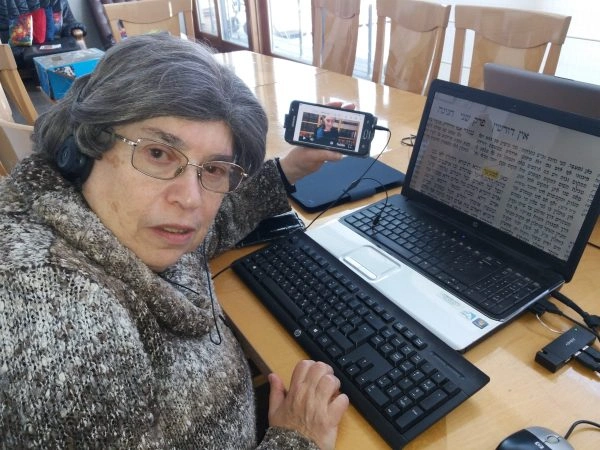
Madeline Cohen
London, United Kingdom
A friend mentioned that she was starting Daf Yomi in January 2020. I had heard of it and thought, why not? I decided to try it – go day by day and not think about the seven plus year commitment.
Fast forward today, over two years in and I can’t imagine my life without Daf Yomi. It’s part of my morning ritual. If I have a busy day ahead of me I set my alarm to get up early to finish the day’s daf

Debbie Fitzerman
Ontario, Canada
My curiosity was peaked after seeing posts about the end of the last cycle. I am always looking for opportunities to increase my Jewish literacy & I am someone that is drawn to habit and consistency. Dinnertime includes a “Guess what I learned on the daf” segment for my husband and 18 year old twins. I also love the feelings of connection with my colleagues who are also learning.

Diana Bloom
Tampa, United States
Michelle has been an inspiration for years, but I only really started this cycle after the moving and uplifting siyum in Jerusalem. It’s been an wonderful to learn and relearn the tenets of our religion and to understand how the extraordinary efforts of a band of people to preserve Judaism after the fall of the beit hamikdash is still bearing fruits today. I’m proud to be part of the chain!

Judith Weil
Raanana, Israel
My family recently made Aliyah, because we believe the next chapter in the story of the Jewish people is being written here, and we want to be a part of it. Daf Yomi, on the other hand, connects me BACK, to those who wrote earlier chapters thousands of years ago. So, I feel like I’m living in the middle of this epic story. I’m learning how it all began, and looking ahead to see where it goes!

Tina Lamm
Jerusalem, Israel
תמיד רציתי. למדתי גמרא בבית ספר בטורונטו קנדה. עליתי ארצה ולמדתי שזה לא מקובל. הופתעתי.
יצאתי לגימלאות לפני שנתיים וזה מאפשר את המחוייבות לדף יומי.
עבורי ההתמדה בלימוד מעגן אותי בקשר שלי ליהדות. אני תמיד מחפשת ותמיד. מוצאת מקור לקשר. ללימוד חדש ומחדש. קשר עם נשים לומדות מעמיק את החוויה ומשמעותית מאוד.

Vitti Kones
מיתר, ישראל
Years ago, I attended the local Siyum HaShas with my high school class. It was inspiring! Through that cycle and the next one, I studied masekhtot on my own and then did “daf yomi practice.” The amazing Hadran Siyum HaShas event firmed my resolve to “really do” Daf Yomi this time. It has become a family goal. We’ve supported each other through challenges, and now we’re at the Siyum of Seder Moed!

Elisheva Brauner
Jerusalem, Israel

Robin Zeiger
Tel Aviv, Israel
I had never heard of Daf Yomi and after reading the book, The Weight of Ink, I explored more about it. I discovered that it was only 6 months before a whole new cycle started and I was determined to give it a try. I tried to get a friend to join me on the journey but after the first few weeks they all dropped it. I haven’t missed a day of reading and of listening to the podcast.

Anne Rubin
Elkins Park, United States
I have joined the community of daf yomi learners at the start of this cycle. I have studied in different ways – by reading the page, translating the page, attending a local shiur and listening to Rabbanit Farber’s podcasts, depending on circumstances and where I was at the time. The reactions have been positive throughout – with no exception!
Silke Goldberg
Guildford, United Kingdom
I was exposed to Talmud in high school, but I was truly inspired after my daughter and I decided to attend the Women’s Siyum Shas in 2020. We knew that this was a historic moment. We were blown away, overcome with emotion at the euphoria of the revolution. Right then, I knew I would continue. My commitment deepened with the every-morning Virtual Beit Midrash on Zoom with R. Michelle.

Adina Hagege
Zichron Yaakov, Israel
A few years back, after reading Ilana Kurshan’s book, “If All The Seas Were Ink,” I began pondering the crazy, outlandish idea of beginning the Daf Yomi cycle. Beginning in December, 2019, a month before the previous cycle ended, I “auditioned” 30 different podcasts in 30 days, and ultimately chose to take the plunge with Hadran and Rabbanit Michelle. Such joy!

Cindy Dolgin
HUNTINGTON, United States
I began my Daf Yomi journey on January 5, 2020. I had never learned Talmud before. Initially it struck me as a bunch of inane and arcane details with mind bending logic. I am now smitten. Rabbanit Farber brings the page to life and I am eager to learn with her every day!

Lori Stark
Highland Park, United States
I went to day school in Toronto but really began to learn when I attended Brovenders back in the early 1980’s. Last year after talking to my sister who was learning Daf Yomi, inspired, I looked on the computer and the Hadran site came up. I have been listening to each days shiur in the morning as I work. I emphasis listening since I am not sitting with a Gamara. I listen while I work in my studio.

Rachel Rotenberg
Tekoa, Israel
It happened without intent (so am I yotzei?!) – I watched the women’s siyum live and was so moved by it that the next morning, I tuned in to Rabbanit Michelle’s shiur, and here I am, still learning every day, over 2 years later. Some days it all goes over my head, but others I grasp onto an idea or a story, and I ‘get it’ and that’s the best feeling in the world. So proud to be a Hadran learner.

Jeanne Yael Klempner
Zichron Yaakov, Israel
Chullin 108
כׇּל הַסְּרִיקִין אֲסוּרִין וּסְרִיקֵי בַיְיתּוֹס מוּתָּרִין? הָתָם, הָא אָמַר מָר בַּר רַב אָשֵׁי: אֵיזוֹרוֹ מוֹכִיחַ עָלָיו.
All the Syrian cakes are prohibited, but the Syrian cakes of Baitos are permitted? The Gemara responds: With regard to the case there, Mar, son of Rav Ashi, said: His belt is proof for him, as in those days people commonly had one belt, which was worn over the shirt. If a person had more than one shirt, then whenever he laundered one he would remove the belt and wear it over the second. If one saw a shirt being washed with its belt, he would know that the owner had only one shirt.
מַתְנִי׳ טִיפַּת חָלָב שֶׁנָּפְלָה עַל הַחֲתִיכָה, אִם יֵשׁ בָּהּ בְּנוֹתֵן טַעַם בְּאוֹתָהּ חֲתִיכָה – אָסוּר. נִיעֵר אֶת הַקְּדֵרָה, אִם יֵשׁ בָּהּ בְּנוֹתֵן טַעַם בְּאוֹתָהּ קְדֵרָה – אָסוּר.
MISHNA: In the case of a drop of milk that fell on a piece of meat, if the drop contains enough milk to impart flavor to that piece of meat, i.e., the meat is less than sixty times the size of the drop, the meat is forbidden. If one stirred the contents of the pot and the piece was submerged in the gravy before it absorbed the milk, if the drop contains enough milk to impart flavor to the contents of that entire pot, the contents of the entire pot are forbidden.
גְּמָ׳ אָמַר אַבָּיֵי: טַעְמוֹ וְלֹא מַמָּשׁוֹ בְּעָלְמָא – דְּאוֹרָיְיתָא.
GEMARA: Abaye said: The principle that the flavor of a forbidden food renders prohibited the substance in which it is absorbed, and it is not necessary for there to be actual forbidden substance, applies by Torah law in general, and not just to the prohibition of meat cooked in milk.
דְּאִי סָלְקָא דַעְתָּךְ דְּרַבָּנַן, מִבָּשָׂר בְּחָלָב מַאי טַעְמָא לָא גָּמְרִינַן? דְּחִדּוּשׁ הוּא. אִי חִדּוּשׁ הוּא, אַף עַל גַּב דְּלֵיכָּא נוֹתֵן טַעַם נָמֵי!
As, if it enters your mind that the principle applies to other prohibited foods by rabbinic law, one can claim: What is the reason that we do not learn that it applies by Torah law from the analogous case of meat cooked in milk? It must be because the prohibition of meat cooked in milk is a novelty that is not derived through logical reasoning, as each substance is separately permitted, and they are prohibited only when cooked together. No analogies can be drawn to a novelty. But if the prohibition is a novelty, then even if there is not enough milk to impart flavor, the meat and milk should also be prohibited. Since the measure of the prohibition follows the standard principles of mixtures, the prohibition itself is apparently not a novelty. One may therefore draw an analogy to other mixtures, inferring that this measure applies to them by Torah law as well.
אֲמַר לֵיהּ רָבָא: דֶּרֶךְ בִּשּׁוּל אָסְרָה תּוֹרָה.
Rava said to Abaye: This is not a valid proof. The prohibition of meat cooked in milk is in fact a novelty and differs from other prohibited mixtures. Nevertheless, its measure is the imparting of flavor only because the action the Torah prohibited is in the manner of cooking, and cooking involves the imparting of flavor.
אָמַר רַב: כֵּיוָן שֶׁנָּתַן טַעַם בַּחֲתִיכָה, חֲתִיכָה עַצְמָהּ נַעֲשֵׂית נְבֵלָה, וְאוֹסֶרֶת כׇּל הַחֲתִיכוֹת כּוּלָּן, מִפְּנֵי שֶׁהֵן מִינָהּ.
§ The mishna teaches that if the piece of meat acquires the flavor of milk, it is forbidden. Rav says: Once the milk imparts flavor to the piece of meat, the piece itself becomes non-kosher meat in its own right. And therefore, if one did not immediately remove the piece from the pot, it renders all the pieces of meat in the pot forbidden, even if they are together more than sixty times the size of that forbidden piece. This is because they are the same type as the forbidden piece, and as a rule, a substance in contact with the same type of substance cannot be nullified.
אֲמַר לֵיהּ מָר זוּטְרָא בְּרֵיהּ דְּרַב מָרִי לְרָבִינָא: מִכְּדֵי רַב כְּמַאן אָמַר לִשְׁמַעְתֵּיהּ? כְּרַבִּי יְהוּדָה, דְּאָמַר מִין בְּמִינוֹ לֹא בָּטֵיל, לֵימָא פְּלִיגָא אַדְּרָבָא?
Mar Zutra, son of Rav Mari, said to Ravina: Now consider, in accordance with whose opinion did Rav say his halakha? It is in accordance with the opinion of Rabbi Yehuda, who said that a type of food mixed with food of its own type is not nullified. If so, shall we say that Rav disagrees with Rava’s interpretation of Rabbi Yehuda’s opinion?
דְּאָמַר רָבָא: קָסָבַר רַבִּי יְהוּדָה, כׇּל שֶׁהוּא מִין וּמִינוֹ וְדָבָר אַחֵר – סַלֵּק אֶת מִינוֹ כְּמִי שֶׁאֵינוֹ, וְשֶׁאֵינוֹ מִינוֹ רָבֶה עָלָיו וּמְבַטְּלוֹ.
As Rava said: Rabbi Yehuda holds with regard to any tripartite mixture consisting of a forbidden type of food, a permitted food of the same type, and another food item that is permitted, one disregards the permitted food that is its own type as though it were not there, and if the permitted food that is not of its own type is more than the forbidden food, the permitted food nullifies the forbidden food. In the case Rav describes, although the other pieces of meat are of the same type as the piece that has become forbidden, the gravy in the pot is not of the same type, and it should nullify the forbidden piece. Since Rav does not mention this principle, he apparently disagrees with it.
אֲמַר לֵיהּ: אִי דִּנְפַל בְּרוֹטֶב רַכָּה – הָכִי נָמֵי, הָכָא בְּמַאי עָסְקִינַן – דִּנְפַל בְּרוֹטֶב עָבָה.
Ravina said to him: If the forbidden substance fell into thin gravy, Rav would concede that the gravy would indeed nullify the piece of meat, since the two substances are of different types. But here we are dealing with a case where it fell into thick gravy, which is composed of meat residue. Since the gravy is of the same substance as the meat, the forbidden piece is not nullified.
וּמַאי קָסָבַר? אִי קָסָבַר אֶפְשָׁר לְסוֹחֳטוֹ מוּתָּר, חֲתִיכָה אַמַּאי נַעֲשֵׂית נְבֵלָה? אֶלָּא קָסָבַר אֶפְשָׁר לְסוֹחֳטוֹ אָסוּר.
The Gemara returns to Rav’s statement that the piece of meat upon which the milk fell is considered a non-kosher item in its own right. And what does Rav maintain in this regard? If he maintains that an item that can be wrung to remove the forbidden substance it contains becomes permitted again after wringing, then it follows that only the absorbed substance is truly forbidden. If so, why should this piece of meat itself become non-kosher? Once it has been mixed into the stew, the milk it has absorbed should be evenly distributed throughout the pot and be nullified. Rather, Rav must maintain that even an item that can be wrung to remove the forbidden substance is forbidden.
דְּאִיתְּמַר: רַב וְרַבִּי חֲנִינָא וְרַבִּי יוֹחָנָן דְּאָמְרִי: אֶפְשָׁר לְסוֹחֳטוֹ – אָסוּר, שְׁמוּאֵל וְרַבִּי שִׁמְעוֹן בַּר רַבִּי וְרֵישׁ לָקִישׁ דְּאָמְרִי: אֶפְשָׁר לְסוֹחֳטוֹ – מוּתָּר.
The Gemara elaborates: As it was stated: Rav and Rabbi Ḥanina and Rabbi Yoḥanan say that even an item that can be wrung to remove the forbidden substance is forbidden, whereas Shmuel, and Rabbi Shimon, son of Rabbi Yehuda HaNasi, and Reish Lakish say: An item that can be wrung to remove the forbidden substance is permitted.
וְסָבַר רַב אֶפְשָׁר לְסוֹחֳטוֹ אָסוּר? וְהָאִיתְּמַר: כְּזַיִת בָּשָׂר שֶׁנָּפַל לְתוֹךְ יוֹרָה שֶׁל חָלָב, אָמַר רַב: בָּשָׂר אָסוּר וְחָלָב מוּתָּר, וְאִי סָלְקָא דַּעְתָּךְ אֶפְשָׁר לְסוֹחֳטוֹ אָסוּר,
The Gemara asks: And does Rav really maintain that an item that can be wrung to remove the forbidden substance is forbidden? But wasn’t it stated: If an olive-bulk of meat fell into a pot of milk so large that the meat did not impart flavor to it, Rav says: The meat is forbidden, as it absorbed the taste of the milk, but the milk is permitted, since it did not absorb the taste of the meat. But if it enters your mind that according to Rav an item that can be wrung is forbidden,
חָלָב אַמַּאי מוּתָּר? חָלָב נְבֵלָה הוּא!
why is the milk permitted? All the milk that the meat absorbed is rendered non-kosher milk in and of itself. When it seeps back out of the meat, it cannot be nullified by the rest of the milk, which is the same substance, as Rav holds in accordance with Rabbi Yehuda that a type of food mixed with food of its own type is not nullified. Therefore, the whole pot of milk should be prohibited.
לְעוֹלָם קָסָבַר רַב אֶפְשָׁר לְסוֹחֳטוֹ אָסוּר, וְשָׁאנֵי הָתָם דְּאָמַר קְרָא ״לֹא תְבַשֵּׁל גְּדִי בַּחֲלֵב אִמּוֹ״ – גְּדִי אָסְרָה תּוֹרָה, וְלֹא חָלָב.
The Gemara answers: Rav actually maintains that an item that can be wrung to remove the forbidden substance is prohibited, and there, the pot of milk mentioned above is different, as the verse states: “You shall not cook a kid in its mother’s milk” (Deuteronomy 14:21). The verse teaches that the Torah prohibits only the kid, i.e., the meat, that was cooked in milk, but not the milk that was cooked in meat. The milk is not itself rendered non-kosher.
וְסָבַר רַב גְּדִי אָסְרָה תּוֹרָה וְלֹא חָלָב? וְהָא אִיתְּמַר: חֲצִי זַיִת בָּשָׂר וַחֲצִי זַיִת חָלָב שֶׁבִּשְּׁלָן זֶה עִם זֶה, אָמַר רַב: לוֹקֶה עַל אֲכִילָתוֹ, וְאֵינוֹ לוֹקֶה עַל בִּשּׁוּלוֹ. וְאִי סָלְקָא דַעְתָּךְ גְּדִי אָסְרָה תּוֹרָה וְלֹא חָלָב, אַאֲכִילָה אַמַּאי לוֹקֶה? חֲצִי שִׁיעוּר הוּא!
The Gemara challenges: And does Rav really maintain that the Torah prohibits only the kid but not the milk cooked with it? But isn’t it stated: If half an olive-bulk of meat and half an olive-bulk of milk were cooked together, Rav says: One is flogged for consuming the combined olive-bulk, as he has eaten a whole olive-bulk of forbidden food. But he is not flogged for cooking the two half olive-bulks, as he did not cook items of the minimum size. And if it should enter your mind that Rav holds that the Torah prohibits only the kid but not the milk, why is this individual flogged for consuming only half an olive-bulk of meat? It is only half the prohibited measure.
אֶלָּא, לְעוֹלָם קָסָבַר רַב חָלָב נָמֵי אָסוּר, וְהָכָא בְּמַאי עָסְקִינַן? כְּגוֹן שֶׁנָּפַל לְתוֹךְ יוֹרָה רוֹתַחַת, דְּמִבְלָע בָּלַע, מִפְלָט לָא פָּלֵט.
Rather, Rav actually maintains that milk cooked in meat is also prohibited, and the reason Rav permits the pot of milk mentioned above is that here we are dealing with a case where the olive-bulk of meat fell into a boiling pot of milk. In such a case the meat absorbs milk, but it does not expel it, and therefore the prohibited milk does not mix with the rest.
סוֹף סוֹף כִּי נָיַיח, הֲדַר פָּלֵיט! כְּשֶׁקָּדַם וְסִילְּקוֹ.
The Gemara challenges: Ultimately, when the pot cools from boiling, the meat then expels the prohibited milk. The Gemara answers: It is referring to a case where he first removed the meat before the pot cooled.
גּוּפָא: חֲצִי זַיִת בָּשָׂר וַחֲצִי זַיִת חָלָב שֶׁבִּשְּׁלָן זֶה עִם זֶה, אָמַר רַב: לוֹקֶה עַל אֲכִילָתוֹ, וְאֵינוֹ לוֹקֶה עַל בִּשּׁוּלוֹ. מָה נַפְשָׁךְ? אִי מִצְטָרְפִין – אַבִּשּׁוּל נָמֵי לִילְקֵי, אִי לֹא מִצְטָרְפִין – אַאֲכִילָה נָמֵי לָא לִילְקֵי.
The Gemara turns to the matter itself mentioned above: If half an olive-bulk of meat and half an olive-bulk of milk were cooked together, Rav says: One is flogged for consuming the mixture, but he is not flogged for cooking it. The Gemara objects: Whichever way you look at it, this ruling is problematic. If these two halves of olive-bulks combine to form the requisite measure, then let him be flogged for cooking them as well. And if they do not combine, then let him not be flogged for their consumption either.
לְעוֹלָם לָא מִצְטָרְפִי, וּבְבָא מִיּוֹרָה גְּדוֹלָה.
The Gemara answers: Actually, half an olive-bulk of meat and half an olive-bulk of milk do not combine to form the requisite measure, and when Rav says that one is flogged for consuming them, he is referring to a case where they come from a large pot, in which a sizable amount of meat and cheese had been cooked. The mixture is now considered a single prohibited entity, such that half an olive-bulk of the cheese and the meat can combine to constitute the requisite measure to be held liable for consumption.
וְלֵוִי אָמַר: אַף לוֹקֶה עַל בִּשּׁוּלוֹ, וְכֵן תָּנֵי לֵוִי בְּמַתְנִיתִין: כְּשֵׁם שֶׁלּוֹקֶה עַל אֲכִילָתוֹ כָּךְ לוֹקֶה עַל בִּשּׁוּלוֹ, וּבְאֵי זֶה בִּשּׁוּל אָמְרוּ? בְּבִשּׁוּל שֶׁאֲחֵרִים אוֹכְלִין אוֹתוֹ מֵחֲמַת בִּשּׁוּלוֹ.
And Levi disagrees with Rav on this matter, and says: Half an olive-bulk of meat and half an olive-bulk of milk can combine to form the requisite measure, and therefore one is also flogged for cooking the mixture. And so Levi teaches in his collection of baraitot: Just as one is flogged for consuming it, so too he is flogged for cooking it. And for what degree of cooking did they say that one is liable to be flogged? It is for a degree of cooking that produces food that others, gentiles, would eat due to its cooking, i.e., cooking that renders it fit for consumption.
וְאֶפְשָׁר לְסוֹחֳטוֹ עַצְמוֹ – תַּנָּאֵי הִיא, דְּתַנְיָא: טִפַּת חָלָב שֶׁנָּפְלָה עַל הַחֲתִיכָה, כֵּיוָן שֶׁנָּתְנָה טַעַם בַּחֲתִיכָה – הַחֲתִיכָה עַצְמָהּ נַעֲשֵׂת נְבֵלָה, וְאוֹסֶרֶת כׇּל הַחֲתִיכוֹת כּוּלָּן מִפְּנֵי שֶׁהֵן מִינָהּ, דִּבְרֵי רַבִּי יְהוּדָה.
§ The Gemara returns to the issue previously discussed: And the case of an item that can be wrung to remove an absorbed prohibited substance is itself the subject of a dispute between tanna’im, as it is taught in a baraita: If a drop of milk fell onto a piece of meat, once it imparts flavor to the piece, the piece itself is rendered non-kosher in its own right. And it therefore renders all the other pieces of meat in the pot prohibited, even if they combine to more than sixty times its size; this is because they are of the same type, and a type of food mixed with food of its own type is not nullified. This is the statement of Rabbi Yehuda.
וַחֲכָמִים אוֹמְרִים: עַד שֶׁתִּתֵּן טַעַם בָּרוֹטֶב וּבַקֵּיפֶה וּבַחֲתִיכוֹת.
And the Rabbis say that even the original piece of meat is not prohibited unless there is enough milk to impart flavor even to the gravy and to the spices and to the other pieces of meat in the pot, since the milk is assumed to diffuse from the first piece until it is evenly distributed throughout the pot.
אָמַר רַבִּי: נִרְאִין דִּבְרֵי רַבִּי יְהוּדָה בְּשֶׁלֹּא נִיעֵר וְשֶׁלֹּא כִּסָּה, וְדִבְרֵי חֲכָמִים בְּשֶׁנִּיעֵר וְכִסָּה.
With regard to this dispute, Rabbi Yehuda HaNasi said: The statement of Rabbi Yehuda appears to be correct in a case where one did not stir the contents of the pot and where he did not cover it, both of which would promote the diffusion of the milk throughout the pot. And the statement of the Rabbis appears to be correct in a case where one stirred the contents of the pot and covered it.
מַאי ״לֹא נִיעֵר וְלֹא כִּסָּה״? אִילֵּימָא לֹא נִיעֵר כְּלָל, וְלֹא כִּסָּה כְּלָל – מִבְלָע בָּלַע, מִפְלָט לָא פָּלֵט.
The Gemara asks: What is the meaning of the clause: Where one did not stir the pot and did not cover it? If we say that he did not stir the contents of the pot at all and did not cover it at all, in this case the piece of meat onto which the milk fell absorbs the drop of milk but does not expel it. Therefore, even according to the opinion of Rabbi Yehuda there is no reason to prohibit the other pieces of meat.
וְאֶלָּא, לֹא נִיעֵר בַּתְּחִלָּה אֶלָּא בַּסּוֹף, וְלֹא כִּסָּה בַּתְּחִלָּה אֶלָּא בַּסּוֹף, אַמַּאי? הָא בָּלַע וְהָא פָּלֵט!
And if you say rather that he did not not stir the contents of the pot at the beginning, immediately after the milk fell in, but stirred at the end, afterward, and likewise he did not cover the pot at the beginning but at the end, one must ask: Why are all the pieces in the pot prohibited? The same milk that the piece absorbs it subsequently expels, and once the milk diffuses throughout the pot it should be nullified.
קָסָבַר אֶפְשָׁר לְסוֹחֳטוֹ אָסוּר.
The Gemara responds: Evidently, Rabbi Yehuda HaNasi maintains that an item that can be wrung remains prohibited. Once the first piece of meat absorbs the milk, it is considered non-kosher in its own right, and even after the milk itself is nullified, the flavor of the forbidden meat renders the rest of the pieces prohibited. The flavor of the meat cannot be nullified by the other meat in the pot, since a substance in contact with the same type of substance is not nullified, according to the opinion of Rabbi Yehuda.
Follow

