










There are various opinions among the Rishonim regarding the sugya of nat bar nat. What are the halachic ramifications? More cases regarding salting of meat are brought.
Masechet Chullin is sponsored by Judi Felber in honor of the Hadran Community. “During my first cycle of Daf Yomi, just as we began Masechet Chullin, my son was injured while serving in the IDF. Throughout those two and a half months of difficulty and uncertainty, my fellow learners never left my side. With profound gratitude to the community that held me, encouraged me, and ensured I could keep up with the Daf during those trying times.”
This month’s learning is sponsored by Adam, Carolyn, Michal, Josh, Benny, Izzy, Gali, Shim, Zoe, Zachy and Yehuda in loving memory of Judith Rosenfeld Hochstadter, Gittel bat Kreindel v’Binyamin BenZion on her second yahrzeit. “Her curiosity, humor, intellect and devout nature continues to inspire and hold us accountable. We miss her and think of her in all our pursuits, especially in our Hadran learning, where she would be glad to know that she didn’t have to boil more than 1 egg at a time!!”
Want to dedicate learning? Get started here:
English
עברית

0:00
0:00
0:00
0:00
Today’s daily daf tools:
Masechet Chullin is sponsored by Judi Felber in honor of the Hadran Community. “During my first cycle of Daf Yomi, just as we began Masechet Chullin, my son was injured while serving in the IDF. Throughout those two and a half months of difficulty and uncertainty, my fellow learners never left my side. With profound gratitude to the community that held me, encouraged me, and ensured I could keep up with the Daf during those trying times.”
This month’s learning is sponsored by Adam, Carolyn, Michal, Josh, Benny, Izzy, Gali, Shim, Zoe, Zachy and Yehuda in loving memory of Judith Rosenfeld Hochstadter, Gittel bat Kreindel v’Binyamin BenZion on her second yahrzeit. “Her curiosity, humor, intellect and devout nature continues to inspire and hold us accountable. We miss her and think of her in all our pursuits, especially in our Hadran learning, where she would be glad to know that she didn’t have to boil more than 1 egg at a time!!”
Chullin 112
דְּאַגַּב חוּרְפֵּיהּ בָּלַע, אֲבָל קִישּׁוּת – גָּרֵיר לְבֵי פְסָקֵיהּ וְאָכֵיל.
as due to its sharpness it absorbs the fat on the knife. But if one cut a cucumber with the same knife, it does not absorb the fat to the same extent. One may therefore simply scrape the place of the cut to remove any fat residue, and then one may eat the cucumber with kutaḥ.
קִילְחֵי דְּלִיפְתָּא – שְׁרֵי, דְּסִילְקָא – אֲסִירי, וְאִי פְּתַךְ בְּהוּ דְּלִיפְתָּא – שַׁפִּיר דָּמֵי.
Likewise, turnip stalks cut with such a knife are permitted for consumption with kutaḥ. But chard cut with such a knife is prohibited for consumption with kutaḥ, as it absorbs flavor from the knife. And if one alternated between cutting chard and turnip stalks it is permitted, as the turnip stalks nullify the taste of the meat in the knife.
בְּעָא מִינֵּיהּ רַב דִּימִי מֵרַב נַחְמָן: מַהוּ לְאַנּוֹחֵי כַּדָּא דְמִלְחָא גַּבֵּי כַּדָּא דְכַמְכָּא? אֲמַר לֵיהּ: אָסוּר. דְּחַלָּא מַאי? אֲמַר לֵיהּ: שְׁרֵי.
§ Rav Dimi inquired of Rav Naḥman: What is the halakha with regard to placing a jug of salt, used to salt meat, alongside a jug of kamka, i.e., kutaḥ, a milk dish? Need one be concerned lest some of the kutaḥ fall on the salt without his knowledge and ultimately contaminate his meat? Rav Naḥman said to him: It is prohibited to place the two jugs next to each other. Rav Dimi further inquired: What is the halakha with regard to a similar case involving a jug of vinegar used to season meat? Need one be concerned lest the kutaḥ fall into the vinegar? Rav Naḥman said to him: It is permitted to place these two jugs next to each other.
וּמַאי שְׁנָא לְכִי תֵּיכוּל עֲלַהּ כּוֹרָא דְמִלְחָא? מַאי טַעְמָא? הַאי – אִיתֵיהּ (איסורא) [לְאִיסּוּרָא] בְּעֵינֵיהּ, וְהַאי – לֵיתֵיהּ (איסורא) [לְאִיסּוּרָא] בְּעֵינֵיהּ.
Rav Dimi asked: And what is different about the vinegar? Rav Naḥman responded: When you have thought about it long enough to eat a kor of salt, you will know the reason. The Gemara clarifies: What is the reason then? In this case of the salt, the prohibited substance is substantive, as the traces of kutaḥ are discernible and not nullified by the salt. But in that case of the vinegar, the prohibited substance is not substantive, since the kutaḥ melts away in the vinegar and will no longer impart flavor.
הָהוּא בַּר גּוֹזָלָא דִּנְפַל לְכַדָּא דְּכַמְכָּא, שַׁרְיֵיהּ רַב חִינָּנָא בְּרֵיהּ דְּרָבָא מִפַּשְׁרוּנְיָא. אָמַר רָבָא: מַאן חַכִּים לְמִישְׁרֵי כִּי הַאי גַוְונָא, אִי לָאו רַב חִינָּנָא בְּרֵיהּ דְּרָבָא מִפַּשְׁרוּנְיָא? קָסָבַר: כִּי אָמַר שְׁמוּאֵל ״מָלִיחַ הֲרֵי הוּא כְּרוֹתֵחַ״, הָנֵי מִילֵּי הֵיכָא דְּאֵינוֹ נֶאֱכָל מֵחֲמַת מִלְחוֹ, אֲבָל הַאי כּוּתָּחָא הֲרֵי נֶאֱכָל מֵחֲמַת מִלְחוֹ.
The Gemara relates: There was a certain young bird that fell into a jug of kamka, i.e., kutaḥ. Rav Ḥinnana, son of Rava of the city of Pashronya, permitted the bird. Rava said about this: Who is wise enough to discern reasons to permit the food in difficult cases like this, if not Rav Ḥinnana, son of Rava of Pashronya? He maintains that when Shmuel said that a salted food imparts flavor like a boiling food, that statement applies only to a food so salty that it is not eaten due to its salt, but this kutaḥ can still be eaten due to, i.e., despite, its salt. Therefore, it is as if both foods are cold and unsalted, and they do not impart flavor to one another, provided one rinses the area of contact.
וְהָנֵי מִילֵּי חַי, אֲבָל צָלִי – בָּעֵי קְלִיפָה, וְאִי אִית בֵּיהּ פִּילֵי – כּוּלֵּיהּ אָסוּר, וְאִי מְתַבַּל בְּתַבְלִין – כּוּלֵּיהּ אָסוּר.
The Gemara adds: And this statement applies only if the bird is raw, but if it is roasted, it requires peeling to remove the outer layer, since roasting softens the meat and causes it to absorb more flavor. And if it has cracks [pilei], it is entirely forbidden, because the milk is absorbed into the cracks. And if it has been flavored with spices it is likewise entirely forbidden, because the spices soften the meat and render it absorbent.
אָמַר רַב נַחְמָן, אָמַר שְׁמוּאֵל: כִּכָּר שֶׁחָתַךְ עָלֶיהָ בָּשָׂר – אָסוּר לְאׇכְלָהּ, וְהָנֵי מִילֵּי דְּאַסְמֵיק, וְהָנֵי מִילֵּי דְּאַבְרְיֵהּ, וְהָנֵי מִילֵּי דְּאַסְמְכֵיהּ, אֲבָל קְלִישְׁתָּא – לֵית לַן בַּהּ.
Rav Naḥman said that Shmuel says: It is prohibited to eat a loaf of bread upon which one cut unsalted roasted meat, since the blood expelled from the roasted meat is absorbed in the loaf. The Gemara adds: And this statement applies only if the meat is ruddy from the blood it contains. And furthermore, this statement applies only if so much blood was absorbed in the loaf that it passed through from one side of the loaf to the other and was visible from both sides. And furthermore, this statement applies only if the liquid emitted by the roasted meat is viscous. But if it is runny, we have no problem with it, i.e., the loaf is permitted.
שְׁמוּאֵל שָׁדֵי לֵיהּ לְכַלְבֵּיהּ, רַב הוּנָא יָהֵיב לֵיהּ לְשַׁמָּעֵיהּ. מָה נַפְשָׁךְ? אִי שְׁרֵי – לְכוּלֵּי עָלְמָא שְׁרֵי, אִי אֲסִיר – לְכוּלֵּי עָלְמָא אֲסִיר! שָׁאנֵי רַב הוּנָא דַּאֲנִינָא דַּעְתֵּיהּ. רָבָא אָכֵיל לֵיהּ, וְקָרֵי לֵיהּ ״חֲמַר בָּשָׂר״.
The Gemara relates: Shmuel would throw to his dog such a loaf of bread that he held was prohibited. Rav Huna would not eat the loaf himself but would rather give it to his attendant. The Gemara objects: Whichever way you look at it, Rav Huna’s behavior is problematic: If the loaf is permitted, it is permitted for everyone, including Rav Huna himself. And if it is prohibited, then it is prohibited for everyone, and he should not give it to his attendant. The Gemara explains: In fact, the loaf is permitted for consumption, and Rav Huna is different, as he is of delicate constitution and did not want to eat the loaf himself. The Gemara further relates: Rava would eat a loaf of this type, and he would call the red liquid meat wine.
אָמַר רַב נַחְמָן, אָמַר שְׁמוּאֵל: אֵין מַנִּיחִין כְּלִי תַּחַת בָּשָׂר עַד שֶׁיִּכְלֶה כׇּל מַרְאֵה אַדְמוּמִית שֶׁבּוֹ. מְנָא יָדְעִינַן? מָר זוּטְרָא מִשְּׁמֵיהּ דְּרַב פָּפָּא אָמַר: מִשֶּׁתַּעֲלֶה תִּימְרָתוֹ.
Rav Naḥman says that Shmuel says: One may not place a vessel under roasting meat to catch the drippings of fat until all the ruddiness of the meat’s appearance has dissipated. Beforehand, though, one must be concerned that blood will fall with the drippings into the vessel, rendering the mixture and the vessel prohibited. The Gemara asks: How do we know when all the meat’s redness has disappeared? Mar Zutra said in the name of Rav Pappa: As soon as its smoke rises, one can be sure that all the blood has been expelled from the meat.
מַתְקֵיף לַהּ רַב אָשֵׁי: וְדִלְמָא תַּתָּאָה מְטָא, עִילָּאָה לָא מְטָא? אֶלָּא אָמַר רַב אָשֵׁי: לֵית לֵיהּ תַּקַּנְתָּא, אֶלָּא מִשְׁדֵּא בֵּיהּ תַּרְתֵּי גַּלְלֵי מִלְחָא,
Rav Ashi objects to this: But perhaps the underside of the meat, which is closest to the coals, has been fully roasted, but its upper part is still not roasted and still expels blood at this stage. Rather, Rav Ashi said: One who wishes to collect the drippings has no remedy except to place two lumps of salt in it, i.e., one in the receptacle under the meat and one on top, in the meat itself.
וּמִשְׁפְּיֵיהּ.
Doing this will allow the blood dripping from the meat to stick to the salt on the sides of the vessel, while the fat will float to the top. And when emptying the receptacle, he should tilt it gently to pour the fat into another vessel without it mixing with the blood.
אֲמַר לֵיהּ רַב אַחָא בְּרֵיהּ דְּרַב אִיקָא לְרַב אָשֵׁי: וּמִי אָמַר שְׁמוּאֵל הָכִי? וְהָאָמַר שְׁמוּאֵל: כִּכָּר שֶׁחָתַךְ עָלֶיהָ בָּשָׂר אָסוּר לְאׇכְלָהּ! שָׁאנֵי הָתָם, דְּאַגַּב דּוּחְקָא דְסַכִּינָא פָּלֵיט.
Rav Aḥa, son of Rav Ika, said to Rav Ashi: And did Shmuel really say this, that once the meat’s ruddiness has dissipated it is permitted to place a receptacle underneath it? But didn’t Shmuel say: It is prohibited to eat a loaf of bread upon which one cut roasted meat? Apparently he holds that meat contains blood even after it has finished roasting. Rav Ashi replied: Shmuel holds that the meat no longer emits blood after its ruddiness has dissipated. And as for his ruling with regard to a loaf of bread, it is different there, as due to the pressure of the knife the meat expels more blood.
אָמַר רַב נַחְמָן: דָּגִים וְעוֹפוֹת שֶׁמְּלָחָן זֶה עִם זֶה – אֲסוּרִין. הֵיכִי דָמֵי? אִי בִּכְלִי שֶׁאֵינוֹ מְנוּקָּב – אֲפִילּוּ עוֹפוֹת וְעוֹפוֹת נָמֵי אֲסִירִי, אִי בִּכְלִי מְנוּקָּב – אֲפִילּוּ דָּגִים וְעוֹפוֹת נָמֵי שְׁרֵי.
§ Rav Naḥman says: If one salted fish and birds together, the fish are prohibited for consumption due to the blood they absorb from the birds. The Gemara asks: What are the circumstances of this ruling? If they were placed in an unperforated vessel, in which the blood emitted by the birds will pool, then even if one salted a bird and another bird together they should be prohibited, as the blood expelled from one bird will be absorbed by the other. And if the case involves a perforated vessel, out of which the blood can flow, then even if fish are salted with birds the fish should be permitted.
לְעוֹלָם בִּכְלִי מְנוּקָּב, וְדָגִים מִשּׁוּם דִּרְפוּ קְרָמַיְיהוּ קָדְמִי וּפָלְטִי, וְעוֹפוֹת קְמִיטִי, בָּתַר דְּנָיְחִי דָּגִים פָּלְיטִי עוֹפוֹת, וַהֲדַר בָּלְעִי מִינֵּיהּ.
The Gemara answers: Actually, the ruling is referring to a perforated vessel. And the fish are prohibited because their skin is soft, and therefore when they are salted they expel their blood first, whereas the skin of birds is hard. After the fish finish expelling their blood, the birds continue to expel their blood, and then the fish absorb blood from them. If one salts two birds together, they expel their blood simultaneously, and neither will absorb blood from outside while expelling its own.
רַב מָרִי בַּר רָחֵל אִימְּלַח לֵיהּ בְּשַׂר שְׁחוּטָה בַּהֲדֵי בְּשַׂר טְרֵפָה, אֲתָא לְקַמֵּיהּ דְּרָבָא.
The Gemara relates: Meat of a slaughtered animal was salted for Rav Mari bar Raḥel together with prohibited meat of an animal that had a wound that would have caused it to die within twelve months [tereifa], in a perforated vessel, as meat is generally salted. He came before Rava to ask whether the kosher meat was prohibited, as perhaps it would not have absorbed flavor from the non-kosher meat while itself expelling blood.
אֲמַר לֵיהּ: ״הַטְּמֵאִים״ – לֶאֱסוֹר צִירָן, וְרוֹטְבָן, וְקֵיפֶה שֶׁלָּהֶן.
Rava said to him: When the verse states, with regard to forbidden foods: “These are the unclean to you” (Leviticus 11:31), the added definite article serves to prohibit not only their flesh but also their juice emitted by salting, and their gravy, and their spices with which they are cooked. Even while the kosher meat is emitting its blood, it still absorbs the juices of the non-kosher meat, which are absorbed more easily than blood.
Follow

Today’s daily daf tools:
Delve Deeper
Broaden your understanding of the topics on this daf with classes and podcasts from top women Talmud scholars.


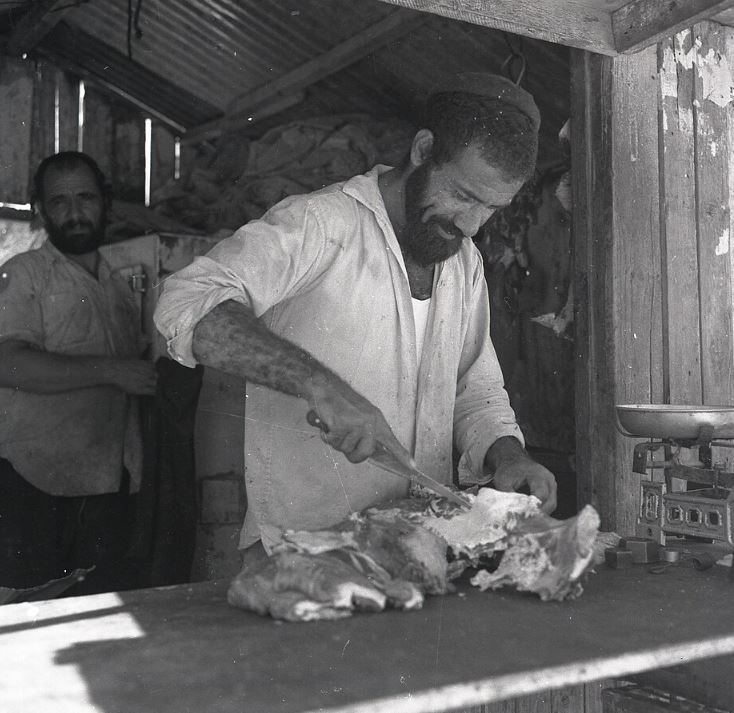
Hullin 82: Who’s Tracking the Animals and Their Offspring?
July 22, 2026 | ח׳ באב תשפ״ו

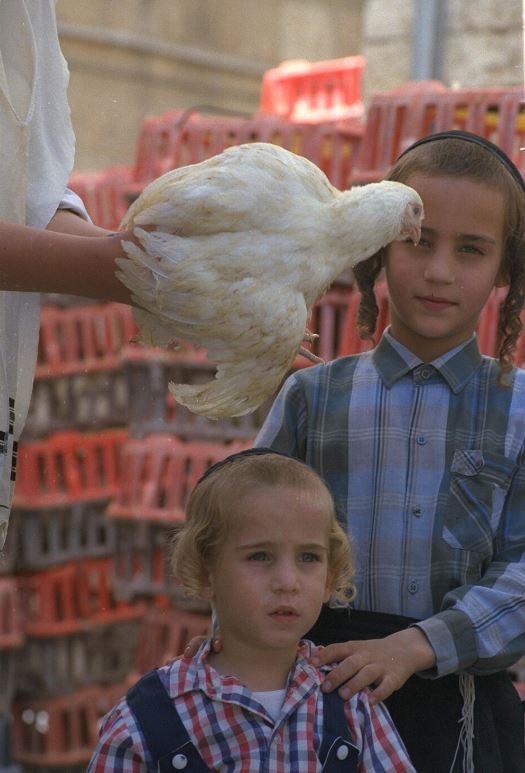
Hullin 76: Doh! Even the Sages Realize What They Could Have Said Better
July 16, 2026 | ב׳ באב תשפ״ו

Hullin 73: Impurity without Shechitah – Hypothetically Hypothetical Cases
July 12, 2026 | כ״ז בתמוז תשפ״ו
New to Talmud?
Check out our resources designed to help you navigate a page of Talmud – and study at the pace, level and style that fits you.
The Hadran Women’s Tapestry
Meet the diverse women learning Gemara at Hadran and hear their stories.
As Jewish educator and as a woman, I’m mindful that Talmud has been kept from women for many centuries. Now that we are privileged to learn, and learning is so accessible, it’s my intent to complete Daf Yomi. I am so excited to keep learning with my Hadran community.
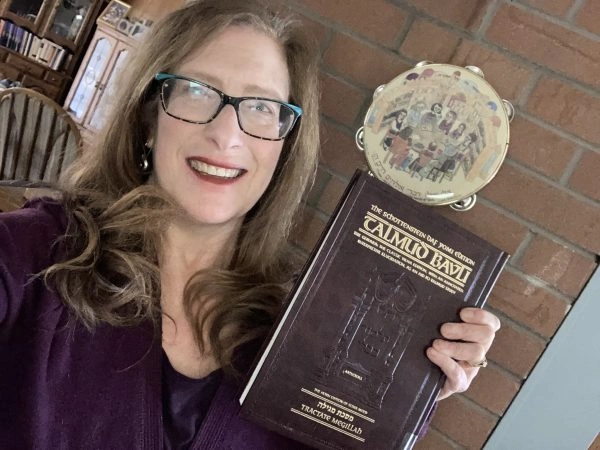
Sue Parker Gerson
Denver, United States
I started learning daf yomi at the beginning of this cycle. As the pandemic evolved, it’s been so helpful to me to have this discipline every morning to listen to the daf podcast after I’ve read the daf; learning about the relationships between the rabbis and the ways they were constructing our Jewish religion after the destruction of the Temple. I’m grateful to be on this journey!

Mona Fishbane
Teaneck NJ, United States
My husband learns Daf, my son learns Daf, my son-in-law learns Daf.
When I read about Hadran’s Siyyum HaShas 2 years ago, I thought- I can learn Daf too!
I had learned Gemara in Hillel HS in NJ, & I remembered loving it.
Rabbanit Michelle & Hadran have opened my eyes & expanding my learning so much in the past few years. We can now discuss Gemara as a family.
This was a life saver during Covid

Renee Braha
Brooklyn, NY, United States
I started learning daf in January, 2020, being inspired by watching the Siyyum Hashas in Binyanei Haumah. I wasn’t sure I would be able to keep up with the task. When I went to school, Gemara was not an option. Fast forward to March, 2022, and each day starts with the daf. The challenge is now learning the intricacies of delving into the actual learning. Hadran community, thank you!

Rochel Cheifetz
Riverdale, NY, United States
I started to listen to Michelle’s podcasts four years ago. The minute I started I was hooked. I’m so excited to learn the entire Talmud, and think I will continue always. I chose the quote “while a woman is engaged in conversation she also holds the spindle”. (Megillah 14b). It reminds me of all of the amazing women I learn with every day who multi-task, think ahead and accomplish so much.

Julie Mendelsohn
Zichron Yakov, Israel
I started learning at the start of this cycle, and quickly fell in love. It has become such an important part of my day, enriching every part of my life.

Naomi Niederhoffer
Toronto, Canada
I began daf yomi in January 2020 with Brachot. I had made aliya 6 months before, and one of my post-aliya goals was to complete a full cycle. As a life-long Tanach teacher, I wanted to swim from one side of the Yam shel Torah to the other. Daf yomi was also my sanity through COVID. It was the way to marking the progression of time, and feel that I could grow and accomplish while time stopped.

Leah Herzog
Givat Zev, Israel
I started with Ze Kollel in Berlin, directed by Jeremy Borowitz for Hillel Deutschland. We read Masechet Megillah chapter 4 and each participant wrote his commentary on a Sugia that particularly impressed him. I wrote six poems about different Sugiot!
Fascinated by the discussions on Talmud I continued to learn with Rabanit Michelle Farber and am currently taking part in the Tikun Olam course.

Yael Merlini
Berlin, Germany
I decided to learn one masechet, Brachot, but quickly fell in love and never stopped! It has been great, everyone is always asking how it’s going and chering me on, and my students are always making sure I did the day’s daf.
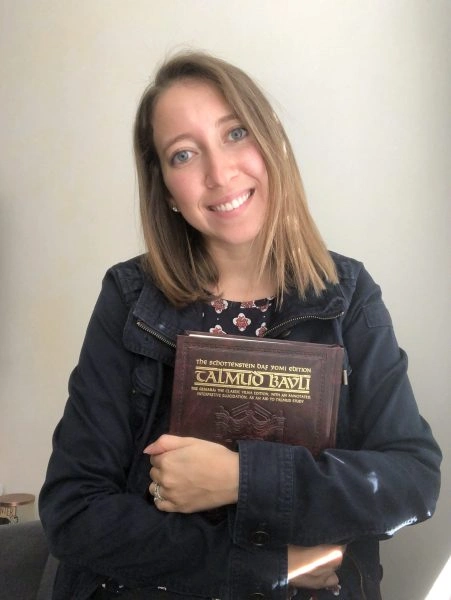
Yafit Fishbach
Memphis, Tennessee, United States
It has been a pleasure keeping pace with this wonderful and scholarly group of women.

Janice Block
Beit Shemesh, Israel
I attended the Siyum so that I could tell my granddaughter that I had been there. Then I decided to listen on Spotify and after the siyum of Brachot, Covid and zoom began. It gave structure to my day. I learn with people from all over the world who are now my friends – yet most of us have never met. I can’t imagine life without it. Thank you Rabbanit Michelle.
Emma Rinberg
Raanana, Israel
I am grateful for the structure of the Daf Yomi. When I am freer to learn to my heart’s content, I learn other passages in addition. But even in times of difficulty, I always know that I can rely on the structure and social support of Daf Yomi learners all over the world.
I am also grateful for this forum. It is very helpful to learn with a group of enthusiastic and committed women.

Janice Block
Beit Shemesh, Israel
At almost 70 I am just beginning my journey with Talmud and Hadran. I began not late, but right when I was called to learn. It is never too late to begin! The understanding patience of staff and participants with more experience and knowledge has been fabulous. The joy of learning never stops and for me. It is a new life, a new light, a new depth of love of The Holy One, Blessed be He.

Deborah Hoffman-Wade
Richmond, CA, United States
I started learning Talmud with R’ Haramati in Yeshivah of Flatbush. But after a respite of 60 years, Rabbanit Michelle lit my fire – after attending the last three world siyumim in Miami Beach, Meadowlands and Boca Raton, and now that I’m retired, I decided – “I can do this!” It has been an incredible journey so far, and I look forward to learning Daf everyday – Mazal Tov to everyone!

Roslyn Jaffe
Florida, United States
My curiosity was peaked after seeing posts about the end of the last cycle. I am always looking for opportunities to increase my Jewish literacy & I am someone that is drawn to habit and consistency. Dinnertime includes a “Guess what I learned on the daf” segment for my husband and 18 year old twins. I also love the feelings of connection with my colleagues who are also learning.

Diana Bloom
Tampa, United States
In early January of 2020, I learned about Siyyum HaShas and Daf Yomi via Tablet Magazine’s brief daily podcast about the Daf. I found it compelling and fascinating. Soon I discovered Hadran; since then I have learned the Daf daily with Rabbanit Michelle Cohen Farber. The Daf has permeated my every hour, and has transformed and magnified my place within the Jewish Universe.

Lisa Berkelhammer
San Francisco, CA , United States
Hearing and reading about the siyumim at the completion of the 13 th cycle Daf Yomi asked our shul rabbi about starting the Daf – he directed me to another shiur in town he thought would allow a woman to join, and so I did! Love seeing the sources for the Divrei Torah I’ve been hearing for the past decades of living an observant life and raising 5 children .

Jill Felder
Pittsburgh, Pennsylvania, United States
I heard about the syium in January 2020 & I was excited to start learning then the pandemic started. Learning Daf became something to focus on but also something stressful. As the world changed around me & my family I had to adjust my expectations for myself & the world. Daf Yomi & the Hadran podcast has been something I look forward to every day. It gives me a moment of centering & Judaism daily.

Talia Haykin
Denver, United States
I began my Daf Yomi journey on January 5, 2020. I had never learned Talmud before. Initially it struck me as a bunch of inane and arcane details with mind bending logic. I am now smitten. Rabbanit Farber brings the page to life and I am eager to learn with her every day!

Lori Stark
Highland Park, United States
I learned daf more off than on 40 years ago. At the beginning of the current cycle, I decided to commit to learning daf regularly. Having Rabanit Michelle available as a learning partner has been amazing. Sometimes I learn with Hadran, sometimes with my husband, and sometimes on my own. It’s been fun to be part of an extended learning community.

Miriam Pollack
Honolulu, Hawaii, United States
Chullin 112
דְּאַגַּב חוּרְפֵּיהּ בָּלַע, אֲבָל קִישּׁוּת – גָּרֵיר לְבֵי פְסָקֵיהּ וְאָכֵיל.
as due to its sharpness it absorbs the fat on the knife. But if one cut a cucumber with the same knife, it does not absorb the fat to the same extent. One may therefore simply scrape the place of the cut to remove any fat residue, and then one may eat the cucumber with kutaḥ.
קִילְחֵי דְּלִיפְתָּא – שְׁרֵי, דְּסִילְקָא – אֲסִירי, וְאִי פְּתַךְ בְּהוּ דְּלִיפְתָּא – שַׁפִּיר דָּמֵי.
Likewise, turnip stalks cut with such a knife are permitted for consumption with kutaḥ. But chard cut with such a knife is prohibited for consumption with kutaḥ, as it absorbs flavor from the knife. And if one alternated between cutting chard and turnip stalks it is permitted, as the turnip stalks nullify the taste of the meat in the knife.
בְּעָא מִינֵּיהּ רַב דִּימִי מֵרַב נַחְמָן: מַהוּ לְאַנּוֹחֵי כַּדָּא דְמִלְחָא גַּבֵּי כַּדָּא דְכַמְכָּא? אֲמַר לֵיהּ: אָסוּר. דְּחַלָּא מַאי? אֲמַר לֵיהּ: שְׁרֵי.
§ Rav Dimi inquired of Rav Naḥman: What is the halakha with regard to placing a jug of salt, used to salt meat, alongside a jug of kamka, i.e., kutaḥ, a milk dish? Need one be concerned lest some of the kutaḥ fall on the salt without his knowledge and ultimately contaminate his meat? Rav Naḥman said to him: It is prohibited to place the two jugs next to each other. Rav Dimi further inquired: What is the halakha with regard to a similar case involving a jug of vinegar used to season meat? Need one be concerned lest the kutaḥ fall into the vinegar? Rav Naḥman said to him: It is permitted to place these two jugs next to each other.
וּמַאי שְׁנָא לְכִי תֵּיכוּל עֲלַהּ כּוֹרָא דְמִלְחָא? מַאי טַעְמָא? הַאי – אִיתֵיהּ (איסורא) [לְאִיסּוּרָא] בְּעֵינֵיהּ, וְהַאי – לֵיתֵיהּ (איסורא) [לְאִיסּוּרָא] בְּעֵינֵיהּ.
Rav Dimi asked: And what is different about the vinegar? Rav Naḥman responded: When you have thought about it long enough to eat a kor of salt, you will know the reason. The Gemara clarifies: What is the reason then? In this case of the salt, the prohibited substance is substantive, as the traces of kutaḥ are discernible and not nullified by the salt. But in that case of the vinegar, the prohibited substance is not substantive, since the kutaḥ melts away in the vinegar and will no longer impart flavor.
הָהוּא בַּר גּוֹזָלָא דִּנְפַל לְכַדָּא דְּכַמְכָּא, שַׁרְיֵיהּ רַב חִינָּנָא בְּרֵיהּ דְּרָבָא מִפַּשְׁרוּנְיָא. אָמַר רָבָא: מַאן חַכִּים לְמִישְׁרֵי כִּי הַאי גַוְונָא, אִי לָאו רַב חִינָּנָא בְּרֵיהּ דְּרָבָא מִפַּשְׁרוּנְיָא? קָסָבַר: כִּי אָמַר שְׁמוּאֵל ״מָלִיחַ הֲרֵי הוּא כְּרוֹתֵחַ״, הָנֵי מִילֵּי הֵיכָא דְּאֵינוֹ נֶאֱכָל מֵחֲמַת מִלְחוֹ, אֲבָל הַאי כּוּתָּחָא הֲרֵי נֶאֱכָל מֵחֲמַת מִלְחוֹ.
The Gemara relates: There was a certain young bird that fell into a jug of kamka, i.e., kutaḥ. Rav Ḥinnana, son of Rava of the city of Pashronya, permitted the bird. Rava said about this: Who is wise enough to discern reasons to permit the food in difficult cases like this, if not Rav Ḥinnana, son of Rava of Pashronya? He maintains that when Shmuel said that a salted food imparts flavor like a boiling food, that statement applies only to a food so salty that it is not eaten due to its salt, but this kutaḥ can still be eaten due to, i.e., despite, its salt. Therefore, it is as if both foods are cold and unsalted, and they do not impart flavor to one another, provided one rinses the area of contact.
וְהָנֵי מִילֵּי חַי, אֲבָל צָלִי – בָּעֵי קְלִיפָה, וְאִי אִית בֵּיהּ פִּילֵי – כּוּלֵּיהּ אָסוּר, וְאִי מְתַבַּל בְּתַבְלִין – כּוּלֵּיהּ אָסוּר.
The Gemara adds: And this statement applies only if the bird is raw, but if it is roasted, it requires peeling to remove the outer layer, since roasting softens the meat and causes it to absorb more flavor. And if it has cracks [pilei], it is entirely forbidden, because the milk is absorbed into the cracks. And if it has been flavored with spices it is likewise entirely forbidden, because the spices soften the meat and render it absorbent.
אָמַר רַב נַחְמָן, אָמַר שְׁמוּאֵל: כִּכָּר שֶׁחָתַךְ עָלֶיהָ בָּשָׂר – אָסוּר לְאׇכְלָהּ, וְהָנֵי מִילֵּי דְּאַסְמֵיק, וְהָנֵי מִילֵּי דְּאַבְרְיֵהּ, וְהָנֵי מִילֵּי דְּאַסְמְכֵיהּ, אֲבָל קְלִישְׁתָּא – לֵית לַן בַּהּ.
Rav Naḥman said that Shmuel says: It is prohibited to eat a loaf of bread upon which one cut unsalted roasted meat, since the blood expelled from the roasted meat is absorbed in the loaf. The Gemara adds: And this statement applies only if the meat is ruddy from the blood it contains. And furthermore, this statement applies only if so much blood was absorbed in the loaf that it passed through from one side of the loaf to the other and was visible from both sides. And furthermore, this statement applies only if the liquid emitted by the roasted meat is viscous. But if it is runny, we have no problem with it, i.e., the loaf is permitted.
שְׁמוּאֵל שָׁדֵי לֵיהּ לְכַלְבֵּיהּ, רַב הוּנָא יָהֵיב לֵיהּ לְשַׁמָּעֵיהּ. מָה נַפְשָׁךְ? אִי שְׁרֵי – לְכוּלֵּי עָלְמָא שְׁרֵי, אִי אֲסִיר – לְכוּלֵּי עָלְמָא אֲסִיר! שָׁאנֵי רַב הוּנָא דַּאֲנִינָא דַּעְתֵּיהּ. רָבָא אָכֵיל לֵיהּ, וְקָרֵי לֵיהּ ״חֲמַר בָּשָׂר״.
The Gemara relates: Shmuel would throw to his dog such a loaf of bread that he held was prohibited. Rav Huna would not eat the loaf himself but would rather give it to his attendant. The Gemara objects: Whichever way you look at it, Rav Huna’s behavior is problematic: If the loaf is permitted, it is permitted for everyone, including Rav Huna himself. And if it is prohibited, then it is prohibited for everyone, and he should not give it to his attendant. The Gemara explains: In fact, the loaf is permitted for consumption, and Rav Huna is different, as he is of delicate constitution and did not want to eat the loaf himself. The Gemara further relates: Rava would eat a loaf of this type, and he would call the red liquid meat wine.
אָמַר רַב נַחְמָן, אָמַר שְׁמוּאֵל: אֵין מַנִּיחִין כְּלִי תַּחַת בָּשָׂר עַד שֶׁיִּכְלֶה כׇּל מַרְאֵה אַדְמוּמִית שֶׁבּוֹ. מְנָא יָדְעִינַן? מָר זוּטְרָא מִשְּׁמֵיהּ דְּרַב פָּפָּא אָמַר: מִשֶּׁתַּעֲלֶה תִּימְרָתוֹ.
Rav Naḥman says that Shmuel says: One may not place a vessel under roasting meat to catch the drippings of fat until all the ruddiness of the meat’s appearance has dissipated. Beforehand, though, one must be concerned that blood will fall with the drippings into the vessel, rendering the mixture and the vessel prohibited. The Gemara asks: How do we know when all the meat’s redness has disappeared? Mar Zutra said in the name of Rav Pappa: As soon as its smoke rises, one can be sure that all the blood has been expelled from the meat.
מַתְקֵיף לַהּ רַב אָשֵׁי: וְדִלְמָא תַּתָּאָה מְטָא, עִילָּאָה לָא מְטָא? אֶלָּא אָמַר רַב אָשֵׁי: לֵית לֵיהּ תַּקַּנְתָּא, אֶלָּא מִשְׁדֵּא בֵּיהּ תַּרְתֵּי גַּלְלֵי מִלְחָא,
Rav Ashi objects to this: But perhaps the underside of the meat, which is closest to the coals, has been fully roasted, but its upper part is still not roasted and still expels blood at this stage. Rather, Rav Ashi said: One who wishes to collect the drippings has no remedy except to place two lumps of salt in it, i.e., one in the receptacle under the meat and one on top, in the meat itself.
וּמִשְׁפְּיֵיהּ.
Doing this will allow the blood dripping from the meat to stick to the salt on the sides of the vessel, while the fat will float to the top. And when emptying the receptacle, he should tilt it gently to pour the fat into another vessel without it mixing with the blood.
אֲמַר לֵיהּ רַב אַחָא בְּרֵיהּ דְּרַב אִיקָא לְרַב אָשֵׁי: וּמִי אָמַר שְׁמוּאֵל הָכִי? וְהָאָמַר שְׁמוּאֵל: כִּכָּר שֶׁחָתַךְ עָלֶיהָ בָּשָׂר אָסוּר לְאׇכְלָהּ! שָׁאנֵי הָתָם, דְּאַגַּב דּוּחְקָא דְסַכִּינָא פָּלֵיט.
Rav Aḥa, son of Rav Ika, said to Rav Ashi: And did Shmuel really say this, that once the meat’s ruddiness has dissipated it is permitted to place a receptacle underneath it? But didn’t Shmuel say: It is prohibited to eat a loaf of bread upon which one cut roasted meat? Apparently he holds that meat contains blood even after it has finished roasting. Rav Ashi replied: Shmuel holds that the meat no longer emits blood after its ruddiness has dissipated. And as for his ruling with regard to a loaf of bread, it is different there, as due to the pressure of the knife the meat expels more blood.
אָמַר רַב נַחְמָן: דָּגִים וְעוֹפוֹת שֶׁמְּלָחָן זֶה עִם זֶה – אֲסוּרִין. הֵיכִי דָמֵי? אִי בִּכְלִי שֶׁאֵינוֹ מְנוּקָּב – אֲפִילּוּ עוֹפוֹת וְעוֹפוֹת נָמֵי אֲסִירִי, אִי בִּכְלִי מְנוּקָּב – אֲפִילּוּ דָּגִים וְעוֹפוֹת נָמֵי שְׁרֵי.
§ Rav Naḥman says: If one salted fish and birds together, the fish are prohibited for consumption due to the blood they absorb from the birds. The Gemara asks: What are the circumstances of this ruling? If they were placed in an unperforated vessel, in which the blood emitted by the birds will pool, then even if one salted a bird and another bird together they should be prohibited, as the blood expelled from one bird will be absorbed by the other. And if the case involves a perforated vessel, out of which the blood can flow, then even if fish are salted with birds the fish should be permitted.
לְעוֹלָם בִּכְלִי מְנוּקָּב, וְדָגִים מִשּׁוּם דִּרְפוּ קְרָמַיְיהוּ קָדְמִי וּפָלְטִי, וְעוֹפוֹת קְמִיטִי, בָּתַר דְּנָיְחִי דָּגִים פָּלְיטִי עוֹפוֹת, וַהֲדַר בָּלְעִי מִינֵּיהּ.
The Gemara answers: Actually, the ruling is referring to a perforated vessel. And the fish are prohibited because their skin is soft, and therefore when they are salted they expel their blood first, whereas the skin of birds is hard. After the fish finish expelling their blood, the birds continue to expel their blood, and then the fish absorb blood from them. If one salts two birds together, they expel their blood simultaneously, and neither will absorb blood from outside while expelling its own.
רַב מָרִי בַּר רָחֵל אִימְּלַח לֵיהּ בְּשַׂר שְׁחוּטָה בַּהֲדֵי בְּשַׂר טְרֵפָה, אֲתָא לְקַמֵּיהּ דְּרָבָא.
The Gemara relates: Meat of a slaughtered animal was salted for Rav Mari bar Raḥel together with prohibited meat of an animal that had a wound that would have caused it to die within twelve months [tereifa], in a perforated vessel, as meat is generally salted. He came before Rava to ask whether the kosher meat was prohibited, as perhaps it would not have absorbed flavor from the non-kosher meat while itself expelling blood.
אֲמַר לֵיהּ: ״הַטְּמֵאִים״ – לֶאֱסוֹר צִירָן, וְרוֹטְבָן, וְקֵיפֶה שֶׁלָּהֶן.
Rava said to him: When the verse states, with regard to forbidden foods: “These are the unclean to you” (Leviticus 11:31), the added definite article serves to prohibit not only their flesh but also their juice emitted by salting, and their gravy, and their spices with which they are cooked. Even while the kosher meat is emitting its blood, it still absorbs the juices of the non-kosher meat, which are absorbed more easily than blood.
Follow

