










Which hides are exceptions to the rule and are treated like flesh for impurities?
Masechet Chullin is sponsored by Judi Felber in honor of the Hadran Community. “During my first cycle of Daf Yomi, just as we began Masechet Chullin, my son was injured while serving in the IDF. Throughout those two and a half months of difficulty and uncertainty, my fellow learners never left my side. With profound gratitude to the community that held me, encouraged me, and ensured I could keep up with the Daf during those trying times.”
This month’s learning is sponsored by Adam, Carolyn, Michal, Josh, Benny, Izzy, Gali, Shim, Zoe, Zachy and Yehuda in loving memory of Judith Rosenfeld Hochstadter, Gittel bat Kreindel v’Binyamin BenZion on her second yahrzeit. “Her curiosity, humor, intellect and devout nature continues to inspire and hold us accountable. We miss her and think of her in all our pursuits, especially in our Hadran learning, where she would be glad to know that she didn’t have to boil more than 1 egg at a time!!”
Want to dedicate learning? Get started here:
English
עברית

0:00
0:00
0:00
0:00
Today’s daily daf tools:
Masechet Chullin is sponsored by Judi Felber in honor of the Hadran Community. “During my first cycle of Daf Yomi, just as we began Masechet Chullin, my son was injured while serving in the IDF. Throughout those two and a half months of difficulty and uncertainty, my fellow learners never left my side. With profound gratitude to the community that held me, encouraged me, and ensured I could keep up with the Daf during those trying times.”
This month’s learning is sponsored by Adam, Carolyn, Michal, Josh, Benny, Izzy, Gali, Shim, Zoe, Zachy and Yehuda in loving memory of Judith Rosenfeld Hochstadter, Gittel bat Kreindel v’Binyamin BenZion on her second yahrzeit. “Her curiosity, humor, intellect and devout nature continues to inspire and hold us accountable. We miss her and think of her in all our pursuits, especially in our Hadran learning, where she would be glad to know that she didn’t have to boil more than 1 egg at a time!!”
Chullin 122
אַלִּיבָּא דְּמַאן?
The Gemara asks: In accordance with whose opinion is the statement of Rav Huna? It is taught in the mishna (124a) that in a case where the hide of an unslaughtered carcass was attached to two half olive-bulks of flesh, Rabbi Yishmael says that the hide imparts the impurity of an unslaughtered carcass by means of carrying but not by means of contact with the flesh, because one touches them separately whereas one carries them together. Rabbi Akiva says: One contracts impurity neither by means of contact with the hide nor by means of carrying it.
אִי אַלִּיבָּא דְּרַבִּי יִשְׁמָעֵאל – הָאָמַר לֹא מְבַטֵּל עוֹר. וְאִי אַלִּיבָּא דְרַבִּי עֲקִיבָא – פְּשִׁיטָא, הָאָמַר מְבַטֵּל עוֹר.
If one maintains that Rav Huna’s statement is in accordance with the opinion of Rabbi Yishmael, didn’t Rabbi Yishmael say that the hide does not nullify the attached flesh and therefore the one who carries it becomes impure with the impurity of a carcass? And if one maintains that Rav Huna’s statement is in accordance with the opinion of Rabbi Akiva, then it is obvious, as didn’t Rabbi Akiva say that the hide nullifies the flesh and therefore one who carries it does not become impure?
לְעוֹלָם אַלִּיבָּא דְּרַבִּי יִשְׁמָעֵאל, וְכִי אָמַר רַבִּי יִשְׁמָעֵאל לֹא מְבַטֵּל עוֹר – הָנֵי מִילֵּי שֶׁפְּלָטַתּוּ חָיָה, אֲבָל פְּלָטַתּוּ סַכִּין – בָּטֵיל.
The Gemara answers: Actually, the statement of Rav Huna is in accordance with the opinion of Rabbi Yishmael. And when Rabbi Yishmael said that the hide does not nullify the flesh, that statement applies to a case where an animal severed the hide. But in a case where a person used a knife to flay the hide, the hide nullifies the attached flesh.
תָּא שְׁמַע, רַבִּי יְהוּדָה אוֹמֵר: הָאָלָל הַמְכוּנָּס, אִם יֵשׁ כְּזַיִת בְּמָקוֹם אֶחָד – חַיָּיבִין עָלָיו, וְאָמַר רַב הוּנָא: וְהוּא שֶׁכִּנְּסוֹ.
The Gemara suggests: Come and hear a refutation to this explanation of the statement of Rav Huna from that which is taught in the mishna: Rabbi Yehuda says: With regard to the meat residue attached to the hide after flaying that was collected, if there is an olive-bulk of it in one place it imparts impurity of an animal carcass, and one who contracts impurity from it and eats consecrated foods or enters the Temple is liable to receive karet for it. And Rav Huna says in explanation of this statement of Rabbi Yehuda: This halakha is applicable only when a halakhically competent person collected the meat residue in one place, but not if the meat residue was collected by a child or without human intervention.
אִי אָמְרַתְּ בִּשְׁלָמָא פְּלָטַתּוּ סַכִּין, לְרַבִּי יִשְׁמָעֵאל נָמֵי לָא בָּטֵיל, רַב הוּנָא דְּאָמַר כְּרַבִּי יִשְׁמָעֵאל.
Since Rav Huna interprets the statement of Rabbi Yehuda as referring to a case where a halakhically competent person collected the pieces of flesh, the mishna must be discussing a case where such a person flayed the hide with a knife in multiple places and then collected the pieces of flesh attached to the hide. Evidently, the hide does not nullify the flesh because if the hide did nullify the flesh, that flesh would not impart the impurity of a carcass even if it were later collected. Therefore, the Gemara challenges: Granted, if you say that according to Rabbi Yishmael, even in a case where a person used a knife to flay the hide, the hide does not nullify the flesh, accordingly, Rav Huna said his statement in accordance with the opinion of Rabbi Yishmael that a hide flayed by a knife does not nullify the flesh, and therefore the flesh imparts the impurity of a carcass if a person collected the pieces.
אֶלָּא אִי אָמְרַתְּ פְּלָטַתּוּ סַכִּין, לְרַבִּי יִשְׁמָעֵאל בָּטֵיל, רַב הוּנָא דְּאָמַר כְּמַאן?
But if you say that according to Rabbi Yishmael, in a case where a person used a knife to flay the hide, the hide nullifies the flesh and therefore the flesh does not impart the impurity of a carcass even if a halakhically competent person collected the pieces, then in accordance with whose opinion did Rav Huna say that the hide does not nullify the flesh and that the pieces of flesh that one collected impart the impurity of a carcass?
אֶלָּא לְעוֹלָם פְּלָטַתּוּ סַכִּין, לְרַבִּי יִשְׁמָעֵאל לֹא בָּטֵיל, וְרַב הוּנָא דְּאָמַר כְּרַבִּי עֲקִיבָא!
The Gemara responds: Rather, it is necessary to explain the opinion of Rabbi Yishmael differently. Actually, according to Rabbi Yishmael even a hide flayed by a knife does not nullify the attached flesh. And Rav Huna said his statement that the hide nullifies attached pieces of flesh in accordance with the opinion of Rabbi Akiva.
פְּשִׁיטָא! מַהוּ דְּתֵימָא, כִּי קָאָמַר רַבִּי עֲקִיבָא – הָנֵי מִילֵּי פְּלָטַתּוּ סַכִּין, אֲבָל פְּלָטַתּוּ חַיָּה – לָא בָּטֵיל.
The Gemara asks: Isn’t it obvious that the hide nullifies the flesh according to Rabbi Akiva? Rav Huna’s statement is unnecessary. The Gemara answers: Rav Huna’s statement is necessary lest you say: When Rabbi Akiva said that the hide nullifies the attached pieces of flesh, that statement applies only to a case where a person used a knife to flay the animal. But if an animal severed the hide, the hide does not nullify the flesh.
קָא מַשְׁמַע לַן טַעְמָא דְּרַבִּי עֲקִיבָא מִפְּנֵי שֶׁהָעוֹר מְבַטְּלָן, לָא שְׁנָא (פלט) [פְּלָטַתּוּ] חַיָּה, וְלָא שְׁנָא (פלט) [פְּלָטַתּוּ] סַכִּין, כִּדְקָתָנֵי סֵיפָא: מִפְּנֵי מָה רַבִּי עֲקִיבָא מְטַהֵר בְּעוֹר? מִפְּנֵי שֶׁהָעוֹר מְבַטְּלָן.
Therefore, Rav Huna teaches us that the reason for the opinion of Rabbi Akiva is because the hide nullifies the flesh, and there is no difference whether an animal severed the hide, and there is no difference whether a person used a knife to flay the hide. This statement of Rav Huna is therefore in accordance with that which the latter clause of that mishna teaches: For what reason does Rabbi Akiva deem one ritually pure in a case where he moved both half olive-bulks with the hide? It is because the hide separates between them and nullifies them.
מַתְנִי׳ אֵלּוּ שֶׁעוֹרוֹתֵיהֶן כִּבְשָׂרָן: עוֹר הָאָדָם, וָעוֹר חֲזִיר שֶׁל יִשּׁוּב. רַבִּי יְהוּדָה אוֹמֵר: אַף עוֹר חֲזִיר הַבָּר.
MISHNA: These are the entities whose skin has the same halakhic status as their flesh: The skin of a dead person, which imparts impurity like his flesh; and the skin of a domesticated pig, which is soft and eaten by gentiles, and imparts the impurity of an animal carcass like its flesh. Rabbi Yehuda says: Even the skin of a wild boar has the same status.
וָעוֹר חֲטֶרֶת שֶׁל גָּמָל הָרַכָּה, וְעוֹר הָרֹאשׁ שֶׁל עֵגֶל הָרַךְ, וָעוֹר הַפְּרָסוֹת, וְעוֹר בֵּית הַבּוֹשֶׁת, וָעוֹר הַשְּׁלִיל, וְעוֹר שֶׁל תַּחַת הָאַלְיָה, וָעוֹר הָאֲנָקָה וְהַכֹּחַ וְהַלְּטָאָה וְהַחוֹמֶט. רַבִּי יְהוּדָה אוֹמֵר: הַלְּטָאָה כְּחוּלְדָּה.
And the halakhic status of the skin of all of the following animals is also like that of their flesh: The skin of the hump of a young camel that did not yet toughen; and the skin of the head of a young calf; and the hide of the hooves; and the skin of the womb; and the skin of an animal fetus in the womb of a slaughtered animal; and the skin beneath the tail of a ewe; and the skin of the gecko [anaka], and the desert monitor [ko’aḥ], and the lizard [leta’a], and the skink [ḥomet], four of the eight creeping animals that impart ritual impurity after death. Rabbi Yehuda says: The halakhic status of the skin of the lizard is like that of the skin of the weasel and is not like that of its flesh.
וְכוּלָּן שֶׁעִבְּדָן, אוֹ שֶׁהִילֵּךְ בָּהֶן כְּדֵי עֲבוֹדָה – טְהוֹרִין, חוּץ מֵעוֹר הָאָדָם. רַבִּי יוֹחָנָן בֶּן נוּרִי אוֹמֵר: שְׁמוֹנָה שְׁרָצִים יֵשׁ לָהֶן עוֹרוֹת.
And with regard to all of these skins, in a case where one tanned them or spread them on the ground and trod upon them for the period of time required for tanning, they are no longer classified as flesh and are ritually pure, except for the skin of a person, which maintains the status of flesh. Rabbi Yoḥanan ben Nuri says: All eight creeping animals enumerated in the Torah have skins whose halakhic status is not that of flesh.
גְּמָ׳ אָמַר עוּלָּא: דְּבַר תּוֹרָה עוֹר אָדָם טָהוֹר, וּמָה טַעַם אָמְרוּ טָמֵא? גְּזֵירָה שֶׁמָּא יַעֲשֶׂה אָדָם עוֹרוֹת אָבִיו וְאִמּוֹ שְׁטִיחִין.
GEMARA: The first clause of the mishna teaches that the skin of a dead person imparts impurity like his flesh. With regard to this, Ulla says: The skin of a dead person is pure by Torah law; and what is the reason that the Sages said that it is impure? It is a rabbinic decree lest a person fashion mats from the skins of his deceased father and mother.
וְאִיכָּא דְּמַתְנֵי לַהּ אַסֵּיפָא, וְכוּלָּן שֶׁעִיבְּדָן אוֹ שֶׁהִילֵּךְ בָּהֶן כְּדֵי עֲבוֹדָה טְהוֹרִין, חוּץ מֵעוֹר אָדָם. אָמַר עוּלָּא: דְּבַר תּוֹרָה עוֹר אָדָם שֶׁעִבְּדוֹ טָהוֹר, וּמָה טַעַם אָמְרוּ טָמֵא? גְּזֵירָה שֶׁמָּא יַעֲשֶׂה אָדָם עוֹרוֹת אָבִיו וְאִמּוֹ שְׁטִיחִין.
And there are those who teach this statement of Ulla with regard to the latter clause of the mishna: And with regard to all of these skins, in a case where one tanned them or spread them on the ground and trod upon them for the period of time required for tanning, they are no longer classified as flesh and are ritually pure, except for the skin of a person, which maintains the status of flesh. With regard to that clause, Ulla says: The skin of a dead person that one tanned is pure by Torah law; and what is the reason that the Sages said that it is impure? It is a rabbinic decree lest a person fashion mats from the skins of his deceased father and mother.
מַאן דְּמַתְנֵי לַהּ אַרֵישָׁא, כׇּל שֶׁכֵּן אַסֵּיפָא, וּמַאן דְּמַתְנֵי אַסֵּיפָא, אֲבָל אַרֵישָׁא – טוּמְאָה דְּאוֹרָיְיתָא.
The Gemara comments: The one who teaches the statement of Ulla that the skin of a corpse is pure by Torah law with regard to the first clause of the mishna, which discusses a softer hide that is not tanned, all the more so would teach it with regard to the latter clause of the mishna. But the one who teaches this statement with regard to the latter clause of the mishna holds that only the tanned skin of a corpse is pure by Torah law, but does not teach it with regard to the first clause of the mishna because he holds that the impurity of the skin of a corpse that is not tanned is by Torah law.
וְעוֹר חֲזִיר [וְכוּ׳]. בְּמַאי קָמִיפַּלְגִי? מָר סָבַר: הַאי אַשּׁוּן וְהַאי רַכִּיךְ, וּמָר סָבַר: הַאי נָמֵי רַכִּיךְ.
§The mishna teaches that according to the first tanna, the skin of a domesticated pig imparts impurity of an animal carcass like its flesh, indicates that the skin of a wild boar does not impart impurity of a carcass. Rabbi Yehuda disagrees and holds that even the skin of a wild boar has the same status as its flesh. The Gemara asks: With regard to what do the first tanna and Rabbi Yehuda disagree? The Gemara answers: One Sage, the first tanna, holds that this skin of a wild boar is tough and therefore its status is not that of flesh, but that skin of a domesticated pig is soft and therefore its status is that of flesh. And one Sage, Rabbi Yehuda, holds that this skin of a wild boar is also soft and therefore its status is that of flesh.
עוֹר חֲטֶרֶת שֶׁל גָּמָל הָרַכָּה, וְכַמָּה גָּמָל הָרַכָּה? אָמַר עוּלָּא, אָמַר רַבִּי יְהוֹשֻׁעַ בֶּן לֵוִי: כׇּל זְמַן שֶׁלֹּא טָעֲנָה.
§The mishna teaches that the skin of the hump of a young camel that did not yet toughen imparts impurity of a carcass like its flesh. The Gemara asks: And for how long is a camel considered young and the status of the skin considered like that of the flesh? Ulla says that Rabbi Yehoshua ben Levi says: As long as the camel has not carried a burden.
בָּעֵי רַבִּי יִרְמְיָה: הִגִּיעַ זְמַנָּהּ לִטְעוֹן וְלֹא טָעֲנָה, מַהוּ? בָּעֵי אַבָּיֵי: לֹא הִגִּיעַ זְמַנָּהּ לִטְעוֹן וְטָעֲנָה, מַהוּ? תֵּיקוּ.
Rabbi Yirmeya raises a dilemma: What is the halakha with regard to the skin of a camel whose time, i.e., age, to carry a burden has arrived, but it has not yet carried one? Abaye raises a dilemma: What is the halakha with regard to the skin of a camel whose time to carry a burden has not arrived, but it has nevertheless carried one? The Gemara answers: These dilemmas shall stand unresolved.
יָתֵיב רֵישׁ לָקִישׁ וְקָמִיבַּעְיָא לֵיהּ: כַּמָּה גָּמָל הָרַכָּה? אֲמַר לֵיהּ רַבִּי יִשְׁמָעֵאל בַּר אַבָּא: הָכִי אָמַר רַבִּי יְהוֹשֻׁעַ בֶּן לֵוִי: כׇּל זְמַן שֶׁלֹּא טָעֲנָה. אֲמַר לֵיהּ: תִּיב לְקִבְלִי.
Reish Lakish sat and raised a dilemma: For how long is a camel considered young? Rabbi Yishmael bar Abba said to him: This is what Rabbi Yehoshua ben Levi said: As long as the camel has not carried a burden. In response to his answer, Reish Lakish honored him and said to him: Sit opposite me.
יָתֵיב רַבִּי זֵירָא וְקָמִיבַּעְיָא לֵיהּ: כַּמָּה גָּמָל הָרַכָּה? אֲמַר לֵיהּ רָבִין בַּר חִינָּנָא: הָכִי אָמַר עוּלָּא, אָמַר רַבִּי יְהוֹשֻׁעַ בֶּן לֵוִי: כׇּל זְמַן שֶׁלֹּא טָעֲנָה. הֲוָה קָתָנֵי לַהּ. אֲמַר לֵיהּ: חֲדָא הָוְיָא לָךְ אֲמַרְתְּ.
Rabbi Zeira sat and raised a dilemma: For how long is a camel considered young? Ravin bar Ḥinnana said to him: This is what Ulla said that Rabbi Yehoshua ben Levi said: As long as the camel has not carried a burden. Ravin bar Ḥinnana then repeated his answer to Rabbi Zeira. Rabbi Zeira said to him: Do you have only one halakha to say, and that is why you are repeating it?
תָּא חֲזִי, מָה בֵּין תַּקִּיפֵי אַרְעָא דְיִשְׂרָאֵל, לַחֲסִידֵי דְבָבֶל.
The Gemara points out: Come and see what the difference is between the harsh scholars of Eretz Yisrael, such as Reish Lakish, and the saintly ones of Babylonia, such as Rabbi Zeira. Although Reish Lakish was known for his harsh nature, he was the one who honored the Sage who resolved his dilemma, whereas Rabbi Zeira responded sharply to the one who taught him this halakha.
וְעוֹר הָרֹאשׁ וְכוּ׳. וְכַמָּה עֵגֶל הָרַךְ? עוּלָּא אָמַר: בֶּן שְׁנָתוֹ, רַבִּי יוֹחָנָן אָמַר: כׇּל זְמַן שֶׁיּוֹנֵק. אִיבַּעְיָא לְהוּ: הֵיכִי קָאָמַר עוּלָּא? בֶּן שְׁנָתוֹ וְהוּא שֶׁיּוֹנֵק,
§The mishna teaches: And the skin of the head of a young calf has the same halakhic status as the flesh with regard to impurity. The Gemara asks: And for how long is a calf considered young? Ulla says: It is considered young in its first year of age. Rabbi Yoḥanan says: For as long as the calf is suckling. A dilemma was raised before the Sages: With regard to what case is Ulla speaking? Is he referring to a calf that is in its first year of age and is still suckling,
וַאֲמַר לֵיהּ רַבִּי יוֹחָנָן: כׇּל זְמַן שֶׁיּוֹנֵק.
and Rabbi Yoḥanan disagreed with Ulla and said to him: A calf is considered young as long as it is suckling, even after its first year of age? According to this explanation, Ulla considers a calf to be young only when it is both in its first year and suckling, and Rabbi Yoḥanan considers a calf that is suckling to be young even if it is beyond its first year.
אוֹ דִלְמָא, עוּלָּא בֶּן שְׁנָתוֹ קָאָמַר, בֵּין יוֹנֵק וּבֵין שֶׁאֵינוֹ יוֹנֵק, וַאֲמַר לֵיהּ רַבִּי יוֹחָנָן: בֶּן שְׁנָתוֹ וְהוּא שֶׁיּוֹנֵק?
Or perhaps, does Ulla say that a calf is considered young if it is in its first year of age, whether it is suckling or whether it is no longer suckling, and Rabbi Yoḥanan said to him: The calf must be in its first year of age and it must also be suckling in order to be considered young?
תָּא שְׁמַע, רַבִּי יוֹחָנָן אָמַר: כׇּל זְמַן שֶׁיּוֹנֵק, וְאִם אִיתַהּ – ״וְהוּא שֶׁיּוֹנֵק״ מִיבְּעֵי לֵיהּ! שְׁמַע מִינַּהּ.
Come and hear a resolution to this dilemma: Rabbi Yoḥanan says: The calf is considered young the entire time that it is suckling. And if it is so that Rabbi Yoḥanan requires a calf to be both in its first year and suckling to be considered young, Rabbi Yoḥanan should have said: And provided the calf is suckling, indicating an additional condition. Conclude from it that Rabbi Yoḥanan considers a calf that is suckling to be young even if it is beyond its first year, and that Ulla considers only a calf that is both in its first year and suckling to be young.
בְּעָא מִינֵּיהּ רֵישׁ לָקִישׁ מֵרַבִּי יוֹחָנָן: עוֹר הָרֹאשׁ שֶׁל עֵגֶל הָרַךְ, מַהוּ שֶׁיְּטַמֵּא? אֲמַר לֵיהּ: אֵינוֹ מְטַמֵּא.
§The Gemara continues to discuss the skin of the head of a young calf. Reish Lakish asked Rabbi Yoḥanan: What is the halakha with regard to whether the skin of the head of a young calf that is still fit to be eaten imparts impurity? Is the status of the skin like that of flesh or not? Rabbi Yoḥanan said to him: It does not impart impurity.
אֲמַר לֵיהּ, לִימַּדְתָּנוּ רַבֵּינוּ: אֵלּוּ שֶׁעוֹרוֹתֵיהֶן כִּבְשָׂרָן, וְעוֹר הָרֹאשׁ שֶׁל עֵגֶל הָרַךְ! אֲמַר לֵיהּ: אַל תַּקְנִיטֵנִי, בִּלְשׁוֹן יָחִיד אֲנִי שׁוֹנֶה אוֹתָהּ.
Reish Lakish said to him: But didn’t you teach us, our teacher, that it says in the mishna: These are the entities whose skin has the same halakhic status as their flesh, and the skin of the head of a young calf is included among them? Rabbi Yoḥanan said to Reish Lakish: Do not provoke me by asking such a question. I teach that mishna in the singular, i.e., that mishna is in accordance with an individual opinion and is contrary to the majority opinion. Therefore, the halakha is not in accordance with it.
דְּתַנְיָא: הַשּׁוֹחֵט אֶת הָעוֹלָה לְהַקְטִיר כְּזַיִת מֵעוֹר שֶׁתַּחַת הָאַלְיָה, חוּץ לִמְקוֹמוֹ – פָּסוּל, וְאֵין בּוֹ כָּרֵת; חוּץ לִזְמַנּוֹ – פִּיגּוּל, וְחַיָּיבִין עָלָיו כָּרֵת.
As it is taught in a baraita: One who slaughters a burnt offering with the intention to burn an olive-bulk of the skin beneath the tail outside its designated area, i.e., outside the Temple courtyard, renders the offering unfit, but there is no liability for karet for one who partakes of the offering. If he intended to burn it beyond its designated time, i.e., not on that day, then it is rendered piggul, and one is liable to receive karet for partaking of it. Since this particular area of the skin is soft, its status is therefore like that of flesh. This is the opinion of the Rabbis.
אֶלְעָזָר בֶּן יְהוּדָה אִישׁ אֶבְלַיִם אוֹמֵר מִשּׁוּם רַבִּי יַעֲקֹב, וְכֵן הָיָה רַבִּי שִׁמְעוֹן בֶּן יְהוּדָה אִישׁ כְּפַר עִיכּוּם אוֹמֵר מִשּׁוּם רַבִּי שִׁמְעוֹן: אֶחָד עוֹר פְּרָסוֹת, וְאֶחָד עוֹר הָרֹאשׁ שֶׁל עֵגֶל הָרַךְ, וְאֶחָד עוֹר שֶׁל תַּחַת הָאַלְיָה, וְכׇל שֶׁמָּנוּ חֲכָמִים גַּבֵּי טוּמְאָה שֶׁעוֹרוֹתֵיהֶן כִּבְשָׂרָן, לְהָבִיא עוֹר שֶׁל בֵּית הַבּוֹשֶׁת.
Elazar ben Yehuda of Aveilum says in the name of Rabbi Ya’akov, and so Rabbi Shimon ben Yehuda of Kefar Ikom says in the name of Rabbi Shimon: This halakha applies both to the hide of the hooves, and the skin of the head of a young calf, and the skin beneath the tail, and all of the entities that the Sages listed with regard to ritual impurity that the halakhic status of their skin is like that of their flesh, including the skin of the womb.
חוּץ לִמְקוֹמוֹ – פָּסוּל, וְאֵין בּוֹ כָּרֵת. חוּץ לִזְמַנּוֹ – פִּיגּוּל, וְחַיָּיבִין עָלָיו כָּרֵת.
Therefore, one who sacrifices a burnt offering with the intention to burn an olive-bulk of any of these skins outside its designated area renders the offering unfit, but there is no liability for karet for one who partakes of the offering. If he intended to burn it beyond its designated time, then it is rendered piggul, and one is liable to receive karet for eating it. Therefore, the mishna is in accordance with the individual opinion of Elazar ben Yehuda, who holds that all of the skins listed in the mishna have the status of flesh, and not in accordance with the Rabbis’ opinion that only the skin beneath the tail has the status of flesh.
וְעוֹר בֵּית הַפְּרָסוֹת. מַאי בֵּית הַפְּרָסוֹת? רַב אָמַר: בֵּית הַפְּרָסוֹת מַמָּשׁ, רַבִּי חֲנִינָא אָמַר: רְכוּבָּה הַנִּמְכֶּרֶת עִם הָרֹאשׁ.
§The mishna teaches: And the hide of the hooves has the status of flesh with regard to imparting impurity. The Gemara asks: To what is the term hooves referring? Rav says: It is literally referring to the hooves. Rabbi Ḥanina says: It is referring to the skin of the section of the knee at the top of the lower bone, which is sold with the head. This skin of the knee, and of the lower bone attached to it, has the status of flesh.
וָעוֹר הָאֲנָקָה, תָּנוּ רַבָּנַן: ״הַטְּמֵאִים״ – לְרַבּוֹת עוֹרוֹתֵיהֶן כִּבְשָׂרָן.
§The mishna teaches: And the halakhic status of the skin of the gecko, and the desert monitor, and the lizard, and the skink, four of the eight creeping animals that impart ritual impurity after death, is like that of their flesh with regard to imparting impurity. The Sages taught in a baraita: It is written: “And these are they which are impure for you among the creeping animals that creep upon the earth: The weasel, and the mouse, and the great lizard after its kinds. And the gecko, and the desert monitor, and the lizard, and the skink, and the chameleon. These are they which are impure for you among all that swarm; whosoever touches them, when they are dead, shall be impure until the evening” (Leviticus 11:29–32). The term “they which are” in the expression “they which are impure” seems superfluous, and serves to include the skins of these animals as having the same halakhic status as their flesh.
יָכוֹל אֲפִילּוּ כּוּלָּן, תַּלְמוּד לוֹמַר ״אֵלֶּה״.
One might have thought that this halakha applies even to all of the creeping animals listed in the verses. Therefore, the verse states: “These,” indicating that this halakha applies only to these animals mentioned in the mishna, i.e., the gecko, the desert monitor, the lizard, and the skink.
וְהָא ״אֵלֶּה״ אַכּוּלְּהוּ כְּתִיבִי! אָמַר רַב: ״לְמִינֵהוּ״ הִפְסִיק הָעִנְיָן.
The Gemara asks: But isn’t the term “these” written with regard to all eight of the creeping animals listed in the verse? Rav says: After mentioning the weasel, the mouse, and the great lizard the verse states: “After its kinds.” Therefore, the verse interrupted the previous matter and taught that the status of the skin is like that of the flesh only with regard to the creeping animals mentioned in the latter part of the verse.
וְלִיחְשׁוֹב נָמֵי תִּנְשֶׁמֶת? אָמַר רַב שְׁמוּאֵל בַּר יִצְחָק: רַב תְּנָא הוּא, וְתָנֵי תִּנְשֶׁמֶת.
The Gemara objects: But since the chameleon is listed in the latter part of the verse, let the chameleon also be counted among the animals whose skin has the status of flesh. Rav Shmuel bar Yitzḥak said: Rav, who interprets the verse in this manner, has the status of a tanna, and unlike the mishna, he teaches that the skin of the chameleon has the status of flesh.
וְהָא תַּנָּא דִּידַן לָא תָּנֵי תִּנְשֶׁמֶת?
The Gemara asks: But the tanna of our mishna does not teach this halakha with regard to the chameleon. According to his opinion, why doesn’t the skin of the chameleon have the status of flesh?
אָמַר רַב שֵׁשֶׁת בְּרֵיהּ דְּרַב אִידִי: תַּנָּא דִּידַן סָבַר לַהּ כְּרַבִּי יְהוּדָה, דְּאָזֵיל בָּתַר גִּישְׁתָּא.
Rav Sheshet, son of Rav Idi, said: The tanna of our mishna holds in accordance with the opinion of Rabbi Yehuda that the halakhic status of the skin of the lizard, even though it is mentioned in the latter part of the verse, is like that of the skin of the weasel and is not like that of its flesh. Rabbi Yehuda does not derive that the status of the skin is like that of flesh from the verse that states: “They which are impure.” Rather, he follows the texture of the skin of each creeping animal when deciding whether the status of its skin is like that of its flesh.
וּבְגִישְׁתָּא דְּהַלְּטָאָה קָמִיפַּלְגִי.
The first tanna of the mishna and Rabbi Yehuda agree that the texture of the skin of the gecko, the desert monitor, and the skink is soft and therefore the status of their skin is like that of their flesh; and they disagree with regard to the texture of the skin of the lizard. Rabbi Yehuda classifies its skin as tough, and the first tanna of the mishna classifies its skin as soft.
וְכוּלָּן שֶׁעִיבְּדָן [וְכוּ׳]. הִילֵּךְ אִין, לֹא הִילֵּךְ לָא? וְהָא תָּנֵי רַבִּי חִיָּיא: אוֹזֶן חֲמוֹר שֶׁטְּלָאָהּ לְקוּפָּתוֹ טְהוֹרָה, טְלָאָהּ – אַף עַל גַּב דְּלָא הִילֵּךְ!
§The mishna teaches: And all of these skins, in a case where one tanned them or spread them on the ground and trod upon them, are no longer classified as flesh and are ritually pure. The Gemara objects: The mishna indicates that if one trod upon them they are no longer classified as flesh, but if one did not tread upon them they do not cease being classified as flesh. But doesn’t Rabbi Ḥiyya teach: The ear of a donkey that one sewed into his basket is pure and is no longer classified as flesh. Just as the ear is no longer classified as flesh once it is sewed into a basket, so too skin that is spread on the ground, even if one did not tread upon it, should no longer be classified as flesh.
לֹא: טְלָאָהּ, הִילֵּךְ – אִין, לֹא הִילֵּךְ – לָא.
The Gemara explains: No, this is not difficult. Sewing the ear is an action that nullifies the ear’s classification as flesh. But spreading skin on the ground is not an action that nullifies the skin’s classification as flesh unless one trod upon the skin. Therefore, if one trod upon the skin it is no longer classified as flesh, but if one did not tread upon it, it does not cease being classified as flesh.
כַּמָּה כְּדֵי עִבּוּד? אָמַר רַב הוּנָא אָמַר רַבִּי יַנַּאי: אַרְבַּעַת מִילִין.
The mishna states that the skin must be trodden upon for the period required for tanning. The Gemara clarifies: How long is the period required for tanning? Rav Huna says that Rabbi Yannai says: The time which it takes one to walk four mil.
רַבִּי אֲבָהוּ מִשּׁוּם דְּרֵישׁ לָקִישׁ אָמַר: לְגַבָּל.
§Since the period of time it takes to walk four mil was mentioned, the Gemara lists halakhot that employ this period of time. Rabbi Abbahu says in the name of Reish Lakish: With regard to a professional kneader who is careful to maintain the ritual purity of the dough that he kneads for others, he must walk up to four mil in order to purify the vessel he is using by immersing it in a ritual bath. He is not required to walk farther than this unless the person hiring him pays for him to do so.
וְלִתְפִלָּה וְלִנְטִילַת יָדַיִם – אַרְבַּעַת מִילִין.
And similarly, with regard to prayer, one who is traveling may not pray where he is if there is a synagogue within four mil ahead of him, but rather must continue traveling in order to pray in the synagogue. And similarly, with regard to washing one’s hands before eating, one who is traveling may not eat without washing his hands if there is water within four mil ahead of him.
אָמַר רַב נַחְמָן בַּר יִצְחָק:
With regard to this statement of Reish Lakish, Rav Naḥman bar Yitzḥak said:
Follow

Today’s daily daf tools:
Delve Deeper
Broaden your understanding of the topics on this daf with classes and podcasts from top women Talmud scholars.


Hullin 82: Who’s Tracking the Animals and Their Offspring?
July 22, 2026 | ח׳ באב תשפ״ו

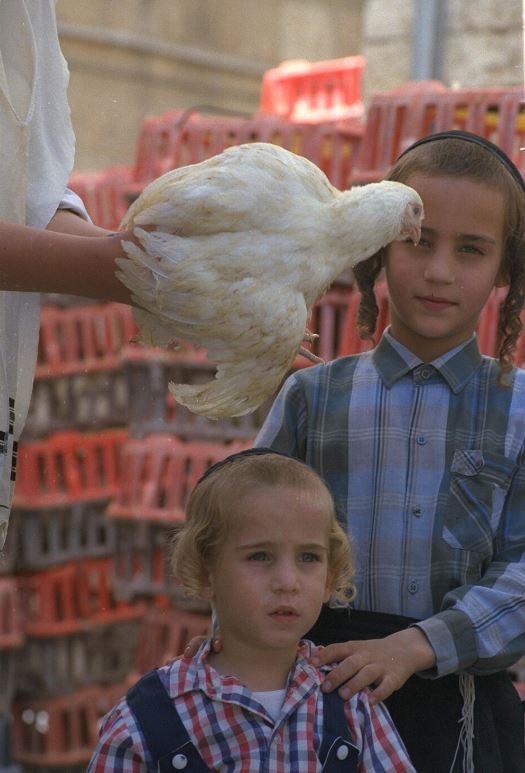
Hullin 76: Doh! Even the Sages Realize What They Could Have Said Better
July 16, 2026 | ב׳ באב תשפ״ו

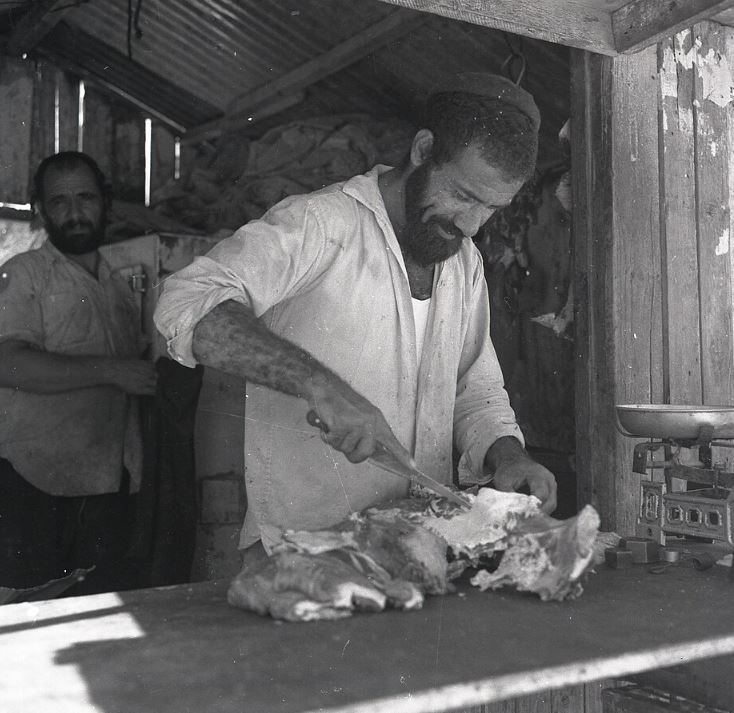
Hullin 73: Impurity without Shechitah – Hypothetically Hypothetical Cases
July 12, 2026 | כ״ז בתמוז תשפ״ו
New to Talmud?
Check out our resources designed to help you navigate a page of Talmud – and study at the pace, level and style that fits you.
The Hadran Women’s Tapestry
Meet the diverse women learning Gemara at Hadran and hear their stories.
I began daf yomi in January 2020 with Brachot. I had made aliya 6 months before, and one of my post-aliya goals was to complete a full cycle. As a life-long Tanach teacher, I wanted to swim from one side of the Yam shel Torah to the other. Daf yomi was also my sanity through COVID. It was the way to marking the progression of time, and feel that I could grow and accomplish while time stopped.

Leah Herzog
Givat Zev, Israel
I attended the Siyum so that I could tell my granddaughter that I had been there. Then I decided to listen on Spotify and after the siyum of Brachot, Covid and zoom began. It gave structure to my day. I learn with people from all over the world who are now my friends – yet most of us have never met. I can’t imagine life without it. Thank you Rabbanit Michelle.

Emma Rinberg
Raanana, Israel
I began Daf Yomi with the last cycle. I was inspired by the Hadran Siyum in Yerushalayim to continue with this cycle. I have learned Daf Yomi with Rabanit Michelle in over 25 countries on 6 continents ( missing Australia)

Barbara Goldschlag
Silver Spring, MD, United States
I started learning at the beginning of this cycle more than 2 years ago, and I have not missed a day or a daf. It’s been challenging and enlightening and even mind-numbing at times, but the learning and the shared experience have all been worth it. If you are open to it, there’s no telling what might come into your life.

Patti Evans
Phoenix, Arizona, United States
Shortly after the death of my father, David Malik z”l, I made the commitment to Daf Yomi. While riding to Ben Gurion airport in January, Siyum HaShas was playing on the radio; that was the nudge I needed to get started. The “everyday-ness” of the Daf has been a meaningful spiritual practice, especial after COVID began & I was temporarily unable to say Kaddish at daily in-person minyanim.

Lisa S. Malik
Wynnewood, United States
With Rabbanit Dr. Naomi Cohen in the Women’s Talmud class, over 30 years ago. It was a “known” class and it was accepted, because of who taught. Since then I have also studied with Avigail Gross-Gelman and Dr. Gabriel Hazut for about a year). Years ago, in a shiur in my shul, I did know about Persians doing 3 things with their clothes on. They opened the shiur to woman after that!

Sharon Mink
Haifa, Israel
I started learning at the beginning of the cycle after a friend persuaded me that it would be right up my alley. I was lucky enough to learn at Rabbanit Michelle’s house before it started on zoom and it was quickly part of my daily routine. I find it so important to see for myself where halachot were derived, where stories were told and to get more insight into how the Rabbis interacted.

Deborah Dickson
Ra’anana, Israel
Margo
I started my Talmud journey in 7th grade at Akiba Jewish Day School in Chicago. I started my Daf Yomi journey after hearing Erica Brown speak at the Hadran Siyum about marking the passage of time through Daf Yomi.
Carolyn
I started my Talmud journey post-college in NY with a few classes. I started my Daf Yomi journey after the Hadran Siyum, which inspired both my son and myself.

Carolyn Hochstadter and Margo Kossoff Shizgal
Merion Station, USA
Beit Shemesh, Israel
At almost 70 I am just beginning my journey with Talmud and Hadran. I began not late, but right when I was called to learn. It is never too late to begin! The understanding patience of staff and participants with more experience and knowledge has been fabulous. The joy of learning never stops and for me. It is a new life, a new light, a new depth of love of The Holy One, Blessed be He.

Deborah Hoffman-Wade
Richmond, CA, United States
I started the daf at the beginning of this cycle in January 2020. My husband, my children, grandchildren and siblings have been very supportive. As someone who learned and taught Tanach and mefarshim for many years, it has been an amazing adventure to complete the six sedarim of Mishnah, and now to study Talmud on a daily basis along with Rabbanit Michelle and the wonderful women of Hadran.
Rookie Billet
Jerusalem, Israel
I decided to give daf yomi a try when I heard about the siyum hashas in 2020. Once the pandemic hit, the daily commitment gave my days some much-needed structure. There have been times when I’ve felt like quitting- especially when encountering very technical details in the text. But then I tell myself, “Look how much you’ve done. You can’t stop now!” So I keep going & my Koren bookshelf grows…

Miriam Eckstein-Koas
Huntington, United States
Geri Goldstein got me started learning daf yomi when I was in Israel 2 years ago. It’s been a challenge and I’ve learned a lot though I’m sure I miss a lot. I quilt as I listen and I want to share what I’ve been working on.

Rebecca Stulberg
Ottawa, Canada
I started learning on January 5, 2020. When I complete the 7+ year cycle I will be 70 years old. I had been intimidated by those who said that I needed to study Talmud in a traditional way with a chevruta, but I decided the learning was more important to me than the method. Thankful for Daf Yomi for Women helping me catch up when I fall behind, and also being able to celebrate with each Siyum!

Pamela Elisheva
Bakersfield, United States
The first month I learned Daf Yomi by myself in secret, because I wasn’t sure how my husband would react, but after the siyyum on Masechet Brachot I discovered Hadran and now sometimes my husband listens to the daf with me. He and I also learn mishnayot together and are constantly finding connections between the different masechtot.

Laura Warshawsky
Silver Spring, Maryland, United States
What a great experience to learn with Rabbanit Michelle Farber. I began with this cycle in January 2020 and have been comforted by the consistency and energy of this process throughout the isolation period of Covid. Week by week, I feel like I am exploring a treasure chest with sparkling gems and puzzling antiquities. The hunt is exhilarating.

Marian Frankston
Pennsylvania, United States
I began Daf Yomi with the last cycle. I was inspired by the Hadran Siyum in Yerushalayim to continue with this cycle. I have learned Daf Yomi with Rabanit Michelle in over 25 countries on 6 continents ( missing Australia)
Barbara Goldschlag
Silver Spring, MD, United States
In my Shana bet at Migdal Oz I attended the Hadran siyum hash”as. Witnessing so many women so passionate about their Torah learning and connection to God, I knew I had to begin with the coming cycle. My wedding (June 24) was two weeks before the siyum of mesechet yoma so I went a little ahead and was able to make a speech and siyum at my kiseh kallah on my wedding day!

Sharona Guggenheim Plumb
Givat Shmuel, Israel
A friend mentioned that she was starting Daf Yomi in January 2020. I had heard of it and thought, why not? I decided to try it – go day by day and not think about the seven plus year commitment.
Fast forward today, over two years in and I can’t imagine my life without Daf Yomi. It’s part of my morning ritual. If I have a busy day ahead of me I set my alarm to get up early to finish the day’s daf

Debbie Fitzerman
Ontario, Canada
I started learning Daf in Jan 2020 with Brachot b/c I had never seen the Jewish people united around something so positive, and I wanted to be a part of it. Also, I wanted to broaden my background in Torah Shebal Peh- Maayanot gave me a great gemara education, but I knew that I could hold a conversation in most parts of tanach but almost no TSB. I’m so thankful for Daf and have gained immensely.

Meira Shapiro
NJ, United States
Retirement and Covid converged to provide me with the opportunity to commit to daily Talmud study in October 2020. I dove into the middle of Eruvin and continued to navigate Seder Moed, with Rabannit Michelle as my guide. I have developed more confidence in my learning as I completed each masechet and look forward to completing the Daf Yomi cycle so that I can begin again!

Rhona Fink
San Diego, United States
Chullin 122
אַלִּיבָּא דְּמַאן?
The Gemara asks: In accordance with whose opinion is the statement of Rav Huna? It is taught in the mishna (124a) that in a case where the hide of an unslaughtered carcass was attached to two half olive-bulks of flesh, Rabbi Yishmael says that the hide imparts the impurity of an unslaughtered carcass by means of carrying but not by means of contact with the flesh, because one touches them separately whereas one carries them together. Rabbi Akiva says: One contracts impurity neither by means of contact with the hide nor by means of carrying it.
אִי אַלִּיבָּא דְּרַבִּי יִשְׁמָעֵאל – הָאָמַר לֹא מְבַטֵּל עוֹר. וְאִי אַלִּיבָּא דְרַבִּי עֲקִיבָא – פְּשִׁיטָא, הָאָמַר מְבַטֵּל עוֹר.
If one maintains that Rav Huna’s statement is in accordance with the opinion of Rabbi Yishmael, didn’t Rabbi Yishmael say that the hide does not nullify the attached flesh and therefore the one who carries it becomes impure with the impurity of a carcass? And if one maintains that Rav Huna’s statement is in accordance with the opinion of Rabbi Akiva, then it is obvious, as didn’t Rabbi Akiva say that the hide nullifies the flesh and therefore one who carries it does not become impure?
לְעוֹלָם אַלִּיבָּא דְּרַבִּי יִשְׁמָעֵאל, וְכִי אָמַר רַבִּי יִשְׁמָעֵאל לֹא מְבַטֵּל עוֹר – הָנֵי מִילֵּי שֶׁפְּלָטַתּוּ חָיָה, אֲבָל פְּלָטַתּוּ סַכִּין – בָּטֵיל.
The Gemara answers: Actually, the statement of Rav Huna is in accordance with the opinion of Rabbi Yishmael. And when Rabbi Yishmael said that the hide does not nullify the flesh, that statement applies to a case where an animal severed the hide. But in a case where a person used a knife to flay the hide, the hide nullifies the attached flesh.
תָּא שְׁמַע, רַבִּי יְהוּדָה אוֹמֵר: הָאָלָל הַמְכוּנָּס, אִם יֵשׁ כְּזַיִת בְּמָקוֹם אֶחָד – חַיָּיבִין עָלָיו, וְאָמַר רַב הוּנָא: וְהוּא שֶׁכִּנְּסוֹ.
The Gemara suggests: Come and hear a refutation to this explanation of the statement of Rav Huna from that which is taught in the mishna: Rabbi Yehuda says: With regard to the meat residue attached to the hide after flaying that was collected, if there is an olive-bulk of it in one place it imparts impurity of an animal carcass, and one who contracts impurity from it and eats consecrated foods or enters the Temple is liable to receive karet for it. And Rav Huna says in explanation of this statement of Rabbi Yehuda: This halakha is applicable only when a halakhically competent person collected the meat residue in one place, but not if the meat residue was collected by a child or without human intervention.
אִי אָמְרַתְּ בִּשְׁלָמָא פְּלָטַתּוּ סַכִּין, לְרַבִּי יִשְׁמָעֵאל נָמֵי לָא בָּטֵיל, רַב הוּנָא דְּאָמַר כְּרַבִּי יִשְׁמָעֵאל.
Since Rav Huna interprets the statement of Rabbi Yehuda as referring to a case where a halakhically competent person collected the pieces of flesh, the mishna must be discussing a case where such a person flayed the hide with a knife in multiple places and then collected the pieces of flesh attached to the hide. Evidently, the hide does not nullify the flesh because if the hide did nullify the flesh, that flesh would not impart the impurity of a carcass even if it were later collected. Therefore, the Gemara challenges: Granted, if you say that according to Rabbi Yishmael, even in a case where a person used a knife to flay the hide, the hide does not nullify the flesh, accordingly, Rav Huna said his statement in accordance with the opinion of Rabbi Yishmael that a hide flayed by a knife does not nullify the flesh, and therefore the flesh imparts the impurity of a carcass if a person collected the pieces.
אֶלָּא אִי אָמְרַתְּ פְּלָטַתּוּ סַכִּין, לְרַבִּי יִשְׁמָעֵאל בָּטֵיל, רַב הוּנָא דְּאָמַר כְּמַאן?
But if you say that according to Rabbi Yishmael, in a case where a person used a knife to flay the hide, the hide nullifies the flesh and therefore the flesh does not impart the impurity of a carcass even if a halakhically competent person collected the pieces, then in accordance with whose opinion did Rav Huna say that the hide does not nullify the flesh and that the pieces of flesh that one collected impart the impurity of a carcass?
אֶלָּא לְעוֹלָם פְּלָטַתּוּ סַכִּין, לְרַבִּי יִשְׁמָעֵאל לֹא בָּטֵיל, וְרַב הוּנָא דְּאָמַר כְּרַבִּי עֲקִיבָא!
The Gemara responds: Rather, it is necessary to explain the opinion of Rabbi Yishmael differently. Actually, according to Rabbi Yishmael even a hide flayed by a knife does not nullify the attached flesh. And Rav Huna said his statement that the hide nullifies attached pieces of flesh in accordance with the opinion of Rabbi Akiva.
פְּשִׁיטָא! מַהוּ דְּתֵימָא, כִּי קָאָמַר רַבִּי עֲקִיבָא – הָנֵי מִילֵּי פְּלָטַתּוּ סַכִּין, אֲבָל פְּלָטַתּוּ חַיָּה – לָא בָּטֵיל.
The Gemara asks: Isn’t it obvious that the hide nullifies the flesh according to Rabbi Akiva? Rav Huna’s statement is unnecessary. The Gemara answers: Rav Huna’s statement is necessary lest you say: When Rabbi Akiva said that the hide nullifies the attached pieces of flesh, that statement applies only to a case where a person used a knife to flay the animal. But if an animal severed the hide, the hide does not nullify the flesh.
קָא מַשְׁמַע לַן טַעְמָא דְּרַבִּי עֲקִיבָא מִפְּנֵי שֶׁהָעוֹר מְבַטְּלָן, לָא שְׁנָא (פלט) [פְּלָטַתּוּ] חַיָּה, וְלָא שְׁנָא (פלט) [פְּלָטַתּוּ] סַכִּין, כִּדְקָתָנֵי סֵיפָא: מִפְּנֵי מָה רַבִּי עֲקִיבָא מְטַהֵר בְּעוֹר? מִפְּנֵי שֶׁהָעוֹר מְבַטְּלָן.
Therefore, Rav Huna teaches us that the reason for the opinion of Rabbi Akiva is because the hide nullifies the flesh, and there is no difference whether an animal severed the hide, and there is no difference whether a person used a knife to flay the hide. This statement of Rav Huna is therefore in accordance with that which the latter clause of that mishna teaches: For what reason does Rabbi Akiva deem one ritually pure in a case where he moved both half olive-bulks with the hide? It is because the hide separates between them and nullifies them.
מַתְנִי׳ אֵלּוּ שֶׁעוֹרוֹתֵיהֶן כִּבְשָׂרָן: עוֹר הָאָדָם, וָעוֹר חֲזִיר שֶׁל יִשּׁוּב. רַבִּי יְהוּדָה אוֹמֵר: אַף עוֹר חֲזִיר הַבָּר.
MISHNA: These are the entities whose skin has the same halakhic status as their flesh: The skin of a dead person, which imparts impurity like his flesh; and the skin of a domesticated pig, which is soft and eaten by gentiles, and imparts the impurity of an animal carcass like its flesh. Rabbi Yehuda says: Even the skin of a wild boar has the same status.
וָעוֹר חֲטֶרֶת שֶׁל גָּמָל הָרַכָּה, וְעוֹר הָרֹאשׁ שֶׁל עֵגֶל הָרַךְ, וָעוֹר הַפְּרָסוֹת, וְעוֹר בֵּית הַבּוֹשֶׁת, וָעוֹר הַשְּׁלִיל, וְעוֹר שֶׁל תַּחַת הָאַלְיָה, וָעוֹר הָאֲנָקָה וְהַכֹּחַ וְהַלְּטָאָה וְהַחוֹמֶט. רַבִּי יְהוּדָה אוֹמֵר: הַלְּטָאָה כְּחוּלְדָּה.
And the halakhic status of the skin of all of the following animals is also like that of their flesh: The skin of the hump of a young camel that did not yet toughen; and the skin of the head of a young calf; and the hide of the hooves; and the skin of the womb; and the skin of an animal fetus in the womb of a slaughtered animal; and the skin beneath the tail of a ewe; and the skin of the gecko [anaka], and the desert monitor [ko’aḥ], and the lizard [leta’a], and the skink [ḥomet], four of the eight creeping animals that impart ritual impurity after death. Rabbi Yehuda says: The halakhic status of the skin of the lizard is like that of the skin of the weasel and is not like that of its flesh.
וְכוּלָּן שֶׁעִבְּדָן, אוֹ שֶׁהִילֵּךְ בָּהֶן כְּדֵי עֲבוֹדָה – טְהוֹרִין, חוּץ מֵעוֹר הָאָדָם. רַבִּי יוֹחָנָן בֶּן נוּרִי אוֹמֵר: שְׁמוֹנָה שְׁרָצִים יֵשׁ לָהֶן עוֹרוֹת.
And with regard to all of these skins, in a case where one tanned them or spread them on the ground and trod upon them for the period of time required for tanning, they are no longer classified as flesh and are ritually pure, except for the skin of a person, which maintains the status of flesh. Rabbi Yoḥanan ben Nuri says: All eight creeping animals enumerated in the Torah have skins whose halakhic status is not that of flesh.
גְּמָ׳ אָמַר עוּלָּא: דְּבַר תּוֹרָה עוֹר אָדָם טָהוֹר, וּמָה טַעַם אָמְרוּ טָמֵא? גְּזֵירָה שֶׁמָּא יַעֲשֶׂה אָדָם עוֹרוֹת אָבִיו וְאִמּוֹ שְׁטִיחִין.
GEMARA: The first clause of the mishna teaches that the skin of a dead person imparts impurity like his flesh. With regard to this, Ulla says: The skin of a dead person is pure by Torah law; and what is the reason that the Sages said that it is impure? It is a rabbinic decree lest a person fashion mats from the skins of his deceased father and mother.
וְאִיכָּא דְּמַתְנֵי לַהּ אַסֵּיפָא, וְכוּלָּן שֶׁעִיבְּדָן אוֹ שֶׁהִילֵּךְ בָּהֶן כְּדֵי עֲבוֹדָה טְהוֹרִין, חוּץ מֵעוֹר אָדָם. אָמַר עוּלָּא: דְּבַר תּוֹרָה עוֹר אָדָם שֶׁעִבְּדוֹ טָהוֹר, וּמָה טַעַם אָמְרוּ טָמֵא? גְּזֵירָה שֶׁמָּא יַעֲשֶׂה אָדָם עוֹרוֹת אָבִיו וְאִמּוֹ שְׁטִיחִין.
And there are those who teach this statement of Ulla with regard to the latter clause of the mishna: And with regard to all of these skins, in a case where one tanned them or spread them on the ground and trod upon them for the period of time required for tanning, they are no longer classified as flesh and are ritually pure, except for the skin of a person, which maintains the status of flesh. With regard to that clause, Ulla says: The skin of a dead person that one tanned is pure by Torah law; and what is the reason that the Sages said that it is impure? It is a rabbinic decree lest a person fashion mats from the skins of his deceased father and mother.
מַאן דְּמַתְנֵי לַהּ אַרֵישָׁא, כׇּל שֶׁכֵּן אַסֵּיפָא, וּמַאן דְּמַתְנֵי אַסֵּיפָא, אֲבָל אַרֵישָׁא – טוּמְאָה דְּאוֹרָיְיתָא.
The Gemara comments: The one who teaches the statement of Ulla that the skin of a corpse is pure by Torah law with regard to the first clause of the mishna, which discusses a softer hide that is not tanned, all the more so would teach it with regard to the latter clause of the mishna. But the one who teaches this statement with regard to the latter clause of the mishna holds that only the tanned skin of a corpse is pure by Torah law, but does not teach it with regard to the first clause of the mishna because he holds that the impurity of the skin of a corpse that is not tanned is by Torah law.
וְעוֹר חֲזִיר [וְכוּ׳]. בְּמַאי קָמִיפַּלְגִי? מָר סָבַר: הַאי אַשּׁוּן וְהַאי רַכִּיךְ, וּמָר סָבַר: הַאי נָמֵי רַכִּיךְ.
§The mishna teaches that according to the first tanna, the skin of a domesticated pig imparts impurity of an animal carcass like its flesh, indicates that the skin of a wild boar does not impart impurity of a carcass. Rabbi Yehuda disagrees and holds that even the skin of a wild boar has the same status as its flesh. The Gemara asks: With regard to what do the first tanna and Rabbi Yehuda disagree? The Gemara answers: One Sage, the first tanna, holds that this skin of a wild boar is tough and therefore its status is not that of flesh, but that skin of a domesticated pig is soft and therefore its status is that of flesh. And one Sage, Rabbi Yehuda, holds that this skin of a wild boar is also soft and therefore its status is that of flesh.
עוֹר חֲטֶרֶת שֶׁל גָּמָל הָרַכָּה, וְכַמָּה גָּמָל הָרַכָּה? אָמַר עוּלָּא, אָמַר רַבִּי יְהוֹשֻׁעַ בֶּן לֵוִי: כׇּל זְמַן שֶׁלֹּא טָעֲנָה.
§The mishna teaches that the skin of the hump of a young camel that did not yet toughen imparts impurity of a carcass like its flesh. The Gemara asks: And for how long is a camel considered young and the status of the skin considered like that of the flesh? Ulla says that Rabbi Yehoshua ben Levi says: As long as the camel has not carried a burden.
בָּעֵי רַבִּי יִרְמְיָה: הִגִּיעַ זְמַנָּהּ לִטְעוֹן וְלֹא טָעֲנָה, מַהוּ? בָּעֵי אַבָּיֵי: לֹא הִגִּיעַ זְמַנָּהּ לִטְעוֹן וְטָעֲנָה, מַהוּ? תֵּיקוּ.
Rabbi Yirmeya raises a dilemma: What is the halakha with regard to the skin of a camel whose time, i.e., age, to carry a burden has arrived, but it has not yet carried one? Abaye raises a dilemma: What is the halakha with regard to the skin of a camel whose time to carry a burden has not arrived, but it has nevertheless carried one? The Gemara answers: These dilemmas shall stand unresolved.
יָתֵיב רֵישׁ לָקִישׁ וְקָמִיבַּעְיָא לֵיהּ: כַּמָּה גָּמָל הָרַכָּה? אֲמַר לֵיהּ רַבִּי יִשְׁמָעֵאל בַּר אַבָּא: הָכִי אָמַר רַבִּי יְהוֹשֻׁעַ בֶּן לֵוִי: כׇּל זְמַן שֶׁלֹּא טָעֲנָה. אֲמַר לֵיהּ: תִּיב לְקִבְלִי.
Reish Lakish sat and raised a dilemma: For how long is a camel considered young? Rabbi Yishmael bar Abba said to him: This is what Rabbi Yehoshua ben Levi said: As long as the camel has not carried a burden. In response to his answer, Reish Lakish honored him and said to him: Sit opposite me.
יָתֵיב רַבִּי זֵירָא וְקָמִיבַּעְיָא לֵיהּ: כַּמָּה גָּמָל הָרַכָּה? אֲמַר לֵיהּ רָבִין בַּר חִינָּנָא: הָכִי אָמַר עוּלָּא, אָמַר רַבִּי יְהוֹשֻׁעַ בֶּן לֵוִי: כׇּל זְמַן שֶׁלֹּא טָעֲנָה. הֲוָה קָתָנֵי לַהּ. אֲמַר לֵיהּ: חֲדָא הָוְיָא לָךְ אֲמַרְתְּ.
Rabbi Zeira sat and raised a dilemma: For how long is a camel considered young? Ravin bar Ḥinnana said to him: This is what Ulla said that Rabbi Yehoshua ben Levi said: As long as the camel has not carried a burden. Ravin bar Ḥinnana then repeated his answer to Rabbi Zeira. Rabbi Zeira said to him: Do you have only one halakha to say, and that is why you are repeating it?
תָּא חֲזִי, מָה בֵּין תַּקִּיפֵי אַרְעָא דְיִשְׂרָאֵל, לַחֲסִידֵי דְבָבֶל.
The Gemara points out: Come and see what the difference is between the harsh scholars of Eretz Yisrael, such as Reish Lakish, and the saintly ones of Babylonia, such as Rabbi Zeira. Although Reish Lakish was known for his harsh nature, he was the one who honored the Sage who resolved his dilemma, whereas Rabbi Zeira responded sharply to the one who taught him this halakha.
וְעוֹר הָרֹאשׁ וְכוּ׳. וְכַמָּה עֵגֶל הָרַךְ? עוּלָּא אָמַר: בֶּן שְׁנָתוֹ, רַבִּי יוֹחָנָן אָמַר: כׇּל זְמַן שֶׁיּוֹנֵק. אִיבַּעְיָא לְהוּ: הֵיכִי קָאָמַר עוּלָּא? בֶּן שְׁנָתוֹ וְהוּא שֶׁיּוֹנֵק,
§The mishna teaches: And the skin of the head of a young calf has the same halakhic status as the flesh with regard to impurity. The Gemara asks: And for how long is a calf considered young? Ulla says: It is considered young in its first year of age. Rabbi Yoḥanan says: For as long as the calf is suckling. A dilemma was raised before the Sages: With regard to what case is Ulla speaking? Is he referring to a calf that is in its first year of age and is still suckling,
וַאֲמַר לֵיהּ רַבִּי יוֹחָנָן: כׇּל זְמַן שֶׁיּוֹנֵק.
and Rabbi Yoḥanan disagreed with Ulla and said to him: A calf is considered young as long as it is suckling, even after its first year of age? According to this explanation, Ulla considers a calf to be young only when it is both in its first year and suckling, and Rabbi Yoḥanan considers a calf that is suckling to be young even if it is beyond its first year.
אוֹ דִלְמָא, עוּלָּא בֶּן שְׁנָתוֹ קָאָמַר, בֵּין יוֹנֵק וּבֵין שֶׁאֵינוֹ יוֹנֵק, וַאֲמַר לֵיהּ רַבִּי יוֹחָנָן: בֶּן שְׁנָתוֹ וְהוּא שֶׁיּוֹנֵק?
Or perhaps, does Ulla say that a calf is considered young if it is in its first year of age, whether it is suckling or whether it is no longer suckling, and Rabbi Yoḥanan said to him: The calf must be in its first year of age and it must also be suckling in order to be considered young?
תָּא שְׁמַע, רַבִּי יוֹחָנָן אָמַר: כׇּל זְמַן שֶׁיּוֹנֵק, וְאִם אִיתַהּ – ״וְהוּא שֶׁיּוֹנֵק״ מִיבְּעֵי לֵיהּ! שְׁמַע מִינַּהּ.
Come and hear a resolution to this dilemma: Rabbi Yoḥanan says: The calf is considered young the entire time that it is suckling. And if it is so that Rabbi Yoḥanan requires a calf to be both in its first year and suckling to be considered young, Rabbi Yoḥanan should have said: And provided the calf is suckling, indicating an additional condition. Conclude from it that Rabbi Yoḥanan considers a calf that is suckling to be young even if it is beyond its first year, and that Ulla considers only a calf that is both in its first year and suckling to be young.
בְּעָא מִינֵּיהּ רֵישׁ לָקִישׁ מֵרַבִּי יוֹחָנָן: עוֹר הָרֹאשׁ שֶׁל עֵגֶל הָרַךְ, מַהוּ שֶׁיְּטַמֵּא? אֲמַר לֵיהּ: אֵינוֹ מְטַמֵּא.
§The Gemara continues to discuss the skin of the head of a young calf. Reish Lakish asked Rabbi Yoḥanan: What is the halakha with regard to whether the skin of the head of a young calf that is still fit to be eaten imparts impurity? Is the status of the skin like that of flesh or not? Rabbi Yoḥanan said to him: It does not impart impurity.
אֲמַר לֵיהּ, לִימַּדְתָּנוּ רַבֵּינוּ: אֵלּוּ שֶׁעוֹרוֹתֵיהֶן כִּבְשָׂרָן, וְעוֹר הָרֹאשׁ שֶׁל עֵגֶל הָרַךְ! אֲמַר לֵיהּ: אַל תַּקְנִיטֵנִי, בִּלְשׁוֹן יָחִיד אֲנִי שׁוֹנֶה אוֹתָהּ.
Reish Lakish said to him: But didn’t you teach us, our teacher, that it says in the mishna: These are the entities whose skin has the same halakhic status as their flesh, and the skin of the head of a young calf is included among them? Rabbi Yoḥanan said to Reish Lakish: Do not provoke me by asking such a question. I teach that mishna in the singular, i.e., that mishna is in accordance with an individual opinion and is contrary to the majority opinion. Therefore, the halakha is not in accordance with it.
דְּתַנְיָא: הַשּׁוֹחֵט אֶת הָעוֹלָה לְהַקְטִיר כְּזַיִת מֵעוֹר שֶׁתַּחַת הָאַלְיָה, חוּץ לִמְקוֹמוֹ – פָּסוּל, וְאֵין בּוֹ כָּרֵת; חוּץ לִזְמַנּוֹ – פִּיגּוּל, וְחַיָּיבִין עָלָיו כָּרֵת.
As it is taught in a baraita: One who slaughters a burnt offering with the intention to burn an olive-bulk of the skin beneath the tail outside its designated area, i.e., outside the Temple courtyard, renders the offering unfit, but there is no liability for karet for one who partakes of the offering. If he intended to burn it beyond its designated time, i.e., not on that day, then it is rendered piggul, and one is liable to receive karet for partaking of it. Since this particular area of the skin is soft, its status is therefore like that of flesh. This is the opinion of the Rabbis.
אֶלְעָזָר בֶּן יְהוּדָה אִישׁ אֶבְלַיִם אוֹמֵר מִשּׁוּם רַבִּי יַעֲקֹב, וְכֵן הָיָה רַבִּי שִׁמְעוֹן בֶּן יְהוּדָה אִישׁ כְּפַר עִיכּוּם אוֹמֵר מִשּׁוּם רַבִּי שִׁמְעוֹן: אֶחָד עוֹר פְּרָסוֹת, וְאֶחָד עוֹר הָרֹאשׁ שֶׁל עֵגֶל הָרַךְ, וְאֶחָד עוֹר שֶׁל תַּחַת הָאַלְיָה, וְכׇל שֶׁמָּנוּ חֲכָמִים גַּבֵּי טוּמְאָה שֶׁעוֹרוֹתֵיהֶן כִּבְשָׂרָן, לְהָבִיא עוֹר שֶׁל בֵּית הַבּוֹשֶׁת.
Elazar ben Yehuda of Aveilum says in the name of Rabbi Ya’akov, and so Rabbi Shimon ben Yehuda of Kefar Ikom says in the name of Rabbi Shimon: This halakha applies both to the hide of the hooves, and the skin of the head of a young calf, and the skin beneath the tail, and all of the entities that the Sages listed with regard to ritual impurity that the halakhic status of their skin is like that of their flesh, including the skin of the womb.
חוּץ לִמְקוֹמוֹ – פָּסוּל, וְאֵין בּוֹ כָּרֵת. חוּץ לִזְמַנּוֹ – פִּיגּוּל, וְחַיָּיבִין עָלָיו כָּרֵת.
Therefore, one who sacrifices a burnt offering with the intention to burn an olive-bulk of any of these skins outside its designated area renders the offering unfit, but there is no liability for karet for one who partakes of the offering. If he intended to burn it beyond its designated time, then it is rendered piggul, and one is liable to receive karet for eating it. Therefore, the mishna is in accordance with the individual opinion of Elazar ben Yehuda, who holds that all of the skins listed in the mishna have the status of flesh, and not in accordance with the Rabbis’ opinion that only the skin beneath the tail has the status of flesh.
וְעוֹר בֵּית הַפְּרָסוֹת. מַאי בֵּית הַפְּרָסוֹת? רַב אָמַר: בֵּית הַפְּרָסוֹת מַמָּשׁ, רַבִּי חֲנִינָא אָמַר: רְכוּבָּה הַנִּמְכֶּרֶת עִם הָרֹאשׁ.
§The mishna teaches: And the hide of the hooves has the status of flesh with regard to imparting impurity. The Gemara asks: To what is the term hooves referring? Rav says: It is literally referring to the hooves. Rabbi Ḥanina says: It is referring to the skin of the section of the knee at the top of the lower bone, which is sold with the head. This skin of the knee, and of the lower bone attached to it, has the status of flesh.
וָעוֹר הָאֲנָקָה, תָּנוּ רַבָּנַן: ״הַטְּמֵאִים״ – לְרַבּוֹת עוֹרוֹתֵיהֶן כִּבְשָׂרָן.
§The mishna teaches: And the halakhic status of the skin of the gecko, and the desert monitor, and the lizard, and the skink, four of the eight creeping animals that impart ritual impurity after death, is like that of their flesh with regard to imparting impurity. The Sages taught in a baraita: It is written: “And these are they which are impure for you among the creeping animals that creep upon the earth: The weasel, and the mouse, and the great lizard after its kinds. And the gecko, and the desert monitor, and the lizard, and the skink, and the chameleon. These are they which are impure for you among all that swarm; whosoever touches them, when they are dead, shall be impure until the evening” (Leviticus 11:29–32). The term “they which are” in the expression “they which are impure” seems superfluous, and serves to include the skins of these animals as having the same halakhic status as their flesh.
יָכוֹל אֲפִילּוּ כּוּלָּן, תַּלְמוּד לוֹמַר ״אֵלֶּה״.
One might have thought that this halakha applies even to all of the creeping animals listed in the verses. Therefore, the verse states: “These,” indicating that this halakha applies only to these animals mentioned in the mishna, i.e., the gecko, the desert monitor, the lizard, and the skink.
וְהָא ״אֵלֶּה״ אַכּוּלְּהוּ כְּתִיבִי! אָמַר רַב: ״לְמִינֵהוּ״ הִפְסִיק הָעִנְיָן.
The Gemara asks: But isn’t the term “these” written with regard to all eight of the creeping animals listed in the verse? Rav says: After mentioning the weasel, the mouse, and the great lizard the verse states: “After its kinds.” Therefore, the verse interrupted the previous matter and taught that the status of the skin is like that of the flesh only with regard to the creeping animals mentioned in the latter part of the verse.
וְלִיחְשׁוֹב נָמֵי תִּנְשֶׁמֶת? אָמַר רַב שְׁמוּאֵל בַּר יִצְחָק: רַב תְּנָא הוּא, וְתָנֵי תִּנְשֶׁמֶת.
The Gemara objects: But since the chameleon is listed in the latter part of the verse, let the chameleon also be counted among the animals whose skin has the status of flesh. Rav Shmuel bar Yitzḥak said: Rav, who interprets the verse in this manner, has the status of a tanna, and unlike the mishna, he teaches that the skin of the chameleon has the status of flesh.
וְהָא תַּנָּא דִּידַן לָא תָּנֵי תִּנְשֶׁמֶת?
The Gemara asks: But the tanna of our mishna does not teach this halakha with regard to the chameleon. According to his opinion, why doesn’t the skin of the chameleon have the status of flesh?
אָמַר רַב שֵׁשֶׁת בְּרֵיהּ דְּרַב אִידִי: תַּנָּא דִּידַן סָבַר לַהּ כְּרַבִּי יְהוּדָה, דְּאָזֵיל בָּתַר גִּישְׁתָּא.
Rav Sheshet, son of Rav Idi, said: The tanna of our mishna holds in accordance with the opinion of Rabbi Yehuda that the halakhic status of the skin of the lizard, even though it is mentioned in the latter part of the verse, is like that of the skin of the weasel and is not like that of its flesh. Rabbi Yehuda does not derive that the status of the skin is like that of flesh from the verse that states: “They which are impure.” Rather, he follows the texture of the skin of each creeping animal when deciding whether the status of its skin is like that of its flesh.
וּבְגִישְׁתָּא דְּהַלְּטָאָה קָמִיפַּלְגִי.
The first tanna of the mishna and Rabbi Yehuda agree that the texture of the skin of the gecko, the desert monitor, and the skink is soft and therefore the status of their skin is like that of their flesh; and they disagree with regard to the texture of the skin of the lizard. Rabbi Yehuda classifies its skin as tough, and the first tanna of the mishna classifies its skin as soft.
וְכוּלָּן שֶׁעִיבְּדָן [וְכוּ׳]. הִילֵּךְ אִין, לֹא הִילֵּךְ לָא? וְהָא תָּנֵי רַבִּי חִיָּיא: אוֹזֶן חֲמוֹר שֶׁטְּלָאָהּ לְקוּפָּתוֹ טְהוֹרָה, טְלָאָהּ – אַף עַל גַּב דְּלָא הִילֵּךְ!
§The mishna teaches: And all of these skins, in a case where one tanned them or spread them on the ground and trod upon them, are no longer classified as flesh and are ritually pure. The Gemara objects: The mishna indicates that if one trod upon them they are no longer classified as flesh, but if one did not tread upon them they do not cease being classified as flesh. But doesn’t Rabbi Ḥiyya teach: The ear of a donkey that one sewed into his basket is pure and is no longer classified as flesh. Just as the ear is no longer classified as flesh once it is sewed into a basket, so too skin that is spread on the ground, even if one did not tread upon it, should no longer be classified as flesh.
לֹא: טְלָאָהּ, הִילֵּךְ – אִין, לֹא הִילֵּךְ – לָא.
The Gemara explains: No, this is not difficult. Sewing the ear is an action that nullifies the ear’s classification as flesh. But spreading skin on the ground is not an action that nullifies the skin’s classification as flesh unless one trod upon the skin. Therefore, if one trod upon the skin it is no longer classified as flesh, but if one did not tread upon it, it does not cease being classified as flesh.
כַּמָּה כְּדֵי עִבּוּד? אָמַר רַב הוּנָא אָמַר רַבִּי יַנַּאי: אַרְבַּעַת מִילִין.
The mishna states that the skin must be trodden upon for the period required for tanning. The Gemara clarifies: How long is the period required for tanning? Rav Huna says that Rabbi Yannai says: The time which it takes one to walk four mil.
רַבִּי אֲבָהוּ מִשּׁוּם דְּרֵישׁ לָקִישׁ אָמַר: לְגַבָּל.
§Since the period of time it takes to walk four mil was mentioned, the Gemara lists halakhot that employ this period of time. Rabbi Abbahu says in the name of Reish Lakish: With regard to a professional kneader who is careful to maintain the ritual purity of the dough that he kneads for others, he must walk up to four mil in order to purify the vessel he is using by immersing it in a ritual bath. He is not required to walk farther than this unless the person hiring him pays for him to do so.
וְלִתְפִלָּה וְלִנְטִילַת יָדַיִם – אַרְבַּעַת מִילִין.
And similarly, with regard to prayer, one who is traveling may not pray where he is if there is a synagogue within four mil ahead of him, but rather must continue traveling in order to pray in the synagogue. And similarly, with regard to washing one’s hands before eating, one who is traveling may not eat without washing his hands if there is water within four mil ahead of him.
אָמַר רַב נַחְמָן בַּר יִצְחָק:
With regard to this statement of Reish Lakish, Rav Naḥman bar Yitzḥak said:
Follow

