










Can one wear tzitzit that have shaatnez (wool strings on a linen garment)?
This month’s learning is dedicated to the refuah shleima of our dear friend, Phyllis Hecht, גיטל פעשא בת מאשה רחל by all her many friends who love and admire her. Phyllis’ emuna, strength, and positivity are an inspiration.
This week’s learning is sponsored by Pnina Lipskier in loving memory of Major Yaniv Kula and Staff-Sgt. Itay Yavetz, both from Modi’in, who were killed in Gaza. “Yaniv brought light, wisdom, and values wherever he went. Throughout his life, he acted to make the country better—and out of a deep sense of mission, he said: ‘Now it is my turn.’ Itay, charismatic and full of strength, left behind words of depth and significance, writing that the world is full of infinite meaning. May their memory be a blessing.”
Want to dedicate learning? Get started here:

0:00
0:00
Today’s daily daf tools:
This month’s learning is dedicated to the refuah shleima of our dear friend, Phyllis Hecht, גיטל פעשא בת מאשה רחל by all her many friends who love and admire her. Phyllis’ emuna, strength, and positivity are an inspiration.
This week’s learning is sponsored by Pnina Lipskier in loving memory of Major Yaniv Kula and Staff-Sgt. Itay Yavetz, both from Modi’in, who were killed in Gaza. “Yaniv brought light, wisdom, and values wherever he went. Throughout his life, he acted to make the country better—and out of a deep sense of mission, he said: ‘Now it is my turn.’ Itay, charismatic and full of strength, left behind words of depth and significance, writing that the world is full of infinite meaning. May their memory be a blessing.”
Menachot 40
תָּנוּ רַבָּנַן: סָדִין בְּצִיצִית – בֵּית שַׁמַּאי פּוֹטְרִין וּבֵית הִלֵּל מְחַיְּיבִין, וַהֲלָכָה כְּדִבְרֵי בֵּית הִלֵּל.
The Sages taught in a baraita: With regard to ritual fringes on a linen cloak, Beit Shammai deem the cloak exempt from ritual fringes due to the fact that the sky-blue strings must be made from wool, and there is a Torah prohibition against wearing a mixture of wool and linen. And Beit Hillel deem a linen cloak obligated in the mitzva of ritual fringes. And the halakha is in accordance with the statement of Beit Hillel.
אָמַר רַבִּי אֱלִיעֶזֶר בֶּן רַבִּי צָדוֹק: וַהֲלֹא כׇּל הַמֵּטִיל תְּכֵלֶת בִּירוּשָׁלַיִם אֵינוֹ אֶלָּא מִן הַמַּתְמִיהִין!
Rabbi Eliezer ben Rabbi Tzadok says: But is it not the case that anyone who affixes sky-blue strings to a linen cloak in Jerusalem is considered nothing other than one of those who causes others to be astonished at their behavior, as it appears that he is violating the prohibition against wearing a garment containing wool and linen?
אָמַר רַבִּי: אִם כֵּן, לָמָּה אֲסָרוּהָ? לְפִי שֶׁאֵין בְּקִיאִין.
The baraita concludes: Rabbi Yehuda HaNasi says: If so, that the halakha is in accordance with Beit Hillel and a linen cloak is required to have ritual fringes, why did the Sages prohibit attaching ritual fringes to linen garments in Jerusalem? It is because people are not well versed in the halakha and might ultimately wear garments of wool and linen even when it is not necessary for the mitzva of ritual fringes.
אֲמַר לֵיהּ רָבָא בַּר רַב חָנָא לְרָבָא: וְלִרְמוֹ בֵּי עַשְׂרָה וְנִפְּקוּ לְשׁוּקָא וּמִפַּרְסְמָא (למילתא) [מִילְּתָא]! כׇּל שֶׁכֵּן דְּמַתְמְהוּ עִילָּוַן.
Rava bar Rav Ḥana said to Rava: If that is the concern, then let ten people take linen cloaks with ritual fringes and go out to the marketplace and thereby publicize the matter, i.e., that it is permitted to affix wool strings to a linen garment due to the mitzva. Rava answered: All the more so people would be astonished at us for acting in such an unconventional manner.
וְלִידְרְשַׁהּ בְּפִירְקָא! גְּזֵירָה מִשּׁוּם קָלָא אִילָן.
The Gemara suggests: Let the Rabbis teach during their public lecture that affixing wool strings to a linen garment is permitted for the mitzva of ritual fringes. The Gemara answers: Wearing strings on a linen garment is prohibited because of a rabbinic decree due to the concern that people might use strings that were dyed blue with indigo [kala ilan], instead of with tekhelet, the sky-blue dye produced from the ḥilazon (see 44b), in which case they would not fulfill the mitzva of ritual fringes and would violate the prohibition against wearing garments containing wool and linen.
וְלֹא יְהֵא אֶלָּא לָבָן! כֵּיוָן דְּאֶפְשָׁר בְּמִינָן – לָא.
The Gemara suggests: Even if one’s blue strings are not dyed with tekhelet as required for the mitzva, let them be considered merely as white strings. In the absence of tekhelet one fulfills the mitzva with white strings, and therefore it should be permitted to affix white woolen strings to a linen garment. The Gemara explains: Since it is possible to affix white strings that are the same type of material as the garment, i.e., linen, and thereby fulfill the mitzva without overriding the prohibition against wearing a garment made from wool and linen, one may not affix white wool strings to a linen garment.
כִּדְרֵישׁ לָקִישׁ, דְּאָמַר רֵישׁ לָקִישׁ: כׇּל מָקוֹם שֶׁאַתָּה מוֹצֵא עֲשֵׂה וְלֹא תַעֲשֶׂה, אִם אַתָּה יָכוֹל לְקַיֵּים אֶת שְׁנֵיהֶם – מוּטָב, וְאִם לָאו – יָבוֹא עֲשֵׂה וְיִדְחֶה אֶת לֹא תַעֲשֶׂה.
The Gemara notes: This is in accordance with the opinion of Reish Lakish. As Reish Lakish says: Any place where you find a positive mitzva and a prohibition that clash with one another, if you are able to fulfill both of them, that is preferable; and if that is not possible, the positive mitzva shall come and override the prohibition. In this case, the clash is between the mitzva of ritual fringes and the prohibition against wearing a garment that contains wool and linen. One can fulfill both of them by using white strings that are linen instead of wool if the garment is made from linen.
וְלִיבְדְּקוּהָ, אֶלָּא גְּזֵירָה מִשּׁוּם טְעִימָה.
The Gemara suggests: And let them test the strings to ascertain whether they are dyed with indigo or with tekhelet, as explained by the Gemara (42b). The Gemara responds: Rather, the prohibition against affixing ritual fringes to a linen garment is a rabbinic decree due to the concern that perhaps the sky-blue strings were colored with tekhelet dye that had been used for testing the color of the dye in the vat and therefore became unfit (see 42b). In such a case, there would be no fulfillment of the mitzva of sky-blue ritual fringes to override the prohibition against wearing a garment of wool and linen.
וְלִיכְתְּבָה אַדִּיסְקֵי! אַדִּיסְקֵי לֵיקוּם וְלִיסְמוֹךְ? אָמַר רָבָא: הַשְׁתָּא
The Gemara suggests: Let the Sages write letters informing dye producers that tekhelet that was used for testing the color of the dye in the vat is unfit for ritual fringes. The Gemara explains: Shall we go and rely on letters, assuming that dye producers will follow the instructions they contain? Rava responded to this and said: Now,
חָמֵץ בְּפֶסַח וְיוֹם הַכִּפּוּרִים דְּכָרֵת – סָמְכִינַן אַדִּיסְקֵי, הָכָא דַּעֲשֵׂה בְּעָלְמָא לֹא כׇּל שֶׁכֵּן!
with regard to the prohibitions against eating leavened bread on Passover and eating on Yom Kippur, which are punishable by karet, we rely on letters sent from the rabbinical court in Eretz Yisrael publicizing whether the year was declared a leap year and when they have declared the New Moon; here, with regard to the mitzva of ritual fringes, which is merely a positive mitzva, is it not all the more so correct that letters can be relied on?
אֶלָּא אָמַר רָבָא: הָא מִילְּתָא אָמְרִי, וְאִיתְּמַר בְּמַעְרְבָא מִשּׁוּם דְּרַבִּי זֵירָא כְּוָותִי: שֶׁמָּא יִקָּרַע סְדִינוֹ בְּתוֹךְ שָׁלֹשׁ וְיִתְפְּרֶנּוּ.
Rather, Rava said: This is a statement that I said, and it was stated in the West, Eretz Yisrael, in the name of Rabbi Zeira in accordance with my opinion: The reason for the rabbinic decree is lest one’s cloak rip within three fingerbreadths of the edge of the corner of the garment, which is where the ritual fringes are placed, and he sew it with linen string and then use the excess string for ritual fringes.
וְהַתּוֹרָה אָמְרָה: ״תַּעֲשֶׂה״ – וְלֹא מִן הֶעָשׂוּי.
And in such a case the ritual fringes would be unfit because the Torah states: “You shall prepare yourself twisted cords” (Deuteronomy 22:12), which teaches: Prepare it, and not from what has already been prepared. Consequently, the strings must be attached to the garment for the sake of the mitzva of ritual fringes. When the individual places the linen string there in order to stitch the garment and then decides to use it for the mitzva of ritual fringes and adds sky-blue wool strings, he does not fulfill the mitzva of ritual fringes and violates the prohibition against wearing a garment of wool and linen.
שְׁרָא רַבִּי זֵירָא לִסְדִינֵיהּ. רַב זֵירָא אָמַר: גְּזֵירָה נָמֵי מִשּׁוּם כְּסוּת לַיְלָה.
Because of this rabbinic decree, Rabbi Zeira untied the ritual fringes and removed them from his linen cloak. Rav Zeira said: The rabbinic decree prohibiting ritual fringes on a linen garment is also due to the concern that one might affix ritual fringes to a nighttime garment. Since the mitzva of ritual fringes does not apply in that case, if one wears the garment he would not fulfill the mitzva and would violate the prohibition against wearing a garment with wool and linen.
וְאָמַר רָבָא: הָא מִילְּתָא אֲמַרִי, וְאִיתְּמַר בְּמַעְרְבָא מִשְּׁמֵיהּ דְּרַבִּי זֵירָא כְּוָותִי: הִיא שֶׁל בֶּגֶד וּכְנָפֶיהָ שֶׁל עוֹר – חַיֶּיבֶת, הִיא שֶׁל עוֹר וּכְנָפֶיהָ שֶׁל בֶּגֶד – פְּטוּרָה. מַאי טַעְמָא? עִיקַּר בֶּגֶד בָּעֵינַן.
And Rava said: This is a statement that I said, and it was stated in the West, Eretz Yisrael, in the name of Rabbi Zeira in accordance with my opinion: If a garment is made from cloth and its corners are made from leather, it is required to have ritual fringes. Conversely, if a cloak is made from leather and its corners are made from cloth, it is exempt from the mitzva of ritual fringes. What is the reason for this? We require that the main part of the garment be obligated, and a leather garment is not required to have ritual fringes.
רַב אַחַאי אָזֵיל בָּתַר כָּנָף.
The Gemara notes: Rav Aḥai would follow the corner in determining whether the garment is required to have ritual fringes or not, because the Torah states: “On the corners of their garments” (Numbers 15:38).
אָמַר רָבָא אָמַר רַב סְחוֹרָה אָמַר רַב הוּנָא: הֵטִיל לְבַעֲלַת שָׁלֹשׁ, וְהִשְׁלִימָהּ לְאַרְבַּע – פְּסוּלָה, ״תַּעֲשֶׂה״ – וְלֹא מִן הֶעָשׂוּי.
§ Rava says that Rav Seḥora says that Rav Huna says: In a case where one affixed ritual fringes to a garment possessing only three corners, which is not required to have ritual fringes, and then completed its fourth corner by sewing on additional material or cutting away some of the material, the ritual fringes he attached to the original three corners are unfit. This is due to the principle: Prepare it, and not from what has already been prepared. Once the garment is required to have ritual fringes one may attach the ritual fringes; the strings that were attached before the garment was required to have them are not fit.
מֵיתִיבִי: חֲסִידִים הָרִאשׁוֹנִים, כֵּיוָן שֶׁאָרְגוּ בָּהּ שָׁלֹשׁ, הָיוּ מְטִילִין לָהּ תְּכֵלֶת. אֵימָא: כֵּיוָן שֶׁפָּצְעוּ בָּהּ שָׁלֹשׁ, הָיוּ מְטִילִין לָהּ תְּכֵלֶת.
The Gemara raises an objection from a baraita: It is told of the early generations of pious men that once they weaved three fingerbreadths of the length of the garment, they would affix the white and sky-blue strings to the first two corners, even though the garment was not yet long enough to be obligated to have ritual fringes. The Gemara answers: Say that the baraita should read as follows: Once they completed [shepatzu] the garment until there were only three fingerbreadths left to weave, they would affix the white and sky-blue strings to the first two corners.
וּמִי אָמְרִינַן ״תַּעֲשֶׂה״ – וְלֹא מִן הֶעָשׂוּי? (אִינִי), וְהָאָמַר רַבִּי זֵירָא: הֵטִיל לְמוּטֶּלֶת – כְּשֵׁרָה.
The Gemara asks: And do we say: Prepare it, and not from what has already been prepared? Is that so that this principle disqualifies ritual fringes that one affixed to a garment before he was required to do so? But doesn’t Rabbi Zeira say: If one affixed ritual fringes to a garment that already had ritual fringes affixed to it and then removed the original strings, it is fit, despite the fact that when he attached the second set they were superfluous? This indicates that even if one attaches ritual fringes to a garment when there is no obligation to attach them, the ritual fringes are fit.
אָמַר רָבָא: הַשְׁתָּא בְּ״בַל תּוֹסִיף״ קָאֵי, מַעֲשֶׂה לָא הָוֵי?
Rava said: This does not present a difficulty, because now that he adds a second, unnecessary set of ritual fringes and is liable for violating the prohibition of adding to a mitzva (see Deuteronomy 13:1), is it not considered an action?
מַתְקֵיף לַהּ רַב פָּפָּא: מִמַּאי דְּגַבְרָא לְאוֹסוֹפֵי קָא מִיכַּוֵּין? דִּלְמָא לְבַטּוֹלֵי קָא מִיכַּוֵּין, וּ״בַל תּוֹסִיף״ לֵיכָּא, מַעֲשֶׂה אִיכָּא!
Rav Pappa objects to this: From where is it known that Rabbi Zeira is discussing a case where the person intended to add to the original set of ritual fringes? Perhaps Rabbi Zeira is discussing a case where he intended to nullify the original strings, and therefore there is no prohibition of adding to a mitzva, and there is an action.
אָמַר רַבִּי זֵירָא אָמַר רַב מַתְנָא אָמַר שְׁמוּאֵל: תְּכֵלֶת אֵין בָּהּ מִשּׁוּם כִּלְאַיִם, וַאֲפִילּוּ בְּטַלִּית פְּטוּרָה.
With regard to the issue of affixing ritual fringes to a garment that already has ritual fringes, the Gemara relates: Rabbi Zeira says that Rav Mattana says that Shmuel says: White and sky-blue strings are not subject to the prohibition of diverse kinds, and this is the halakha even if they are affixed to a cloak that is exempt from ritual fringes.
מַאי טַלִּית פְּטוּרָה? אִילֵּימָא דְּלֵית בַּהּ שִׁיעוּרָא, וְהָתַנְיָא: טַלִּית שֶׁהַקָּטָן מִתְכַּסֶּה בּוֹ רֹאשׁוֹ וְרוּבּוֹ
The Gemara asks: What is meant by: A cloak that is exempt from ritual fringes? If we say that it is referring to a cloak that is not of the size necessary to require the affixing of ritual fringes, that is difficult: But isn’t it taught in a baraita: With regard to a cloak that is large enough for a minor to cover his head and most of his body with it,
Follow

Today’s daily daf tools:
Delve Deeper
Broaden your understanding of the topics on this daf with classes and podcasts from top women Talmud scholars.



Menahot 4: Grain-Offerings That Pave the Way for Other Things
01.15.2026 | כ״ו בטבת תשפ״ו
Menahot 3: Torat Ha-Minhah, the Law of the Grain-Offering
01.14.2026 | כ״ה בטבת תשפ״ו

New to Talmud?
Check out our resources designed to help you navigate a page of Talmud – and study at the pace, level and style that fits you.
The Hadran Women’s Tapestry
Meet the diverse women learning Gemara at Hadran and hear their stories.
When we heard that R. Michelle was starting daf yomi, my 11-year-old suggested that I go. Little did she know that she would lose me every morning from then on. I remember standing at the Farbers’ door, almost too shy to enter. After that first class, I said that I would come the next day but couldn’t commit to more. A decade later, I still look forward to learning from R. Michelle every morning.

Ruth Leah Kahan
Ra’anana, Israel
I read Ilana Kurshan’s “If All the Seas Were Ink” which inspired me. Then the Women’s Siyum in Jerusalem in 2020 convinced me, I knew I had to join! I have loved it- it’s been a constant in my life daily, many of the sugiyot connect to our lives. My family and friends all are so supportive. It’s incredible being part of this community and love how diverse it is! I am so excited to learn more!

Shira Jacobowitz
Jerusalem, Israel
I began learning with Rabbanit Michelle’s wonderful Talmud Skills class on Pesachim, which really enriched my Pesach seder, and I have been learning Daf Yomi off and on over the past year. Because I’m relatively new at this, there is a “chiddush” for me every time I learn, and the knowledge and insights of the group members add so much to my experience. I feel very lucky to be a part of this.

Julie Landau
Karmiel, Israel
I was inspired to start learning after attending the 2020 siyum in Binyanei Hauma. It has been a great experience for me. It’s amazing to see the origins of stories I’ve heard and rituals I’ve participated in my whole life. Even when I don’t understand the daf itself, I believe that the commitment to learning every day is valuable and has multiple benefits. And there will be another daf tomorrow!

Khaya Eisenberg
Jerusalem, Israel
3 years ago, I joined Rabbanit Michelle to organize the unprecedented Siyum HaShas event in Jerusalem for thousands of women. The whole experience was so inspiring that I decided then to start learning the daf and see how I would go…. and I’m still at it. I often listen to the Daf on my bike in mornings, surrounded by both the external & the internal beauty of Eretz Yisrael & Am Yisrael!

Lisa Kolodny
Raanana, Israel
Inspired by Hadran’s first Siyum ha Shas L’Nashim two years ago, I began daf yomi right after for the next cycle. As to this extraordinary journey together with Hadran..as TS Eliot wrote “We must not cease from exploration and the end of all our exploring will be to arrive where we began and to know the place for the first time.

Susan Handelman
Jerusalem, Israel
The first month I learned Daf Yomi by myself in secret, because I wasn’t sure how my husband would react, but after the siyyum on Masechet Brachot I discovered Hadran and now sometimes my husband listens to the daf with me. He and I also learn mishnayot together and are constantly finding connections between the different masechtot.

Laura Warshawsky
Silver Spring, Maryland, United States
A friend mentioned that she was starting Daf Yomi in January 2020. I had heard of it and thought, why not? I decided to try it – go day by day and not think about the seven plus year commitment.
Fast forward today, over two years in and I can’t imagine my life without Daf Yomi. It’s part of my morning ritual. If I have a busy day ahead of me I set my alarm to get up early to finish the day’s daf

Debbie Fitzerman
Ontario, Canada
I started my Daf Yomi journey at the beginning of the COVID19 pandemic.

Karena Perry
Los Angeles, United States
I started with Ze Kollel in Berlin, directed by Jeremy Borowitz for Hillel Deutschland. We read Masechet Megillah chapter 4 and each participant wrote his commentary on a Sugia that particularly impressed him. I wrote six poems about different Sugiot!
Fascinated by the discussions on Talmud I continued to learn with Rabanit Michelle Farber and am currently taking part in the Tikun Olam course.

Yael Merlini
Berlin, Germany
About a year into learning more about Judaism on a path to potential conversion, I saw an article about the upcoming Siyum HaShas in January of 2020. My curiosity was piqued and I immediately started investigating what learning the Daf actually meant. Daily learning? Just what I wanted. Seven and a half years? I love a challenge! So I dove in head first and I’ve enjoyed every moment!!

Nickie Matthews
Blacksburg, United States
Hearing and reading about the siyumim at the completion of the 13 th cycle Daf Yomi asked our shul rabbi about starting the Daf – he directed me to another shiur in town he thought would allow a woman to join, and so I did! Love seeing the sources for the Divrei Torah I’ve been hearing for the past decades of living an observant life and raising 5 children .

Jill Felder
Pittsburgh, Pennsylvania, United States
I am a Reform rabbi and took Talmud courses in rabbinical school, but I knew there was so much more to learn. It felt inauthentic to serve as a rabbi without having read the entire Talmud, so when the opportunity arose to start Daf Yomi in 2020, I dove in! Thanks to Hadran, Daf Yomi has enriched my understanding of rabbinic Judaism and deepened my love of Jewish text & tradition. Todah rabbah!

Rabbi Nicki Greninger
California, United States
I heard about the syium in January 2020 & I was excited to start learning then the pandemic started. Learning Daf became something to focus on but also something stressful. As the world changed around me & my family I had to adjust my expectations for myself & the world. Daf Yomi & the Hadran podcast has been something I look forward to every day. It gives me a moment of centering & Judaism daily.

Talia Haykin
Denver, United States
My family recently made Aliyah, because we believe the next chapter in the story of the Jewish people is being written here, and we want to be a part of it. Daf Yomi, on the other hand, connects me BACK, to those who wrote earlier chapters thousands of years ago. So, I feel like I’m living in the middle of this epic story. I’m learning how it all began, and looking ahead to see where it goes!

Tina Lamm
Jerusalem, Israel
It happened without intent (so am I yotzei?!) – I watched the women’s siyum live and was so moved by it that the next morning, I tuned in to Rabbanit Michelle’s shiur, and here I am, still learning every day, over 2 years later. Some days it all goes over my head, but others I grasp onto an idea or a story, and I ‘get it’ and that’s the best feeling in the world. So proud to be a Hadran learner.

Jeanne Yael Klempner
Zichron Yaakov, Israel
Margo
I started my Talmud journey in 7th grade at Akiba Jewish Day School in Chicago. I started my Daf Yomi journey after hearing Erica Brown speak at the Hadran Siyum about marking the passage of time through Daf Yomi.
Carolyn
I started my Talmud journey post-college in NY with a few classes. I started my Daf Yomi journey after the Hadran Siyum, which inspired both my son and myself.

Carolyn Hochstadter and Margo Kossoff Shizgal
Merion Station, USA
Beit Shemesh, Israel
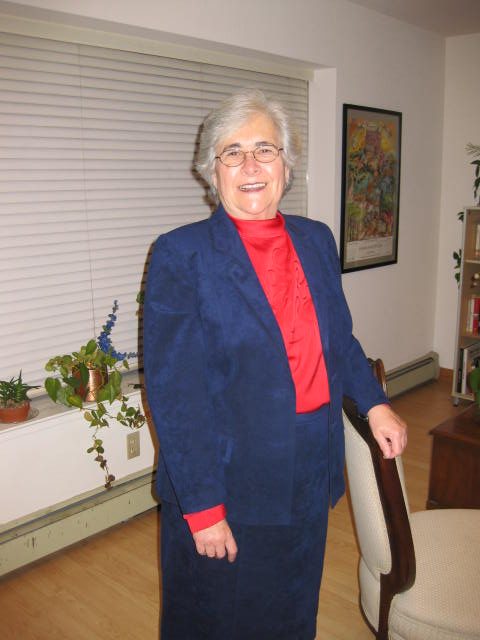
My first Talmud class experience was a weekly group in 1971 studying Taanit. In 2007 I resumed Talmud study with a weekly group I continue learning with. January 2020, I was inspired to try learning Daf Yomi. A friend introduced me to Daf Yomi for Women and Rabbanit Michelle Farber, I have kept with this program and look forward, G- willing, to complete the entire Shas with Hadran.
Lorri Lewis
Palo Alto, CA, United States
Retirement and Covid converged to provide me with the opportunity to commit to daily Talmud study in October 2020. I dove into the middle of Eruvin and continued to navigate Seder Moed, with Rabannit Michelle as my guide. I have developed more confidence in my learning as I completed each masechet and look forward to completing the Daf Yomi cycle so that I can begin again!

Rhona Fink
San Diego, United States
I’ve been learning since January 2020, and in June I started drawing a phrase from each daf. Sometimes it’s easy (e.g. plants), sometimes it’s very hard (e.g. korbanot), and sometimes it’s loads of fun (e.g. bird racing) to find something to draw. I upload my pictures from each masechet to #DafYomiArt. I am enjoying every step of the journey.

Gila Loike
Ashdod, Israel
Menachot 40
תָּנוּ רַבָּנַן: סָדִין בְּצִיצִית – בֵּית שַׁמַּאי פּוֹטְרִין וּבֵית הִלֵּל מְחַיְּיבִין, וַהֲלָכָה כְּדִבְרֵי בֵּית הִלֵּל.
The Sages taught in a baraita: With regard to ritual fringes on a linen cloak, Beit Shammai deem the cloak exempt from ritual fringes due to the fact that the sky-blue strings must be made from wool, and there is a Torah prohibition against wearing a mixture of wool and linen. And Beit Hillel deem a linen cloak obligated in the mitzva of ritual fringes. And the halakha is in accordance with the statement of Beit Hillel.
אָמַר רַבִּי אֱלִיעֶזֶר בֶּן רַבִּי צָדוֹק: וַהֲלֹא כׇּל הַמֵּטִיל תְּכֵלֶת בִּירוּשָׁלַיִם אֵינוֹ אֶלָּא מִן הַמַּתְמִיהִין!
Rabbi Eliezer ben Rabbi Tzadok says: But is it not the case that anyone who affixes sky-blue strings to a linen cloak in Jerusalem is considered nothing other than one of those who causes others to be astonished at their behavior, as it appears that he is violating the prohibition against wearing a garment containing wool and linen?
אָמַר רַבִּי: אִם כֵּן, לָמָּה אֲסָרוּהָ? לְפִי שֶׁאֵין בְּקִיאִין.
The baraita concludes: Rabbi Yehuda HaNasi says: If so, that the halakha is in accordance with Beit Hillel and a linen cloak is required to have ritual fringes, why did the Sages prohibit attaching ritual fringes to linen garments in Jerusalem? It is because people are not well versed in the halakha and might ultimately wear garments of wool and linen even when it is not necessary for the mitzva of ritual fringes.
אֲמַר לֵיהּ רָבָא בַּר רַב חָנָא לְרָבָא: וְלִרְמוֹ בֵּי עַשְׂרָה וְנִפְּקוּ לְשׁוּקָא וּמִפַּרְסְמָא (למילתא) [מִילְּתָא]! כׇּל שֶׁכֵּן דְּמַתְמְהוּ עִילָּוַן.
Rava bar Rav Ḥana said to Rava: If that is the concern, then let ten people take linen cloaks with ritual fringes and go out to the marketplace and thereby publicize the matter, i.e., that it is permitted to affix wool strings to a linen garment due to the mitzva. Rava answered: All the more so people would be astonished at us for acting in such an unconventional manner.
וְלִידְרְשַׁהּ בְּפִירְקָא! גְּזֵירָה מִשּׁוּם קָלָא אִילָן.
The Gemara suggests: Let the Rabbis teach during their public lecture that affixing wool strings to a linen garment is permitted for the mitzva of ritual fringes. The Gemara answers: Wearing strings on a linen garment is prohibited because of a rabbinic decree due to the concern that people might use strings that were dyed blue with indigo [kala ilan], instead of with tekhelet, the sky-blue dye produced from the ḥilazon (see 44b), in which case they would not fulfill the mitzva of ritual fringes and would violate the prohibition against wearing garments containing wool and linen.
וְלֹא יְהֵא אֶלָּא לָבָן! כֵּיוָן דְּאֶפְשָׁר בְּמִינָן – לָא.
The Gemara suggests: Even if one’s blue strings are not dyed with tekhelet as required for the mitzva, let them be considered merely as white strings. In the absence of tekhelet one fulfills the mitzva with white strings, and therefore it should be permitted to affix white woolen strings to a linen garment. The Gemara explains: Since it is possible to affix white strings that are the same type of material as the garment, i.e., linen, and thereby fulfill the mitzva without overriding the prohibition against wearing a garment made from wool and linen, one may not affix white wool strings to a linen garment.
כִּדְרֵישׁ לָקִישׁ, דְּאָמַר רֵישׁ לָקִישׁ: כׇּל מָקוֹם שֶׁאַתָּה מוֹצֵא עֲשֵׂה וְלֹא תַעֲשֶׂה, אִם אַתָּה יָכוֹל לְקַיֵּים אֶת שְׁנֵיהֶם – מוּטָב, וְאִם לָאו – יָבוֹא עֲשֵׂה וְיִדְחֶה אֶת לֹא תַעֲשֶׂה.
The Gemara notes: This is in accordance with the opinion of Reish Lakish. As Reish Lakish says: Any place where you find a positive mitzva and a prohibition that clash with one another, if you are able to fulfill both of them, that is preferable; and if that is not possible, the positive mitzva shall come and override the prohibition. In this case, the clash is between the mitzva of ritual fringes and the prohibition against wearing a garment that contains wool and linen. One can fulfill both of them by using white strings that are linen instead of wool if the garment is made from linen.
וְלִיבְדְּקוּהָ, אֶלָּא גְּזֵירָה מִשּׁוּם טְעִימָה.
The Gemara suggests: And let them test the strings to ascertain whether they are dyed with indigo or with tekhelet, as explained by the Gemara (42b). The Gemara responds: Rather, the prohibition against affixing ritual fringes to a linen garment is a rabbinic decree due to the concern that perhaps the sky-blue strings were colored with tekhelet dye that had been used for testing the color of the dye in the vat and therefore became unfit (see 42b). In such a case, there would be no fulfillment of the mitzva of sky-blue ritual fringes to override the prohibition against wearing a garment of wool and linen.
וְלִיכְתְּבָה אַדִּיסְקֵי! אַדִּיסְקֵי לֵיקוּם וְלִיסְמוֹךְ? אָמַר רָבָא: הַשְׁתָּא
The Gemara suggests: Let the Sages write letters informing dye producers that tekhelet that was used for testing the color of the dye in the vat is unfit for ritual fringes. The Gemara explains: Shall we go and rely on letters, assuming that dye producers will follow the instructions they contain? Rava responded to this and said: Now,
חָמֵץ בְּפֶסַח וְיוֹם הַכִּפּוּרִים דְּכָרֵת – סָמְכִינַן אַדִּיסְקֵי, הָכָא דַּעֲשֵׂה בְּעָלְמָא לֹא כׇּל שֶׁכֵּן!
with regard to the prohibitions against eating leavened bread on Passover and eating on Yom Kippur, which are punishable by karet, we rely on letters sent from the rabbinical court in Eretz Yisrael publicizing whether the year was declared a leap year and when they have declared the New Moon; here, with regard to the mitzva of ritual fringes, which is merely a positive mitzva, is it not all the more so correct that letters can be relied on?
אֶלָּא אָמַר רָבָא: הָא מִילְּתָא אָמְרִי, וְאִיתְּמַר בְּמַעְרְבָא מִשּׁוּם דְּרַבִּי זֵירָא כְּוָותִי: שֶׁמָּא יִקָּרַע סְדִינוֹ בְּתוֹךְ שָׁלֹשׁ וְיִתְפְּרֶנּוּ.
Rather, Rava said: This is a statement that I said, and it was stated in the West, Eretz Yisrael, in the name of Rabbi Zeira in accordance with my opinion: The reason for the rabbinic decree is lest one’s cloak rip within three fingerbreadths of the edge of the corner of the garment, which is where the ritual fringes are placed, and he sew it with linen string and then use the excess string for ritual fringes.
וְהַתּוֹרָה אָמְרָה: ״תַּעֲשֶׂה״ – וְלֹא מִן הֶעָשׂוּי.
And in such a case the ritual fringes would be unfit because the Torah states: “You shall prepare yourself twisted cords” (Deuteronomy 22:12), which teaches: Prepare it, and not from what has already been prepared. Consequently, the strings must be attached to the garment for the sake of the mitzva of ritual fringes. When the individual places the linen string there in order to stitch the garment and then decides to use it for the mitzva of ritual fringes and adds sky-blue wool strings, he does not fulfill the mitzva of ritual fringes and violates the prohibition against wearing a garment of wool and linen.
שְׁרָא רַבִּי זֵירָא לִסְדִינֵיהּ. רַב זֵירָא אָמַר: גְּזֵירָה נָמֵי מִשּׁוּם כְּסוּת לַיְלָה.
Because of this rabbinic decree, Rabbi Zeira untied the ritual fringes and removed them from his linen cloak. Rav Zeira said: The rabbinic decree prohibiting ritual fringes on a linen garment is also due to the concern that one might affix ritual fringes to a nighttime garment. Since the mitzva of ritual fringes does not apply in that case, if one wears the garment he would not fulfill the mitzva and would violate the prohibition against wearing a garment with wool and linen.
וְאָמַר רָבָא: הָא מִילְּתָא אֲמַרִי, וְאִיתְּמַר בְּמַעְרְבָא מִשְּׁמֵיהּ דְּרַבִּי זֵירָא כְּוָותִי: הִיא שֶׁל בֶּגֶד וּכְנָפֶיהָ שֶׁל עוֹר – חַיֶּיבֶת, הִיא שֶׁל עוֹר וּכְנָפֶיהָ שֶׁל בֶּגֶד – פְּטוּרָה. מַאי טַעְמָא? עִיקַּר בֶּגֶד בָּעֵינַן.
And Rava said: This is a statement that I said, and it was stated in the West, Eretz Yisrael, in the name of Rabbi Zeira in accordance with my opinion: If a garment is made from cloth and its corners are made from leather, it is required to have ritual fringes. Conversely, if a cloak is made from leather and its corners are made from cloth, it is exempt from the mitzva of ritual fringes. What is the reason for this? We require that the main part of the garment be obligated, and a leather garment is not required to have ritual fringes.
רַב אַחַאי אָזֵיל בָּתַר כָּנָף.
The Gemara notes: Rav Aḥai would follow the corner in determining whether the garment is required to have ritual fringes or not, because the Torah states: “On the corners of their garments” (Numbers 15:38).
אָמַר רָבָא אָמַר רַב סְחוֹרָה אָמַר רַב הוּנָא: הֵטִיל לְבַעֲלַת שָׁלֹשׁ, וְהִשְׁלִימָהּ לְאַרְבַּע – פְּסוּלָה, ״תַּעֲשֶׂה״ – וְלֹא מִן הֶעָשׂוּי.
§ Rava says that Rav Seḥora says that Rav Huna says: In a case where one affixed ritual fringes to a garment possessing only three corners, which is not required to have ritual fringes, and then completed its fourth corner by sewing on additional material or cutting away some of the material, the ritual fringes he attached to the original three corners are unfit. This is due to the principle: Prepare it, and not from what has already been prepared. Once the garment is required to have ritual fringes one may attach the ritual fringes; the strings that were attached before the garment was required to have them are not fit.
מֵיתִיבִי: חֲסִידִים הָרִאשׁוֹנִים, כֵּיוָן שֶׁאָרְגוּ בָּהּ שָׁלֹשׁ, הָיוּ מְטִילִין לָהּ תְּכֵלֶת. אֵימָא: כֵּיוָן שֶׁפָּצְעוּ בָּהּ שָׁלֹשׁ, הָיוּ מְטִילִין לָהּ תְּכֵלֶת.
The Gemara raises an objection from a baraita: It is told of the early generations of pious men that once they weaved three fingerbreadths of the length of the garment, they would affix the white and sky-blue strings to the first two corners, even though the garment was not yet long enough to be obligated to have ritual fringes. The Gemara answers: Say that the baraita should read as follows: Once they completed [shepatzu] the garment until there were only three fingerbreadths left to weave, they would affix the white and sky-blue strings to the first two corners.
וּמִי אָמְרִינַן ״תַּעֲשֶׂה״ – וְלֹא מִן הֶעָשׂוּי? (אִינִי), וְהָאָמַר רַבִּי זֵירָא: הֵטִיל לְמוּטֶּלֶת – כְּשֵׁרָה.
The Gemara asks: And do we say: Prepare it, and not from what has already been prepared? Is that so that this principle disqualifies ritual fringes that one affixed to a garment before he was required to do so? But doesn’t Rabbi Zeira say: If one affixed ritual fringes to a garment that already had ritual fringes affixed to it and then removed the original strings, it is fit, despite the fact that when he attached the second set they were superfluous? This indicates that even if one attaches ritual fringes to a garment when there is no obligation to attach them, the ritual fringes are fit.
אָמַר רָבָא: הַשְׁתָּא בְּ״בַל תּוֹסִיף״ קָאֵי, מַעֲשֶׂה לָא הָוֵי?
Rava said: This does not present a difficulty, because now that he adds a second, unnecessary set of ritual fringes and is liable for violating the prohibition of adding to a mitzva (see Deuteronomy 13:1), is it not considered an action?
מַתְקֵיף לַהּ רַב פָּפָּא: מִמַּאי דְּגַבְרָא לְאוֹסוֹפֵי קָא מִיכַּוֵּין? דִּלְמָא לְבַטּוֹלֵי קָא מִיכַּוֵּין, וּ״בַל תּוֹסִיף״ לֵיכָּא, מַעֲשֶׂה אִיכָּא!
Rav Pappa objects to this: From where is it known that Rabbi Zeira is discussing a case where the person intended to add to the original set of ritual fringes? Perhaps Rabbi Zeira is discussing a case where he intended to nullify the original strings, and therefore there is no prohibition of adding to a mitzva, and there is an action.
אָמַר רַבִּי זֵירָא אָמַר רַב מַתְנָא אָמַר שְׁמוּאֵל: תְּכֵלֶת אֵין בָּהּ מִשּׁוּם כִּלְאַיִם, וַאֲפִילּוּ בְּטַלִּית פְּטוּרָה.
With regard to the issue of affixing ritual fringes to a garment that already has ritual fringes, the Gemara relates: Rabbi Zeira says that Rav Mattana says that Shmuel says: White and sky-blue strings are not subject to the prohibition of diverse kinds, and this is the halakha even if they are affixed to a cloak that is exempt from ritual fringes.
מַאי טַלִּית פְּטוּרָה? אִילֵּימָא דְּלֵית בַּהּ שִׁיעוּרָא, וְהָתַנְיָא: טַלִּית שֶׁהַקָּטָן מִתְכַּסֶּה בּוֹ רֹאשׁוֹ וְרוּבּוֹ
The Gemara asks: What is meant by: A cloak that is exempt from ritual fringes? If we say that it is referring to a cloak that is not of the size necessary to require the affixing of ritual fringes, that is difficult: But isn’t it taught in a baraita: With regard to a cloak that is large enough for a minor to cover his head and most of his body with it,
Follow

