










Laws regarding impurities of bones for impurities of dead bodies, sacrifices, and dead animals/rodents – what are the differences between them? Is the impurities of a dead body in the mishna relevant just for impurity transmitted by touch or also by covering (tent)?
Masechet Chullin is sponsored by Judi Felber in honor of the Hadran Community. “During my first cycle of Daf Yomi, just as we began Masechet Chullin, my son was injured while serving in the IDF. Throughout those two and a half months of difficulty and uncertainty, my fellow learners never left my side. With profound gratitude to the community that held me, encouraged me, and ensured I could keep up with the Daf during those trying times.”
This month’s learning is sponsored by Adam, Carolyn, Michal, Josh, Benny, Izzy, Gali, Shim, Zoe, Zachy and Yehuda in loving memory of Judith Rosenfeld Hochstadter, Gittel bat Kreindel v’Binyamin BenZion on her second yahrzeit. “Her curiosity, humor, intellect and devout nature continues to inspire and hold us accountable. We miss her and think of her in all our pursuits, especially in our Hadran learning, where she would be glad to know that she didn’t have to boil more than 1 egg at a time!!”
Want to dedicate learning? Get started here:
English
עברית

0:00
0:00
0:00
0:00
Today’s daily daf tools:
Masechet Chullin is sponsored by Judi Felber in honor of the Hadran Community. “During my first cycle of Daf Yomi, just as we began Masechet Chullin, my son was injured while serving in the IDF. Throughout those two and a half months of difficulty and uncertainty, my fellow learners never left my side. With profound gratitude to the community that held me, encouraged me, and ensured I could keep up with the Daf during those trying times.”
This month’s learning is sponsored by Adam, Carolyn, Michal, Josh, Benny, Izzy, Gali, Shim, Zoe, Zachy and Yehuda in loving memory of Judith Rosenfeld Hochstadter, Gittel bat Kreindel v’Binyamin BenZion on her second yahrzeit. “Her curiosity, humor, intellect and devout nature continues to inspire and hold us accountable. We miss her and think of her in all our pursuits, especially in our Hadran learning, where she would be glad to know that she didn’t have to boil more than 1 egg at a time!!”
Chullin 125
וְקוּלִית הַמּוּקְדָּשִׁין, הַנּוֹגֵעַ בָּהֶן, בֵּין סְתוּמִים בֵּין נְקוּבִים – טָמֵא.
and the thigh bone of a sacrificial animal that was rendered unfit as piggul, i.e., an offering that was sacrificed with the intent to consume it after its designated time, or notar, i.e., part of an offering left over after the time allotted for its consumption, whether these thigh bones were sealed and there was no access to the marrow, or whether they were perforated and there was access to the marrow, one who touches them is ritually impure. The reason is that a piece of bone of a corpse the size of a barley grain imparts impurity, and the bone of a sacrificial animal that was disqualified in this manner imparts impurity by rabbinic decree via contact.
קוּלִית נְבֵלָה וְקוּלִית הַשֶּׁרֶץ, הַנּוֹגֵעַ בָּהֶם סְתוּמִים – טְהוֹרִים, נְקוּבִים כׇּל שֶׁהוּא – מְטַמֵּא בְּמַגָּע. מִנַּיִן שֶׁאַף בְּמַשָּׂא? תַּלְמוּד לוֹמַר ״הַנּוֹגֵעַ … וְהַנּוֹשֵׂא״, אֶת שֶׁבָּא לִכְלַל מַגָּע – בָּא לִכְלַל מַשָּׂא, לֹא בָּא לִכְלַל מַגָּע – לֹא בָּא לִכְלַל מַשָּׂא.
With regard to the thigh bone of an unslaughtered carcass and the thigh bone of a creeping animal, one who touches them when they are sealed remains ritually pure. If one of these thigh bones was perforated at all, it imparts impurity via contact, as in that case contact with the bone is tantamount to contact with the marrow. From where is it derived that even with regard to impurity transmitted via carrying there is a distinction between sealed and perforated thigh bones? It is derived from a verse, as the verse states: “One who touches the carcass thereof shall be impure until the evening; and one who carries the carcass thereof shall be impure until the evening” (Leviticus 11:39–40), indicating: That which enters the category of impurity via contact, enters the category of impurity via carrying; that which does not enter the category of impurity via contact, does not enter the category of impurity via carrying.
גְּמָ׳ נוֹגֵעַ – אִין, אֲבָל מַאֲהִיל – לָא.
GEMARA: The mishna teaches that one who touches the thigh bone of a human corpse is ritually impure, whether or not it was sealed. The Gemara infers that with regard to one who touches the bone, yes, he is impure, but one who overlies the thigh bone is not impure, as it does not transmit impurity to that which is above it or under the same roof.
הֵיכִי דָמֵי? אִי דְּאִיכָּא כְּזַיִת בָּשָׂר – בְּאֹהֶל נָמֵי לִיטַמֵּא! דְּלֵיכָּא כְּזַיִת בָּשָׂר.
The Gemara asks: What are the circumstances? If there is an olive-bulk of flesh attached to the bone then it should transmit impurity in a tent, i.e., to that which is under the same roof, as well. The Gemara answers: The mishna is discussing a case where there is not an olive-bulk of flesh attached to the bone.
וְאִי דְּאִיכָּא כְּזַיִת מוֹחַ מִבִּפְנִים – טוּמְאָה בּוֹקַעַת וְעוֹלָה, בְּאֹהֶל נָמֵי לִיטַמֵּא! דְּלֵיכָּא כְּזַיִת מוֹחַ בִּפְנִים.
The Gemara objects: But if there is an olive-bulk of marrow inside the bone, the impurity breaks through the bone, so to speak, and ascends beyond it. Therefore, it should transmit impurity in a tent as well. The Gemara explains: The mishna is discussing a case where there is not an olive-bulk of marrow inside the bone.
וְאִי מוֹחַ מִבִּפְנִים מַעֲלֶה אֲרוּכָה מִבַּחוּץ, אֵבֶר מְעַלְּיָא הִיא, בְּאֹהֶל נָמֵי לִיטַמֵּא! אָמַר רַב יְהוּדָה בְּרֵיהּ דְּרַבִּי חִיָּיא: זֹאת אוֹמֶרֶת, מוֹחַ בִּפְנִים אֵינוֹ מַעֲלֶה אֲרוּכָה מִבַּחוּץ.
The Gemara objects: But if the mishna maintains that marrow inside the bone of a living person heals the flesh outside the bone, then since the marrow could replenish itself and catalyze the growth of flesh on the bone it is a proper limb. Therefore, as is the case with any piece of a proper limb, even one less than the size of an olive-bulk, it should transmit impurity in a tent as well. Rav Yehuda, son of Rabbi Ḥiyya, says: That is to say that the mishna maintains that marrow inside the bone does not heal the flesh outside the bone.
בְּמַאי אוֹקֵימְתַּהּ? דְּלֵיכָּא כְּזַיִת. אִי הָכִי, בְּמוּקְדָּשִׁים אַמַּאי מְטַמֵּא?
The Gemara asks: To what case did you interpret the mishna to be referring? It is a case where there is not an olive-bulk of marrow. If so, in the case of a sacrificial animal, why does the thigh bone impart impurity? The Sages issued a decree that the bones of a sacrificial animal that are attached to flesh or contain marrow that became piggul or notar render those who touch them impure, as they serve as handles or protection for the flesh or marrow. By contrast, in this case there can be no piggul or notar because there is less than an olive-bulk of flesh or marrow.
וְתוּ, קוּלִית נְבֵלָה וְקוּלִית הַשֶּׁרֶץ כִּי נִיקְּבוּ, אַמַּאי מְטַמְּאוּ?
And furthermore, if the mishna is discussing a case where there is not an olive-bulk of marrow, why do the thigh bone of an unslaughtered carcass and the thigh bone of a creeping animal impart impurity in a case when they were perforated?
הָא לָא קַשְׁיָא, רֵישָׁא דְּלֵיכָּא כְּזַיִת, סֵיפָא דְּאִיכָּא כְּזַיִת. וּמַאי קָא מַשְׁמַע לַן? מִילֵּי מִילֵּי קָא מַשְׁמַע לַן.
The Gemara answers: That is not difficult. The first clause of the mishna, which discusses the thigh bone of a corpse, is referring to a case where there is not an olive-bulk of marrow. The latter clause of the mishna, which discusses the thigh bones of a sacrificial animal, an unslaughtered carcass, and a creeping animal, is referring to a case where there is an olive-bulk of marrow. And accordingly, what is the tanna of the mishna teaching us? He is teaching us several distinct matters separately, as follows.
רֵישָׁא קָא מַשְׁמַע לַן דְּמוֹחַ מִבִּפְנִים אֵינוֹ מַעֲלֶה אֲרוּכָה מִבַּחוּץ. מוּקְדָּשִׁין מַאי קָא מַשְׁמַע לַן? שִׁימּוּשׁ נוֹתָר מִילְּתָא הִיא, דְּאָמַר מָרִי בַּר אֲבוּהּ אָמַר רַבִּי יִצְחָק: עַצְמוֹת קָדָשִׁים שֶׁשִּׁימְּשׁוּ נוֹתָר, מְטַמְּאִין אֶת הַיָּדַיִם, הוֹאִיל וְנַעֲשָׂה בָּסִיס לְדָבָר הָאָסוּר.
In the first clause he is teaching us that the marrow inside the bone does not heal the flesh outside the bone. With regard to the thigh bone of sacrificial animals, what is he teaching us? He is teaching us that a bone that serves as a handle or protection for flesh or marrow that became notar is significant and imparts impurity, as Mari bar Avuh said that Rabbi Yitzḥak said: Bones of sacrificial animals that served as a handle for notar, meaning that they have leftover meat on them or inside them after the allotted time for its consumption, transmit impurity to the hands of those who handle them, just as the leftover sacrificial meat itself transmits impurity to the hands. Since the bones have become a base for an intrinsically forbidden object, they are treated in the same manner as the forbidden object itself.
נְבֵלָה, אַף עַל גַּב דְּאִיכָּא כְּזַיִת, נִיקְּבָה – אִין, לֹא נִיקְּבָה – לָא.
Next, the tanna of the mishna teaches that with regard to the thigh bone of an unslaughtered carcass, even if there is an olive-bulk of marrow inside, if it was perforated it does impart impurity, but if it was not perforated, it does not impart impurity.
אַבָּיֵי אָמַר: לְעוֹלָם מוֹחַ מִבִּפְנִים מַעֲלֶה אֲרוּכָה מִבַּחוּץ, וְהָכָא בְּמַאי עָסְקִינַן – בְּשֶׁשִּׁפָּהּ.
Abaye said: Actually, the tanna of the mishna maintains that marrow inside the bone heals the flesh outside the bone. And with regard to the consequent assertion: If so, the thigh bone should impart impurity in a tent as well, the explanation is that here we are dealing with a case where one scraped the bone. Therefore, the flesh and the marrow can no longer heal, and the bone is not considered a proper limb that imparts impurity in a tent.
וְכִדְרַבִּי אֶלְעָזָר, דְּאָמַר רַבִּי אֶלְעָזָר: קוּלִית שֶׁשִּׁפָּהּ לְאׇרְכָּהּ – טְמֵאָה, לְרׇחְבָּהּ – טְהוֹרָה, וְסִימָנָיךְ – דִּיקְלָא.
And this mishna is in accordance with the opinion of Rabbi Elazar, as Rabbi Elazar said: A thigh bone that one scraped lengthwise is impure like a limb. Even if it is not attached to flesh or marrow, a bone scraped in such a manner still has the ability to heal. But if one scraped it widthwise it will not heal and is therefore pure. And your mnemonic to remember which can heal and which cannot is a palm tree, because if one sawed a strip off of a palm tree lengthwise it can heal, but if one did so widthwise, i.e., one sawed a strip off of the circumference of the tree, the flow of sap is disrupted and the tree cannot heal.
וְרַבִּי יוֹחָנָן אָמַר: לְעוֹלָם דְּאִיכָּא כְּזַיִת, וּמוֹחַ מִבִּפְנִים מַעֲלֶה אֲרוּכָה מִבַּחוּץ, וּמַאי נוֹגֵעַ דְּקָתָנֵי – מַאֲהִיל.
And Rabbi Yoḥanan said: Actually, the mishna is discussing a case where there is an olive-bulk of marrow in the bone. And the tanna of the mishna also holds that marrow inside the bone heals the flesh outside the bone. And as for the consequent assertion: If so, the bone should transmit impurity in a tent, in fact the bone does impart impurity in a tent. And to what is the mishna referring when it teaches that one who touches the bone is ritually impure? It is also referring to one who overlies the bone.
וְאִי מוֹחַ מִבִּפְנִים מַעֲלֶה אֲרוּכָה מִבַּחוּץ, קוּלִית נְבֵלָה וְקוּלִית הַשֶּׁרֶץ כִּי לֹא נִקְּבוּ, אַמַּאי טְהוֹרִים?
The Gemara asks: But if the marrow inside the bone heals the flesh outside the bone, why does the mishna teach that the thigh bone of a carcass and the thigh bone of a creeping animal are pure when they were not perforated?
אָמַר רַבִּי בִּנְיָמִין בַּר גִּידֵּל, אָמַר רַבִּי יוֹחָנָן: הָכָא בְּמַאי עָסְקִינַן, כְּגוֹן דְּאִיכָּא כְּזַיִת מוֹחַ הַמִּתְקַשְׁקֵשׁ, גַּבֵּי מֵת – טוּמְאָה בּוֹקַעַת וְעוֹלָה, נְבֵלָה – כֵּיוָן דְּמִתְקַשְׁקֵשׁ הוּא, נִיקְּבָה – אִין, לֹא נִיקְּבָה – לָא.
Rabbi Binyamin bar Giddel said that Rabbi Yoḥanan said: Here we are dealing with a case where there is an olive-bulk of marrow that has become detached and is rattling inside the bone. With regard to impurity imparted by a corpse, the impurity breaks through the bone and ascends, and it therefore transmits impurity in a tent. But with regard to the impurity of a carcass, since the marrow is loose and rattling, it will not heal. Therefore, if the bone was perforated and it is possible to touch the marrow, the bone does impart impurity. But if the bone was not perforated it does not impart impurity.
אָמַר רַבִּי אָבִין, וְאִיתֵּימָא רַבִּי יוֹסֵי בַּר אָבִין: אַף אֲנַן נָמֵי תְּנֵינָא – הַנּוֹגֵעַ בְּכַחֲצִי זַיִת, וּמַאֲהִיל עַל חֲצִי זַיִת, אוֹ חֲצִי זַיִת מַאֲהִיל עָלָיו – טָמֵא.
According to Rabbi Yoḥanan, overlying is referred to as touching in the mishna. Rabbi Avin said, and some say it was Rabbi Yosei bar Avin who said: We learn in a mishna as well (Oholot 3:1): In the case of one who touches with one hand half an olive-bulk of a corpse and simultaneously his other hand overlies half an olive-bulk or half an olive-bulk of flesh from a corpse overlies him, he is impure.
אִי אָמְרַתְּ בִּשְׁלָמָא חַד שְׁמָא הוּא – מִשּׁוּם הָכִי מִצְטָרֵף.
Granted, if you say that impurity via contact and impurity transmitted in a tent or to one overlying a part of the corpse are one concept, it is due to that reason that the half olive-bulk of impurity that he touched and the half olive-bulk of impurity that he overlaid join together to constitute the requisite measure of an olive-bulk.
אֶלָּא אִי אָמְרַתְּ תְּרֵי שְׁמֵי נִינְהוּ – מִי מִצְטָרֵף? וְהָתְנַן: זֶה הַכְּלָל, כֹּל שֶׁהוּא מִשֵּׁם אֶחָד – מִצְטָרֵף וְטָמֵא, מִשְּׁנֵי שֵׁמוֹת – טָהוֹר!
But if you say that they are two concepts, how can they join together? But didn’t we learn in that mishna (Oholot 3:1): This is the principle: Any impure items lacking the requisite volume to have impure status on their own that are of one concept join together and are impure; if they are of two concepts, they do not join together and remain pure?Apparently, touching and overlying a corpse create the same type of impurity, and therefore overlying is referred to as touching in the mishna here.
אֶלָּא מַאי חַד שְׁמָא הוּא? אֵימָא סֵיפָא: אֲבָל
The Gemara challenges: Rather, what is the alternative? Is it one concept that comprises both touching and overlying? Say the latter clause of the mishna in tractate Oholot: But
הַנּוֹגֵעַ בְּכַחֲצִי זַיִת, וְדָבָר אַחֵר מַאֲהִיל עָלָיו וְעַל כַּחֲצִי זַיִת – טָהוֹר.
in the case of one who touches half an olive-bulk of flesh from a corpse and simultaneously another item overlies both him and half an olive-bulk of flesh from a corpse, he remains pure.
וְאִי חַד שְׁמָא הוּא, אַמַּאי טָהוֹר? אֶלָּא, קַשְׁיָא רֵישָׁא.
But if impurity via contact and via a tent are considered one concept, why does he remain pure? Rather, based on the latter clause of the mishna, the first clause of the mishna is difficult, because it indicates that these two categories of impurity are considered one concept and join together to constitute the requisite measure for impurity.
אָמַר רַבִּי זֵירָא: בְּטוּמְאָה רְצוּצָה בֵּין שְׁנֵי מִגְדָּלִים עָסְקִינַן, וְאֵין בֵּינֵיהֶן פּוֹתֵחַ טֶפַח, דְּכוּלַּהּ נְגִיעָה הִיא.
Rabbi Zeira said: In the first clause of the mishna we are dealing with a case where the source of impurity is pressed between two wooden chests and there is no opening of one handbreadth in between the chests. When the hand of a person overlies the chests, the impurity of the pressed item rises beyond the chests and it transmits impurity to the person. Therefore, his interaction with all the sources of impurity is considered as though he is touching them simultaneously. Consequently, there is no proof in the mishna for the opinion of Rabbi Yoḥanan that imparting impurity via contact and via a tent are considered the same concept.
וּמַאן תַּנָּא דְּקָרֵי לְאֹהֶל ״נוֹגֵעַ״? רַבִּי יוֹסֵי הִיא, דְּתַנְיָא: רַבִּי יוֹסֵי אוֹמֵר: מְלֹא תַרְוָוד רָקָב מְטַמֵּא בְּמַגָּע, וּבְמַשָּׂא, וּבְאֹהֶל.
Therefore, the Gemara asks: Who is the tanna who refers to impurity imparted in a tent as one who touches [noge’a]? The Gemara answers: It is Rabbi Yosei, as it is taught in a baraita (Tosefta, Oholot 4:1): Rabbi Yosei says: A full ladle [tarvad] of dust from a corpse imparts impurity like the corpse itself in three ways: By contact [bemagga], and by carrying, and in a tent.
בִּשְׁלָמָא בְּמַשָּׂא וּבְאֹהֶל, הָא קָא טָעֵין לֵיהּ לְכוּלֵּיהּ, וְהָא קָא מַאֲהֵיל אַכּוּלֵּיהּ. אֶלָּא נוֹגֵעַ – הָא לָא נָגַע בְּכוּלֵּיהּ! אֶלָּא לָאו שְׁמַע מִינַּהּ: מַאי ״נוֹגֵעַ״ – מַאֲהִיל.
Granted, the dust of a corpse imparts impurity via carrying and in a tent; this one who carries it carries the entire amount of dust and that one who overlies the dust overlies all of it. But with regard to one who touches it, one does not touch all of the dust, and it should therefore be impossible for one to become impure via contact. Rather, isn’t it correct to conclude from this baraita: To what is the term noge’a referring? It is referring to one who overlies the dust.
וְהָא קָתָנֵי ״נוֹגֵעַ״, וְהָא קָתָנֵי ״מַאֲהִיל״! אָמַר אַבָּיֵי: לְמַטָּה מִטֶּפַח – אֹהֶל נְגִיעָה, לְמַעְלָה מִטֶּפַח – אֹהֶל גְּרֵידָא.
The Gemara asks: How is it possible to explain the baraita in such a manner? But doesn’t Rabbi Yosei teach the case of one who touches separately, and doesn’t he teach the case of one who overlies separately? Therefore, the term noge’a cannot be referring to overlying. Abaye said: That is not difficult because there are two types of overlying. With regard to a tent that overlies impurity at a height of below one handbreadth, that tent is referred to as touching. But a tent that overlies impurity at a height of above one handbreadth is referred to as merely a tent.
רָבָא אָמַר: אֲפִילּוּ לְמַעְלָה מִטֶּפַח נָמֵי אֹהֶל נְגִיעָה הוּא, וְהֵיכִי דָּמֵי אֹהֶל גְּרֵידָא? בְּהַמְשָׁכָה.
Rava said: According to Rabbi Yosei, even a tent that overlies impurity at a height above one handbreadth is referred to as touching. And what are the circumstances of a tent that is referred to as merely a tent and not as touching? The term tent is referring to the case of a structure that overlies both a person and a source of impurity, thereby spreading the impurity from its source to the person.
אָמַר רָבָא: מְנָא אָמֵינָא לַהּ? דִּתְנַן, רַבִּי יוֹסֵי אוֹמֵר: חֲבִילֵי מִטָּה וּסְרִיגֵי חַלּוֹנוֹת חוֹצְצִין בֵּין הַבַּיִת לַעֲלִיָּיה, שֶׁלֹּא לְהַכְנִיס טוּמְאָה לְצַד שֵׁנִי.
Rava said: From where do I say my opinion? It is as we learned in a baraita (Tosefta, Oholot 9:4) that Rabbi Yosei says: With regard to bundles that serve as a bed and grilles taken from windows, if one placed them between the ground floor and the upper floor of the house such that they serve as a ceiling, since they have become part of the building they are not susceptible to impurity. Therefore, even if there are holes in the bundles and the grilles, they serve as a barrier between the house and the upper floor such that the impurity of a corpse present in the area of the house cannot enter the other side, i.e., the upper floor.
פְּרָסָן עַל פְּנֵי הַמֵּת בַּאֲוִיר, הַנּוֹגֵעַ כְּנֶגֶד הַנֶּקֶב – טָמֵא, שֶׁלֹּא כְּנֶגֶד הַנֶּקֶב – טָהוֹר.
And if one spread out the bundles and grilles outside the house in an impermanent manner by hanging them over a corpse in the air like a net, one who touches, i.e., overlies the corpse, opposite a hole in the netting becomes impure. By contrast, one who overlies it not opposite a hole remains pure.
הֵיכִי דָמֵי? אִילֵּימָא לְמַטָּה מִטֶּפַח, שֶׁלֹּא כְּנֶגֶד הַנֶּקֶב – אַמַּאי טָהוֹר? מֵת בִּכְסוּתוֹ הִיא, וּמֵת בִּכְסוּתוֹ מְטַמֵּא!
Rava explains his proof: What are the circumstances? If we say that he spread out the netting below the height of one handbreadth above the corpse, why does one who overlies the corpse not opposite a hole in the netting remain pure? In such a case, the netting is close enough to the corpse to be considered part of the clothing of the corpse. Therefore, the case is tantamount to one where the corpse is dressed in its clothing, and a corpse dressed in its clothing imparts impurity to one who overlies it because the clothing does not act as a barrier.
אֶלָּא לָאו לְמַעְלָה מִטֶּפַח, וְקָא קָרֵי לֵיהּ ״נוֹגֵעַ״.
Rather, is it not the case that he spread out the netting more than one handbreadth above the corpse? And Rabbi Yosei refers to overlying the corpse as touching. Apparently, contrary to the opinion of Abaye, Rabbi Yosei refers to overlying as touching even when the overlying item is more than one handbreadth above the source of impurity.
אָמַר אַבָּיֵי: לְעוֹלָם לְמַטָּה מִטֶּפַח, וּדְקָאָמְרַתְּ: מֵת בִּכְסוּתוֹ הוּא – מֵת בִּכְסוּתוֹ מְבַטֵּל לֵיהּ, הַאי לָא מְבַטֵּל לֵיהּ.
Abaye rejected Rava’s proof and said: Actually, the case is one where one spread the netting out below the height of one handbreadth above the corpse. And with regard to that which you say: If so, one who overlies the corpse not opposite a hole in the netting should also become impure as it is tantamount to a case of a corpse dressed in its clothing, this case is not similar to the case of a corpse dressed in its clothing. In the case of a corpse dressed in its clothing the clothing does not act as a barrier to the impurity because the one who dressed the corpse nullified the clothing by rendering its status as though it is a part of the corpse. But in this case in the baraita, the one who spread out the netting over the corpse intended to remove the bundles and grilles afterward and he did not nullify them.
וְתֶהֱוֵי כְּטוּמְאָה טְמוּנָה בּוֹקַעַת וְעוֹלָה? קָסָבַר רַבִּי יוֹסֵי: טוּמְאָה טְמוּנָה אֵינָהּ בּוֹקַעַת.
The Gemara objects with regard to Abaye’s explanation: But if the case is one where he spread out the netting less than one handbreadth above the corpse, even if it is not considered the clothing of the corpse, let it be considered like a source of impurity hidden underneath an overlying structure at a distance of less than one handbreadth. In such a case, the impurity breaks through and ascends, and therefore it should transmit impurity even to one who overlies it not opposite a hole in the netting. The Gemara explains: Rabbi Yosei holds that hidden impurity does not break through and ascend.
וּמְנָא תֵּימְרָא? דִּתְנַן: תֵּיבַת הַמִּגְדָּל שֶׁיֵּשׁ בָּהּ פּוֹתֵחַ טֶפַח וְאֵין בִּיצִיאָתָהּ פּוֹתֵחַ טֶפַח, טוּמְאָה בְּתוֹכָהּ – הַבַּיִת טָמֵא; טוּמְאָה בַּבַּיִת – מַה שֶּׁבְּתוֹכָהּ טָהוֹר.
And from where do you say that this is the opinion of Rabbi Yosei? It is as we learned in a mishna (Oholot 4:2): In the case of a compartment in a chest that is inside a house, in which the open space of the compartment itself has at least one cubic handbreadth in volume, but the opening of the compartment to the house does not have the area of one square handbreadth, and the volume of the entire chest is forty se’a, in that case, if there is a source of impurity inside the compartment, the compartment does not act as a barrier and the house is impure. If the source of impurity is inside the house but outside the chest, whatever is inside the compartment remains pure, because the opening of the compartment is less than one handbreadth.
מִפְּנֵי שֶׁדֶּרֶךְ טוּמְאָה לָצֵאת, וְאֵין דֶּרֶךְ טוּמְאָה לִיכָּנֵס.
This differentiation exists because it is typical for a source of impurity to exit from its location, and therefore impurity can be transmitted out of the compartment and into the house. But it is not typical for a source of impurity to enter a location, and therefore an impure item that lies in the house does not transmit impurity into the compartment. Since the volume of the chest is forty se’a it constitutes a separate tent, and the compartment that is part of the chest is also considered part of this tent.
וְרַבִּי יוֹסֵי מְטַהֵר, מִפְּנֵי שֶׁיָּכוֹל הוּא לְהוֹצִיאָהּ לַחֲצָאִין, אוֹ לְשׂוֹרְפָהּ בִּמְקוֹמָהּ.
And Rabbi Yosei deems the house pure when the impure item is in the compartment. The item will not necessarily impart impurity outside of the compartment because one can remove the source of impurity from the compartment in halves, i.e., in pieces that each measure less than the requisite amount to impart impurity. Or, alternatively, one can burn the source of impurity while it still remains in its place inside the compartment.
וְקָתָנֵי סֵיפָא: הֶעֱמִידָהּ בַּפֶּתַח, וּפִתְחָהּ לַחוּץ – טוּמְאָה בְּתוֹכָהּ, הַבַּיִת טָהוֹר; טוּמְאָה בַּבַּיִת, מַה שֶּׁבְּתוֹכָהּ טָהוֹר.
And the latter clause of that mishna teaches: If one placed the chest in the entrance to the house and the opening of the compartment is facing out of the house, if there is a source of impurity inside the chest, the house remains pure because the impure item will typically exit the house. If there is a source of impurity in the house, whatever is inside the chest remains pure, because the source of impurity will not enter the chest.
Follow

Today’s daily daf tools:
Delve Deeper
Broaden your understanding of the topics on this daf with classes and podcasts from top women Talmud scholars.


Hullin 82: Who’s Tracking the Animals and Their Offspring?
July 22, 2026 | ח׳ באב תשפ״ו
Hullin 76: Doh! Even the Sages Realize What They Could Have Said Better
July 16, 2026 | ב׳ באב תשפ״ו

Hullin 73: Impurity without Shechitah – Hypothetically Hypothetical Cases
July 12, 2026 | כ״ז בתמוז תשפ״ו
New to Talmud?
Check out our resources designed to help you navigate a page of Talmud – and study at the pace, level and style that fits you.
The Hadran Women’s Tapestry
Meet the diverse women learning Gemara at Hadran and hear their stories.
Studying has changed my life view on הלכה and יהדות and time. It has taught me bonudaries of the human nature and honesty of our sages in their discourse to try and build a nation of caring people .

Goldie Gilad
Kfar Saba, Israel
I went to day school in Toronto but really began to learn when I attended Brovenders back in the early 1980’s. Last year after talking to my sister who was learning Daf Yomi, inspired, I looked on the computer and the Hadran site came up. I have been listening to each days shiur in the morning as I work. I emphasis listening since I am not sitting with a Gamara. I listen while I work in my studio.
Rachel Rotenberg
Tekoa, Israel
Last cycle, I listened to parts of various מסכתות. When the הדרן סיום was advertised, I listened to Michelle on נידה. I knew that בע”ה with the next cycle I was in (ב”נ). As I entered the סיום (early), I saw the signs and was overcome with emotion. I was randomly seated in the front row, and I cried many times that night. My choice to learn דף יומי was affirmed. It is one of the best I have made!

Miriam Tannenbaum
אפרת, Israel
I’ve been studying Talmud since the ’90s, and decided to take on Daf Yomi two years ago. I wanted to attempt the challenge of a day-to-day, very Jewish activity. Some days are so interesting and some days are so boring. But I’m still here.

Wendy Rozov
Phoenix, AZ, United States
Ive been learning Gmara since 5th grade and always loved it. Have always wanted to do Daf Yomi and now with Michelle Farber’s online classes it made it much easier to do! Really enjoying the experience thank you!!

Lisa Lawrence
Neve Daniel, Israel
As Jewish educator and as a woman, I’m mindful that Talmud has been kept from women for many centuries. Now that we are privileged to learn, and learning is so accessible, it’s my intent to complete Daf Yomi. I am so excited to keep learning with my Hadran community.
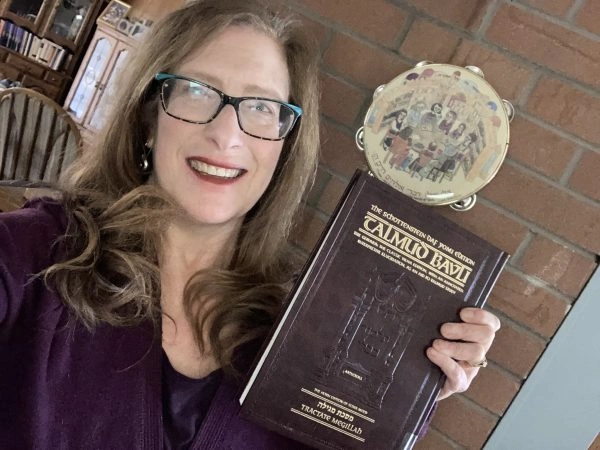
Sue Parker Gerson
Denver, United States
I’ve been wanting to do Daf Yomi for years, but always wanted to start at the beginning and not in the middle of things. When the opportunity came in 2020, I decided: “this is now the time!” I’ve been posting my journey daily on social media, tracking my progress (#DafYomi); now it’s fully integrated into my daily routines. I’ve also inspired my partner to join, too!

Joséphine Altzman
Teaneck, United States
I started at the beginning of this cycle. No 1 reason, but here’s 5.
In 2019 I read about the upcoming siyum hashas.
There was a sermon at shul about how anyone can learn Talmud.
Talmud references come up when I am studying. I wanted to know more.
Yentl was on telly. Not a great movie but it’s about studying Talmud.
I went to the Hadran website: A new cycle is starting. I’m gonna do this

Denise Neapolitan
Cambridge, United Kingdom
After experiences over the years of asking to join gemara shiurim for men and either being refused by the maggid shiur or being the only women there, sometimes behind a mechitza, I found out about Hadran sometime during the tail end of Masechet Shabbat, I think. Life has been much better since then.
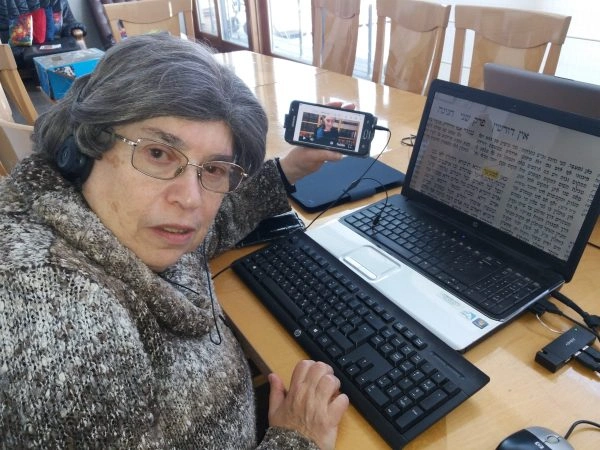
Madeline Cohen
London, United Kingdom
I started learning with rabbis. I needed to know more than the stories. My first teacher to show me “the way of the Talmud” as well as the stories was Samara Schwartz.
Michelle Farber started the new cycle 2 yrs ago and I jumped on for the ride.
I do not look back.

Jenifer Nech
Houston, United States
I was inspired to start learning after attending the 2020 siyum in Binyanei Hauma. It has been a great experience for me. It’s amazing to see the origins of stories I’ve heard and rituals I’ve participated in my whole life. Even when I don’t understand the daf itself, I believe that the commitment to learning every day is valuable and has multiple benefits. And there will be another daf tomorrow!

Khaya Eisenberg
Jerusalem, Israel
I decided to learn one masechet, Brachot, but quickly fell in love and never stopped! It has been great, everyone is always asking how it’s going and chering me on, and my students are always making sure I did the day’s daf.
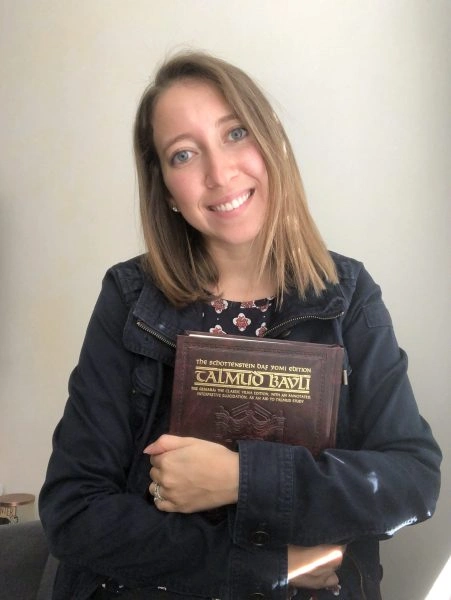
Yafit Fishbach
Memphis, Tennessee, United States
I started learning daf in January, 2020, being inspired by watching the Siyyum Hashas in Binyanei Haumah. I wasn’t sure I would be able to keep up with the task. When I went to school, Gemara was not an option. Fast forward to March, 2022, and each day starts with the daf. The challenge is now learning the intricacies of delving into the actual learning. Hadran community, thank you!

Rochel Cheifetz
Riverdale, NY, United States
I started Daf during the pandemic. I listened to a number of podcasts by various Rebbeim until one day, I discovered Rabbanit Farbers podcast. Subsequently I joined the Hadran family in Eruvin. Not the easiest place to begin, Rabbanit Farber made it all understandable and fun. The online live group has bonded together and have really become a supportive, encouraging family.

Leah Goldford
Edmonton, Alberta, Canada
I began learning with Rabbanit Michelle’s wonderful Talmud Skills class on Pesachim, which really enriched my Pesach seder, and I have been learning Daf Yomi off and on over the past year. Because I’m relatively new at this, there is a “chiddush” for me every time I learn, and the knowledge and insights of the group members add so much to my experience. I feel very lucky to be a part of this.

Julie Landau
Karmiel, Israel
Years ago, I attended the local Siyum HaShas with my high school class. It was inspiring! Through that cycle and the next one, I studied masekhtot on my own and then did “daf yomi practice.” The amazing Hadran Siyum HaShas event firmed my resolve to “really do” Daf Yomi this time. It has become a family goal. We’ve supported each other through challenges, and now we’re at the Siyum of Seder Moed!

Elisheva Brauner
Jerusalem, Israel
I read Ilana Kurshan’s “If All the Seas Were Ink” which inspired me. Then the Women’s Siyum in Jerusalem in 2020 convinced me, I knew I had to join! I have loved it- it’s been a constant in my life daily, many of the sugiyot connect to our lives. My family and friends all are so supportive. It’s incredible being part of this community and love how diverse it is! I am so excited to learn more!

Shira Jacobowitz
Jerusalem, Israel
I started learning when my brother sent me the news clip of the celebration of the last Daf Yomi cycle. I was so floored to see so many women celebrating that I wanted to be a part of it. It has been an enriching experience studying a text in a language I don’t speak, using background knowledge that I don’t have. It is stretching my learning in unexpected ways, bringing me joy and satisfaction.

Jodi Gladstone
Warwick, Rhode Island, United States
My husband learns Daf, my son learns Daf, my son-in-law learns Daf.
When I read about Hadran’s Siyyum HaShas 2 years ago, I thought- I can learn Daf too!
I had learned Gemara in Hillel HS in NJ, & I remembered loving it.
Rabbanit Michelle & Hadran have opened my eyes & expanding my learning so much in the past few years. We can now discuss Gemara as a family.
This was a life saver during Covid

Renee Braha
Brooklyn, NY, United States
A beautiful world of Talmudic sages now fill my daily life with discussion and debate.
bringing alive our traditions and texts that has brought new meaning to my life.
I am a מגילת אסתר reader for women . the words in the Mishna of מסכת megillah 17a
הקורא את המגילה למפרע לא יצא were powerful to me.
I hope to have the zchut to complete the cycle for my 70th birthday.

Sheila Hauser
Jerusalem, Israel
Chullin 125
וְקוּלִית הַמּוּקְדָּשִׁין, הַנּוֹגֵעַ בָּהֶן, בֵּין סְתוּמִים בֵּין נְקוּבִים – טָמֵא.
and the thigh bone of a sacrificial animal that was rendered unfit as piggul, i.e., an offering that was sacrificed with the intent to consume it after its designated time, or notar, i.e., part of an offering left over after the time allotted for its consumption, whether these thigh bones were sealed and there was no access to the marrow, or whether they were perforated and there was access to the marrow, one who touches them is ritually impure. The reason is that a piece of bone of a corpse the size of a barley grain imparts impurity, and the bone of a sacrificial animal that was disqualified in this manner imparts impurity by rabbinic decree via contact.
קוּלִית נְבֵלָה וְקוּלִית הַשֶּׁרֶץ, הַנּוֹגֵעַ בָּהֶם סְתוּמִים – טְהוֹרִים, נְקוּבִים כׇּל שֶׁהוּא – מְטַמֵּא בְּמַגָּע. מִנַּיִן שֶׁאַף בְּמַשָּׂא? תַּלְמוּד לוֹמַר ״הַנּוֹגֵעַ … וְהַנּוֹשֵׂא״, אֶת שֶׁבָּא לִכְלַל מַגָּע – בָּא לִכְלַל מַשָּׂא, לֹא בָּא לִכְלַל מַגָּע – לֹא בָּא לִכְלַל מַשָּׂא.
With regard to the thigh bone of an unslaughtered carcass and the thigh bone of a creeping animal, one who touches them when they are sealed remains ritually pure. If one of these thigh bones was perforated at all, it imparts impurity via contact, as in that case contact with the bone is tantamount to contact with the marrow. From where is it derived that even with regard to impurity transmitted via carrying there is a distinction between sealed and perforated thigh bones? It is derived from a verse, as the verse states: “One who touches the carcass thereof shall be impure until the evening; and one who carries the carcass thereof shall be impure until the evening” (Leviticus 11:39–40), indicating: That which enters the category of impurity via contact, enters the category of impurity via carrying; that which does not enter the category of impurity via contact, does not enter the category of impurity via carrying.
גְּמָ׳ נוֹגֵעַ – אִין, אֲבָל מַאֲהִיל – לָא.
GEMARA: The mishna teaches that one who touches the thigh bone of a human corpse is ritually impure, whether or not it was sealed. The Gemara infers that with regard to one who touches the bone, yes, he is impure, but one who overlies the thigh bone is not impure, as it does not transmit impurity to that which is above it or under the same roof.
הֵיכִי דָמֵי? אִי דְּאִיכָּא כְּזַיִת בָּשָׂר – בְּאֹהֶל נָמֵי לִיטַמֵּא! דְּלֵיכָּא כְּזַיִת בָּשָׂר.
The Gemara asks: What are the circumstances? If there is an olive-bulk of flesh attached to the bone then it should transmit impurity in a tent, i.e., to that which is under the same roof, as well. The Gemara answers: The mishna is discussing a case where there is not an olive-bulk of flesh attached to the bone.
וְאִי דְּאִיכָּא כְּזַיִת מוֹחַ מִבִּפְנִים – טוּמְאָה בּוֹקַעַת וְעוֹלָה, בְּאֹהֶל נָמֵי לִיטַמֵּא! דְּלֵיכָּא כְּזַיִת מוֹחַ בִּפְנִים.
The Gemara objects: But if there is an olive-bulk of marrow inside the bone, the impurity breaks through the bone, so to speak, and ascends beyond it. Therefore, it should transmit impurity in a tent as well. The Gemara explains: The mishna is discussing a case where there is not an olive-bulk of marrow inside the bone.
וְאִי מוֹחַ מִבִּפְנִים מַעֲלֶה אֲרוּכָה מִבַּחוּץ, אֵבֶר מְעַלְּיָא הִיא, בְּאֹהֶל נָמֵי לִיטַמֵּא! אָמַר רַב יְהוּדָה בְּרֵיהּ דְּרַבִּי חִיָּיא: זֹאת אוֹמֶרֶת, מוֹחַ בִּפְנִים אֵינוֹ מַעֲלֶה אֲרוּכָה מִבַּחוּץ.
The Gemara objects: But if the mishna maintains that marrow inside the bone of a living person heals the flesh outside the bone, then since the marrow could replenish itself and catalyze the growth of flesh on the bone it is a proper limb. Therefore, as is the case with any piece of a proper limb, even one less than the size of an olive-bulk, it should transmit impurity in a tent as well. Rav Yehuda, son of Rabbi Ḥiyya, says: That is to say that the mishna maintains that marrow inside the bone does not heal the flesh outside the bone.
בְּמַאי אוֹקֵימְתַּהּ? דְּלֵיכָּא כְּזַיִת. אִי הָכִי, בְּמוּקְדָּשִׁים אַמַּאי מְטַמֵּא?
The Gemara asks: To what case did you interpret the mishna to be referring? It is a case where there is not an olive-bulk of marrow. If so, in the case of a sacrificial animal, why does the thigh bone impart impurity? The Sages issued a decree that the bones of a sacrificial animal that are attached to flesh or contain marrow that became piggul or notar render those who touch them impure, as they serve as handles or protection for the flesh or marrow. By contrast, in this case there can be no piggul or notar because there is less than an olive-bulk of flesh or marrow.
וְתוּ, קוּלִית נְבֵלָה וְקוּלִית הַשֶּׁרֶץ כִּי נִיקְּבוּ, אַמַּאי מְטַמְּאוּ?
And furthermore, if the mishna is discussing a case where there is not an olive-bulk of marrow, why do the thigh bone of an unslaughtered carcass and the thigh bone of a creeping animal impart impurity in a case when they were perforated?
הָא לָא קַשְׁיָא, רֵישָׁא דְּלֵיכָּא כְּזַיִת, סֵיפָא דְּאִיכָּא כְּזַיִת. וּמַאי קָא מַשְׁמַע לַן? מִילֵּי מִילֵּי קָא מַשְׁמַע לַן.
The Gemara answers: That is not difficult. The first clause of the mishna, which discusses the thigh bone of a corpse, is referring to a case where there is not an olive-bulk of marrow. The latter clause of the mishna, which discusses the thigh bones of a sacrificial animal, an unslaughtered carcass, and a creeping animal, is referring to a case where there is an olive-bulk of marrow. And accordingly, what is the tanna of the mishna teaching us? He is teaching us several distinct matters separately, as follows.
רֵישָׁא קָא מַשְׁמַע לַן דְּמוֹחַ מִבִּפְנִים אֵינוֹ מַעֲלֶה אֲרוּכָה מִבַּחוּץ. מוּקְדָּשִׁין מַאי קָא מַשְׁמַע לַן? שִׁימּוּשׁ נוֹתָר מִילְּתָא הִיא, דְּאָמַר מָרִי בַּר אֲבוּהּ אָמַר רַבִּי יִצְחָק: עַצְמוֹת קָדָשִׁים שֶׁשִּׁימְּשׁוּ נוֹתָר, מְטַמְּאִין אֶת הַיָּדַיִם, הוֹאִיל וְנַעֲשָׂה בָּסִיס לְדָבָר הָאָסוּר.
In the first clause he is teaching us that the marrow inside the bone does not heal the flesh outside the bone. With regard to the thigh bone of sacrificial animals, what is he teaching us? He is teaching us that a bone that serves as a handle or protection for flesh or marrow that became notar is significant and imparts impurity, as Mari bar Avuh said that Rabbi Yitzḥak said: Bones of sacrificial animals that served as a handle for notar, meaning that they have leftover meat on them or inside them after the allotted time for its consumption, transmit impurity to the hands of those who handle them, just as the leftover sacrificial meat itself transmits impurity to the hands. Since the bones have become a base for an intrinsically forbidden object, they are treated in the same manner as the forbidden object itself.
נְבֵלָה, אַף עַל גַּב דְּאִיכָּא כְּזַיִת, נִיקְּבָה – אִין, לֹא נִיקְּבָה – לָא.
Next, the tanna of the mishna teaches that with regard to the thigh bone of an unslaughtered carcass, even if there is an olive-bulk of marrow inside, if it was perforated it does impart impurity, but if it was not perforated, it does not impart impurity.
אַבָּיֵי אָמַר: לְעוֹלָם מוֹחַ מִבִּפְנִים מַעֲלֶה אֲרוּכָה מִבַּחוּץ, וְהָכָא בְּמַאי עָסְקִינַן – בְּשֶׁשִּׁפָּהּ.
Abaye said: Actually, the tanna of the mishna maintains that marrow inside the bone heals the flesh outside the bone. And with regard to the consequent assertion: If so, the thigh bone should impart impurity in a tent as well, the explanation is that here we are dealing with a case where one scraped the bone. Therefore, the flesh and the marrow can no longer heal, and the bone is not considered a proper limb that imparts impurity in a tent.
וְכִדְרַבִּי אֶלְעָזָר, דְּאָמַר רַבִּי אֶלְעָזָר: קוּלִית שֶׁשִּׁפָּהּ לְאׇרְכָּהּ – טְמֵאָה, לְרׇחְבָּהּ – טְהוֹרָה, וְסִימָנָיךְ – דִּיקְלָא.
And this mishna is in accordance with the opinion of Rabbi Elazar, as Rabbi Elazar said: A thigh bone that one scraped lengthwise is impure like a limb. Even if it is not attached to flesh or marrow, a bone scraped in such a manner still has the ability to heal. But if one scraped it widthwise it will not heal and is therefore pure. And your mnemonic to remember which can heal and which cannot is a palm tree, because if one sawed a strip off of a palm tree lengthwise it can heal, but if one did so widthwise, i.e., one sawed a strip off of the circumference of the tree, the flow of sap is disrupted and the tree cannot heal.
וְרַבִּי יוֹחָנָן אָמַר: לְעוֹלָם דְּאִיכָּא כְּזַיִת, וּמוֹחַ מִבִּפְנִים מַעֲלֶה אֲרוּכָה מִבַּחוּץ, וּמַאי נוֹגֵעַ דְּקָתָנֵי – מַאֲהִיל.
And Rabbi Yoḥanan said: Actually, the mishna is discussing a case where there is an olive-bulk of marrow in the bone. And the tanna of the mishna also holds that marrow inside the bone heals the flesh outside the bone. And as for the consequent assertion: If so, the bone should transmit impurity in a tent, in fact the bone does impart impurity in a tent. And to what is the mishna referring when it teaches that one who touches the bone is ritually impure? It is also referring to one who overlies the bone.
וְאִי מוֹחַ מִבִּפְנִים מַעֲלֶה אֲרוּכָה מִבַּחוּץ, קוּלִית נְבֵלָה וְקוּלִית הַשֶּׁרֶץ כִּי לֹא נִקְּבוּ, אַמַּאי טְהוֹרִים?
The Gemara asks: But if the marrow inside the bone heals the flesh outside the bone, why does the mishna teach that the thigh bone of a carcass and the thigh bone of a creeping animal are pure when they were not perforated?
אָמַר רַבִּי בִּנְיָמִין בַּר גִּידֵּל, אָמַר רַבִּי יוֹחָנָן: הָכָא בְּמַאי עָסְקִינַן, כְּגוֹן דְּאִיכָּא כְּזַיִת מוֹחַ הַמִּתְקַשְׁקֵשׁ, גַּבֵּי מֵת – טוּמְאָה בּוֹקַעַת וְעוֹלָה, נְבֵלָה – כֵּיוָן דְּמִתְקַשְׁקֵשׁ הוּא, נִיקְּבָה – אִין, לֹא נִיקְּבָה – לָא.
Rabbi Binyamin bar Giddel said that Rabbi Yoḥanan said: Here we are dealing with a case where there is an olive-bulk of marrow that has become detached and is rattling inside the bone. With regard to impurity imparted by a corpse, the impurity breaks through the bone and ascends, and it therefore transmits impurity in a tent. But with regard to the impurity of a carcass, since the marrow is loose and rattling, it will not heal. Therefore, if the bone was perforated and it is possible to touch the marrow, the bone does impart impurity. But if the bone was not perforated it does not impart impurity.
אָמַר רַבִּי אָבִין, וְאִיתֵּימָא רַבִּי יוֹסֵי בַּר אָבִין: אַף אֲנַן נָמֵי תְּנֵינָא – הַנּוֹגֵעַ בְּכַחֲצִי זַיִת, וּמַאֲהִיל עַל חֲצִי זַיִת, אוֹ חֲצִי זַיִת מַאֲהִיל עָלָיו – טָמֵא.
According to Rabbi Yoḥanan, overlying is referred to as touching in the mishna. Rabbi Avin said, and some say it was Rabbi Yosei bar Avin who said: We learn in a mishna as well (Oholot 3:1): In the case of one who touches with one hand half an olive-bulk of a corpse and simultaneously his other hand overlies half an olive-bulk or half an olive-bulk of flesh from a corpse overlies him, he is impure.
אִי אָמְרַתְּ בִּשְׁלָמָא חַד שְׁמָא הוּא – מִשּׁוּם הָכִי מִצְטָרֵף.
Granted, if you say that impurity via contact and impurity transmitted in a tent or to one overlying a part of the corpse are one concept, it is due to that reason that the half olive-bulk of impurity that he touched and the half olive-bulk of impurity that he overlaid join together to constitute the requisite measure of an olive-bulk.
אֶלָּא אִי אָמְרַתְּ תְּרֵי שְׁמֵי נִינְהוּ – מִי מִצְטָרֵף? וְהָתְנַן: זֶה הַכְּלָל, כֹּל שֶׁהוּא מִשֵּׁם אֶחָד – מִצְטָרֵף וְטָמֵא, מִשְּׁנֵי שֵׁמוֹת – טָהוֹר!
But if you say that they are two concepts, how can they join together? But didn’t we learn in that mishna (Oholot 3:1): This is the principle: Any impure items lacking the requisite volume to have impure status on their own that are of one concept join together and are impure; if they are of two concepts, they do not join together and remain pure?Apparently, touching and overlying a corpse create the same type of impurity, and therefore overlying is referred to as touching in the mishna here.
אֶלָּא מַאי חַד שְׁמָא הוּא? אֵימָא סֵיפָא: אֲבָל
The Gemara challenges: Rather, what is the alternative? Is it one concept that comprises both touching and overlying? Say the latter clause of the mishna in tractate Oholot: But
הַנּוֹגֵעַ בְּכַחֲצִי זַיִת, וְדָבָר אַחֵר מַאֲהִיל עָלָיו וְעַל כַּחֲצִי זַיִת – טָהוֹר.
in the case of one who touches half an olive-bulk of flesh from a corpse and simultaneously another item overlies both him and half an olive-bulk of flesh from a corpse, he remains pure.
וְאִי חַד שְׁמָא הוּא, אַמַּאי טָהוֹר? אֶלָּא, קַשְׁיָא רֵישָׁא.
But if impurity via contact and via a tent are considered one concept, why does he remain pure? Rather, based on the latter clause of the mishna, the first clause of the mishna is difficult, because it indicates that these two categories of impurity are considered one concept and join together to constitute the requisite measure for impurity.
אָמַר רַבִּי זֵירָא: בְּטוּמְאָה רְצוּצָה בֵּין שְׁנֵי מִגְדָּלִים עָסְקִינַן, וְאֵין בֵּינֵיהֶן פּוֹתֵחַ טֶפַח, דְּכוּלַּהּ נְגִיעָה הִיא.
Rabbi Zeira said: In the first clause of the mishna we are dealing with a case where the source of impurity is pressed between two wooden chests and there is no opening of one handbreadth in between the chests. When the hand of a person overlies the chests, the impurity of the pressed item rises beyond the chests and it transmits impurity to the person. Therefore, his interaction with all the sources of impurity is considered as though he is touching them simultaneously. Consequently, there is no proof in the mishna for the opinion of Rabbi Yoḥanan that imparting impurity via contact and via a tent are considered the same concept.
וּמַאן תַּנָּא דְּקָרֵי לְאֹהֶל ״נוֹגֵעַ״? רַבִּי יוֹסֵי הִיא, דְּתַנְיָא: רַבִּי יוֹסֵי אוֹמֵר: מְלֹא תַרְוָוד רָקָב מְטַמֵּא בְּמַגָּע, וּבְמַשָּׂא, וּבְאֹהֶל.
Therefore, the Gemara asks: Who is the tanna who refers to impurity imparted in a tent as one who touches [noge’a]? The Gemara answers: It is Rabbi Yosei, as it is taught in a baraita (Tosefta, Oholot 4:1): Rabbi Yosei says: A full ladle [tarvad] of dust from a corpse imparts impurity like the corpse itself in three ways: By contact [bemagga], and by carrying, and in a tent.
בִּשְׁלָמָא בְּמַשָּׂא וּבְאֹהֶל, הָא קָא טָעֵין לֵיהּ לְכוּלֵּיהּ, וְהָא קָא מַאֲהֵיל אַכּוּלֵּיהּ. אֶלָּא נוֹגֵעַ – הָא לָא נָגַע בְּכוּלֵּיהּ! אֶלָּא לָאו שְׁמַע מִינַּהּ: מַאי ״נוֹגֵעַ״ – מַאֲהִיל.
Granted, the dust of a corpse imparts impurity via carrying and in a tent; this one who carries it carries the entire amount of dust and that one who overlies the dust overlies all of it. But with regard to one who touches it, one does not touch all of the dust, and it should therefore be impossible for one to become impure via contact. Rather, isn’t it correct to conclude from this baraita: To what is the term noge’a referring? It is referring to one who overlies the dust.
וְהָא קָתָנֵי ״נוֹגֵעַ״, וְהָא קָתָנֵי ״מַאֲהִיל״! אָמַר אַבָּיֵי: לְמַטָּה מִטֶּפַח – אֹהֶל נְגִיעָה, לְמַעְלָה מִטֶּפַח – אֹהֶל גְּרֵידָא.
The Gemara asks: How is it possible to explain the baraita in such a manner? But doesn’t Rabbi Yosei teach the case of one who touches separately, and doesn’t he teach the case of one who overlies separately? Therefore, the term noge’a cannot be referring to overlying. Abaye said: That is not difficult because there are two types of overlying. With regard to a tent that overlies impurity at a height of below one handbreadth, that tent is referred to as touching. But a tent that overlies impurity at a height of above one handbreadth is referred to as merely a tent.
רָבָא אָמַר: אֲפִילּוּ לְמַעְלָה מִטֶּפַח נָמֵי אֹהֶל נְגִיעָה הוּא, וְהֵיכִי דָּמֵי אֹהֶל גְּרֵידָא? בְּהַמְשָׁכָה.
Rava said: According to Rabbi Yosei, even a tent that overlies impurity at a height above one handbreadth is referred to as touching. And what are the circumstances of a tent that is referred to as merely a tent and not as touching? The term tent is referring to the case of a structure that overlies both a person and a source of impurity, thereby spreading the impurity from its source to the person.
אָמַר רָבָא: מְנָא אָמֵינָא לַהּ? דִּתְנַן, רַבִּי יוֹסֵי אוֹמֵר: חֲבִילֵי מִטָּה וּסְרִיגֵי חַלּוֹנוֹת חוֹצְצִין בֵּין הַבַּיִת לַעֲלִיָּיה, שֶׁלֹּא לְהַכְנִיס טוּמְאָה לְצַד שֵׁנִי.
Rava said: From where do I say my opinion? It is as we learned in a baraita (Tosefta, Oholot 9:4) that Rabbi Yosei says: With regard to bundles that serve as a bed and grilles taken from windows, if one placed them between the ground floor and the upper floor of the house such that they serve as a ceiling, since they have become part of the building they are not susceptible to impurity. Therefore, even if there are holes in the bundles and the grilles, they serve as a barrier between the house and the upper floor such that the impurity of a corpse present in the area of the house cannot enter the other side, i.e., the upper floor.
פְּרָסָן עַל פְּנֵי הַמֵּת בַּאֲוִיר, הַנּוֹגֵעַ כְּנֶגֶד הַנֶּקֶב – טָמֵא, שֶׁלֹּא כְּנֶגֶד הַנֶּקֶב – טָהוֹר.
And if one spread out the bundles and grilles outside the house in an impermanent manner by hanging them over a corpse in the air like a net, one who touches, i.e., overlies the corpse, opposite a hole in the netting becomes impure. By contrast, one who overlies it not opposite a hole remains pure.
הֵיכִי דָמֵי? אִילֵּימָא לְמַטָּה מִטֶּפַח, שֶׁלֹּא כְּנֶגֶד הַנֶּקֶב – אַמַּאי טָהוֹר? מֵת בִּכְסוּתוֹ הִיא, וּמֵת בִּכְסוּתוֹ מְטַמֵּא!
Rava explains his proof: What are the circumstances? If we say that he spread out the netting below the height of one handbreadth above the corpse, why does one who overlies the corpse not opposite a hole in the netting remain pure? In such a case, the netting is close enough to the corpse to be considered part of the clothing of the corpse. Therefore, the case is tantamount to one where the corpse is dressed in its clothing, and a corpse dressed in its clothing imparts impurity to one who overlies it because the clothing does not act as a barrier.
אֶלָּא לָאו לְמַעְלָה מִטֶּפַח, וְקָא קָרֵי לֵיהּ ״נוֹגֵעַ״.
Rather, is it not the case that he spread out the netting more than one handbreadth above the corpse? And Rabbi Yosei refers to overlying the corpse as touching. Apparently, contrary to the opinion of Abaye, Rabbi Yosei refers to overlying as touching even when the overlying item is more than one handbreadth above the source of impurity.
אָמַר אַבָּיֵי: לְעוֹלָם לְמַטָּה מִטֶּפַח, וּדְקָאָמְרַתְּ: מֵת בִּכְסוּתוֹ הוּא – מֵת בִּכְסוּתוֹ מְבַטֵּל לֵיהּ, הַאי לָא מְבַטֵּל לֵיהּ.
Abaye rejected Rava’s proof and said: Actually, the case is one where one spread the netting out below the height of one handbreadth above the corpse. And with regard to that which you say: If so, one who overlies the corpse not opposite a hole in the netting should also become impure as it is tantamount to a case of a corpse dressed in its clothing, this case is not similar to the case of a corpse dressed in its clothing. In the case of a corpse dressed in its clothing the clothing does not act as a barrier to the impurity because the one who dressed the corpse nullified the clothing by rendering its status as though it is a part of the corpse. But in this case in the baraita, the one who spread out the netting over the corpse intended to remove the bundles and grilles afterward and he did not nullify them.
וְתֶהֱוֵי כְּטוּמְאָה טְמוּנָה בּוֹקַעַת וְעוֹלָה? קָסָבַר רַבִּי יוֹסֵי: טוּמְאָה טְמוּנָה אֵינָהּ בּוֹקַעַת.
The Gemara objects with regard to Abaye’s explanation: But if the case is one where he spread out the netting less than one handbreadth above the corpse, even if it is not considered the clothing of the corpse, let it be considered like a source of impurity hidden underneath an overlying structure at a distance of less than one handbreadth. In such a case, the impurity breaks through and ascends, and therefore it should transmit impurity even to one who overlies it not opposite a hole in the netting. The Gemara explains: Rabbi Yosei holds that hidden impurity does not break through and ascend.
וּמְנָא תֵּימְרָא? דִּתְנַן: תֵּיבַת הַמִּגְדָּל שֶׁיֵּשׁ בָּהּ פּוֹתֵחַ טֶפַח וְאֵין בִּיצִיאָתָהּ פּוֹתֵחַ טֶפַח, טוּמְאָה בְּתוֹכָהּ – הַבַּיִת טָמֵא; טוּמְאָה בַּבַּיִת – מַה שֶּׁבְּתוֹכָהּ טָהוֹר.
And from where do you say that this is the opinion of Rabbi Yosei? It is as we learned in a mishna (Oholot 4:2): In the case of a compartment in a chest that is inside a house, in which the open space of the compartment itself has at least one cubic handbreadth in volume, but the opening of the compartment to the house does not have the area of one square handbreadth, and the volume of the entire chest is forty se’a, in that case, if there is a source of impurity inside the compartment, the compartment does not act as a barrier and the house is impure. If the source of impurity is inside the house but outside the chest, whatever is inside the compartment remains pure, because the opening of the compartment is less than one handbreadth.
מִפְּנֵי שֶׁדֶּרֶךְ טוּמְאָה לָצֵאת, וְאֵין דֶּרֶךְ טוּמְאָה לִיכָּנֵס.
This differentiation exists because it is typical for a source of impurity to exit from its location, and therefore impurity can be transmitted out of the compartment and into the house. But it is not typical for a source of impurity to enter a location, and therefore an impure item that lies in the house does not transmit impurity into the compartment. Since the volume of the chest is forty se’a it constitutes a separate tent, and the compartment that is part of the chest is also considered part of this tent.
וְרַבִּי יוֹסֵי מְטַהֵר, מִפְּנֵי שֶׁיָּכוֹל הוּא לְהוֹצִיאָהּ לַחֲצָאִין, אוֹ לְשׂוֹרְפָהּ בִּמְקוֹמָהּ.
And Rabbi Yosei deems the house pure when the impure item is in the compartment. The item will not necessarily impart impurity outside of the compartment because one can remove the source of impurity from the compartment in halves, i.e., in pieces that each measure less than the requisite amount to impart impurity. Or, alternatively, one can burn the source of impurity while it still remains in its place inside the compartment.
וְקָתָנֵי סֵיפָא: הֶעֱמִידָהּ בַּפֶּתַח, וּפִתְחָהּ לַחוּץ – טוּמְאָה בְּתוֹכָהּ, הַבַּיִת טָהוֹר; טוּמְאָה בַּבַּיִת, מַה שֶּׁבְּתוֹכָהּ טָהוֹר.
And the latter clause of that mishna teaches: If one placed the chest in the entrance to the house and the opening of the compartment is facing out of the house, if there is a source of impurity inside the chest, the house remains pure because the impure item will typically exit the house. If there is a source of impurity in the house, whatever is inside the chest remains pure, because the source of impurity will not enter the chest.
Follow

