










What is the minimum amount of wool that obligates one to give part to the priest? If one sheared one sheep adn sold then another and sold, is one obligated after the fifth to give to the priest? The last chapter of Chullin deals with the mitza of sending off the mother bird. Details of this are discsused as well as a comparison of the last number of chapters in Chullin that all have the same structure.
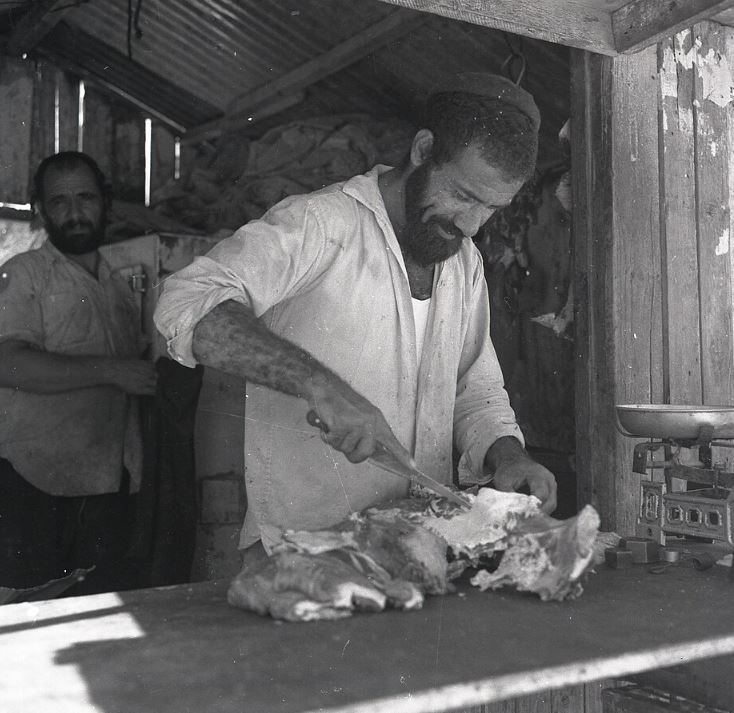
Masechet Chullin is sponsored by Judi Felber in honor of the Hadran Community. “During my first cycle of Daf Yomi, just as we began Masechet Chullin, my son was injured while serving in the IDF. Throughout those two and a half months of difficulty and uncertainty, my fellow learners never left my side. With profound gratitude to the community that held me, encouraged me, and ensured I could keep up with the Daf during those trying times.”
This month’s learning is sponsored by Adam, Carolyn, Michal, Josh, Benny, Izzy, Gali, Shim, Zoe, Zachy and Yehuda in loving memory of Judith Rosenfeld Hochstadter, Gittel bat Kreindel v’Binyamin BenZion on her second yahrzeit. “Her curiosity, humor, intellect and devout nature continues to inspire and hold us accountable. We miss her and think of her in all our pursuits, especially in our Hadran learning, where she would be glad to know that she didn’t have to boil more than 1 egg at a time!!”
Want to dedicate learning? Get started here:
English
עברית

0:00
0:00
0:00
0:00
Today’s daily daf tools:
Masechet Chullin is sponsored by Judi Felber in honor of the Hadran Community. “During my first cycle of Daf Yomi, just as we began Masechet Chullin, my son was injured while serving in the IDF. Throughout those two and a half months of difficulty and uncertainty, my fellow learners never left my side. With profound gratitude to the community that held me, encouraged me, and ensured I could keep up with the Daf during those trying times.”
This month’s learning is sponsored by Adam, Carolyn, Michal, Josh, Benny, Izzy, Gali, Shim, Zoe, Zachy and Yehuda in loving memory of Judith Rosenfeld Hochstadter, Gittel bat Kreindel v’Binyamin BenZion on her second yahrzeit. “Her curiosity, humor, intellect and devout nature continues to inspire and hold us accountable. We miss her and think of her in all our pursuits, especially in our Hadran learning, where she would be glad to know that she didn’t have to boil more than 1 egg at a time!!”
Chullin 138
בְּשִׁשִּׁים, וְתָנֵי תַּנָּא: מָנֶה בֶּן אַרְבָּעִים סְלָעִים. אִין! וְהָתְנַן: חֵמֶת חֲדָשָׁה, אַף עַל פִּי שֶׁמְּקַבֶּלֶת רִמּוֹנִים – טְהוֹרָה.
equivalent to the weight of sixty sela, as stated by Rav Dimi. The Gemara asks: But does a tanna teach that a maneh is of forty sela? The Gemara answers: Yes; and we learned in the Tosefta (Kelim, Bava Metzia 6:2): With regard to a new leather flask that is not yet completely sewn together, even though it can contain pomegranates, nevertheless, because it cannot contain liquids it is considered unfinished and is not susceptible to ritual impurity.
תְּפָרָהּ וְנִקְרְעָה – שִׁיעוּרָהּ כְּמוֹצִיא רִמּוֹנִים. רַבִּי אֱלִיעֶזֶר בֶּן יַעֲקֹב אוֹמֵר: כְּפַקְעִיּוֹת שֶׁל שְׁתִי, אַחַת מֵאַרְבַּע, בְּמָנֶה בֶּן אַרְבָּעִים סְלָעִים.
If one sewed the flask together and it tore, the measure of the tear that renders the flask no longer susceptible to impurity is a hole large enough to enable pomegranates to go out, as then it ceases to serve as a vessel. Rabbi Eliezer ben Ya’akov says: The tear must be like the measure of balls of a warp, the weight of each of which is one-quarter of a maneh of forty sela. This tanna explicitly mentions a maneh of forty sela.
וְכַמָּה נוֹתֵן לוֹ כּוּ׳. תָּנָא – לֹא שֶׁיְּלַבְּנֶנּוּ וְיִתְּנֶנּוּ לוֹ, אֶלָּא שֶׁיְּלַבְּנֶנּוּ כֹּהֵן וְיַעֲמוֹד עַל חֲמֵשׁ סְלָעִים.
§ The mishna states: And how much of the sheared wool does one give to the priest? One gives him the weight of five sela in Judea, which are ten sela in the Galilee, once laundered and not when sullied. The Sages taught: The mishna does not mean that one must launder the wool and then give it to the priest; rather, the meaning is that one must give him enough wool for the priest to launder it and it will amount to five sela.
כְּדֵי לַעֲשׂוֹת בֶּגֶד קָטָן. מְנָהָנֵי מִילֵּי? אָמַר רַבִּי יְהוֹשֻׁעַ בֶּן לֵוִי: אָמַר קְרָא ״לַעֲמֹד לְשָׁרֵת״ – דָּבָר שֶׁהוּא רָאוּי לְשֵׁירוּת. מַאי נִיהוּ? אַבְנֵט.
The mishna states: The measure that must be given to the priest is enough to fashion a small garment from it. The Gemara asks: From where are these matters derived? Rabbi Yehoshua ben Levi said: The verse that follows the mention of the first sheared wool states: “For the Lord your God has chosen him out of all your tribes, to stand to serve in the name of the Lord, he and his sons forever” (Deuteronomy 18:5). The term “to serve” indicates that the first sheared wool given to the priest must be a matter that is fitting for service in the Temple, i.e., an amount of wool sufficient to fashion one of the priestly garments. What is the garment in question? It is the belt, which is made from wool weighing five sela.
אֵימָא מְעִיל! תָּפַשְׂתָּ מְרוּבֶּה – לֹא תָּפַשְׂתָּ, תָּפַשְׂתָּ מוּעָט – תָּפַשְׂתָּ.
The Gemara asks: Is the garment in question necessarily the belt? Say that it is the robe, which is fashioned from a far greater amount of wool. The Gemara answers: This inference is based on the principle that if you grasped a lot you did not grasp anything; if you grasped a little, you grasped something. Since a belt meets the condition of “to serve,” as it is one of the priestly vestments, one cannot say that the obligation is any greater than the amount of wool needed to fashion a belt.
וְאֵימָא כִּיפָּה שֶׁל צֶמֶר, דְּתַנְיָא: כִּיפָּה שֶׁל צֶמֶר הָיְתָה מוּנַּחַת בְּרֹאשׁ כֹּהֵן גָּדוֹל, וְעָלֶיהָ צִיץ נָתוּן, לְקַיֵּים מַה שֶּׁנֶּאֱמַר: ״וְשַׂמְתָּ אֹתוֹ עַל פְּתִיל תְּכֵלֶת״.
But say that the garment in question is the cap of wool that the High Priest wears, which is smaller than the belt. As it is taught in a baraita: A cap of wool was placed on the High Priest’s head, and the frontplate was placed upon it, to fulfill that which is stated with regard to the frontplate: “And you shall put it on a thread of sky blue, and it shall be upon the mitre; upon the forefront of the mitre it shall be” (Exodus 28:37). The term “thread of sky blue” is referring to the cap of sky-blue wool.
אָמַר קְרָא ״הוּא וּבָנָיו״, דָּבָר הַשָּׁוֶה לְאַהֲרֹן וּלְבָנָיו.
The Gemara answers that the verse states: “To stand to serve in the name of the Lord, he and his sons” (Deuteronomy 18:5), which indicates that the verse is referring to a matter, i.e., a garment, that is equal for Aaron and for his sons. The wool given to the priest must be of sufficient size for fashioning a garment worn both by the High Priest and by common priests, whereas the woolen cap is worn only by the High Priest.
אַבְנֵט נָמֵי לָא שָׁוֵי. הָנִיחָא לְמַאן דְּאָמַר אַבְנֵטוֹ שֶׁל כֹּהֵן גָּדוֹל לֹא זֶהוּ אַבְנֵטוֹ שֶׁל כֹּהֵן הֶדְיוֹט – שַׁפִּיר.
The Gemara objects: But the belt is also not equal for all priests. The Gemara elaborates: This works out well according to the one who said that the linen belt of the High Priest worn on Yom Kippur is not the same as the belt of an ordinary priest. According to this opinion, both the belt of common priests and the belt worn by the High Priest during the rest of the year were fashioned from a mixture of wool and linen. This belt is therefore equal for all priests, and it works out well.
אֶלָּא לְמַאן דְּאָמַר זֶהוּ אַבְנֵטוֹ שֶׁל כֹּהֵן הֶדְיוֹט, מַאי אִיכָּא לְמֵימַר? שֵׁם אַבְנֵט בָּעוֹלָם.
But according to the one who said that the linen belt worn by the High Priest on Yom Kippur is the same as the belt of an ordinary priest, what can be said? According to this opinion, the belt fashioned from wool and linen is worn only by the High Priest during the rest of the year. The Gemara answers: Although the belts are different, the term belt in general applies to all priests, whereas no type of cap is worn by common priests.
לֹא הִסְפִּיק לִיתְּנוֹ וְכוּ׳. אִיתְּמַר: גָּזַז וּמָכַר רִאשׁוֹנָה, רַב חִסְדָּא אָמַר: חַיָּיב, רַבִּי נָתָן בַּר הוֹשַׁעְיָא אָמַר: פָּטוּר.
§ The mishna states: If the owner of the shearing did not manage to give it to the priest until he dyed it, he is exempt from the obligation of giving the first sheared wool. The mishna further teaches that one who purchases the fleece of the sheep of a gentile is exempt from the obligation of the first sheared wool. It was stated that amora’im disagreed with regard to one who owned five sheep and he sheared and sold the first sheep before shearing the second, and in this manner sold each sheep after shearing it. When he finished shearing he owned the requisite five fleeces, to which the obligation of the first sheared wool applies, but he no longer owned the sheep. Rav Ḥisda says: He is obligated in the mitzva of the first sheared wool; and Rabbi Natan bar Hoshaya says: He is exempt from the mitzva of the first sheared wool.
רַב חִסְדָּא אֲמַר חַיָּיב, דְּהָא גָּזַז. רַבִּי נָתָן בַּר הוֹשַׁעְיָא אָמַר פָּטוּר, בְּעִידָּנָא דְּקָא מָלֵא שִׁיעוּרָא בָּעֵינַן ״צֹאנְךָ״, וְלֵיכָּא.
The Gemara clarifies the two opinions. Rav Ḥisda says that he is obligated, as he sheared five sheep that he owned at the time of shearing, and therefore the term: “Your flock” (Deuteronomy 18:4), applies to this case. Rabbi Natan bar Hoshaya says that he is exempt, as at the time that the measure of five fleeces is completed, we require the term “your flock” to apply, since the obligation takes effect at that stage, and in this case it does not apply.
תְּנַן: הַלּוֹקֵחַ גֵּז צֹאנוֹ שֶׁל גּוֹי, פָּטוּר מֵרֵאשִׁית הַגֵּז. הָא צֹאנוֹ לִגְזוֹז – חַיָּיב. אַמַּאי? כֹּל חַד וְחַד בָּתַר גִּיזָּה נָפְקָא לַהּ מֵרְשׁוּתֵיהּ!
The Gemara raises a challenge: We learned in the mishna (135a): One who purchases the fleece of the sheep of a gentile is exempt from the obligation of the first sheared wool, as he purchased only the fleece but not the sheep. One can infer from here that if he purchased the gentile’s sheep themselves in order to shear them and then return them to the gentile, he is obligated, because the sheep belonged to him at the time of shearing. But why is he obligated, according to the opinion of Rabbi Natan bar Hoshaya? Each and every one of the sheep, after the shearing is completed, leaves his possession, and when he has sheared five sheep, the term “your flock” no longer applies to them.
תַּרְגְּמַאּ רַב חִסְדָּא אַלִּיבָּא דְּרַבִּי נָתָן בַּר הוֹשַׁעְיָא: כְּגוֹן שֶׁהִקְנָן לוֹ כׇּל שְׁלֹשִׁים יוֹם.
Rav Ḥisda interpreted the mishna according to the opinion of Rabbi Natan bar Hoshaya: The mishna is referring to a case where the gentile transferred ownership to him for the entire period of thirty days during which the Jew sheared the sheep. Therefore, he retained ownership after he completed shearing, and the term “your flock” does apply to the sheep at the time when the obligation of the first sheared wool took effect.
הַלּוֹקֵחַ גֵּז צֹאנוֹ שֶׁל חֲבֵירוֹ כּוּ׳. מַאן תַּנָּא דְּהֵיכָא דְּאִיכָּא שִׁיּוּרָא גַּבֵּי מוֹכֵר, בָּתַר מוֹכֵר אָזְלִינַן?
§ The mishna teaches: With regard to one who purchases the fleece of the sheep of another Jew, if the seller kept some of the wool, then he is obligated to give the first sheared wool to the priest. If the seller did not keep any of the wool, the buyer is obligated to give it. The Gemara asks: Who is the tanna who taught that in a case where there is residual wool in the possession of the seller, we follow the seller in determining who is obligated in the mitzva of first sheared wool?
אָמַר רַב חִסְדָּא: רַבִּי יְהוּדָה הִיא, דִּתְנַן: הַמּוֹכֵר קִלְחֵי אִילָן בְּתוֹךְ שָׂדֵהוּ – נוֹתֵן פֵּאָה לְכׇל אֶחָד וְאֶחָד.
Rav Ḥisda said: The tanna who taught the mishna is Rabbi Yehuda, as we learned in a mishna (Pe’a 3:5): With regard to one who sells a few fruit-bearing tree stalks within his field, without selling the field itself, for the buyer to uproot them and plant them in his own field, the buyer gives separate pe’a for each and every one of the trees. The field does not combine the trees into a single unit for pe’a, as the land is not owned by the buyer.
אָמַר רַבִּי יְהוּדָה: אֵימָתַי? בִּזְמַן שֶׁלֹּא שִׁיֵּיר בַּעַל הַשָּׂדֶה, אֲבָל שִׁיֵּיר בַּעַל הַשָּׂדֶה – נוֹתֵן פֵּאָה עַל הַכֹּל.
Rabbi Yehuda said: When is it the buyer’s obligation to give pe’a? It is when the owner of the field did not leave any of the trees in his possession. But if the owner of the field left some of the trees in his possession, the owner gives pe’a for all the trees. Just as in the case of pe’a, if the seller left trees for himself then the obligation applies to him, so too, with regard to the first sheared wool, if the seller left some of the wool for himself, the obligation applies to him.
אֲמַר לֵיהּ רָבָא: וְהָא מָר הוּא דְּאָמַר, וְהוּא שֶׁהִתְחִיל בַּעַל הַשָּׂדֶה לִקְצוֹר!
Rava said to Rav Ḥisda: But wasn’t it you, Master, who said with regard to Rabbi Yehuda’s ruling that the owner gives pe’a for all the trees: This is the halakha only when the owner of the field began to harvest the fruit before he sold the trees, as the obligation to give pe’a had already applied to him. By contrast, with regard to the first sheared wool, the obligation came into effect only after he sold his sheep.
וְכִי תֵּימָא הָכִי נָמֵי וְהוּא שֶׁהִתְחִיל לִגְזוֹז – בִּשְׁלָמָא הָתָם, ״וּבְקֻצְרְכֶם אֶת קְצִיר אַרְצְכֶם״ כְּתִיב, מֵעִידָּנָא דְּאַתְחֵיל לִקְצוֹר מִיחַיַּיב בְּכוּלַּהּ שָׂדֶה, אֶלָּא הָכָא, מֵעִידָּנָא דְּאַתְחֵיל לְמֵיגַז לָא מִיחַיַּיב בְּכוּלֵּיהּ עֶדְרֵיהּ!
And if you would say that so too, with regard to the first sheared wool, this halakha that the seller gives the first sheared wool applies only if the seller began to shear the sheep before he sold them, that explanation is difficult. The Gemara elaborates: Granted, there, with regard to pe’a, it is written: “And when you reap the harvest of your land” (Leviticus 19:9), which indicates that from the time that he began to harvest he is obligated in the mitzva of pe’a with regard to the entire field. But here, in the case of the first sheared wool, he is not obligated with regard to the entire flock from the time that he began to shear his sheep. Therefore, even if he began shearing before he sold the sheep, the obligation to give the first sheared wool should not apply to the seller.
אֶלָּא אָמַר רָבָא: הַאי תַּנָּא הוּא, דִּתְנַן: אָמַר לוֹ ״מְכוֹר לִי בְּנֵי מֵעֶיהָ שֶׁל פָּרָה זוֹ״, וְהָיוּ בָּהֶן מַתָּנוֹת – נוֹתְנָן לַכֹּהֵן, וְאֵין מְנַכֶּה לוֹ מִן הַדָּמִים. לָקַח מִמֶּנּוּ בְּמִשְׁקָל – נוֹתְנָן לַכֹּהֵן וּמְנַכֶּה לוֹ מִן הַדָּמִים.
Rather, Rava said: It is this tanna who taught the mishna, as we learned in a different mishna (132a): If one said to a butcher: Sell me the innards of this cow, and there were gifts of the priesthood included in them, i.e., the maw, the purchaser must give them to the priest, and he may not deduct the value of the gifts from the money that he pays the butcher, as it is assumed that the gifts were not included in the sale. If he purchased the innards from the butcher by weight, the buyer must give the gifts to a priest and he may deduct the value of the gifts from the money that he pays the butcher. If the priestly gifts have not yet been separated from the animal, the price by weight includes the price of these gifts. But since the priests had the right to their gifts from the time of the slaughter, the buyer does not need to pay for them and may therefore deduct their value from his payment.
אַלְמָא מַתָּנוֹת דְּכֹהֵן לָא מְזַבֵּין אִינִישׁ, הָכָא נָמֵי מַתָּנוֹת דְּכֹהֵן לָא מְזַבֵּין אִינִישׁ. הִלְכָּךְ: שִׁיֵּיר הַמּוֹכֵר – מוֹכֵר חַיָּיב, דְּאָמַר לֵיהּ לוֹקֵחַ: ״מַתָּנָה דְּכֹהֵן גַּבָּךְ הִיא״. לֹא שִׁיֵּיר – לוֹקֵחַ חַיָּיב, דְּאָמַר לֵיהּ מוֹכֵר: ״מַתָּנָה דְּכֹהֵן לָא זַבֵּנִי לָךְ״.
Evidently, a person does not sell the gifts belonging to the priest, and therefore they are not included in the sale of the innards unless they were sold by weight. Here too, with regard to the first sheared wool, a person does not sell the gifts belonging to the priest. Therefore, if the seller left wool in his possession, the seller is obligated to give the first sheared wool from the remaining wool for that which he sold, as the buyer can say to the seller: The gift of the priest is in your possession, since you did not sell me everything. If the seller did not leave any wool in his possession, the buyer is obligated to give the first sheared wool and he does not deduct its value from the price, as the seller can say to him: I did not sell the gift of the priest to you, i.e., there was no obligation to give the gifts to a priest when I sold the wool to you, and therefore the buyer is required to give the gifts to the priest.
הֲדַרַן עֲלָךְ רֵאשִׁית הַגֵּז.
מַתְנִי׳ שִׁילּוּחַ הַקֵּן נוֹהֵג בָּאָרֶץ וּבְחוּצָה לָאָרֶץ, בִּפְנֵי הַבַּיִת וְשֶׁלֹּא בִּפְנֵי הַבַּיִת, בְּחוּלִּין אֲבָל לֹא בְּמוּקְדָּשִׁין. חוֹמֶר בְּכִסּוּי הַדָּם מִשִּׁילּוּחַ הַקֵּן, שֶׁכִּסּוּי הַדָּם נוֹהֵג בַּחַיָּה וּבָעוֹף, בִּמְזוּמָּן וּבְשֶׁאֵין מְזוּמָּן, וְשִׁילּוּחַ הַקֵּן אֵינוֹ נוֹהֵג אֶלָּא בָּעוֹף, וְאֵינוֹ נוֹהֵג אֶלָּא בְּשֶׁאֵינוֹ מְזוּמָּן.
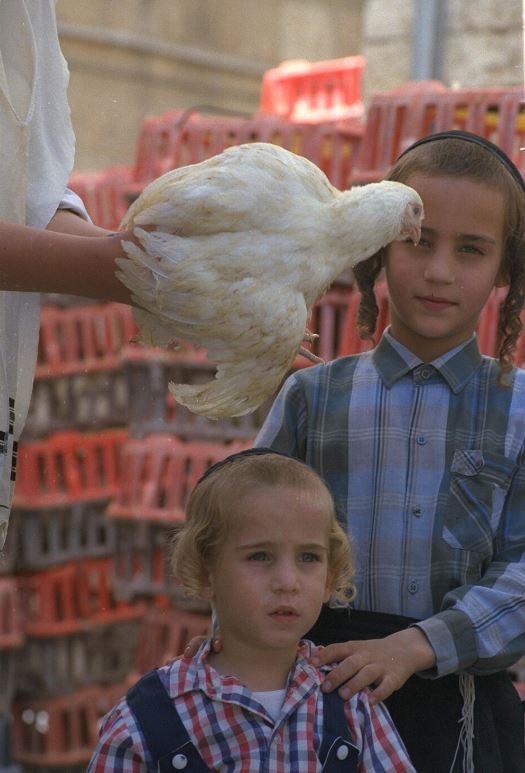
MISHNA: The mitzva of sending away the mother bird from the nest applies both in Eretz Yisrael and outside of Eretz Yisrael, and in the presence of the Temple and not in the presence of the Temple. It applies to non-sacred birds, but it does not apply to sacrificial birds. There are more stringent elements in the covering of the blood than in the sending away of the mother bird from the nest, as the covering of the blood applies to undomesticated animals and birds, to animals and birds that are readily available in one’s home, and to animals and birds that are not readily available and are hunted in the wild; and the sending of the mother bird from the nest applies only to birds, and applies only to birds that are not readily available.
אֵיזֶהוּ שֶׁאֵינוֹ מְזוּמָּן? כְּגוֹן אֲוָוזִין וְתַרְנְגוֹלִים שֶׁקִּנְּנוּ בַּפַּרְדֵּס, אֲבָל אִם קִנְּנוּ בַּבַּיִת, וְכֵן יוֹנֵי הַרְדָּסִיָּאוֹת – פָּטוּר מִשִּׁילּוּחַ. עוֹף טָמֵא – פָּטוּר מִלְּשַׁלֵּחַ, עוֹף טָמֵא רוֹבֵץ עַל בֵּיצֵי עוֹף טָהוֹר, וְטָהוֹר רוֹבֵץ עַל בֵּיצֵי עוֹף טָמֵא – פָּטוּר מִלְּשַׁלֵּחַ. קוֹרֵא זָכָר – רַבִּי אֱלִיעֶזֶר מְחַיֵּיב, וַחֲכָמִים פּוֹטְרִין.
What are considered birds that are not readily available? They are any birds, even domesticated, that may fly away at any time, such as geese or chickens that nested in the orchard [pardes]. But if geese or chickens nested in the house, and likewise, with regard to domesticated pigeons [yonei hardisei’ot], one is exempt from sending away the mother bird. With regard to the nest of a non-kosher bird, one is exempt from sending away the mother bird. In a case where a non-kosher bird is resting upon the eggs of a kosher bird, or a kosher bird is resting upon the eggs of a non-kosher bird, one is exempt from sending away the bird. With regard to a male pheasant [korei], which is known to sit upon the eggs like the female of its species, Rabbi Eliezer deems one obligated to send it away, and the Rabbis deem one exempt from sending it away.
גְּמָ׳ רַבִּי אָבִין וְרַבִּי מְיָישָׁא, חַד אָמַר: כֹּל הֵיכָא דִּתְנַן ״בָּאָרֶץ וּבְחוּצָה לָאָרֶץ״ שֶׁלֹּא לְצוֹרֶךְ, לְבַד מֵרֵאשִׁית הַגֵּז, לְאַפּוֹקֵי מִדְּרַבִּי אִלְעַאי דְּאָמַר: ״רֵאשִׁית הַגֵּז אֵינוֹ נוֹהֵג אֶלָּא בָּאָרֶץ״.
GEMARA: The mishna contains several phrases related to the mitzva of sending away the mother bird from the nest that also appear in the first mishna of several other chapters of this tractate. With regard to this, Rabbi Avin and Rabbi Meyasha made the following statements. One of them said: Anywhere in this tractate that we learned in a mishna that a particular mitzva applies both in Eretz Yisrael and outside of Eretz Yisrael, it is stated needlessly, as those mitzvot are not related to land, such that there is no need to teach that they apply outside of Eretz Yisrael as well. This is true except for the mitzva of the first shearing of wool, which one must give to a priest. It was necessary to teach that that mitzva applies even outside of Eretz Yisrael, to exclude the opinion of Rabbi Ilai, who said: The first shearing is in effect only in Eretz Yisrael.
וְחַד אָמַר: כֹּל הֵיכָא דִּתְנַן ״בִּפְנֵי הַבַּיִת וְשֶׁלֹּא בִּפְנֵי הַבַּיִת״ – שֶׁלֹּא לְצוֹרֶךְ, לְבַד מֵ״אוֹתוֹ וְאֶת בְּנוֹ״. סָלְקָא דַּעְתָּךְ אָמֵינָא: הוֹאִיל וּבְעִנְיָנָא דְּקָדָשִׁים כְּתִיב, בִּזְמַן דְּאִיכָּא קָדָשִׁים – נִנְהוֹג, בִּזְמַן דְּלֵיכָּא קֳדָשִׁים – לָא נִנְהוֹג, קָא מַשְׁמַע לַן.
And the other one said: Anywhere in this tractate that we learned in a mishna that a particular mitzva applies both in the presence of the Temple and not in the presence of the Temple, it is stated needlessly, as these mitzvot are requirements of the object itself, and there is no need to teach that they apply even after the destruction of the Temple. This is true except for the prohibition against slaughtering an animal itself and its offspring on the same day. It was necessary to teach that this mitzva applies even after the destruction of the Temple, because it might enter your mind to say: Since this prohibition is written in a passage in the Torah discussing the matter of sacrificial animals (see Leviticus, chapter 22), at a time when there are sacrificial animals, i.e., when the Temple is standing, we will abide by it, but at a time when there are no sacrificial animals, after the destruction of the Temple, we will not abide by it. Therefore, that mishna teaches us that this is not so.
וְתַרְוַיְיהוּ אָמְרִי: כֹּל הֵיכָא דִּתְנַן ״בְּחוּלִּין וּבְמוּקְדָּשִׁים״ – לְצוֹרֶךְ, לְבַד מִגִּיד הַנָּשֶׁה, פְּשִׁיטָא! מִשּׁוּם דְּאִיקַּדַּשׁ פְּקַע לֵיהּ אִיסּוּר גִּיד הַנָּשֶׁה מִינֵּיהּ?
And both of them said: Anywhere in this tractate that we learned in a mishna that a particular mitzva applies both to non-sacred animals and to sacrificial animals, it is stated necessarily. This is the case except for the mishna discussing the sciatic nerve, as it is obvious that the prohibition applies to sacrificial animals as well. Can it enter one’s mind to say that because it was consecrated, the prohibition of eating the sciatic nerve is abrogated from the animal?
וְלָאו אוֹקֵימְנָא בְּוַלְדוֹת קָדָשִׁים?
The Gemara asks: But didn’t we establish that the mishna there (89b) is referring to offspring of sacrificial animals? Without the mishna, one might have thought that since the offspring was already prohibited as a sacrificial animal before its sciatic nerve was even formed, the prohibition with regard to the latter does not take effect where the former prohibition already exists. If so, it was in fact necessary to teach this halakha.
וּמַאי טַעְמָא אוֹקֵימְנָא? לָאו מִשּׁוּם דְּקַשְׁיָא לַן לָא לִיתְנֵי? מֵעִיקָּרָא נָמֵי לָא תִּקְשֵׁי לָךְ, אַיְּידֵי דִּתְנָא לְצוֹרֶךְ, תְּנָא נָמֵי שֶׁלֹּא לְצוֹרֶךְ.
The Gemara responds: But what is the reason we interpreted that mishna as referring to offspring of sacrificial animals? Is it not due to the fact that the question: Let the mishna not teach that the prohibition applies to both non-sacred and sacrificial animals, is difficult for us? It is in response to this question that Rabbi Avin and Rabbi Meyasha stated that even from the outset, this should not pose a difficulty for you. Rather, since the phrase: Applies to both non-sacred and sacrificial animals, is taught necessarily with regard to the prohibition against slaughtering an animal itself and its offspring, it is also taught needlessly with regard to the prohibition against eating the sciatic nerve, to parallel the formula of the other mishna.
בְּחוּלִּין אֲבָל לֹא בְּמוּקְדָּשִׁים. אַמַּאי לָא? דְּאָמַר קְרָא: ״שַׁלֵּחַ תְּשַׁלַּח אֶת הָאֵם״ – בְּמִי שֶׁאַתָּה מְצוֶּּוה לְשַׁלְּחוֹ, יָצָא זֶה שֶׁאִי אַתָּה מְצוֶּּוה לְשַׁלְּחוֹ אֶלָּא לַהֲבִיאוֹ לִידֵי גִּזְבָּר.
§ The mishna states that the mitzva of sending away the mother bird from the nest applies to non-sacred birds, but not to sacrificial birds. The Gemara asks: Why does this mitzva not apply to sacrificial birds? The Gemara responds: As the verse states: “You shall send the mother” (Deuteronomy 22:7). The verse refers only to a bird that you are commanded to send away, i.e., a non-sacred bird; that excludes this sacrificial bird, which you are not commanded to send away, but rather to bring it to the custody of the Temple treasurer.
אָמַר רָבִינָא: הִלְכָּךְ, עוֹף טָהוֹר שֶׁהָרַג אֶת הַנֶּפֶשׁ פָּטוּר מִשִּׁלּוּחַ, מַאי טַעְמָא? דְּאָמַר קְרָא: ״שַׁלֵּחַ תְּשַׁלַּח אֶת הָאֵם״ – בְּמִי שֶׁאַתָּה מְצוֶּּוה לְשַׁלְּחוֹ, יָצָא זֶה שֶׁאִי אַתָּה מְצוֶּּוה לְשַׁלְּחוֹ אֶלָּא לַהֲבִיאוֹ לְבֵית דִּין. הֵיכִי דָמֵי? אִי דִּגְמַר דִּינֵיהּ –
Ravina says: Therefore, with regard to a kosher bird that killed a person and must now be executed, one is exempt from sending it away. What is the reason for this? It is as the verse states: “You shall send the mother.” The verse is referring only to a bird that you are commanded to send away, which excludes this bird that you are not commanded to send away, but rather to bring it to court. The Gemara asks: What are the circumstances of this case, i.e., how is this bird that killed a person now resting on its eggs? If this is a case where its verdict of execution was issued,
Follow

Today’s daily daf tools:
Delve Deeper
Broaden your understanding of the topics on this daf with classes and podcasts from top women Talmud scholars.


Hullin 82: Who’s Tracking the Animals and Their Offspring?
July 22, 2026 | ח׳ באב תשפ״ו

Hullin 76: Doh! Even the Sages Realize What They Could Have Said Better
July 16, 2026 | ב׳ באב תשפ״ו

Hullin 73: Impurity without Shechitah – Hypothetically Hypothetical Cases
July 12, 2026 | כ״ז בתמוז תשפ״ו
New to Talmud?
Check out our resources designed to help you navigate a page of Talmud – and study at the pace, level and style that fits you.
The Hadran Women’s Tapestry
Meet the diverse women learning Gemara at Hadran and hear their stories.
I started learning Jan 2020 when I heard the new cycle was starting. I had tried during the last cycle and didn’t make it past a few weeks. Learning online from old men didn’t speak to my soul and I knew Talmud had to be a soul journey for me. Enter Hadran! Talmud from Rabbanit Michelle Farber from a woman’s perspective, a mother’s perspective and a modern perspective. Motivated to continue!

Keren Carter
Brentwood, California, United States
I started learning Daf in Jan 2020 with Brachot b/c I had never seen the Jewish people united around something so positive, and I wanted to be a part of it. Also, I wanted to broaden my background in Torah Shebal Peh- Maayanot gave me a great gemara education, but I knew that I could hold a conversation in most parts of tanach but almost no TSB. I’m so thankful for Daf and have gained immensely.

Meira Shapiro
NJ, United States
I started learning at the beginning of the cycle after a friend persuaded me that it would be right up my alley. I was lucky enough to learn at Rabbanit Michelle’s house before it started on zoom and it was quickly part of my daily routine. I find it so important to see for myself where halachot were derived, where stories were told and to get more insight into how the Rabbis interacted.

Deborah Dickson
Ra’anana, Israel
I started my journey on the day I realized that the Siyum was happening in Yerushalayim and I was missing out. What? I told myself. How could I have not known about this? How can I have missed out on this opportunity? I decided that moment, I would start Daf Yomi and Nach Yomi the very next day. I am so grateful to Hadran. I am changed forever because I learn Gemara with women. Thank you.

Linda Brownstein
Mitspe, Israel
I started to listen to Michelle’s podcasts four years ago. The minute I started I was hooked. I’m so excited to learn the entire Talmud, and think I will continue always. I chose the quote “while a woman is engaged in conversation she also holds the spindle”. (Megillah 14b). It reminds me of all of the amazing women I learn with every day who multi-task, think ahead and accomplish so much.

Julie Mendelsohn
Zichron Yakov, Israel
Since I started in January of 2020, Daf Yomi has changed my life. It connects me to Jews all over the world, especially learned women. It makes cooking, gardening, and folding laundry into acts of Torah study. Daf Yomi enables me to participate in a conversation with and about our heritage that has been going on for more than 2000 years.

Shira Eliaser
Skokie, IL, United States
A few years back, after reading Ilana Kurshan’s book, “If All The Seas Were Ink,” I began pondering the crazy, outlandish idea of beginning the Daf Yomi cycle. Beginning in December, 2019, a month before the previous cycle ended, I “auditioned” 30 different podcasts in 30 days, and ultimately chose to take the plunge with Hadran and Rabbanit Michelle. Such joy!

Cindy Dolgin
HUNTINGTON, United States
I started learning daf yomi at the beginning of this cycle. As the pandemic evolved, it’s been so helpful to me to have this discipline every morning to listen to the daf podcast after I’ve read the daf; learning about the relationships between the rabbis and the ways they were constructing our Jewish religion after the destruction of the Temple. I’m grateful to be on this journey!

Mona Fishbane
Teaneck NJ, United States
My curiosity was peaked after seeing posts about the end of the last cycle. I am always looking for opportunities to increase my Jewish literacy & I am someone that is drawn to habit and consistency. Dinnertime includes a “Guess what I learned on the daf” segment for my husband and 18 year old twins. I also love the feelings of connection with my colleagues who are also learning.

Diana Bloom
Tampa, United States
I graduated college in December 2019 and received a set of shas as a present from my husband. With my long time dream of learning daf yomi, I had no idea that a new cycle was beginning just one month later, in January 2020. I have been learning the daf ever since with Michelle Farber… Through grad school, my first job, my first baby, and all the other incredible journeys over the past few years!

Sigal Spitzer Flamholz
Bronx, United States
I was exposed to Talmud in high school, but I was truly inspired after my daughter and I decided to attend the Women’s Siyum Shas in 2020. We knew that this was a historic moment. We were blown away, overcome with emotion at the euphoria of the revolution. Right then, I knew I would continue. My commitment deepened with the every-morning Virtual Beit Midrash on Zoom with R. Michelle.

Adina Hagege
Zichron Yaakov, Israel
I LOVE learning the Daf. I started with Shabbat. I join the morning Zoom with Reb Michelle and it totally grounds my day. When Corona hit us in Israel, I decided that I would use the Daf to keep myself sane, especially during the days when we could not venture out more than 300 m from our home. Now my husband and I have so much new material to talk about! It really is the best part of my day!

Batsheva Pava
Hashmonaim, Israel
I went to day school in Toronto but really began to learn when I attended Brovenders back in the early 1980’s. Last year after talking to my sister who was learning Daf Yomi, inspired, I looked on the computer and the Hadran site came up. I have been listening to each days shiur in the morning as I work. I emphasis listening since I am not sitting with a Gamara. I listen while I work in my studio.

Rachel Rotenberg
Tekoa, Israel
I began Daf Yomi with the last cycle. I was inspired by the Hadran Siyum in Yerushalayim to continue with this cycle. I have learned Daf Yomi with Rabanit Michelle in over 25 countries on 6 continents ( missing Australia)

Barbara Goldschlag
Silver Spring, MD, United States
I started learning at the start of this cycle, and quickly fell in love. It has become such an important part of my day, enriching every part of my life.

Naomi Niederhoffer
Toronto, Canada
I have joined the community of daf yomi learners at the start of this cycle. I have studied in different ways – by reading the page, translating the page, attending a local shiur and listening to Rabbanit Farber’s podcasts, depending on circumstances and where I was at the time. The reactions have been positive throughout – with no exception!

Silke Goldberg
Guildford, United Kingdom
I learned Mishnayot more than twenty years ago and started with Gemara much later in life. Although I never managed to learn Daf Yomi consistently, I am learning since some years Gemara in depth and with much joy. Since last year I am studying at the International Halakha Scholars Program at the WIHL. I often listen to Rabbanit Farbers Gemara shiurim to understand better a specific sugyiah. I am grateful for the help and inspiration!

Shoshana Ruerup
Berlin, Germany
When I began learning Daf Yomi at the beginning of the current cycle, I was preparing for an upcoming surgery and thought that learning the Daf would be something positive I could do each day during my recovery, even if I accomplished nothing else. I had no idea what a lifeline learning the Daf would turn out to be in so many ways.

Laura Shechter
Lexington, MA, United States
I’ve been studying Talmud since the ’90s, and decided to take on Daf Yomi two years ago. I wanted to attempt the challenge of a day-to-day, very Jewish activity. Some days are so interesting and some days are so boring. But I’m still here.

Sarene Shanus
Mamaroneck, NY, United States
The start of my journey is not so exceptional. I was between jobs and wanted to be sure to get out every day (this was before corona). Well, I was hooked after about a month and from then on only looked for work-from-home jobs so I could continue learning the Daf. Daf has been a constant in my life, though hurricanes, death, illness/injury, weddings. My new friends are Rav, Shmuel, Ruth, Joanna.

Judi Felber
Raanana, Israel
Chullin 138
בְּשִׁשִּׁים, וְתָנֵי תַּנָּא: מָנֶה בֶּן אַרְבָּעִים סְלָעִים. אִין! וְהָתְנַן: חֵמֶת חֲדָשָׁה, אַף עַל פִּי שֶׁמְּקַבֶּלֶת רִמּוֹנִים – טְהוֹרָה.
equivalent to the weight of sixty sela, as stated by Rav Dimi. The Gemara asks: But does a tanna teach that a maneh is of forty sela? The Gemara answers: Yes; and we learned in the Tosefta (Kelim, Bava Metzia 6:2): With regard to a new leather flask that is not yet completely sewn together, even though it can contain pomegranates, nevertheless, because it cannot contain liquids it is considered unfinished and is not susceptible to ritual impurity.
תְּפָרָהּ וְנִקְרְעָה – שִׁיעוּרָהּ כְּמוֹצִיא רִמּוֹנִים. רַבִּי אֱלִיעֶזֶר בֶּן יַעֲקֹב אוֹמֵר: כְּפַקְעִיּוֹת שֶׁל שְׁתִי, אַחַת מֵאַרְבַּע, בְּמָנֶה בֶּן אַרְבָּעִים סְלָעִים.
If one sewed the flask together and it tore, the measure of the tear that renders the flask no longer susceptible to impurity is a hole large enough to enable pomegranates to go out, as then it ceases to serve as a vessel. Rabbi Eliezer ben Ya’akov says: The tear must be like the measure of balls of a warp, the weight of each of which is one-quarter of a maneh of forty sela. This tanna explicitly mentions a maneh of forty sela.
וְכַמָּה נוֹתֵן לוֹ כּוּ׳. תָּנָא – לֹא שֶׁיְּלַבְּנֶנּוּ וְיִתְּנֶנּוּ לוֹ, אֶלָּא שֶׁיְּלַבְּנֶנּוּ כֹּהֵן וְיַעֲמוֹד עַל חֲמֵשׁ סְלָעִים.
§ The mishna states: And how much of the sheared wool does one give to the priest? One gives him the weight of five sela in Judea, which are ten sela in the Galilee, once laundered and not when sullied. The Sages taught: The mishna does not mean that one must launder the wool and then give it to the priest; rather, the meaning is that one must give him enough wool for the priest to launder it and it will amount to five sela.
כְּדֵי לַעֲשׂוֹת בֶּגֶד קָטָן. מְנָהָנֵי מִילֵּי? אָמַר רַבִּי יְהוֹשֻׁעַ בֶּן לֵוִי: אָמַר קְרָא ״לַעֲמֹד לְשָׁרֵת״ – דָּבָר שֶׁהוּא רָאוּי לְשֵׁירוּת. מַאי נִיהוּ? אַבְנֵט.
The mishna states: The measure that must be given to the priest is enough to fashion a small garment from it. The Gemara asks: From where are these matters derived? Rabbi Yehoshua ben Levi said: The verse that follows the mention of the first sheared wool states: “For the Lord your God has chosen him out of all your tribes, to stand to serve in the name of the Lord, he and his sons forever” (Deuteronomy 18:5). The term “to serve” indicates that the first sheared wool given to the priest must be a matter that is fitting for service in the Temple, i.e., an amount of wool sufficient to fashion one of the priestly garments. What is the garment in question? It is the belt, which is made from wool weighing five sela.
אֵימָא מְעִיל! תָּפַשְׂתָּ מְרוּבֶּה – לֹא תָּפַשְׂתָּ, תָּפַשְׂתָּ מוּעָט – תָּפַשְׂתָּ.
The Gemara asks: Is the garment in question necessarily the belt? Say that it is the robe, which is fashioned from a far greater amount of wool. The Gemara answers: This inference is based on the principle that if you grasped a lot you did not grasp anything; if you grasped a little, you grasped something. Since a belt meets the condition of “to serve,” as it is one of the priestly vestments, one cannot say that the obligation is any greater than the amount of wool needed to fashion a belt.
וְאֵימָא כִּיפָּה שֶׁל צֶמֶר, דְּתַנְיָא: כִּיפָּה שֶׁל צֶמֶר הָיְתָה מוּנַּחַת בְּרֹאשׁ כֹּהֵן גָּדוֹל, וְעָלֶיהָ צִיץ נָתוּן, לְקַיֵּים מַה שֶּׁנֶּאֱמַר: ״וְשַׂמְתָּ אֹתוֹ עַל פְּתִיל תְּכֵלֶת״.
But say that the garment in question is the cap of wool that the High Priest wears, which is smaller than the belt. As it is taught in a baraita: A cap of wool was placed on the High Priest’s head, and the frontplate was placed upon it, to fulfill that which is stated with regard to the frontplate: “And you shall put it on a thread of sky blue, and it shall be upon the mitre; upon the forefront of the mitre it shall be” (Exodus 28:37). The term “thread of sky blue” is referring to the cap of sky-blue wool.
אָמַר קְרָא ״הוּא וּבָנָיו״, דָּבָר הַשָּׁוֶה לְאַהֲרֹן וּלְבָנָיו.
The Gemara answers that the verse states: “To stand to serve in the name of the Lord, he and his sons” (Deuteronomy 18:5), which indicates that the verse is referring to a matter, i.e., a garment, that is equal for Aaron and for his sons. The wool given to the priest must be of sufficient size for fashioning a garment worn both by the High Priest and by common priests, whereas the woolen cap is worn only by the High Priest.
אַבְנֵט נָמֵי לָא שָׁוֵי. הָנִיחָא לְמַאן דְּאָמַר אַבְנֵטוֹ שֶׁל כֹּהֵן גָּדוֹל לֹא זֶהוּ אַבְנֵטוֹ שֶׁל כֹּהֵן הֶדְיוֹט – שַׁפִּיר.
The Gemara objects: But the belt is also not equal for all priests. The Gemara elaborates: This works out well according to the one who said that the linen belt of the High Priest worn on Yom Kippur is not the same as the belt of an ordinary priest. According to this opinion, both the belt of common priests and the belt worn by the High Priest during the rest of the year were fashioned from a mixture of wool and linen. This belt is therefore equal for all priests, and it works out well.
אֶלָּא לְמַאן דְּאָמַר זֶהוּ אַבְנֵטוֹ שֶׁל כֹּהֵן הֶדְיוֹט, מַאי אִיכָּא לְמֵימַר? שֵׁם אַבְנֵט בָּעוֹלָם.
But according to the one who said that the linen belt worn by the High Priest on Yom Kippur is the same as the belt of an ordinary priest, what can be said? According to this opinion, the belt fashioned from wool and linen is worn only by the High Priest during the rest of the year. The Gemara answers: Although the belts are different, the term belt in general applies to all priests, whereas no type of cap is worn by common priests.
לֹא הִסְפִּיק לִיתְּנוֹ וְכוּ׳. אִיתְּמַר: גָּזַז וּמָכַר רִאשׁוֹנָה, רַב חִסְדָּא אָמַר: חַיָּיב, רַבִּי נָתָן בַּר הוֹשַׁעְיָא אָמַר: פָּטוּר.
§ The mishna states: If the owner of the shearing did not manage to give it to the priest until he dyed it, he is exempt from the obligation of giving the first sheared wool. The mishna further teaches that one who purchases the fleece of the sheep of a gentile is exempt from the obligation of the first sheared wool. It was stated that amora’im disagreed with regard to one who owned five sheep and he sheared and sold the first sheep before shearing the second, and in this manner sold each sheep after shearing it. When he finished shearing he owned the requisite five fleeces, to which the obligation of the first sheared wool applies, but he no longer owned the sheep. Rav Ḥisda says: He is obligated in the mitzva of the first sheared wool; and Rabbi Natan bar Hoshaya says: He is exempt from the mitzva of the first sheared wool.
רַב חִסְדָּא אֲמַר חַיָּיב, דְּהָא גָּזַז. רַבִּי נָתָן בַּר הוֹשַׁעְיָא אָמַר פָּטוּר, בְּעִידָּנָא דְּקָא מָלֵא שִׁיעוּרָא בָּעֵינַן ״צֹאנְךָ״, וְלֵיכָּא.
The Gemara clarifies the two opinions. Rav Ḥisda says that he is obligated, as he sheared five sheep that he owned at the time of shearing, and therefore the term: “Your flock” (Deuteronomy 18:4), applies to this case. Rabbi Natan bar Hoshaya says that he is exempt, as at the time that the measure of five fleeces is completed, we require the term “your flock” to apply, since the obligation takes effect at that stage, and in this case it does not apply.
תְּנַן: הַלּוֹקֵחַ גֵּז צֹאנוֹ שֶׁל גּוֹי, פָּטוּר מֵרֵאשִׁית הַגֵּז. הָא צֹאנוֹ לִגְזוֹז – חַיָּיב. אַמַּאי? כֹּל חַד וְחַד בָּתַר גִּיזָּה נָפְקָא לַהּ מֵרְשׁוּתֵיהּ!
The Gemara raises a challenge: We learned in the mishna (135a): One who purchases the fleece of the sheep of a gentile is exempt from the obligation of the first sheared wool, as he purchased only the fleece but not the sheep. One can infer from here that if he purchased the gentile’s sheep themselves in order to shear them and then return them to the gentile, he is obligated, because the sheep belonged to him at the time of shearing. But why is he obligated, according to the opinion of Rabbi Natan bar Hoshaya? Each and every one of the sheep, after the shearing is completed, leaves his possession, and when he has sheared five sheep, the term “your flock” no longer applies to them.
תַּרְגְּמַאּ רַב חִסְדָּא אַלִּיבָּא דְּרַבִּי נָתָן בַּר הוֹשַׁעְיָא: כְּגוֹן שֶׁהִקְנָן לוֹ כׇּל שְׁלֹשִׁים יוֹם.
Rav Ḥisda interpreted the mishna according to the opinion of Rabbi Natan bar Hoshaya: The mishna is referring to a case where the gentile transferred ownership to him for the entire period of thirty days during which the Jew sheared the sheep. Therefore, he retained ownership after he completed shearing, and the term “your flock” does apply to the sheep at the time when the obligation of the first sheared wool took effect.
הַלּוֹקֵחַ גֵּז צֹאנוֹ שֶׁל חֲבֵירוֹ כּוּ׳. מַאן תַּנָּא דְּהֵיכָא דְּאִיכָּא שִׁיּוּרָא גַּבֵּי מוֹכֵר, בָּתַר מוֹכֵר אָזְלִינַן?
§ The mishna teaches: With regard to one who purchases the fleece of the sheep of another Jew, if the seller kept some of the wool, then he is obligated to give the first sheared wool to the priest. If the seller did not keep any of the wool, the buyer is obligated to give it. The Gemara asks: Who is the tanna who taught that in a case where there is residual wool in the possession of the seller, we follow the seller in determining who is obligated in the mitzva of first sheared wool?
אָמַר רַב חִסְדָּא: רַבִּי יְהוּדָה הִיא, דִּתְנַן: הַמּוֹכֵר קִלְחֵי אִילָן בְּתוֹךְ שָׂדֵהוּ – נוֹתֵן פֵּאָה לְכׇל אֶחָד וְאֶחָד.
Rav Ḥisda said: The tanna who taught the mishna is Rabbi Yehuda, as we learned in a mishna (Pe’a 3:5): With regard to one who sells a few fruit-bearing tree stalks within his field, without selling the field itself, for the buyer to uproot them and plant them in his own field, the buyer gives separate pe’a for each and every one of the trees. The field does not combine the trees into a single unit for pe’a, as the land is not owned by the buyer.
אָמַר רַבִּי יְהוּדָה: אֵימָתַי? בִּזְמַן שֶׁלֹּא שִׁיֵּיר בַּעַל הַשָּׂדֶה, אֲבָל שִׁיֵּיר בַּעַל הַשָּׂדֶה – נוֹתֵן פֵּאָה עַל הַכֹּל.
Rabbi Yehuda said: When is it the buyer’s obligation to give pe’a? It is when the owner of the field did not leave any of the trees in his possession. But if the owner of the field left some of the trees in his possession, the owner gives pe’a for all the trees. Just as in the case of pe’a, if the seller left trees for himself then the obligation applies to him, so too, with regard to the first sheared wool, if the seller left some of the wool for himself, the obligation applies to him.
אֲמַר לֵיהּ רָבָא: וְהָא מָר הוּא דְּאָמַר, וְהוּא שֶׁהִתְחִיל בַּעַל הַשָּׂדֶה לִקְצוֹר!
Rava said to Rav Ḥisda: But wasn’t it you, Master, who said with regard to Rabbi Yehuda’s ruling that the owner gives pe’a for all the trees: This is the halakha only when the owner of the field began to harvest the fruit before he sold the trees, as the obligation to give pe’a had already applied to him. By contrast, with regard to the first sheared wool, the obligation came into effect only after he sold his sheep.
וְכִי תֵּימָא הָכִי נָמֵי וְהוּא שֶׁהִתְחִיל לִגְזוֹז – בִּשְׁלָמָא הָתָם, ״וּבְקֻצְרְכֶם אֶת קְצִיר אַרְצְכֶם״ כְּתִיב, מֵעִידָּנָא דְּאַתְחֵיל לִקְצוֹר מִיחַיַּיב בְּכוּלַּהּ שָׂדֶה, אֶלָּא הָכָא, מֵעִידָּנָא דְּאַתְחֵיל לְמֵיגַז לָא מִיחַיַּיב בְּכוּלֵּיהּ עֶדְרֵיהּ!
And if you would say that so too, with regard to the first sheared wool, this halakha that the seller gives the first sheared wool applies only if the seller began to shear the sheep before he sold them, that explanation is difficult. The Gemara elaborates: Granted, there, with regard to pe’a, it is written: “And when you reap the harvest of your land” (Leviticus 19:9), which indicates that from the time that he began to harvest he is obligated in the mitzva of pe’a with regard to the entire field. But here, in the case of the first sheared wool, he is not obligated with regard to the entire flock from the time that he began to shear his sheep. Therefore, even if he began shearing before he sold the sheep, the obligation to give the first sheared wool should not apply to the seller.
אֶלָּא אָמַר רָבָא: הַאי תַּנָּא הוּא, דִּתְנַן: אָמַר לוֹ ״מְכוֹר לִי בְּנֵי מֵעֶיהָ שֶׁל פָּרָה זוֹ״, וְהָיוּ בָּהֶן מַתָּנוֹת – נוֹתְנָן לַכֹּהֵן, וְאֵין מְנַכֶּה לוֹ מִן הַדָּמִים. לָקַח מִמֶּנּוּ בְּמִשְׁקָל – נוֹתְנָן לַכֹּהֵן וּמְנַכֶּה לוֹ מִן הַדָּמִים.
Rather, Rava said: It is this tanna who taught the mishna, as we learned in a different mishna (132a): If one said to a butcher: Sell me the innards of this cow, and there were gifts of the priesthood included in them, i.e., the maw, the purchaser must give them to the priest, and he may not deduct the value of the gifts from the money that he pays the butcher, as it is assumed that the gifts were not included in the sale. If he purchased the innards from the butcher by weight, the buyer must give the gifts to a priest and he may deduct the value of the gifts from the money that he pays the butcher. If the priestly gifts have not yet been separated from the animal, the price by weight includes the price of these gifts. But since the priests had the right to their gifts from the time of the slaughter, the buyer does not need to pay for them and may therefore deduct their value from his payment.
אַלְמָא מַתָּנוֹת דְּכֹהֵן לָא מְזַבֵּין אִינִישׁ, הָכָא נָמֵי מַתָּנוֹת דְּכֹהֵן לָא מְזַבֵּין אִינִישׁ. הִלְכָּךְ: שִׁיֵּיר הַמּוֹכֵר – מוֹכֵר חַיָּיב, דְּאָמַר לֵיהּ לוֹקֵחַ: ״מַתָּנָה דְּכֹהֵן גַּבָּךְ הִיא״. לֹא שִׁיֵּיר – לוֹקֵחַ חַיָּיב, דְּאָמַר לֵיהּ מוֹכֵר: ״מַתָּנָה דְּכֹהֵן לָא זַבֵּנִי לָךְ״.
Evidently, a person does not sell the gifts belonging to the priest, and therefore they are not included in the sale of the innards unless they were sold by weight. Here too, with regard to the first sheared wool, a person does not sell the gifts belonging to the priest. Therefore, if the seller left wool in his possession, the seller is obligated to give the first sheared wool from the remaining wool for that which he sold, as the buyer can say to the seller: The gift of the priest is in your possession, since you did not sell me everything. If the seller did not leave any wool in his possession, the buyer is obligated to give the first sheared wool and he does not deduct its value from the price, as the seller can say to him: I did not sell the gift of the priest to you, i.e., there was no obligation to give the gifts to a priest when I sold the wool to you, and therefore the buyer is required to give the gifts to the priest.
הֲדַרַן עֲלָךְ רֵאשִׁית הַגֵּז.
מַתְנִי׳ שִׁילּוּחַ הַקֵּן נוֹהֵג בָּאָרֶץ וּבְחוּצָה לָאָרֶץ, בִּפְנֵי הַבַּיִת וְשֶׁלֹּא בִּפְנֵי הַבַּיִת, בְּחוּלִּין אֲבָל לֹא בְּמוּקְדָּשִׁין. חוֹמֶר בְּכִסּוּי הַדָּם מִשִּׁילּוּחַ הַקֵּן, שֶׁכִּסּוּי הַדָּם נוֹהֵג בַּחַיָּה וּבָעוֹף, בִּמְזוּמָּן וּבְשֶׁאֵין מְזוּמָּן, וְשִׁילּוּחַ הַקֵּן אֵינוֹ נוֹהֵג אֶלָּא בָּעוֹף, וְאֵינוֹ נוֹהֵג אֶלָּא בְּשֶׁאֵינוֹ מְזוּמָּן.
MISHNA: The mitzva of sending away the mother bird from the nest applies both in Eretz Yisrael and outside of Eretz Yisrael, and in the presence of the Temple and not in the presence of the Temple. It applies to non-sacred birds, but it does not apply to sacrificial birds. There are more stringent elements in the covering of the blood than in the sending away of the mother bird from the nest, as the covering of the blood applies to undomesticated animals and birds, to animals and birds that are readily available in one’s home, and to animals and birds that are not readily available and are hunted in the wild; and the sending of the mother bird from the nest applies only to birds, and applies only to birds that are not readily available.
אֵיזֶהוּ שֶׁאֵינוֹ מְזוּמָּן? כְּגוֹן אֲוָוזִין וְתַרְנְגוֹלִים שֶׁקִּנְּנוּ בַּפַּרְדֵּס, אֲבָל אִם קִנְּנוּ בַּבַּיִת, וְכֵן יוֹנֵי הַרְדָּסִיָּאוֹת – פָּטוּר מִשִּׁילּוּחַ. עוֹף טָמֵא – פָּטוּר מִלְּשַׁלֵּחַ, עוֹף טָמֵא רוֹבֵץ עַל בֵּיצֵי עוֹף טָהוֹר, וְטָהוֹר רוֹבֵץ עַל בֵּיצֵי עוֹף טָמֵא – פָּטוּר מִלְּשַׁלֵּחַ. קוֹרֵא זָכָר – רַבִּי אֱלִיעֶזֶר מְחַיֵּיב, וַחֲכָמִים פּוֹטְרִין.
What are considered birds that are not readily available? They are any birds, even domesticated, that may fly away at any time, such as geese or chickens that nested in the orchard [pardes]. But if geese or chickens nested in the house, and likewise, with regard to domesticated pigeons [yonei hardisei’ot], one is exempt from sending away the mother bird. With regard to the nest of a non-kosher bird, one is exempt from sending away the mother bird. In a case where a non-kosher bird is resting upon the eggs of a kosher bird, or a kosher bird is resting upon the eggs of a non-kosher bird, one is exempt from sending away the bird. With regard to a male pheasant [korei], which is known to sit upon the eggs like the female of its species, Rabbi Eliezer deems one obligated to send it away, and the Rabbis deem one exempt from sending it away.
גְּמָ׳ רַבִּי אָבִין וְרַבִּי מְיָישָׁא, חַד אָמַר: כֹּל הֵיכָא דִּתְנַן ״בָּאָרֶץ וּבְחוּצָה לָאָרֶץ״ שֶׁלֹּא לְצוֹרֶךְ, לְבַד מֵרֵאשִׁית הַגֵּז, לְאַפּוֹקֵי מִדְּרַבִּי אִלְעַאי דְּאָמַר: ״רֵאשִׁית הַגֵּז אֵינוֹ נוֹהֵג אֶלָּא בָּאָרֶץ״.
GEMARA: The mishna contains several phrases related to the mitzva of sending away the mother bird from the nest that also appear in the first mishna of several other chapters of this tractate. With regard to this, Rabbi Avin and Rabbi Meyasha made the following statements. One of them said: Anywhere in this tractate that we learned in a mishna that a particular mitzva applies both in Eretz Yisrael and outside of Eretz Yisrael, it is stated needlessly, as those mitzvot are not related to land, such that there is no need to teach that they apply outside of Eretz Yisrael as well. This is true except for the mitzva of the first shearing of wool, which one must give to a priest. It was necessary to teach that that mitzva applies even outside of Eretz Yisrael, to exclude the opinion of Rabbi Ilai, who said: The first shearing is in effect only in Eretz Yisrael.
וְחַד אָמַר: כֹּל הֵיכָא דִּתְנַן ״בִּפְנֵי הַבַּיִת וְשֶׁלֹּא בִּפְנֵי הַבַּיִת״ – שֶׁלֹּא לְצוֹרֶךְ, לְבַד מֵ״אוֹתוֹ וְאֶת בְּנוֹ״. סָלְקָא דַּעְתָּךְ אָמֵינָא: הוֹאִיל וּבְעִנְיָנָא דְּקָדָשִׁים כְּתִיב, בִּזְמַן דְּאִיכָּא קָדָשִׁים – נִנְהוֹג, בִּזְמַן דְּלֵיכָּא קֳדָשִׁים – לָא נִנְהוֹג, קָא מַשְׁמַע לַן.
And the other one said: Anywhere in this tractate that we learned in a mishna that a particular mitzva applies both in the presence of the Temple and not in the presence of the Temple, it is stated needlessly, as these mitzvot are requirements of the object itself, and there is no need to teach that they apply even after the destruction of the Temple. This is true except for the prohibition against slaughtering an animal itself and its offspring on the same day. It was necessary to teach that this mitzva applies even after the destruction of the Temple, because it might enter your mind to say: Since this prohibition is written in a passage in the Torah discussing the matter of sacrificial animals (see Leviticus, chapter 22), at a time when there are sacrificial animals, i.e., when the Temple is standing, we will abide by it, but at a time when there are no sacrificial animals, after the destruction of the Temple, we will not abide by it. Therefore, that mishna teaches us that this is not so.
וְתַרְוַיְיהוּ אָמְרִי: כֹּל הֵיכָא דִּתְנַן ״בְּחוּלִּין וּבְמוּקְדָּשִׁים״ – לְצוֹרֶךְ, לְבַד מִגִּיד הַנָּשֶׁה, פְּשִׁיטָא! מִשּׁוּם דְּאִיקַּדַּשׁ פְּקַע לֵיהּ אִיסּוּר גִּיד הַנָּשֶׁה מִינֵּיהּ?
And both of them said: Anywhere in this tractate that we learned in a mishna that a particular mitzva applies both to non-sacred animals and to sacrificial animals, it is stated necessarily. This is the case except for the mishna discussing the sciatic nerve, as it is obvious that the prohibition applies to sacrificial animals as well. Can it enter one’s mind to say that because it was consecrated, the prohibition of eating the sciatic nerve is abrogated from the animal?
וְלָאו אוֹקֵימְנָא בְּוַלְדוֹת קָדָשִׁים?
The Gemara asks: But didn’t we establish that the mishna there (89b) is referring to offspring of sacrificial animals? Without the mishna, one might have thought that since the offspring was already prohibited as a sacrificial animal before its sciatic nerve was even formed, the prohibition with regard to the latter does not take effect where the former prohibition already exists. If so, it was in fact necessary to teach this halakha.
וּמַאי טַעְמָא אוֹקֵימְנָא? לָאו מִשּׁוּם דְּקַשְׁיָא לַן לָא לִיתְנֵי? מֵעִיקָּרָא נָמֵי לָא תִּקְשֵׁי לָךְ, אַיְּידֵי דִּתְנָא לְצוֹרֶךְ, תְּנָא נָמֵי שֶׁלֹּא לְצוֹרֶךְ.
The Gemara responds: But what is the reason we interpreted that mishna as referring to offspring of sacrificial animals? Is it not due to the fact that the question: Let the mishna not teach that the prohibition applies to both non-sacred and sacrificial animals, is difficult for us? It is in response to this question that Rabbi Avin and Rabbi Meyasha stated that even from the outset, this should not pose a difficulty for you. Rather, since the phrase: Applies to both non-sacred and sacrificial animals, is taught necessarily with regard to the prohibition against slaughtering an animal itself and its offspring, it is also taught needlessly with regard to the prohibition against eating the sciatic nerve, to parallel the formula of the other mishna.
בְּחוּלִּין אֲבָל לֹא בְּמוּקְדָּשִׁים. אַמַּאי לָא? דְּאָמַר קְרָא: ״שַׁלֵּחַ תְּשַׁלַּח אֶת הָאֵם״ – בְּמִי שֶׁאַתָּה מְצוֶּּוה לְשַׁלְּחוֹ, יָצָא זֶה שֶׁאִי אַתָּה מְצוֶּּוה לְשַׁלְּחוֹ אֶלָּא לַהֲבִיאוֹ לִידֵי גִּזְבָּר.
§ The mishna states that the mitzva of sending away the mother bird from the nest applies to non-sacred birds, but not to sacrificial birds. The Gemara asks: Why does this mitzva not apply to sacrificial birds? The Gemara responds: As the verse states: “You shall send the mother” (Deuteronomy 22:7). The verse refers only to a bird that you are commanded to send away, i.e., a non-sacred bird; that excludes this sacrificial bird, which you are not commanded to send away, but rather to bring it to the custody of the Temple treasurer.
אָמַר רָבִינָא: הִלְכָּךְ, עוֹף טָהוֹר שֶׁהָרַג אֶת הַנֶּפֶשׁ פָּטוּר מִשִּׁלּוּחַ, מַאי טַעְמָא? דְּאָמַר קְרָא: ״שַׁלֵּחַ תְּשַׁלַּח אֶת הָאֵם״ – בְּמִי שֶׁאַתָּה מְצוֶּּוה לְשַׁלְּחוֹ, יָצָא זֶה שֶׁאִי אַתָּה מְצוֶּּוה לְשַׁלְּחוֹ אֶלָּא לַהֲבִיאוֹ לְבֵית דִּין. הֵיכִי דָמֵי? אִי דִּגְמַר דִּינֵיהּ –
Ravina says: Therefore, with regard to a kosher bird that killed a person and must now be executed, one is exempt from sending it away. What is the reason for this? It is as the verse states: “You shall send the mother.” The verse is referring only to a bird that you are commanded to send away, which excludes this bird that you are not commanded to send away, but rather to bring it to court. The Gemara asks: What are the circumstances of this case, i.e., how is this bird that killed a person now resting on its eggs? If this is a case where its verdict of execution was issued,
Follow

