
Bekhorot 5,6
sources:
- מלכים ב’ יב:א-ו
בֶּן־שֶׁ֥בַע שָׁנִ֖ים יְהוֹאָ֥שׁ בְּמׇלְכֽוֹ׃ {פ}
Jehoash was seven years old when he became king.
בִּשְׁנַת־שֶׁ֤בַע לְיֵהוּא֙ מָלַ֣ךְ יְהוֹאָ֔שׁ וְאַרְבָּעִ֣ים שָׁנָ֔ה מָלַ֖ךְ בִּירוּשָׁלָ֑͏ִם וְשֵׁ֣ם אִמּ֔וֹ צִבְיָ֖ה מִבְּאֵ֥ר שָֽׁבַע׃
Jehoash began his reign in the seventh year of Jehu, and he reigned in Jerusalem forty years. His mother’s name was Zibiah of Beer-sheba.
וַיַּ֨עַשׂ יְהוֹאָ֧שׁ הַיָּשָׁ֛ר בְּעֵינֵ֥י יְ-הֹוָ֖ה כׇּל־יָמָ֑יו אֲשֶׁ֣ר הוֹרָ֔הוּ יְהוֹיָדָ֖ע הַכֹּהֵֽן׃
All his days Jehoash did what was pleasing to GOD, as the priest Jehoiada instructed him.
רַ֥ק הַבָּמ֖וֹת לֹא־סָ֑רוּ ע֥וֹד הָעָ֛ם מְזַבְּחִ֥ים וּֽמְקַטְּרִ֖ים בַּבָּמֽוֹת׃
The shrines, however, were not removed; the people continued to sacrifice and offer at the shrines.
וַיֹּ֨אמֶר יְהוֹאָ֜שׁ אֶל־הַכֹּהֲנִ֗ים כֹּל֩ כֶּ֨סֶף הַקֳּדָשִׁ֜ים אֲשֶׁר־יוּבָ֤א בֵית־יְ-הֹוָה֙ כֶּ֣סֶף עוֹבֵ֔ר אִ֕ישׁ כֶּ֥סֶף נַפְשׁ֖וֹת עֶרְכּ֑וֹ כׇּל־כֶּ֗סֶף אֲשֶׁ֤ר יַֽעֲלֶה֙ עַ֣ל לֶב־אִ֔ישׁ לְהָבִ֖יא בֵּ֥ית יְ-הֹוָֽה׃
Jehoash said to the priests, “All the money, current money, brought into the House of GOD as sacred donations—any money that someone may pay as the money equivalent of persons, or any other money that someone may be minded to bring to the House of GOD—
יִקְח֤וּ לָהֶם֙ הַכֹּ֣הֲנִ֔ים אִ֖ישׁ מֵאֵ֣ת מַכָּר֑וֹ וְהֵ֗ם יְחַזְּקוּ֙ אֶת־בֶּ֣דֶק הַבַּ֔יִת לְכֹ֛ל אֲשֶׁר־יִמָּצֵ֥א שָׁ֖ם בָּֽדֶק׃ {פ}
let the priests receive it, each from his benefactor; they, in turn, shall make repairs on the House, wherever damage may be found.”
- משנה תמורה ז:א-ג
יֵשׁ בְּקָדְשֵׁי מִזְבֵּחַ מַה שֶׁאֵין בְּקָדְשֵׁי בֶדֶק הַבַּיִת. וְיֵשׁ בְּקָדְשֵׁי בֶדֶק הַבַּיִת מַה שֶּׁאֵין בְּקָדְשֵׁי מִזְבֵּחַ. שֶׁקָּדְשֵׁי מִזְבֵּחַ עוֹשִׂים תְּמוּרָה, וְחַיָּבִין עֲלֵיהֶם מִשּׁוּם פִּגּוּל, נוֹתָר, וְטָמֵא, וְלָדָן וַחֲלָבָן אָסוּר לְאַחַר פִּדְיוֹנָם, וְהַשׁוֹחֲטָם בַּחוּץ חַיָּב, וְאֵין נוֹתְנִין מֵהֶם לָאֻמָּנִים בִּשְׂכָרָן, מַה שֶּׁאֵין כֵּן בְּקָדְשֵׁי בֶדֶק הַבָּיִת:
There are elements that apply to animals consecrated for the altar that do not apply to items consecrated for Temple maintenance, and there are elements that apply to items consecrated for Temple maintenance that do not apply to animals consecrated for the altar. One element exclusive to animals consecrated for the altar is that animals consecrated for the altar render an animal exchanged for them a substitute, and items consecrated for Temple maintenance do not render an animal exchanged for them a substitute. In addition, if one slaughters an animal consecrated for the altar with the intention to eat it beyond its designated time, or if he ate the offering after its designated time, or if he ate the offering while ritually impure, he is liable to receive karet for eating it due to violation of the prohibitions of piggul, notar, and eating while ritually impure, respectively. If animals consecrated for the altar became pregnant and then became blemished and gave birth after redemption, their offspring and their milk are forbidden after their redemption. And one who slaughters them outside the Temple courtyard is liable to receive karet. And the Temple treasurer does not give compensation to craftsmen from money designated for purchasing animals consecrated for the altar. And in all these instances, that is not so with regard to money consecrated for Temple maintenance.
יֵשׁ בְּקָדְשֵׁי בֶדֶק הַבַּיִת מַה שֶּׁאֵין בְּקָדְשֵׁי מִזְבֵּחַ, שֶׁסְּתָם הֶקְדֵּשׁוֹת לְבֶדֶק הַבָּיִת. הֶקְדֵּשׁ בֶּדֶק הַבַּיִת חָל עַל הַכֹּל, וּמוֹעֲלִין בְּגִדּוּלֵיהֶן, וְאֵין בָּהֶם הֲנָאָה לְכֹהֲנִים:
There are elements that apply to items consecrated for Temple maintenance that do not apply to animals consecrated for the altar, in that unspecified consecrations are designated for Temple maintenance; consecration for Temple maintenance takes effect on all items; and one is liable to bring a guilt offering and pay an additional payment of one-fifth for misuse of consecrated property, not only for the items themselves, but for their by-products, e.g., milk of a consecrated animal or eggs of a consecrated chicken; and there is no benefit for the kohanim from items consecrated for Temple maintenance, in contrast to some animals consecrated for the altar.
אֶחָד קָדְשֵׁי מִזְבֵּחַ וְאֶחָד קָדְשֵׁי בֶדֶק הַבַּיִת, אֵין מְשַׁנִּין אוֹתָן מִקְּדֻשָּׁה לִקְדֻשָּׁה, וּמַקְדִּישִׁין אוֹתָן הֶקְדֵּשׁ עִלּוּי, וּמַחֲרִימִין אוֹתָן. וְאִם מֵתוּ, יִקָּבְרוּ. רַבִּי שִׁמְעוֹן אוֹמֵר, קָדְשֵׁי בֶדֶק הַבַּיִת, אִם מֵתוּ, יִפָּדוּ:
With regard to both animals consecrated for the altar and items consecrated for Temple maintenance, one may not alter their designation from one form of sanctity to another form of sanctity. But one may consecrate animals already consecrated for the altar by a consecration of their value, and that value is donated to the Temple treasury for maintenance. And one may dedicate them for the purpose of giving their value to the priests. And if animals consecrated either for the altar or for Temple maintenance died, they must be buried. Rabbi Shimon says: Although that is the halakha with regard to animals consecrated for the altar, if animals consecrated for Temple maintenance died, they can be redeemed.
- במדבר יט:ט
וְאָסַ֣ף ׀ אִ֣ישׁ טָה֗וֹר אֵ֚ת אֵ֣פֶר הַפָּרָ֔ה וְהִנִּ֛יחַ מִח֥וּץ לַֽמַּחֲנֶ֖ה בְּמָק֣וֹם טָה֑וֹר וְ֠הָיְתָ֠ה לַעֲדַ֨ת בְּנֵֽי־יִשְׂרָאֵ֧ל לְמִשְׁמֶ֛רֶת לְמֵ֥י נִדָּ֖ה חַטָּ֥את הִֽוא׃
Someone else who is pure shall gather up the ashes of the cow and deposit them outside the camp in a pure place, to be kept for water of lustration for the Israelite community. It is for purgation.
- רמב”ם משנה תורה הל’ מעילה ב:ה
וְכֵן פָּרָה אֲדֻמָּה מוֹעֲלִין בָּהּ מִשֶּׁהֻקְדְּשָׁה עַד שֶׁתֵּעָשֶׂה אֵפֶר. אַף עַל פִּי שֶׁהִיא כְּקָדְשֵׁי בֶּדֶק הַבַּיִת הֲרֵי נֶאֱמַר בָּהּ (במדבר יט ט) “חַטָּאת הִיא”. וּתְנַאי בֵּית דִּין הוּא שֶׁלֹּא יִמְעל אָדָם בְּאֵפֶר הַפָּרָה:
Similarly, the prohibition against me’ilah applies to the red heifer from the time it was consecrated until it was reduced to ash. Even though its status is that of an entity consecrated for the improvement of the Temple, concerning it, Numbers 19:9 states: “It is a sin-offering.” It is one of the conditions established by the court that a person does not violate the prohibition against me’ilah with the ashes of the red heifer.
5. חידושי רבינו חיים הלוי – הל’ מעילה ב:ה (R. Chaim Soloveitchik, 19th-20th c)
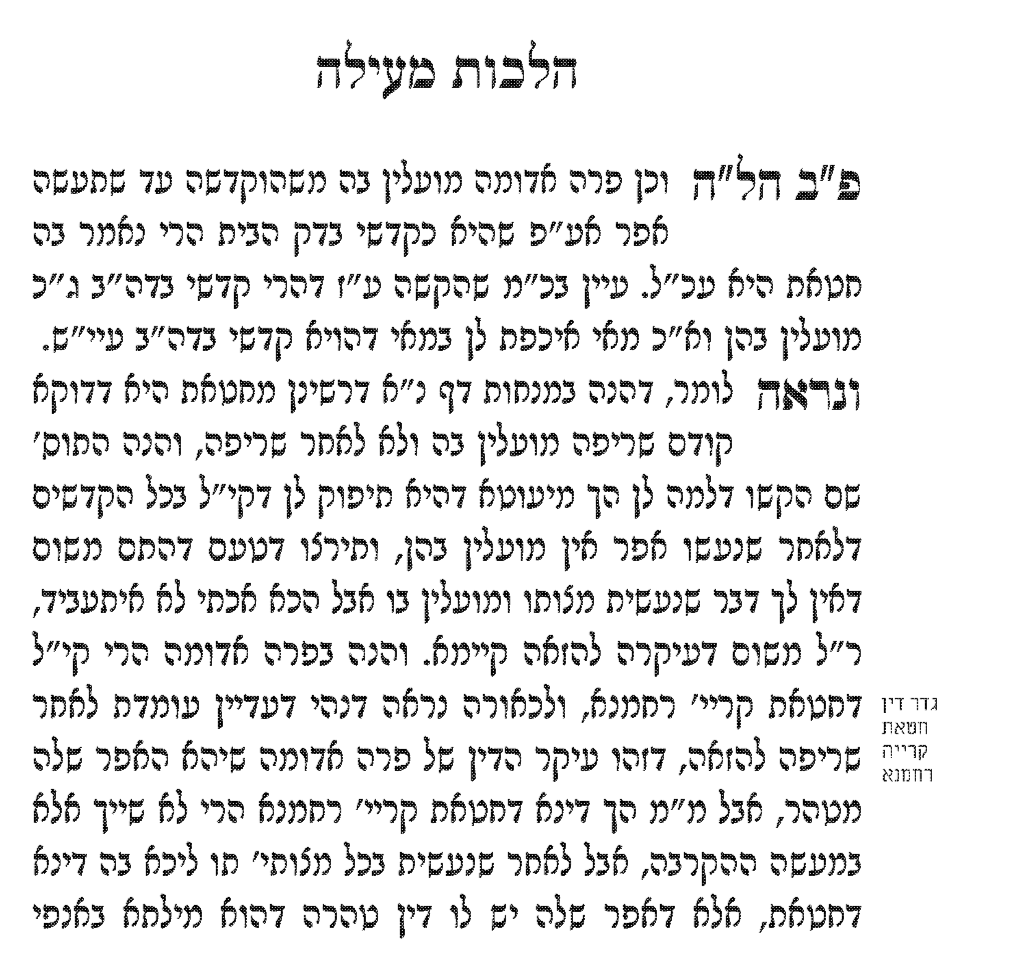
And it seems appropriate to answer: that in Menachot 51b, where they expound from “it is a hatat” that specifically prior to burning, one would violate me’ilah (=misuse of consecrated items) but not after burning. And the Tosfot there asked: why do we need the reduction of “it (is a hatat)” – just derive it from being like all consecrated things (i.e., קדשי מזבח) that after they have become ash, there is not violation of me’ilah with regard to them. And they answered that the reason there is because if an item’s mitzvah has been done, me’ilah does not apply, but here, the mitzvah of the red heifer hasn’t been done, i.e., because its essential mitzvah is to sprinkle the ashes (on someone who contracted corpse impurity). And regarding the red heifer, we say that the Torah called it a “hatat,” and it seems that even though it still is going to be used for sprinkling once it’s been burned, at any rate, the ruling of “it is called a hatat by the Torah” only applies to an act of offering (namely the burning). But once that is done, it no longer has a ruling of hatat, but only a ruling of ritual purity, which is something separate.
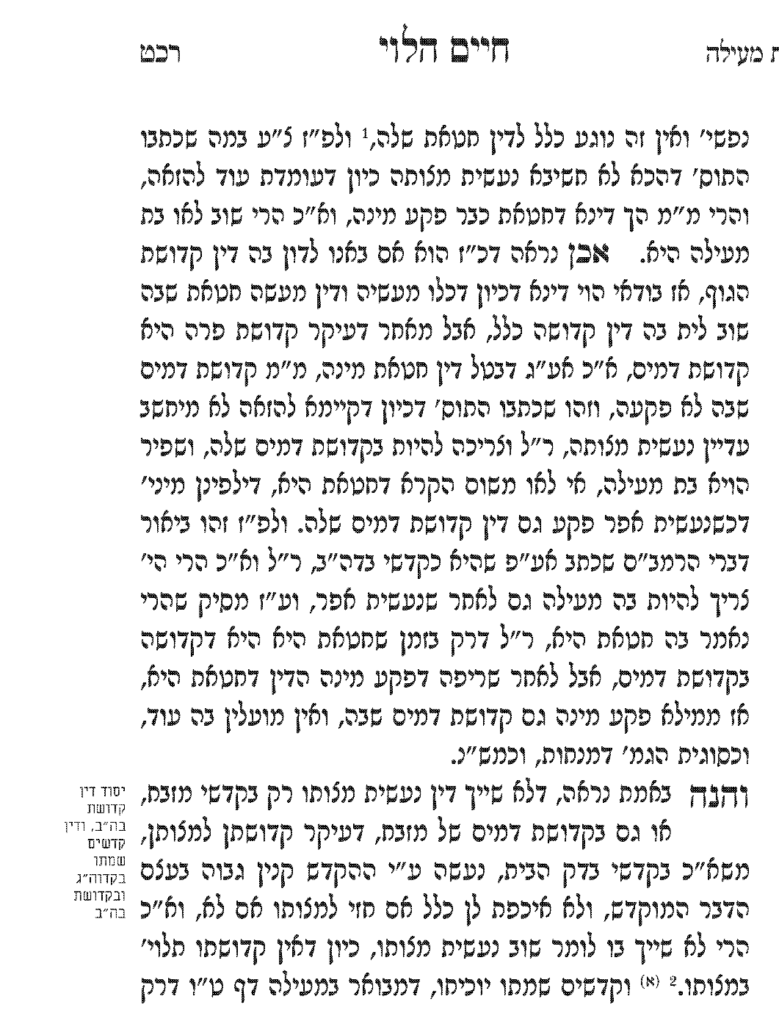
And based on this, it required examination that which the Tosafot wrote that here it is not considered as its mitzvah having been done because it still requires sprinkling, because at any rate, it has already lost its status as comparable to a hatat. And if so, me’ilah should no longer apply to it.
Therefore, it seems that this is only if we are talking about its bodily sanctity, then the ruling would be that once its actions are over and its hatat action (=burning) is done, it should no longer have any holiness. But because the holiness of a heifer is actually a holiness of money, then even if the hatat aspect is finished, there should still be monetary holiness that has not ceases. And this is what the Rosfot mean that since it can still be used for sprinkling it is not thought of as its mitzvah having been done – meaning that it still should have its monetary holiness, and should have me’ilah apply to it, if not for the fact that the Torah says “it is a hatat.” For we learn from that that once it becomes ash, it also loses its monetary holiness. And accordingly, this is what the Rambam meant when he wrote that even though it is like consecrated items for the upkeep of the Tmemple *-monetary holiness), and therefore me’ilah should have applied to it even after it became ash, and about this he says that it is said about the ash, “it is a hatat,” i.e., only when it is a hatat does it even have monetary holiness, but after the burning when it lost the ruling of “it is a hatat,” even the monetary holiness is gone, and me’ilah no longer applies, like the Gemara in Menachot.
And it seems that the ruling of “its mitzvah has been completed” only applies to items consecrated for the altar or monetary hoiness that is for the purpose of buying sacrifices, because their essential kiddush is for their mitzvah. And that is not the case regarding holiness for the purpose of maintaining the Temple, which entail an acquisition by God of the item regardless of whether it can be used for a mitzvah. And in that case, there is no relevance to talking about whether its mitzvah has been done because its holiness is not based on its mitzvah.
6. רב שמואל שמעוני, קדושת הגוף וייעוד למזבח, מעלין בקודש ה

- Bodily sanctity is a higher level of sanctity, which the Torah will not allow to be made mundane through monetary exchange.
- The Torah is not prepared to allow for a divergence from the destiny of the body to be used for worship.
…
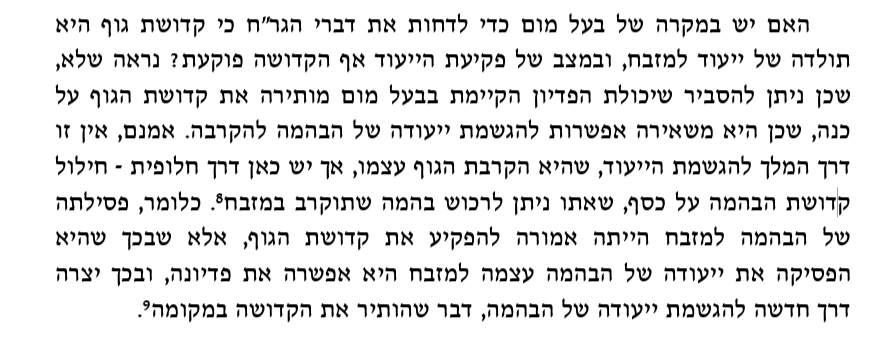
Does the case of the blemished animal (which can be redeemed) undermine Reb Hayyim’s understanding that bodily sanctity is borne of its destiny to be place on the altar, and when the destiny has been broken, so should the sanctity of the animal? It seems not, for it can be explained that the ability to redeem the blemished animal retained the bodily sanctity because it allows for the possibility of achieving the destiny of the animal to be sacrificed. Although this is not the best avenue to fulfil the destiny – which would have been sacrificing the animal itself – there is still an alternative – transferring the holiness of the animal to money, with which an animal that will be placed on the altar can be bought. Meaning that the invalidation of the animal for the altar should have undermined the bodily sanctity, but even in ending the destiny of the actual animal to go to the altar, it allowed the animal’s redemption (through money), and so created a new pathway to achieving the destiny of the animal, which leaves the holiness intact.