










Does one need an expert to rule on a blemish? On what factors does it depend? What blemishes are allowed in a firstborn? How is this derived from the verses in the Torah?
Masechet Bekhorot is sponsored by Ahava Leibtag in loving memory of her father, Arthur Aaron, Asher ben Yaakov Yehuda v’Esther on his first yahrzeit. “You always said Talmud Torah was the best s’char. This one’s for you, Daddy.”
This week’s learning is sponsored by Tina Lamm for the refuah shleima for מעין ליאורה בת שלומית פייגא. “Our precious Maya”
Want to dedicate learning? Get started here:
English
עברית

0:00
0:00
0:00
0:00
Today’s daily daf tools:
Masechet Bekhorot is sponsored by Ahava Leibtag in loving memory of her father, Arthur Aaron, Asher ben Yaakov Yehuda v’Esther on his first yahrzeit. “You always said Talmud Torah was the best s’char. This one’s for you, Daddy.”
This week’s learning is sponsored by Tina Lamm for the refuah shleima for מעין ליאורה בת שלומית פייגא. “Our precious Maya”
Bekhorot 37
לְאַפּוֹקֵי מִדְּרַבִּי יוֹסֵי, שְׁלֹשָׁה מְפִירִין אֶת הַנֶּדֶר בִּמְקוֹם שֶׁאֵין חָכָם לְאַפּוֹקֵי מִדְּרַבִּי יְהוּדָה, דְּתַנְיָא: הֲפָרַת נְדָרִים בִּשְׁלֹשָׁה, רַבִּי יְהוּדָה אוֹמֵר: אֶחָד מֵהֶם חָכָם.
is to the exclusion of the opinion of Rabbi Yosei in the mishna, who prohibits any number of laymen to deem a firstborn animal permitted. The ruling that a group of three laymen may dissolve a vow in a place where there is no Sage is to the exclusion of the opinion of Rabbi Yehuda, as it is taught in a baraita: Dissolution of vows requires a court of three. Rabbi Yehuda says: This is the halakha only if at least one of them is a Sage. If no Sage is available, laymen may not dissolve a vow.
בִּמְקוֹם שֶׁאֵין חָכָם. כְּגוֹן מַאן? אָמַר רַב נַחְמָן: כְּגוֹן אֲנָא. רַבִּי יְהוּדָה אוֹמֵר: אֶחָד מֵהֶן חָכָם, מִכְּלָל דְּהָנָךְ כֹּל דְּהוּ? אָמַר רָבִינָא: דְּמַסְבְּרִי לֵיהּ וְסָבַר.
Rav Ḥiyya bar Amram stated above that a group of three may dissolve a vow in a place where there is no Sage. This indicates that if there is a Sage, he alone may dissolve a vow. The Gemara asks: Who, for example, is considered such a Sage? Rav Naḥman said: For example, one such as me. The baraita further stated that Rabbi Yehuda says: At least one of the three laymen must be a Sage. The Gemara asks: Should one conclude by inference that those other two members can be anyone, even complete ignoramuses? Ravina said in explanation: Each member of the group must be one to whom the halakhot of vows is explained and he is able to comprehend them.
רַבִּי יוֹסֵי אוֹמֵר: אֲפִילּוּ יֵשׁ שָׁם עֶשְׂרִים וּשְׁלֹשָׁה כּוּ׳. אָמַר רַב חֲנַנְאֵל אָמַר רַב: אֵין הֲלָכָה כְּרַבִּי יוֹסֵי. פְּשִׁיטָא, יָחִיד וְרַבִּים הֲלָכָה כְּרַבִּים! מַהוּ דְּתֵימָא נִמּוּקוֹ עִמּוֹ? קָא מַשְׁמַע לַן.
§ The mishna teaches that Rabbi Yosei says: Even if there is a court of twenty-three Sages there, it may be slaughtered only on the basis of the ruling of an expert. Rav Ḥananel says that Rav says: The halakha is not in accordance with the opinion of Rabbi Yosei. The Gemara challenges: This is obvious, as there is a principle that in a dispute between an individual Sage and many Sages, the halakha is in accordance with the opinion of the many Sages. The Gemara answers: Rav’s statement is necessary, lest you say that Rabbi Yosei is an exception to the principle, as his reasoning [nimmuko] is with him, i.e., his logic is sound. Rav Ḥananel therefore teaches us that this is not so, and the halakha does not follow his opinion.
תִּפְשׁוֹט מֵהָא, דְּהָךְ קַמַּיְיתָא מִשְּׁמֵיהּ דִּשְׁמוּאֵל אִיתְּמַר, דְּאִי מִשְּׁמֵיהּ דְּרַב — תַּרְתֵּי לְמָה לִי?
Earlier (36b), the Gemara cited a ruling, which was issued either by Rav or Shmuel, that three regular Jews may deem a firstborn animal permitted in a place where there is no expert, in contrast to the opinion of Rabbi Yosei. The Gemara suggests: Resolve that dilemma from this statement in the name of Rav, that the halakha is not in accordance with the opinion of Rabbi Yosei. It can be inferred from here that that first, uncertain ruling was stated in the name of Shmuel. As, if it was stated in the name of Rav, why do I need two identical rulings?
חֲדָא (מכלל) [מִכְּלָלָא] דַּחֲבִירְתַּהּ אִיתְּמַר.
The Gemara answers: This is insufficient proof, as it is possible that Rav did not issue two identical rulings. Rather, one ruling was stated from the other, by inference. Rav issued only one of these statements explicitly; the other was reported by his students in his name based on an inference from what he had said.
מַתְנִי׳ הַשּׁוֹחֵט אֶת הַבְּכוֹר, וְנוֹדַע שֶׁלֹּא הֶרְאָהוּ — מַה שֶּׁאָכְלוּ אָכְלוּ, וְיַחְזִיר לָהֶם הַדָּמִים, וּמַה שֶּׁלֹּא אָכְלוּ — הַבָּשָׂר יִקָּבֵר, וְיַחְזִיר אֶת הַדָּמִים.
MISHNA: In the case of one who slaughters a firstborn animal and sells its meat, and it was discovered that he did not initially show it to one of the Sages, the halakha is that it was actually prohibited to derive any benefit from the meat. In that case, what the buyers ate, they ate, and the Sages penalized the seller in that he must return the money to them, which they paid for the meat that they ate. And with regard to that which they did not eat, that meat must be buried, and he must return the money that they paid for the meat that they did not eat.
וְכֵן הַשּׁוֹחֵט אֶת הַפָּרָה וּמְכָרָהּ, וְנוֹדַע שֶׁהִיא טְרֵפָה — מַה שֶּׁאָכְלוּ אָכְלוּ, וּמַה שֶּׁלֹּא אָכְלוּ — הֵם יַחֲזִירוּ לוֹ אֶת הַבָּשָׂר, וְהוּא יַחֲזִיר לָהֶם אֶת הַדָּמִים. מְכָרוּהוּ לְגוֹיִם, אוֹ הִטִּילוּהוּ לִכְלָבִים — יְשַׁלְּמוּ דְּמֵי טְרֵפָה.
And likewise, in the case of one who slaughters a cow and sells it, and it was discovered that it is a tereifa, what the buyers ate, they ate, and what they did not eat, they must return the meat to the seller, who may sell it to a gentile or feed it to the dogs, and he must return the money to the buyers. If the buyers sold it to gentiles or cast it to the dogs, they pay the seller the value of a tereifa, which is less than the value of kosher meat, and the seller refunds the balance to the buyers.
גְּמָ׳ תָּנוּ רַבָּנַן: הַמּוֹכֵר בָּשָׂר לַחֲבֵירוֹ וְנִמְצָא בְּשַׂר בְּכוֹר, פֵּירוֹת וְנִמְצָא טְבָלִים, יַיִן וְנִמְצָא יֵין נֶסֶךְ — מַה שֶּׁאָכְלוּ אָכְלוּ, וְיַחְזִיר לָהֶם אֶת הַדָּמִים.
GEMARA: The Sages taught in a baraita: In a case where one sells meat to another and it was discovered that it is the meat of a firstborn animal, which was not deemed permitted for consumption by an expert, or if one sells produce to another and it was discovered that it is untithed produce, or if one sells wine to another and it turns out that it is wine that was used for a libation in idol worship, the halakha is that what the purchasers ate, they ate, and the seller reimburses them all their money.
רַבִּי שִׁמְעוֹן בֶּן אֶלְעָזָר אוֹמֵר: דְּבָרִים שֶׁהַנֶּפֶשׁ קָצָה בָּהֶן — יַחֲזִיר לָהֶן אֶת הַדָּמִים, וְשֶׁאֵין הַנֶּפֶשׁ קָצָה בָּהֶם — יְנַכֶּה לָהֶם אֶת הַדָּמִים. וְאֵלּוּ הֵן דְּבָרִים שֶׁהַנֶּפֶשׁ קָצָה בָּהֶן: נְבֵילוֹת וּטְרֵיפוֹת, שְׁקָצִים וּרְמָשִׂים. וְאֵלּוּ הֵן דְּבָרִים שֶׁאֵין הַנֶּפֶשׁ קָצָה בָּהֶן: בְּכוֹרוֹת, טְבָלִים וְיֵין נֶסֶךְ.
Rabbi Shimon ben Elazar says, qualifying this ruling: If he sold them items from which one is generally repulsed, he must reimburse them all their money, as they are presumed to not have derived benefit from the consumption of such items. But if he sold them items from which one is not generally repulsed, he deducts for them the value of the benefit from those items and reimburses them the balance. And the following are items from which one is generally repulsed: Carcasses and tereifot, repugnant creatures, and creeping animals. And the following are items from which one is generally not repulsed: Firstborn animals, untithed produce, and wine used for a libation in idol worship.
בְּכוֹר — וְלֵימָא לֵיהּ: מַאי אַפְסֵדְתָּךְ?
The Gemara asks: Why does the seller deduct the value of the meat of a firstborn animal eaten by the purchaser and reimburse him the difference? Let the purchaser say to the seller: What loss have I caused you by eating the meat? Had you not sold it to me, you would have had no rights to partake of it, as this is an unblemished firstborn animal from which deriving benefit is prohibited.
לָא צְרִיכָא, כְּגוֹן דְּזַבֵּין לֵיהּ מִמְּקוֹם מוּמָא, דַּאֲמַר לֵיהּ: אִי לָאו דְּאָכְלַתְּ הֲוָה מַחְזֵינָא לֵיהּ וְשָׁרֵי נִיהֲלֵיהּ, כְּרַבִּי יְהוּדָה.
The Gemara answers: No, this ruling is necessary in a case where he sold him a cut of meat from an area on the animal that contained a blemish, but the seller had not yet brought the animal to be examined and deemed permitted by a Sage. In that instance, the seller can say to the purchaser: Had you not eaten the meat, I would have shown the animal to a Sage and he would have deemed it permitted to me. The Gemara notes that this is in accordance with the opinion of Rabbi Yehuda (28a), who permits a firstborn animal to be examined and deemed permitted even after it has been slaughtered.
טְבָלִים — הֲוָה מַתְקֵינְנָא לְהוּ וְאָכֵלְנָא לְהוּ, יֵין נֶסֶךְ — עַל יְדֵי תַּעֲרוֹבֶת, וּכְרַבָּן שִׁמְעוֹן בֶּן גַּמְלִיאֵל.
The Gemara adds that with regard to untithed produce, although one could claim that the purchaser did not cause a loss to the seller, as untithed produce is prohibited for consumption, the seller can say to the purchaser: Had you not eaten my produce, I would have remedied it, i.e., separated its tithes, and eaten it. Similarly, with regard to wine used for a libation in idol worship, which is also prohibited to be consumed, this is referring to a seller who sold it in a mixture of permitted wine. In this case, had the purchaser not consumed the wine mixture, the seller could have derived benefit from it, in accordance with the opinion of Rabban Shimon ben Gamliel.
דִּתְנַן: יֵין נֶסֶךְ שֶׁנָּפַל לַבּוֹר — כּוּלּוֹ אָסוּר בַּהֲנָאָה. רַבָּן שִׁמְעוֹן בֶּן גַּמְלִיאֵל אוֹמֵר: יִמָּכֵר כּוּלּוֹ לְגוֹיִם, חוּץ מִדְּמֵי יֵין נֶסֶךְ שֶׁבּוֹ.
As we learned in a mishna (Avoda Zara 74a): In the case of wine used for a libation in idol worship that fell into a wine cistern, it is prohibited to derive benefit from all the wine in the cistern, even if the volume of the wine used for a libation was small in comparison to the volume of the rest of the wine in the cistern. Rabban Shimon ben Gamliel says: All of the wine in the cistern may be sold to a gentile, and the money paid for it is permitted, except for the value of the wine used for a libation that is in it.
הֲדַרַן עֲלָךְ כׇּל פְּסוּלֵי הַמּוּקְדָּשִׁין.
מַתְנִי׳ עַל אֵלּוּ מוּמִין שׁוֹחֲטִין אֶת הַבְּכוֹר: נִפְגְּמָה אׇזְנוֹ מִן הַחַסְחוּס, אֲבָל לֹא הָעוֹר, נִסְדְּקָה אַף עַל פִּי שֶׁלֹּא חָסְרָה, נִיקְּבָה מְלֹא כַרְשִׁינָה, אוֹ שֶׁיָּבְשָׁה. אֵיזֶהוּ יְבֵשָׁה? כֹּל שֶׁתִּנָּקֵב וְאֵינָהּ מוֹצִיאָה טִיפַּת דָּם. רַבִּי יוֹסֵי בֶּן הַמְשׁוּלָּם אוֹמֵר: יְבֵשָׁה שֶׁתְּהֵא נִפְרֶכֶת.
MISHNA: For these blemishes, one may slaughter the firstborn animal outside the Temple: If the firstborn’s ear was damaged and lacking from the cartilage [haḥasḥus], but not if the skin was damaged; and likewise, if the ear was split, although it is not lacking; or if the ear was pierced with a hole the size of a bitter vetch, which is a type of legume; or if it was an ear that is desiccated. What is a desiccated ear that is considered a blemish? It is any ear that if it is pierced it does not discharge a drop of blood. Rabbi Yosei ben HaMeshullam says: Desiccated means that the ear is so dry that it will crumble if one touches it.
גְּמָ׳ אַמַּאי? פִּסֵּחַ וְעִוֵּר כְּתִיב!
GEMARA: With regard to the blemishes mentioned in this mishna and in the subsequent mishnayot, the Gemara asks: Why is it permitted to slaughter and eat a firstborn that sustained these blemishes? Only a lame animal and a blind animal are written in the verse that discusses this halakha. That verse states: “And if there be any blemish therein, lameness, or blindness, any ill blemish whatsoever, you shall not sacrifice it to the Lord your God. You shall eat it within your gates” (Deuteronomy 15:21–22).
כְּתִיב נָמֵי ״כִּי יִהְיֶה בוֹ מוּם״, וְאֵימָא: ״כִּי יִהְיֶה בּוֹ מוּם״ — כָּלַל, ״פִּסֵּחַ אוֹ עִוֵּר״ — פָּרַט, כְּלָל וּפְרָט אֵין בַּכְּלָל אֶלָּא מָה שֶׁבַּפְּרָט; פִּסֵּחַ וְעִוֵּר — אִין, מִידֵּי אַחֲרִינָא — לָא!
The Gemara answers: It is also written in the beginning of the verse: “If there be any blemish therein,” which indicates that other blemishes are also included. The Gemara asks: But why not say that the phrase “if there be any blemish therein” is a generalization, while “lameness, or blindness” is a detail. According to the principles of midrashic exegesis, if a generalization and a detail are mentioned, the generalization includes only that which is specified in the detail. Therefore, it should be concluded that in the event of lameness and blindness, yes, one may slaughter the firstborn, but in the event of another matter, one may not slaughter it.
״כֹּל מוּם רָע״ — חָזַר וְכָלַל, כְּלָל וּפְרָט וּכְלָל — אִי אַתָּה דָן אֶלָּא כְּעֵין הַפְּרָט; מָה הַפְּרָט מְפוֹרָשׁ — מוּמִין שֶׁבַּגָּלוּי וְאֵינָן חוֹזְרִין, אַף כֹּל מוּמִין שֶׁבַּגָּלוּי וְאֵינָן חוֹזְרִין.
The Gemara answers: By subsequently stating: “Any ill blemish,” it then generalized again. Consequently, it is a generalization and a detail and a generalization, represented in the phrases “any blemish,” “lameness or blindness,” and “any ill blemish,” and according to the principles of midrashic exegesis, you may deduce that the verse is referring only to items similar to the detail. Just as the items mentioned in the detail, i.e., in the phrase “lameness or blindness,” are clearly defined as blemishes that are exposed and do not regenerate, so too, all blemishes that are exposed and do not regenerate are considered blemishes with regard to a firstborn.
וְאֵימָא: מָה הַפְּרָט מְפוֹרָשׁ — מוּמִין שֶׁבַּגָּלוּי, וּבוֹטֵל מִמְּלַאכְתּוֹ, וְאֵינוֹ חוֹזֵר, אַף כֹּל — מוּמִין שֶׁבַּגָּלוּי, וּבוֹטֵל מִמְּלַאכְתּוֹ, וְאֵינוֹ חוֹזֵר. אַלְּמָה תְּנַן: נִפְגְּמָה אׇזְנוֹ מִן הַחַסְחוּס וְלֹא מִן הָעוֹר?
The Gemara suggests: But say instead that just as the items mentioned in the detail, i.e., in the phrase “lameness or blindness,” are clearly defined as blemishes that are exposed and that cause an animal to desist from its normal labor, and they are blemishes that do not regenerate, so too, all blemishes that are exposed and that cause an animal to desist from its labor and do not regenerate are included in this halakha. If so, a blemish that does not fit these criteria would not render the firstborn permitted to be slaughtered. Why then did we learn in the mishna that if the firstborn’s ear was damaged and lacking from the cartilage, but not if it is lacking from the skin, it is considered a blemish, despite the fact that this does not cause the animal to desist from its labor?
כֹּל מוּם רָע רִיבּוּיָא הוּא, אִי הָכִי, מוּמִין שֶׁבַּסֵּתֶר נָמֵי? אַלְּמָה תְּנַן: חוּטִין הַחִיצוֹנוֹת שֶׁנִּפְגְּמוּ וְשֶׁנִּגְמְמוּ, וְהַפְּנִימִיּוֹת שֶׁנֶּעֶקְרוּ —
The Gemara answers: The word “any” in “any ill blemish” is an amplification, and it includes even blemishes that are different from those defined by the detail. The Gemara challenges: If so, blemishes that are hidden should also be included. Why then did we learn in the mishna (39a) that animals with external gums that were damaged and lacking or that were scratched [veshenigmemu] and likewise animals with internal gums that were entirely extracted are considered blemished?
נֶעְקְרוּ אִין, נִפְגְּמוּ וְנִגְמְמוּ לָא? בָּעֵינָא ״מוּם רָע״, וְלֵיכָּא! אִי הָכִי, מוּם עוֹבֵר נָמֵי! אַלְּמָה תְּנַן: וְלֹא מִן הָעוֹר?
It can be inferred that if the internal gums were extracted then yes, one may slaughter the firstborn, but if they were merely damaged or they were scratched, one may not, since it is a hidden blemish. The Gemara answers: I require that it be an “ill blemish,” which must be exposed and degrading, and a hidden blemish is not considered such an “ill blemish.” The Gemara asks: If so, that all blemishes are included by the words: “Any ill blemish,” aside from hidden blemishes, a temporary blemish should also render it permitted for the firstborn to be slaughtered. Why then did we learn in the mishna: If the firstborn’s ear was damaged and lacking from the cartilage it may be slaughtered, but not if it is damaged and lacking from the skin, since it is a temporary blemish?
מוּם עוֹבֵר סְבָרָא הוּא, הַשְׁתָּא מִיפְרָק לָא פָּרְקִינַן עִלָּוֵיהּ, מִשְׁחָט שָׁחֲטִינַן עִלָּוֵיהּ? דְּתַנְיָא: ״וְאִם כׇּל בְּהֵמָה טְמֵאָה אֲשֶׁר לֹא יַקְרִיבוּ מִמֶּנָּה קׇרְבָּן לַה׳״ — בְּבַעֲלֵי מוּמִין הַכָּתוּב מְדַבֵּר.
The Gemara answers: A temporary blemish is not excluded by the exegesis but is based on logical reasoning: Now, if we do not even redeem an offering due to a temporary blemish, will we slaughter a firstborn outside the Temple, for which redemption is not performed, due to a temporary blemish? The Gemara explains the source for this assertion that an offering is not redeemed because of a temporary blemish. As it is taught in a baraita: “And if it be any impure animal, of which they may not bring an offering to the Lord” (Leviticus 27:11). The verse is speaking of ritually pure animals with blemishes.
אַתָּה אוֹמֵר בְּבַעֲלֵי מוּמִין שֶׁנִּפְדּוּ הַכָּתוּב מְדַבֵּר, אוֹ אֵינוֹ אֶלָּא בִּבְהֵמָה טְמֵאָה מַמָּשׁ? כְּשֶׁהוּא אוֹמֵר ״וְאִם בִּבְהֵמָה הַטְּמֵאָה״, הֲרֵי בְּהֵמָה טְמֵאָה אָמוּר, הָא מָה אֲנִי מְקַיֵּים ״אֲשֶׁר לֹא יַקְרִיבוּ מִמֶּנָּה״? הֱוֵי אוֹמֵר: זֶה בַּעֲלֵי מוּמִין שֶׁנִּפְדּוּ.
The baraita continues: Do you say that the verse is speaking of animals with blemishes that were redeemed, or is it referring only to an actual impure animal, such as a donkey or a horse that was consecrated; but with regard to a kosher animal, perhaps its consecrated status cannot be removed by redemption even if it was blemished? When the verse states: “And if it be of an impure animal” (Leviticus 27:27), a non-kosher animal is mentioned. So how do I realize the meaning of: “Of which they may not bring an offering”? You must say that this is referring to blemished animals that were redeemed, indicating that redemption is permitted.
יָכוֹל יִפָּדוּ עַל מוּם עוֹבֵר? תַּלְמוּד לוֹמַר: ״אֲשֶׁר לֹא יַקְרִיבוּ מִמֶּנָּה קׇרְבָּן לַה׳״ — מִי שֶׁאֵינָהּ קְרֵיבָה כׇּל עִיקָּר, יָצְתָה זוֹ שֶׁאֵינָהּ קְרֵיבָה הַיּוֹם אֶלָּא לְמָחָר.
The baraita concludes: One might have thought that offerings may be redeemed due to a temporary blemish that they sustained. Therefore, the verse states: “Of which they may not bring an offering to the Lord” (Leviticus 27:11). This teaches that an animal that is not sacrificed at all is redeemed, which excludes this animal that has a temporary blemish, which is not sacrificed today, but rather may be sacrificed tomorrow.
אִיבָּעֵית אֵימָא: אִם כֵּן פִּסֵּחַ וְעִוֵּר לְמָה לִי?
The Gemara comments: If you wish, say a different explanation as to why a temporary blemish is not included in the amplification of the verse: “Any ill blemish”: If so, that even a temporary blemish permits its slaughter, why do I need the verse to mention a lame animal and a blind animal? It would have sufficed to state: “Any ill blemish.” Rather, the verse excludes a temporary blemish that is unlike these two blemishes, which are permanent.
נִסְדְּקָה אַף עַל פִּי שֶׁלֹּא חָסְרָה. תָּנוּ רַבָּנַן: הַסֶּדֶק — כׇּל שֶׁהוּא, הַפְּגִימָה — בֵּין בִּידֵי אָדָם בֵּין בִּידֵי שָׁמַיִם. מִכְּלָל דְּסֶדֶק בִּידֵי שָׁמַיִם לָא?
§ The mishna teaches: If the ear of the firstborn animal was split, although it is not lacking, one may slaughter the animal outside the Temple. With regard to this, the Sages taught in a baraita: The split that permits the animal to be slaughtered is one of any size. With regard to the damage, whether it was done by the hand of a person or by the hand of God, it may be slaughtered. The Gemara asks: Should it be derived by inference that with regard to a split, if it was caused by the hand of God it is not considered a blemish? That also should be considered an obvious blemish and render the animal permitted for slaughter.
אֶלָּא, סֶדֶק וּפְגִימָה — בֵּין בִּידֵי שָׁמַיִם בֵּין בִּידֵי אָדָם. וְכַמָּה שִׁיעוּר פְּגִימָה? כְּדֵי שֶׁתַּחְגּוֹר בָּהּ צִיפּוֹרֶן.
The Gemara answers: Rather, the baraita should be interpreted as follows: The animal may be slaughtered for a split of any size, and with regard to a split and damage, whether it was done by the hand of God or by the hand of a person, the animal may be slaughtered. And what is the measure of the damage that is considered a blemish? It must be large enough that a fingernail will be retained [shetaḥgor] on it, i.e., if one passes his fingernail over the ear of the animal it can enter the area of the damage.
נִקְּבָה מְלֹא וְכוּ׳. תָּנוּ רַבָּנַן: כַּמָּה נְקִיבַת הָאוֹזֶן? מְלֹא כַרְשִׁינָה. רַבִּי יוֹסֵי בְּרַבִּי יְהוּדָה אוֹמֵר: בְּכַעֲדָשָׁה. וְאֵיזוֹ הִיא יְבֵשָׁה? שֶׁאִם תִּינָּקֵב וְאֵינָהּ מוֹצִיאָה טִיפַּת דָּם. רַבִּי יוֹסֵי בֶּן הַמְשׁוּלָּם אוֹמֵר: יְבֵשָׁה כְּדֵי שֶׁתְּהֵא נִפְרֶכֶת.
§ The mishna stated that if the ear of a firstborn animal was pierced with a hole the size of a bitter vetch, the animal is slaughtered because of it. With regard to this, the Sages taught in a baraita: How large must the piercing of the ear be? It must be the size of a karshina. Rabbi Yosei, son of Rabbi Yehuda, says: Like the size of a lentil, which is slightly smaller. And what is a desiccated ear that is considered a blemish? It is an ear that if it is pierced, it does not discharge a drop of blood. Rabbi Yosei ben HaMeshullam says: Desiccated means that the ear is so dry that it will crumble if one touches it.
תָּנָא: קְרוֹבִין דִּבְרֵיהֶן לִהְיוֹת שָׁוִין. דִּבְרֵיהֶן דְּמַאן? אִילֵימָא דְּתַנָּא קַמָּא וְרַבִּי יוֹסֵי בֶּן הַמְשׁוּלָּם — טוּבָא אִיכָּא! אֶלָּא דְּתַנָּא קַמָּא וְרַבִּי יוֹסֵי בְּרַבִּי יְהוּדָה.
A Sage taught: Their statements are close to being identical in practice. The Gemara asks: The statements of whom are close to being identical? If we say that he is referring to the statements of the first tanna and Rabbi Yosei ben HaMeshullam with regard to a desiccated ear, there is a significant difference between these two opinions. One says it is determined by whether blood emerges, while the other holds it is based on whether it crumbles. Rather, he is referring to the statement of the first tanna and the statement of Rabbi Yosei, son of Rabbi Yehuda, as a karshina and a lentil are almost identical in size.
כַּעֲדָשָׁה — אִין, בְּצִיר מִכַּעֲדָשָׁה — לָא? וּרְמִינְהִי: ״מַרְצֵעַ״ — אֵין לִי אֶלָּא מַרְצֵעַ, מִנַּיִן לְרַבּוֹת הַסּוֹל, וְהַסִּירָה, וְהַמַּחַט, וְהַמַּקְדֵּחַ, וְהַמַּכְתֵּב?
The Gemara asks with regard to the statement of Rabbi Yosei, son of Rabbi Yehuda: If the ear was pierced with a hole like the size of a lentil, then yes, it is considered a blemish, but if it was pierced with a hole less than the size of a lentil, then is it not considered a blemish? And one can raise a contradiction from a baraita: The Torah provides a description of the process by which a Hebrew slave who has already completed his six years of servitude may continue on as a slave of his master: “And you shall take the awl and put it through his ear and in the door” (Deuteronomy 15:17). From this verse, I have derived only that an awl can be used. From where do I know to include the palm thorn [hassol], a thorn, a needle, and a gimlet, and a stylus for writing on wax as valid tools for piercing his ear?
תַּלְמוּד לוֹמַר: ״וְלָקַחְתָּ״ — כׇּל דָּבָר שֶׁנִּלְקָח בַּיָּד, דִּבְרֵי רַבִּי יוֹסֵי בְּרַבִּי יְהוּדָה. רַבִּי אוֹמֵר: ״מַרְצֵעַ״ — מָה מַרְצֵעַ מְיוּחָד שֶׁל מַתֶּכֶת, אַף כֹּל שֶׁל מַתֶּכֶת.
Therefore, the verse states: “And you shall take,” which indicates that anything that can be taken by hand is a valid tool. This is the statement of Rabbi Yosei, son of Rabbi Yehuda. Rabbi Yehuda HaNasi says: Not all these items can be used. Rather, since the verse specifies an “awl,” only items similar to an awl can be used; just as an awl is distinct in that it is fashioned of metal, so too, anything fashioned of metal can be used.
וְקָתָנֵי סֵיפָא: אָמַר רַבִּי, יוּדָן בְּרִבִּי הָיָה דּוֹרֵשׁ: כְּשֶׁהֵן רוֹצְעִין, אֵין רוֹצְעִין אֶלָּא בַּמִּילָת.
And the latter clause of the baraita teaches: Rabbi Elazar said that Yudan the Distinguished would teach as follows: When they pierce the ear of the slave, they pierce only in the earlobe.
וַחֲכָמִים אוֹמְרִים: אֵין עֶבֶד עִבְרִי כֹּהֵן נִרְצָע, מִפְּנֵי שֶׁנַּעֲשָׂה בַּעַל מוּם. וְאִם תֹּאמַר: בַּמִּילָת הָיוּ רוֹצְעִין, הֵיאַךְ עֶבֶד כֹּהֵן נַעֲשֶׂה בַּעַל מוּם? הָא אֵין רוֹצְעִין אֶלָּא בְּגוֹבַהּ שֶׁל אוֹזֶן.
And the Rabbis say: The piercing is not performed on that part of the ear, since there is a tradition that the ear of a Hebrew slave who is a priest is not pierced, because the piercing renders him blemished and unfit to serve in the Temple. And if you say that they pierced the slave in the earlobe, how does a Hebrew slave who is a priest become blemished through piercing? A wound on this part of the ear heals. This indicates that they pierce only on the upper part of the ear, through the cartilage.
אָמַר רַב חָנָא בַּר קַטִּינָא: לָא קַשְׁיָא — כָּאן לִשְׁחוֹט, כָּאן לִפְסוֹל.
In any event, it is clear from the statement of Rabbi Yosei, son of Rabbi Yehuda, that the piercing of a needle is considered a blemish, despite the fact that it is definitely smaller than the size of a lentil. The Gemara answers: Rav Ḥana bar Ketina said: It is not difficult, as here, Rabbi Yosei, son of Rabbi Yehuda, said that the hole must be the size of a lentil with regard to slaughtering an animal outside the Temple due to the blemish. There, with regard to disqualifying the animal from being sacrificed, even a tiny hole is considered a blemish, just as it renders the priest blemished.
מַאי כַּרְשִׁינָה? אָמַר רַב שֵׁרֵבְיָא: הִינְדָּא.
§ According to the first opinion cited in the baraita, the size of the hole that is considered a blemish in the ear of the firstborn animal is like that of a karshina. The Gemara asks: What is a karshina? Rav Sherevya says: It is a bitter vetch, called hinda in Aramaic.
בְּעָא מִינֵּיהּ רַב הוֹשַׁעְיָא מֵרַב הוּנָא רַבָּה: כַּרְשִׁינָה הַנִּכְנֶסֶת וְיוֹצְאָה, אוֹ כַרְשִׁינָה הָעוֹמֶדֶת? אָמַר לוֹ: זוֹ לֹא שָׁמַעְתִּי, כַּיּוֹצֵא בָּהּ שָׁמַעְתִּי.
With regard to this halakha, Rav Hoshaya asked Rav Huna the Great: Is this measure referring to a bitter vetch that can enter and exit the hole in the ear, which means that the hole is slightly larger than the bitter vetch? Or is it referring to a bitter vetch that is stationary in the hole, meaning that the hole is precisely the size of a bitter vetch? Rav Huna the Great said to him: I did not hear this halakha specifically, but I heard a similar halakha to it, that the expression: The size of a bitter vetch [melo karshina], means that the bitter vetch can enter and exit the hole.
דִּתְנַן: הַשִּׁדְרָה וְהַגּוּלְגּוֹלֶת שֶׁחָסְרוּ, כַּמָּה חֶסְרוֹן בַּשִּׁדְרָה וְלֹא יְהֵא מְטַמֵּא בְּאֹהֶל? בֵּית שַׁמַּאי אוֹמְרִים: שְׁתֵּי חוּלְיוֹת, וּבֵית הִלֵּל אוֹמְרִים: חוּלְיָא אַחַת. וּבַגּוּלְגּוֹלֶת, בֵּית שַׁמַּאי אוֹמְרִים: כִּמְלֹא מַקְדֵּחַ, וּבֵית הִלֵּל אוֹמְרִים: כְּדֵי שֶׁיִּנָּטֵל מִן הַחַי וְיָמוּת.
As we learned in a mishna (Oholot 2:3): The spine and the skull of a corpse that are incomplete do not impart ritual impurity in a tent. This halakha was unanimously accepted, but the details were subject to dispute: How much is considered a deficiency in the spine so that it will not impart impurity in a tent? Beit Shammai say: If it is missing two vertebrae, and Beit Hillel say: Even if it is missing only one vertebra, it will not impart impurity. And likewise, they disagree concerning the deficiency in the skull: Beit Shammai say that it must be missing a piece like the size of a drilled hole, and Beit Hillel say: It must be missing an amount that if removed from a living person, he would die.
וְיָתֵיב רַב חִסְדָּא וְקָמִיבַּעְיָא לֵיהּ: ״כְּדֵי שֶׁיִּנָּטֵל מִן הַחַי״ — וְכַמָּה? אֲמַר לֵיהּ רַב תַּחְלִיפָא בַּר אֲבוּדִימִי: הָכִי אָמַר שְׁמוּאֵל — כְּסֶלַע.
The Gemara relates: And Rav Ḥisda was sitting, and he raised a dilemma: That which was stated: An amount that if removed from a living person, how much is that? Rav Taḥlifa bar Avudimi said to him: This is what Shmuel says: It is like the size of a sela coin.
וְאִיתְּמַר: רַב סָפְרָא אָמַר: שְׁמַעְתְּתָא אֲמַר לֵיהּ, וְרַב שְׁמוּאֵל בַּר יְהוּדָה אָמַר: מַתְנִיתָא אֲמַר לֵיהּ, וְסִימָנָיךְ: תָּנֵי רַב שְׁמוּאֵל בַּר יְהוּדָה.
The Gemara notes: And it was stated that the amora’im disagreed with regard to whom Rabbi Taḥlifa cited when relating this halakha to Rav Ḥisda. Rav Safra says that he told him a halakha of the amora’im citing Shmuel. And Rav Shmuel bar Yehuda says that he told him a baraita that stipulated that the measure is like the size of a sela coin. And your mnemonic to remember what each one said is the common talmudic phrase: Rav Shmuel bar Yehuda teaches [tanei], generally indicating a source from a tanna, which hints that according to Rav Shmuel bar Yehuda, Rav Taḥlifa cited a baraita to Rav Ḥisda, while according to Rav Safra, he related a tradition from Shmuel.
וַאֲמַר לֵיהּ: אִם כֵּן, עָשִׂיתָה דִּבְרֵי בֵּית שַׁמַּאי וְדִבְרֵי בֵּית הִלֵּל אֶחָד! דִּתְנַן: מָאוֹר שֶׁלֹּא נַעֲשָׂה בִּידֵי אָדָם, שִׁיעוּרוֹ מְלֹא אֶגְרוֹף גָּדוֹל, וְזֶהוּ אֶגְרוֹפוֹ שֶׁל בֶּן אֲבַטִּיחַ. אָמַר רַבִּי יוֹסֵי: וְיֶשְׁנוֹ כְּרֹאשׁ גָּדוֹל שֶׁל אָדָם.
And Rav Ḥisda said to Rav Taḥlifa: If so, that the measure of the deficiency according to the opinion of Beit Hillel is the size of a sela coin, you have made the statement of Beit Shammai and the statement of Beit Hillel one and the same, since the size of a sela coin and a drilled hole is identical. As we learned in a mishna (Kelim 17:12): With regard to a window that was not fashioned by the hands of a person, such as where a stone fell out of the wall by itself, its measure for which ritual impurity is transmitted from room to room is like the size of a large fist. And this is the size of the fist of Ben Avatiaḥ, who was known to be an exceptionally large man. Rabbi Yosei said: And the size of this fist is like the size of a large human head.
נַעֲשָׂה בִּידֵי אָדָם, שִׁיעֲרוּהוּ כִּמְלֹא מַקְדֵּחַ גָּדוֹל שֶׁל לִשְׁכָּה, שֶׁהוּא כְּפוּנְדְּיוֹן (שֶׁל) הָאִיטַלְקִי, וּכְסֶלַע נִירוֹנִית, וְיֶשְׁנוֹ
The mishna continues: But if the window was made by the hand of a person, its measure for which ritual impurity is transmitted is like the size of the drilled hole of the large drill of the chamber in the Temple, which is like the size of the Italian pundeyon and like the size of a sela of the emperor Nero. And its size is
Follow

Today’s daily daf tools:
Delve Deeper
Broaden your understanding of the topics on this daf with classes and podcasts from top women Talmud scholars.

Bekhorot: Daf 26-32 Daf Yomi: One Week at a Time
October 21, 2026 | י׳ בחשון תשפ״ז

Bekhorot: Daf 19-25 Daf Yomi: One Week at a Time
October 14, 2026 | ג׳ בחשון תשפ״ז
Din & Daf: Divinely Gifted Holiness vs. Human-made Holiness
October 07, 2026 | כ״ו בתשרי תשפ״ז
Bekhorot: Daf 12-18 Daf Yomi: One Week at a Time
October 07, 2026 | כ״ו בתשרי תשפ״ז

Bekhorot 15: A Gazelle, a Hart, and the Limits of Permission
October 03, 2026 | כ״ב בתשרי תשפ״ז
Bekhorot: Daf 5-11 Daf Yomi: One Week at a Time
October 02, 2026 | כ״א בתשרי תשפ״ז
Bekhorot 10: Food Impurity and Shechitah Practice
September 28, 2026 | י״ז בתשרי תשפ״ז
New to Talmud?
Check out our resources designed to help you navigate a page of Talmud – and study at the pace, level and style that fits you.
The Hadran Women’s Tapestry
Meet the diverse women learning Gemara at Hadran and hear their stories.
In July, 2012 I wrote for Tablet about the first all women’s siyum at Matan in Jerusalem, with 100 women. At the time, I thought, I would like to start with the next cycle – listening to a podcast at different times of day makes it possible. It is incredible that after 10 years, so many women are so engaged!

Beth Kissileff
Pittsburgh, United States
The first month I learned Daf Yomi by myself in secret, because I wasn’t sure how my husband would react, but after the siyyum on Masechet Brachot I discovered Hadran and now sometimes my husband listens to the daf with me. He and I also learn mishnayot together and are constantly finding connections between the different masechtot.

Laura Warshawsky
Silver Spring, Maryland, United States
I’ve been learning since January 2020, and in June I started drawing a phrase from each daf. Sometimes it’s easy (e.g. plants), sometimes it’s very hard (e.g. korbanot), and sometimes it’s loads of fun (e.g. bird racing) to find something to draw. I upload my pictures from each masechet to #DafYomiArt. I am enjoying every step of the journey.

Gila Loike
Ashdod, Israel
I began my journey two years ago at the beginning of this cycle of the daf yomi. It has been an incredible, challenging experience and has given me a new perspective of Torah Sh’baal Peh and the role it plays in our lives
linda kalish-marcus
Efrat, Israel
While vacationing in San Diego, Rabbi Leah Herz asked if I’d be interested in being in hevruta with her to learn Daf Yomi through Hadran. Why not? I had loved learning Gemara in college in 1971 but hadn’t returned. With the onset of covid, Daf Yomi and Rabbanit Michelle centered me each day. Thank-you for helping me grow and enter this amazing world of learning.

Meryll Page
Minneapolis, MN, United States
I started with Ze Kollel in Berlin, directed by Jeremy Borowitz for Hillel Deutschland. We read Masechet Megillah chapter 4 and each participant wrote his commentary on a Sugia that particularly impressed him. I wrote six poems about different Sugiot!
Fascinated by the discussions on Talmud I continued to learn with Rabanit Michelle Farber and am currently taking part in the Tikun Olam course.

Yael Merlini
Berlin, Germany
In January 2020, my chevruta suggested that we “up our game. Let’s do Daf Yomi” – and she sent me the Hadran link. I lost my job (and went freelance), there was a pandemic, and I am still opening the podcast with my breakfast coffee, or after Shabbat with popcorn. My Aramaic is improving. I will need a new bookcase, though.
Rhondda May
Atlanta, Georgia, United States
Having never learned Talmud before, I started Daf Yomi in hopes of connecting to the Rabbinic tradition, sharing a daily idea on Instagram (@dafyomiadventures). With Hadran and Sefaria, I slowly gained confidence in my skills and understanding. Now, part of the Pardes Jewish Educators Program, I can’t wait to bring this love of learning with me as I continue to pass it on to my future students.

Hannah Greenberg
Pennsylvania, United States
Years ago, I attended the local Siyum HaShas with my high school class. It was inspiring! Through that cycle and the next one, I studied masekhtot on my own and then did “daf yomi practice.” The amazing Hadran Siyum HaShas event firmed my resolve to “really do” Daf Yomi this time. It has become a family goal. We’ve supported each other through challenges, and now we’re at the Siyum of Seder Moed!

Elisheva Brauner
Jerusalem, Israel
I began my journey with Rabbanit Michelle more than five years ago. My friend came up with a great idea for about 15 of us to learn the daf and one of us would summarize weekly what we learned.
It was fun but after 2-3 months people began to leave. I have continued. Since the cycle began Again I have joined the Teaneck women.. I find it most rewarding in so many ways. Thank you

Dena Heller
New Jersey, United States
I was exposed to Talmud in high school, but I was truly inspired after my daughter and I decided to attend the Women’s Siyum Shas in 2020. We knew that this was a historic moment. We were blown away, overcome with emotion at the euphoria of the revolution. Right then, I knew I would continue. My commitment deepened with the every-morning Virtual Beit Midrash on Zoom with R. Michelle.

Adina Hagege
Zichron Yaakov, Israel
I heard about the syium in January 2020 & I was excited to start learning then the pandemic started. Learning Daf became something to focus on but also something stressful. As the world changed around me & my family I had to adjust my expectations for myself & the world. Daf Yomi & the Hadran podcast has been something I look forward to every day. It gives me a moment of centering & Judaism daily.

Talia Haykin
Denver, United States
I started learning daf in January, 2020, being inspired by watching the Siyyum Hashas in Binyanei Haumah. I wasn’t sure I would be able to keep up with the task. When I went to school, Gemara was not an option. Fast forward to March, 2022, and each day starts with the daf. The challenge is now learning the intricacies of delving into the actual learning. Hadran community, thank you!

Rochel Cheifetz
Riverdale, NY, United States
I was moved to tears by the Hadran Siyyum HaShas. I have learned Torah all my life, but never connected to learning Gemara on a regular basis until then. Seeing the sheer joy Talmud Torah at the siyyum, I felt compelled to be part of it, and I haven’t missed a day!
It’s not always easy, but it is so worthwhile, and it has strengthened my love of learning. It is part of my life now.

Michelle Lewis
Beit Shemesh, Israel
When I started studying Hebrew at Brown University’s Hillel, I had no idea that almost 38 years later, I’m doing Daf Yomi. My Shabbat haburah is led by Rabbanit Leah Sarna. The women are a hoot. I’m tracking the completion of each tractate by reading Ilana Kurshan’s memoir, If All the Seas Were Ink.

Hannah Lee
Pennsylvania, United States
I started my journey on the day I realized that the Siyum was happening in Yerushalayim and I was missing out. What? I told myself. How could I have not known about this? How can I have missed out on this opportunity? I decided that moment, I would start Daf Yomi and Nach Yomi the very next day. I am so grateful to Hadran. I am changed forever because I learn Gemara with women. Thank you.
Linda Brownstein
Mitspe, Israel
As Jewish educator and as a woman, I’m mindful that Talmud has been kept from women for many centuries. Now that we are privileged to learn, and learning is so accessible, it’s my intent to complete Daf Yomi. I am so excited to keep learning with my Hadran community.
Sue Parker Gerson
Denver, United States
Studying has changed my life view on הלכה and יהדות and time. It has taught me bonudaries of the human nature and honesty of our sages in their discourse to try and build a nation of caring people .

Goldie Gilad
Kfar Saba, Israel
In January 2020, my teaching partner at IDC suggested we do daf yomi. Thanks to her challenge, I started learning daily from Rabbanit Michelle. It’s a joy to be part of the Hadran community. (It’s also a tikkun: in 7th grade, my best friend and I tied for first place in a citywide gemara exam, but we weren’t invited to the celebration because girls weren’t supposed to be learning gemara).

Sara Averick
Jerusalem, Israel
I began learning the daf in January 2022. I initially “flew under the radar,” sharing my journey with my husband and a few close friends. I was apprehensive – who, me? Gemara? Now, 2 years in, I feel changed. The rigor of a daily commitment frames my days. The intellectual engagement enhances my knowledge. And the virtual community of learners has become a new family, weaving a glorious tapestry.

Gitta Jaroslawicz-Neufeld
Far Rockaway, United States
Bekhorot 37
לְאַפּוֹקֵי מִדְּרַבִּי יוֹסֵי, שְׁלֹשָׁה מְפִירִין אֶת הַנֶּדֶר בִּמְקוֹם שֶׁאֵין חָכָם לְאַפּוֹקֵי מִדְּרַבִּי יְהוּדָה, דְּתַנְיָא: הֲפָרַת נְדָרִים בִּשְׁלֹשָׁה, רַבִּי יְהוּדָה אוֹמֵר: אֶחָד מֵהֶם חָכָם.
is to the exclusion of the opinion of Rabbi Yosei in the mishna, who prohibits any number of laymen to deem a firstborn animal permitted. The ruling that a group of three laymen may dissolve a vow in a place where there is no Sage is to the exclusion of the opinion of Rabbi Yehuda, as it is taught in a baraita: Dissolution of vows requires a court of three. Rabbi Yehuda says: This is the halakha only if at least one of them is a Sage. If no Sage is available, laymen may not dissolve a vow.
בִּמְקוֹם שֶׁאֵין חָכָם. כְּגוֹן מַאן? אָמַר רַב נַחְמָן: כְּגוֹן אֲנָא. רַבִּי יְהוּדָה אוֹמֵר: אֶחָד מֵהֶן חָכָם, מִכְּלָל דְּהָנָךְ כֹּל דְּהוּ? אָמַר רָבִינָא: דְּמַסְבְּרִי לֵיהּ וְסָבַר.
Rav Ḥiyya bar Amram stated above that a group of three may dissolve a vow in a place where there is no Sage. This indicates that if there is a Sage, he alone may dissolve a vow. The Gemara asks: Who, for example, is considered such a Sage? Rav Naḥman said: For example, one such as me. The baraita further stated that Rabbi Yehuda says: At least one of the three laymen must be a Sage. The Gemara asks: Should one conclude by inference that those other two members can be anyone, even complete ignoramuses? Ravina said in explanation: Each member of the group must be one to whom the halakhot of vows is explained and he is able to comprehend them.
רַבִּי יוֹסֵי אוֹמֵר: אֲפִילּוּ יֵשׁ שָׁם עֶשְׂרִים וּשְׁלֹשָׁה כּוּ׳. אָמַר רַב חֲנַנְאֵל אָמַר רַב: אֵין הֲלָכָה כְּרַבִּי יוֹסֵי. פְּשִׁיטָא, יָחִיד וְרַבִּים הֲלָכָה כְּרַבִּים! מַהוּ דְּתֵימָא נִמּוּקוֹ עִמּוֹ? קָא מַשְׁמַע לַן.
§ The mishna teaches that Rabbi Yosei says: Even if there is a court of twenty-three Sages there, it may be slaughtered only on the basis of the ruling of an expert. Rav Ḥananel says that Rav says: The halakha is not in accordance with the opinion of Rabbi Yosei. The Gemara challenges: This is obvious, as there is a principle that in a dispute between an individual Sage and many Sages, the halakha is in accordance with the opinion of the many Sages. The Gemara answers: Rav’s statement is necessary, lest you say that Rabbi Yosei is an exception to the principle, as his reasoning [nimmuko] is with him, i.e., his logic is sound. Rav Ḥananel therefore teaches us that this is not so, and the halakha does not follow his opinion.
תִּפְשׁוֹט מֵהָא, דְּהָךְ קַמַּיְיתָא מִשְּׁמֵיהּ דִּשְׁמוּאֵל אִיתְּמַר, דְּאִי מִשְּׁמֵיהּ דְּרַב — תַּרְתֵּי לְמָה לִי?
Earlier (36b), the Gemara cited a ruling, which was issued either by Rav or Shmuel, that three regular Jews may deem a firstborn animal permitted in a place where there is no expert, in contrast to the opinion of Rabbi Yosei. The Gemara suggests: Resolve that dilemma from this statement in the name of Rav, that the halakha is not in accordance with the opinion of Rabbi Yosei. It can be inferred from here that that first, uncertain ruling was stated in the name of Shmuel. As, if it was stated in the name of Rav, why do I need two identical rulings?
חֲדָא (מכלל) [מִכְּלָלָא] דַּחֲבִירְתַּהּ אִיתְּמַר.
The Gemara answers: This is insufficient proof, as it is possible that Rav did not issue two identical rulings. Rather, one ruling was stated from the other, by inference. Rav issued only one of these statements explicitly; the other was reported by his students in his name based on an inference from what he had said.
מַתְנִי׳ הַשּׁוֹחֵט אֶת הַבְּכוֹר, וְנוֹדַע שֶׁלֹּא הֶרְאָהוּ — מַה שֶּׁאָכְלוּ אָכְלוּ, וְיַחְזִיר לָהֶם הַדָּמִים, וּמַה שֶּׁלֹּא אָכְלוּ — הַבָּשָׂר יִקָּבֵר, וְיַחְזִיר אֶת הַדָּמִים.
MISHNA: In the case of one who slaughters a firstborn animal and sells its meat, and it was discovered that he did not initially show it to one of the Sages, the halakha is that it was actually prohibited to derive any benefit from the meat. In that case, what the buyers ate, they ate, and the Sages penalized the seller in that he must return the money to them, which they paid for the meat that they ate. And with regard to that which they did not eat, that meat must be buried, and he must return the money that they paid for the meat that they did not eat.
וְכֵן הַשּׁוֹחֵט אֶת הַפָּרָה וּמְכָרָהּ, וְנוֹדַע שֶׁהִיא טְרֵפָה — מַה שֶּׁאָכְלוּ אָכְלוּ, וּמַה שֶּׁלֹּא אָכְלוּ — הֵם יַחֲזִירוּ לוֹ אֶת הַבָּשָׂר, וְהוּא יַחֲזִיר לָהֶם אֶת הַדָּמִים. מְכָרוּהוּ לְגוֹיִם, אוֹ הִטִּילוּהוּ לִכְלָבִים — יְשַׁלְּמוּ דְּמֵי טְרֵפָה.
And likewise, in the case of one who slaughters a cow and sells it, and it was discovered that it is a tereifa, what the buyers ate, they ate, and what they did not eat, they must return the meat to the seller, who may sell it to a gentile or feed it to the dogs, and he must return the money to the buyers. If the buyers sold it to gentiles or cast it to the dogs, they pay the seller the value of a tereifa, which is less than the value of kosher meat, and the seller refunds the balance to the buyers.
גְּמָ׳ תָּנוּ רַבָּנַן: הַמּוֹכֵר בָּשָׂר לַחֲבֵירוֹ וְנִמְצָא בְּשַׂר בְּכוֹר, פֵּירוֹת וְנִמְצָא טְבָלִים, יַיִן וְנִמְצָא יֵין נֶסֶךְ — מַה שֶּׁאָכְלוּ אָכְלוּ, וְיַחְזִיר לָהֶם אֶת הַדָּמִים.
GEMARA: The Sages taught in a baraita: In a case where one sells meat to another and it was discovered that it is the meat of a firstborn animal, which was not deemed permitted for consumption by an expert, or if one sells produce to another and it was discovered that it is untithed produce, or if one sells wine to another and it turns out that it is wine that was used for a libation in idol worship, the halakha is that what the purchasers ate, they ate, and the seller reimburses them all their money.
רַבִּי שִׁמְעוֹן בֶּן אֶלְעָזָר אוֹמֵר: דְּבָרִים שֶׁהַנֶּפֶשׁ קָצָה בָּהֶן — יַחֲזִיר לָהֶן אֶת הַדָּמִים, וְשֶׁאֵין הַנֶּפֶשׁ קָצָה בָּהֶם — יְנַכֶּה לָהֶם אֶת הַדָּמִים. וְאֵלּוּ הֵן דְּבָרִים שֶׁהַנֶּפֶשׁ קָצָה בָּהֶן: נְבֵילוֹת וּטְרֵיפוֹת, שְׁקָצִים וּרְמָשִׂים. וְאֵלּוּ הֵן דְּבָרִים שֶׁאֵין הַנֶּפֶשׁ קָצָה בָּהֶן: בְּכוֹרוֹת, טְבָלִים וְיֵין נֶסֶךְ.
Rabbi Shimon ben Elazar says, qualifying this ruling: If he sold them items from which one is generally repulsed, he must reimburse them all their money, as they are presumed to not have derived benefit from the consumption of such items. But if he sold them items from which one is not generally repulsed, he deducts for them the value of the benefit from those items and reimburses them the balance. And the following are items from which one is generally repulsed: Carcasses and tereifot, repugnant creatures, and creeping animals. And the following are items from which one is generally not repulsed: Firstborn animals, untithed produce, and wine used for a libation in idol worship.
בְּכוֹר — וְלֵימָא לֵיהּ: מַאי אַפְסֵדְתָּךְ?
The Gemara asks: Why does the seller deduct the value of the meat of a firstborn animal eaten by the purchaser and reimburse him the difference? Let the purchaser say to the seller: What loss have I caused you by eating the meat? Had you not sold it to me, you would have had no rights to partake of it, as this is an unblemished firstborn animal from which deriving benefit is prohibited.
לָא צְרִיכָא, כְּגוֹן דְּזַבֵּין לֵיהּ מִמְּקוֹם מוּמָא, דַּאֲמַר לֵיהּ: אִי לָאו דְּאָכְלַתְּ הֲוָה מַחְזֵינָא לֵיהּ וְשָׁרֵי נִיהֲלֵיהּ, כְּרַבִּי יְהוּדָה.
The Gemara answers: No, this ruling is necessary in a case where he sold him a cut of meat from an area on the animal that contained a blemish, but the seller had not yet brought the animal to be examined and deemed permitted by a Sage. In that instance, the seller can say to the purchaser: Had you not eaten the meat, I would have shown the animal to a Sage and he would have deemed it permitted to me. The Gemara notes that this is in accordance with the opinion of Rabbi Yehuda (28a), who permits a firstborn animal to be examined and deemed permitted even after it has been slaughtered.
טְבָלִים — הֲוָה מַתְקֵינְנָא לְהוּ וְאָכֵלְנָא לְהוּ, יֵין נֶסֶךְ — עַל יְדֵי תַּעֲרוֹבֶת, וּכְרַבָּן שִׁמְעוֹן בֶּן גַּמְלִיאֵל.
The Gemara adds that with regard to untithed produce, although one could claim that the purchaser did not cause a loss to the seller, as untithed produce is prohibited for consumption, the seller can say to the purchaser: Had you not eaten my produce, I would have remedied it, i.e., separated its tithes, and eaten it. Similarly, with regard to wine used for a libation in idol worship, which is also prohibited to be consumed, this is referring to a seller who sold it in a mixture of permitted wine. In this case, had the purchaser not consumed the wine mixture, the seller could have derived benefit from it, in accordance with the opinion of Rabban Shimon ben Gamliel.
דִּתְנַן: יֵין נֶסֶךְ שֶׁנָּפַל לַבּוֹר — כּוּלּוֹ אָסוּר בַּהֲנָאָה. רַבָּן שִׁמְעוֹן בֶּן גַּמְלִיאֵל אוֹמֵר: יִמָּכֵר כּוּלּוֹ לְגוֹיִם, חוּץ מִדְּמֵי יֵין נֶסֶךְ שֶׁבּוֹ.
As we learned in a mishna (Avoda Zara 74a): In the case of wine used for a libation in idol worship that fell into a wine cistern, it is prohibited to derive benefit from all the wine in the cistern, even if the volume of the wine used for a libation was small in comparison to the volume of the rest of the wine in the cistern. Rabban Shimon ben Gamliel says: All of the wine in the cistern may be sold to a gentile, and the money paid for it is permitted, except for the value of the wine used for a libation that is in it.
הֲדַרַן עֲלָךְ כׇּל פְּסוּלֵי הַמּוּקְדָּשִׁין.
מַתְנִי׳ עַל אֵלּוּ מוּמִין שׁוֹחֲטִין אֶת הַבְּכוֹר: נִפְגְּמָה אׇזְנוֹ מִן הַחַסְחוּס, אֲבָל לֹא הָעוֹר, נִסְדְּקָה אַף עַל פִּי שֶׁלֹּא חָסְרָה, נִיקְּבָה מְלֹא כַרְשִׁינָה, אוֹ שֶׁיָּבְשָׁה. אֵיזֶהוּ יְבֵשָׁה? כֹּל שֶׁתִּנָּקֵב וְאֵינָהּ מוֹצִיאָה טִיפַּת דָּם. רַבִּי יוֹסֵי בֶּן הַמְשׁוּלָּם אוֹמֵר: יְבֵשָׁה שֶׁתְּהֵא נִפְרֶכֶת.
MISHNA: For these blemishes, one may slaughter the firstborn animal outside the Temple: If the firstborn’s ear was damaged and lacking from the cartilage [haḥasḥus], but not if the skin was damaged; and likewise, if the ear was split, although it is not lacking; or if the ear was pierced with a hole the size of a bitter vetch, which is a type of legume; or if it was an ear that is desiccated. What is a desiccated ear that is considered a blemish? It is any ear that if it is pierced it does not discharge a drop of blood. Rabbi Yosei ben HaMeshullam says: Desiccated means that the ear is so dry that it will crumble if one touches it.
גְּמָ׳ אַמַּאי? פִּסֵּחַ וְעִוֵּר כְּתִיב!
GEMARA: With regard to the blemishes mentioned in this mishna and in the subsequent mishnayot, the Gemara asks: Why is it permitted to slaughter and eat a firstborn that sustained these blemishes? Only a lame animal and a blind animal are written in the verse that discusses this halakha. That verse states: “And if there be any blemish therein, lameness, or blindness, any ill blemish whatsoever, you shall not sacrifice it to the Lord your God. You shall eat it within your gates” (Deuteronomy 15:21–22).
כְּתִיב נָמֵי ״כִּי יִהְיֶה בוֹ מוּם״, וְאֵימָא: ״כִּי יִהְיֶה בּוֹ מוּם״ — כָּלַל, ״פִּסֵּחַ אוֹ עִוֵּר״ — פָּרַט, כְּלָל וּפְרָט אֵין בַּכְּלָל אֶלָּא מָה שֶׁבַּפְּרָט; פִּסֵּחַ וְעִוֵּר — אִין, מִידֵּי אַחֲרִינָא — לָא!
The Gemara answers: It is also written in the beginning of the verse: “If there be any blemish therein,” which indicates that other blemishes are also included. The Gemara asks: But why not say that the phrase “if there be any blemish therein” is a generalization, while “lameness, or blindness” is a detail. According to the principles of midrashic exegesis, if a generalization and a detail are mentioned, the generalization includes only that which is specified in the detail. Therefore, it should be concluded that in the event of lameness and blindness, yes, one may slaughter the firstborn, but in the event of another matter, one may not slaughter it.
״כֹּל מוּם רָע״ — חָזַר וְכָלַל, כְּלָל וּפְרָט וּכְלָל — אִי אַתָּה דָן אֶלָּא כְּעֵין הַפְּרָט; מָה הַפְּרָט מְפוֹרָשׁ — מוּמִין שֶׁבַּגָּלוּי וְאֵינָן חוֹזְרִין, אַף כֹּל מוּמִין שֶׁבַּגָּלוּי וְאֵינָן חוֹזְרִין.
The Gemara answers: By subsequently stating: “Any ill blemish,” it then generalized again. Consequently, it is a generalization and a detail and a generalization, represented in the phrases “any blemish,” “lameness or blindness,” and “any ill blemish,” and according to the principles of midrashic exegesis, you may deduce that the verse is referring only to items similar to the detail. Just as the items mentioned in the detail, i.e., in the phrase “lameness or blindness,” are clearly defined as blemishes that are exposed and do not regenerate, so too, all blemishes that are exposed and do not regenerate are considered blemishes with regard to a firstborn.
וְאֵימָא: מָה הַפְּרָט מְפוֹרָשׁ — מוּמִין שֶׁבַּגָּלוּי, וּבוֹטֵל מִמְּלַאכְתּוֹ, וְאֵינוֹ חוֹזֵר, אַף כֹּל — מוּמִין שֶׁבַּגָּלוּי, וּבוֹטֵל מִמְּלַאכְתּוֹ, וְאֵינוֹ חוֹזֵר. אַלְּמָה תְּנַן: נִפְגְּמָה אׇזְנוֹ מִן הַחַסְחוּס וְלֹא מִן הָעוֹר?
The Gemara suggests: But say instead that just as the items mentioned in the detail, i.e., in the phrase “lameness or blindness,” are clearly defined as blemishes that are exposed and that cause an animal to desist from its normal labor, and they are blemishes that do not regenerate, so too, all blemishes that are exposed and that cause an animal to desist from its labor and do not regenerate are included in this halakha. If so, a blemish that does not fit these criteria would not render the firstborn permitted to be slaughtered. Why then did we learn in the mishna that if the firstborn’s ear was damaged and lacking from the cartilage, but not if it is lacking from the skin, it is considered a blemish, despite the fact that this does not cause the animal to desist from its labor?
כֹּל מוּם רָע רִיבּוּיָא הוּא, אִי הָכִי, מוּמִין שֶׁבַּסֵּתֶר נָמֵי? אַלְּמָה תְּנַן: חוּטִין הַחִיצוֹנוֹת שֶׁנִּפְגְּמוּ וְשֶׁנִּגְמְמוּ, וְהַפְּנִימִיּוֹת שֶׁנֶּעֶקְרוּ —
The Gemara answers: The word “any” in “any ill blemish” is an amplification, and it includes even blemishes that are different from those defined by the detail. The Gemara challenges: If so, blemishes that are hidden should also be included. Why then did we learn in the mishna (39a) that animals with external gums that were damaged and lacking or that were scratched [veshenigmemu] and likewise animals with internal gums that were entirely extracted are considered blemished?
נֶעְקְרוּ אִין, נִפְגְּמוּ וְנִגְמְמוּ לָא? בָּעֵינָא ״מוּם רָע״, וְלֵיכָּא! אִי הָכִי, מוּם עוֹבֵר נָמֵי! אַלְּמָה תְּנַן: וְלֹא מִן הָעוֹר?
It can be inferred that if the internal gums were extracted then yes, one may slaughter the firstborn, but if they were merely damaged or they were scratched, one may not, since it is a hidden blemish. The Gemara answers: I require that it be an “ill blemish,” which must be exposed and degrading, and a hidden blemish is not considered such an “ill blemish.” The Gemara asks: If so, that all blemishes are included by the words: “Any ill blemish,” aside from hidden blemishes, a temporary blemish should also render it permitted for the firstborn to be slaughtered. Why then did we learn in the mishna: If the firstborn’s ear was damaged and lacking from the cartilage it may be slaughtered, but not if it is damaged and lacking from the skin, since it is a temporary blemish?
מוּם עוֹבֵר סְבָרָא הוּא, הַשְׁתָּא מִיפְרָק לָא פָּרְקִינַן עִלָּוֵיהּ, מִשְׁחָט שָׁחֲטִינַן עִלָּוֵיהּ? דְּתַנְיָא: ״וְאִם כׇּל בְּהֵמָה טְמֵאָה אֲשֶׁר לֹא יַקְרִיבוּ מִמֶּנָּה קׇרְבָּן לַה׳״ — בְּבַעֲלֵי מוּמִין הַכָּתוּב מְדַבֵּר.
The Gemara answers: A temporary blemish is not excluded by the exegesis but is based on logical reasoning: Now, if we do not even redeem an offering due to a temporary blemish, will we slaughter a firstborn outside the Temple, for which redemption is not performed, due to a temporary blemish? The Gemara explains the source for this assertion that an offering is not redeemed because of a temporary blemish. As it is taught in a baraita: “And if it be any impure animal, of which they may not bring an offering to the Lord” (Leviticus 27:11). The verse is speaking of ritually pure animals with blemishes.
אַתָּה אוֹמֵר בְּבַעֲלֵי מוּמִין שֶׁנִּפְדּוּ הַכָּתוּב מְדַבֵּר, אוֹ אֵינוֹ אֶלָּא בִּבְהֵמָה טְמֵאָה מַמָּשׁ? כְּשֶׁהוּא אוֹמֵר ״וְאִם בִּבְהֵמָה הַטְּמֵאָה״, הֲרֵי בְּהֵמָה טְמֵאָה אָמוּר, הָא מָה אֲנִי מְקַיֵּים ״אֲשֶׁר לֹא יַקְרִיבוּ מִמֶּנָּה״? הֱוֵי אוֹמֵר: זֶה בַּעֲלֵי מוּמִין שֶׁנִּפְדּוּ.
The baraita continues: Do you say that the verse is speaking of animals with blemishes that were redeemed, or is it referring only to an actual impure animal, such as a donkey or a horse that was consecrated; but with regard to a kosher animal, perhaps its consecrated status cannot be removed by redemption even if it was blemished? When the verse states: “And if it be of an impure animal” (Leviticus 27:27), a non-kosher animal is mentioned. So how do I realize the meaning of: “Of which they may not bring an offering”? You must say that this is referring to blemished animals that were redeemed, indicating that redemption is permitted.
יָכוֹל יִפָּדוּ עַל מוּם עוֹבֵר? תַּלְמוּד לוֹמַר: ״אֲשֶׁר לֹא יַקְרִיבוּ מִמֶּנָּה קׇרְבָּן לַה׳״ — מִי שֶׁאֵינָהּ קְרֵיבָה כׇּל עִיקָּר, יָצְתָה זוֹ שֶׁאֵינָהּ קְרֵיבָה הַיּוֹם אֶלָּא לְמָחָר.
The baraita concludes: One might have thought that offerings may be redeemed due to a temporary blemish that they sustained. Therefore, the verse states: “Of which they may not bring an offering to the Lord” (Leviticus 27:11). This teaches that an animal that is not sacrificed at all is redeemed, which excludes this animal that has a temporary blemish, which is not sacrificed today, but rather may be sacrificed tomorrow.
אִיבָּעֵית אֵימָא: אִם כֵּן פִּסֵּחַ וְעִוֵּר לְמָה לִי?
The Gemara comments: If you wish, say a different explanation as to why a temporary blemish is not included in the amplification of the verse: “Any ill blemish”: If so, that even a temporary blemish permits its slaughter, why do I need the verse to mention a lame animal and a blind animal? It would have sufficed to state: “Any ill blemish.” Rather, the verse excludes a temporary blemish that is unlike these two blemishes, which are permanent.
נִסְדְּקָה אַף עַל פִּי שֶׁלֹּא חָסְרָה. תָּנוּ רַבָּנַן: הַסֶּדֶק — כׇּל שֶׁהוּא, הַפְּגִימָה — בֵּין בִּידֵי אָדָם בֵּין בִּידֵי שָׁמַיִם. מִכְּלָל דְּסֶדֶק בִּידֵי שָׁמַיִם לָא?
§ The mishna teaches: If the ear of the firstborn animal was split, although it is not lacking, one may slaughter the animal outside the Temple. With regard to this, the Sages taught in a baraita: The split that permits the animal to be slaughtered is one of any size. With regard to the damage, whether it was done by the hand of a person or by the hand of God, it may be slaughtered. The Gemara asks: Should it be derived by inference that with regard to a split, if it was caused by the hand of God it is not considered a blemish? That also should be considered an obvious blemish and render the animal permitted for slaughter.
אֶלָּא, סֶדֶק וּפְגִימָה — בֵּין בִּידֵי שָׁמַיִם בֵּין בִּידֵי אָדָם. וְכַמָּה שִׁיעוּר פְּגִימָה? כְּדֵי שֶׁתַּחְגּוֹר בָּהּ צִיפּוֹרֶן.
The Gemara answers: Rather, the baraita should be interpreted as follows: The animal may be slaughtered for a split of any size, and with regard to a split and damage, whether it was done by the hand of God or by the hand of a person, the animal may be slaughtered. And what is the measure of the damage that is considered a blemish? It must be large enough that a fingernail will be retained [shetaḥgor] on it, i.e., if one passes his fingernail over the ear of the animal it can enter the area of the damage.
נִקְּבָה מְלֹא וְכוּ׳. תָּנוּ רַבָּנַן: כַּמָּה נְקִיבַת הָאוֹזֶן? מְלֹא כַרְשִׁינָה. רַבִּי יוֹסֵי בְּרַבִּי יְהוּדָה אוֹמֵר: בְּכַעֲדָשָׁה. וְאֵיזוֹ הִיא יְבֵשָׁה? שֶׁאִם תִּינָּקֵב וְאֵינָהּ מוֹצִיאָה טִיפַּת דָּם. רַבִּי יוֹסֵי בֶּן הַמְשׁוּלָּם אוֹמֵר: יְבֵשָׁה כְּדֵי שֶׁתְּהֵא נִפְרֶכֶת.
§ The mishna stated that if the ear of a firstborn animal was pierced with a hole the size of a bitter vetch, the animal is slaughtered because of it. With regard to this, the Sages taught in a baraita: How large must the piercing of the ear be? It must be the size of a karshina. Rabbi Yosei, son of Rabbi Yehuda, says: Like the size of a lentil, which is slightly smaller. And what is a desiccated ear that is considered a blemish? It is an ear that if it is pierced, it does not discharge a drop of blood. Rabbi Yosei ben HaMeshullam says: Desiccated means that the ear is so dry that it will crumble if one touches it.
תָּנָא: קְרוֹבִין דִּבְרֵיהֶן לִהְיוֹת שָׁוִין. דִּבְרֵיהֶן דְּמַאן? אִילֵימָא דְּתַנָּא קַמָּא וְרַבִּי יוֹסֵי בֶּן הַמְשׁוּלָּם — טוּבָא אִיכָּא! אֶלָּא דְּתַנָּא קַמָּא וְרַבִּי יוֹסֵי בְּרַבִּי יְהוּדָה.
A Sage taught: Their statements are close to being identical in practice. The Gemara asks: The statements of whom are close to being identical? If we say that he is referring to the statements of the first tanna and Rabbi Yosei ben HaMeshullam with regard to a desiccated ear, there is a significant difference between these two opinions. One says it is determined by whether blood emerges, while the other holds it is based on whether it crumbles. Rather, he is referring to the statement of the first tanna and the statement of Rabbi Yosei, son of Rabbi Yehuda, as a karshina and a lentil are almost identical in size.
כַּעֲדָשָׁה — אִין, בְּצִיר מִכַּעֲדָשָׁה — לָא? וּרְמִינְהִי: ״מַרְצֵעַ״ — אֵין לִי אֶלָּא מַרְצֵעַ, מִנַּיִן לְרַבּוֹת הַסּוֹל, וְהַסִּירָה, וְהַמַּחַט, וְהַמַּקְדֵּחַ, וְהַמַּכְתֵּב?
The Gemara asks with regard to the statement of Rabbi Yosei, son of Rabbi Yehuda: If the ear was pierced with a hole like the size of a lentil, then yes, it is considered a blemish, but if it was pierced with a hole less than the size of a lentil, then is it not considered a blemish? And one can raise a contradiction from a baraita: The Torah provides a description of the process by which a Hebrew slave who has already completed his six years of servitude may continue on as a slave of his master: “And you shall take the awl and put it through his ear and in the door” (Deuteronomy 15:17). From this verse, I have derived only that an awl can be used. From where do I know to include the palm thorn [hassol], a thorn, a needle, and a gimlet, and a stylus for writing on wax as valid tools for piercing his ear?
תַּלְמוּד לוֹמַר: ״וְלָקַחְתָּ״ — כׇּל דָּבָר שֶׁנִּלְקָח בַּיָּד, דִּבְרֵי רַבִּי יוֹסֵי בְּרַבִּי יְהוּדָה. רַבִּי אוֹמֵר: ״מַרְצֵעַ״ — מָה מַרְצֵעַ מְיוּחָד שֶׁל מַתֶּכֶת, אַף כֹּל שֶׁל מַתֶּכֶת.
Therefore, the verse states: “And you shall take,” which indicates that anything that can be taken by hand is a valid tool. This is the statement of Rabbi Yosei, son of Rabbi Yehuda. Rabbi Yehuda HaNasi says: Not all these items can be used. Rather, since the verse specifies an “awl,” only items similar to an awl can be used; just as an awl is distinct in that it is fashioned of metal, so too, anything fashioned of metal can be used.
וְקָתָנֵי סֵיפָא: אָמַר רַבִּי, יוּדָן בְּרִבִּי הָיָה דּוֹרֵשׁ: כְּשֶׁהֵן רוֹצְעִין, אֵין רוֹצְעִין אֶלָּא בַּמִּילָת.
And the latter clause of the baraita teaches: Rabbi Elazar said that Yudan the Distinguished would teach as follows: When they pierce the ear of the slave, they pierce only in the earlobe.
וַחֲכָמִים אוֹמְרִים: אֵין עֶבֶד עִבְרִי כֹּהֵן נִרְצָע, מִפְּנֵי שֶׁנַּעֲשָׂה בַּעַל מוּם. וְאִם תֹּאמַר: בַּמִּילָת הָיוּ רוֹצְעִין, הֵיאַךְ עֶבֶד כֹּהֵן נַעֲשֶׂה בַּעַל מוּם? הָא אֵין רוֹצְעִין אֶלָּא בְּגוֹבַהּ שֶׁל אוֹזֶן.
And the Rabbis say: The piercing is not performed on that part of the ear, since there is a tradition that the ear of a Hebrew slave who is a priest is not pierced, because the piercing renders him blemished and unfit to serve in the Temple. And if you say that they pierced the slave in the earlobe, how does a Hebrew slave who is a priest become blemished through piercing? A wound on this part of the ear heals. This indicates that they pierce only on the upper part of the ear, through the cartilage.
אָמַר רַב חָנָא בַּר קַטִּינָא: לָא קַשְׁיָא — כָּאן לִשְׁחוֹט, כָּאן לִפְסוֹל.
In any event, it is clear from the statement of Rabbi Yosei, son of Rabbi Yehuda, that the piercing of a needle is considered a blemish, despite the fact that it is definitely smaller than the size of a lentil. The Gemara answers: Rav Ḥana bar Ketina said: It is not difficult, as here, Rabbi Yosei, son of Rabbi Yehuda, said that the hole must be the size of a lentil with regard to slaughtering an animal outside the Temple due to the blemish. There, with regard to disqualifying the animal from being sacrificed, even a tiny hole is considered a blemish, just as it renders the priest blemished.
מַאי כַּרְשִׁינָה? אָמַר רַב שֵׁרֵבְיָא: הִינְדָּא.
§ According to the first opinion cited in the baraita, the size of the hole that is considered a blemish in the ear of the firstborn animal is like that of a karshina. The Gemara asks: What is a karshina? Rav Sherevya says: It is a bitter vetch, called hinda in Aramaic.
בְּעָא מִינֵּיהּ רַב הוֹשַׁעְיָא מֵרַב הוּנָא רַבָּה: כַּרְשִׁינָה הַנִּכְנֶסֶת וְיוֹצְאָה, אוֹ כַרְשִׁינָה הָעוֹמֶדֶת? אָמַר לוֹ: זוֹ לֹא שָׁמַעְתִּי, כַּיּוֹצֵא בָּהּ שָׁמַעְתִּי.
With regard to this halakha, Rav Hoshaya asked Rav Huna the Great: Is this measure referring to a bitter vetch that can enter and exit the hole in the ear, which means that the hole is slightly larger than the bitter vetch? Or is it referring to a bitter vetch that is stationary in the hole, meaning that the hole is precisely the size of a bitter vetch? Rav Huna the Great said to him: I did not hear this halakha specifically, but I heard a similar halakha to it, that the expression: The size of a bitter vetch [melo karshina], means that the bitter vetch can enter and exit the hole.
דִּתְנַן: הַשִּׁדְרָה וְהַגּוּלְגּוֹלֶת שֶׁחָסְרוּ, כַּמָּה חֶסְרוֹן בַּשִּׁדְרָה וְלֹא יְהֵא מְטַמֵּא בְּאֹהֶל? בֵּית שַׁמַּאי אוֹמְרִים: שְׁתֵּי חוּלְיוֹת, וּבֵית הִלֵּל אוֹמְרִים: חוּלְיָא אַחַת. וּבַגּוּלְגּוֹלֶת, בֵּית שַׁמַּאי אוֹמְרִים: כִּמְלֹא מַקְדֵּחַ, וּבֵית הִלֵּל אוֹמְרִים: כְּדֵי שֶׁיִּנָּטֵל מִן הַחַי וְיָמוּת.
As we learned in a mishna (Oholot 2:3): The spine and the skull of a corpse that are incomplete do not impart ritual impurity in a tent. This halakha was unanimously accepted, but the details were subject to dispute: How much is considered a deficiency in the spine so that it will not impart impurity in a tent? Beit Shammai say: If it is missing two vertebrae, and Beit Hillel say: Even if it is missing only one vertebra, it will not impart impurity. And likewise, they disagree concerning the deficiency in the skull: Beit Shammai say that it must be missing a piece like the size of a drilled hole, and Beit Hillel say: It must be missing an amount that if removed from a living person, he would die.
וְיָתֵיב רַב חִסְדָּא וְקָמִיבַּעְיָא לֵיהּ: ״כְּדֵי שֶׁיִּנָּטֵל מִן הַחַי״ — וְכַמָּה? אֲמַר לֵיהּ רַב תַּחְלִיפָא בַּר אֲבוּדִימִי: הָכִי אָמַר שְׁמוּאֵל — כְּסֶלַע.
The Gemara relates: And Rav Ḥisda was sitting, and he raised a dilemma: That which was stated: An amount that if removed from a living person, how much is that? Rav Taḥlifa bar Avudimi said to him: This is what Shmuel says: It is like the size of a sela coin.
וְאִיתְּמַר: רַב סָפְרָא אָמַר: שְׁמַעְתְּתָא אֲמַר לֵיהּ, וְרַב שְׁמוּאֵל בַּר יְהוּדָה אָמַר: מַתְנִיתָא אֲמַר לֵיהּ, וְסִימָנָיךְ: תָּנֵי רַב שְׁמוּאֵל בַּר יְהוּדָה.
The Gemara notes: And it was stated that the amora’im disagreed with regard to whom Rabbi Taḥlifa cited when relating this halakha to Rav Ḥisda. Rav Safra says that he told him a halakha of the amora’im citing Shmuel. And Rav Shmuel bar Yehuda says that he told him a baraita that stipulated that the measure is like the size of a sela coin. And your mnemonic to remember what each one said is the common talmudic phrase: Rav Shmuel bar Yehuda teaches [tanei], generally indicating a source from a tanna, which hints that according to Rav Shmuel bar Yehuda, Rav Taḥlifa cited a baraita to Rav Ḥisda, while according to Rav Safra, he related a tradition from Shmuel.
וַאֲמַר לֵיהּ: אִם כֵּן, עָשִׂיתָה דִּבְרֵי בֵּית שַׁמַּאי וְדִבְרֵי בֵּית הִלֵּל אֶחָד! דִּתְנַן: מָאוֹר שֶׁלֹּא נַעֲשָׂה בִּידֵי אָדָם, שִׁיעוּרוֹ מְלֹא אֶגְרוֹף גָּדוֹל, וְזֶהוּ אֶגְרוֹפוֹ שֶׁל בֶּן אֲבַטִּיחַ. אָמַר רַבִּי יוֹסֵי: וְיֶשְׁנוֹ כְּרֹאשׁ גָּדוֹל שֶׁל אָדָם.
And Rav Ḥisda said to Rav Taḥlifa: If so, that the measure of the deficiency according to the opinion of Beit Hillel is the size of a sela coin, you have made the statement of Beit Shammai and the statement of Beit Hillel one and the same, since the size of a sela coin and a drilled hole is identical. As we learned in a mishna (Kelim 17:12): With regard to a window that was not fashioned by the hands of a person, such as where a stone fell out of the wall by itself, its measure for which ritual impurity is transmitted from room to room is like the size of a large fist. And this is the size of the fist of Ben Avatiaḥ, who was known to be an exceptionally large man. Rabbi Yosei said: And the size of this fist is like the size of a large human head.
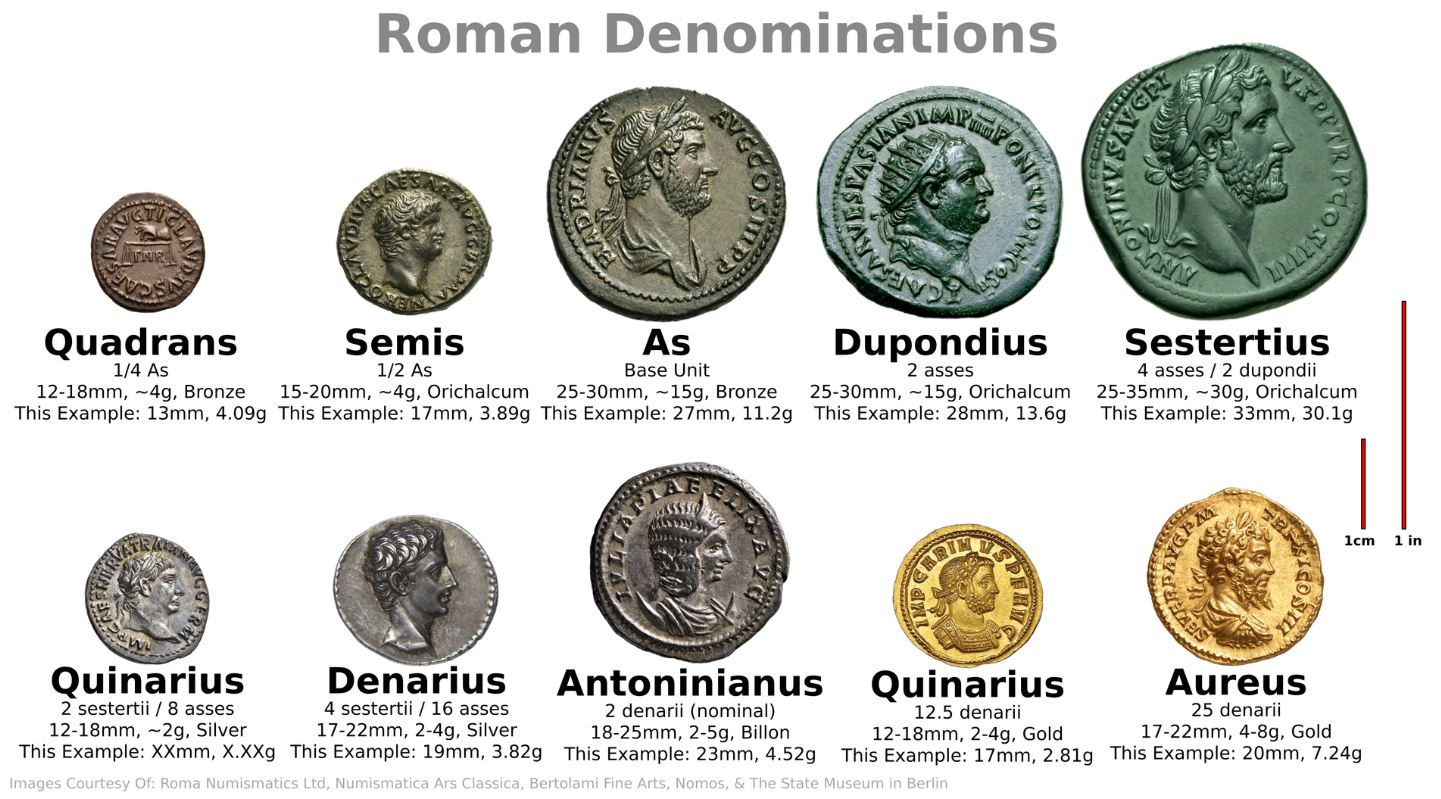
נַעֲשָׂה בִּידֵי אָדָם, שִׁיעֲרוּהוּ כִּמְלֹא מַקְדֵּחַ גָּדוֹל שֶׁל לִשְׁכָּה, שֶׁהוּא כְּפוּנְדְּיוֹן (שֶׁל) הָאִיטַלְקִי, וּכְסֶלַע נִירוֹנִית, וְיֶשְׁנוֹ
The mishna continues: But if the window was made by the hand of a person, its measure for which ritual impurity is transmitted is like the size of the drilled hole of the large drill of the chamber in the Temple, which is like the size of the Italian pundeyon and like the size of a sela of the emperor Nero. And its size is
Follow

