









Masechet Chullin is sponsored by Judi Felber in honor of the Hadran Community. “During my first cycle of Daf Yomi, just as we began Masechet Chullin, my son was injured while serving in the IDF. Throughout those two and a half months of difficulty and uncertainty, my fellow learners never left my side. With profound gratitude to the community that held me, encouraged me, and ensured I could keep up with the Daf during those trying times.”
Want to dedicate learning? Get started here:

Today’s daily daf tools:
Masechet Chullin is sponsored by Judi Felber in honor of the Hadran Community. “During my first cycle of Daf Yomi, just as we began Masechet Chullin, my son was injured while serving in the IDF. Throughout those two and a half months of difficulty and uncertainty, my fellow learners never left my side. With profound gratitude to the community that held me, encouraged me, and ensured I could keep up with the Daf during those trying times.”
Chullin 100
בְּרִיָּה שָׁאנֵי.
The Gemara answers that the sciatic nerve is a distinct entity, and therefore it is different in that it is not subject to nullification.
וְכֵן חֲתִיכָה שֶׁל נְבֵלָה [וְכוּ׳]. וְתִבְטֵיל בְּרוּבָּא!
§ The mishna states: And similarly, in the case of a piece of an animal carcass or a piece of non-kosher fish that was cooked with similar pieces of kosher meat or fish, when one identifies the forbidden piece and removes it, the rest of the meat or fish is forbidden only if the forbidden piece was large enough to impart flavor to the entire mixture. And if he does not identify and remove the forbidden piece, all the pieces are forbidden, due to the possibility that each piece one selects might be the forbidden piece. The Gemara challenges: Even if the piece of an animal carcass was not removed, let it be nullified by a simple majority, as the majority of the pieces are kosher.
הָנִיחָא לְמַאן דְּאָמַר, כֹּל שֶׁדַּרְכּוֹ לִימָּנוֹת שָׁנִינוּ, אֶלָּא לְמַאן דְּאָמַר אֶת שֶׁדַּרְכּוֹ לִימָּנוֹת שָׁנִינוּ, מַאי אִיכָּא לְמֵימַר? שָׁאנֵי חֲתִיכָה, הוֹאִיל וּרְאוּיָה לְהִתְכַּבֵּד בָּהּ לִפְנֵי הָאוֹרְחִים.
The Gemara clarifies its challenge. This ruling works out well according to the one who said that we learned: Any item whose manner is to be counted, i.e., that is sometimes sold by unit rather than by weight or volume, is considered significant and therefore is not subject to nullification. But according to the one who said that we learned: It is only an item whose manner is exclusively to be counted, i.e., that is always sold by unit, that is considered significant, and is therefore not subject to nullification, what can be said? Since pieces of meat or fish are not always sold by unit, they should be subject to nullification. The Gemara answers: A piece of meat or fish is different, since it is suitable to give honor with it by placing it before guests. Therefore, due to its significance it is not subject to nullification.
וּצְרִיכָא, דְּאִי אַשְׁמְעִינַן גִּיד – מִשּׁוּם דִּבְרִיָּה הִיא, אֲבָל חֲתִיכָה – אֵימָא לָא.
The Gemara adds: And it was necessary for the mishna to teach both the halakha that the sciatic nerve is not nullified and the halakha that a piece of non-kosher meat or fish is not nullified, as if the mishna had taught us only the case of a sciatic nerve, one might think that it is not nullified because it is a distinct entity, but in the case of a piece of non-kosher meat, say it is not significant, and it is subject to nullification.
וְאִי אַשְׁמְעִינַן חֲתִיכָה, הוֹאִיל וּרְאוּיָה לְהִתְכַּבֵּד בָּהּ לִפְנֵי הָאוֹרְחִים, אֲבָל גִּיד – אֵימָא לָא. צְרִיכָא.
And if the mishna had taught us the halakha only in the case of a piece of non-kosher meat or fish, one might think that it is not nullified since it is suitable to give honor with it by placing it before the guests. But in the case of a sciatic nerve, say it is not significant, and it is subject to nullification. Therefore it was necessary for the mishna to teach both cases.
דָּרֵשׁ רַבָּה בַּר בַּר חָנָה: חֲתִיכָה שֶׁל נְבֵלָה וְשֶׁל דָּג טָמֵא אֵינָהּ אוֹסֶרֶת, עַד שֶׁתִּתֵּן טַעַם בָּרוֹטֶב וּבַקֵּיפֶה וּבַחֲתִיכוֹת.
§ Rabba bar bar Ḥana taught: A piece of meat of an unslaughtered carcass or of a non-kosher species of fish that fell into a pot of kosher food does not render the contents of the pot forbidden unless it imparts flavor to the broth and to the deposits of food remaining in the pot and to the other pieces of food in the pot.
אוֹקֵי רַב אָמוֹרָא עֲלֵיהּ, וּדְרַשׁ: כֵּיוָן שֶׁנָּתַן טַעַם בַּחֲתִיכָה – חֲתִיכָה עַצְמָהּ נַעֲשֵׂת נְבֵלָה, וְאוֹסֶרֶת כׇּל הַחֲתִיכוֹת כּוּלָּן מִפְּנֵי שֶׁהֵן מִינָהּ.
Rav disagreed with Rabba bar bar Ḥana and appointed a disseminator to stand before him and teach his statement to a wider audience, and he taught: Once the non-kosher meat or fish has imparted flavor to another piece in the pot, that second piece itself becomes non-kosher. And this second piece renders all the pieces of meat or fish in the pot forbidden, because they are of the same type; therefore, nullification does not apply.
אֲמַר לֵיהּ רַב סָפְרָא לְאַבָּיֵי: מִכְּדֵי רַב כְּמַאן אַמְרַהּ לִשְׁמַעְתֵּיהּ? כְּרַבִּי יְהוּדָה, דְּאָמַר מִין בְּמִינוֹ לֹא בָּטֵיל. מַאי אִירְיָא כִּי נָתַן טַעַם? אֲפִילּוּ כִּי לֹא נָתַן טַעַם נָמֵי! אֲמַר לֵיהּ: הָכָא בְּמַאי עָסְקִינַן – בְּשֶׁקָּדַם וְסִלְּקוֹ.
Rav Safra said to Abaye: Now, in accordance with whose opinion did Rav say his statement? It is in accordance with the opinion of Rabbi Yehuda, who says that a type of food mixed with food of its own type is not nullified. But if so, why does Rav state specifically that the non-kosher meat renders all the pieces forbidden only when it has imparted flavor to another piece? Even if it did not impart flavor to another piece it should render all the contents of the pot forbidden. Abaye said to him: Here we are dealing with a case where he cooked the non-kosher piece with one kosher piece and first removed the non-kosher piece before adding the other pieces. Consequently, the remaining pieces are forbidden only if the non-kosher piece imparted flavor to the piece it was cooked with.
רָבָא אָמַר:
Rava said an alternate answer to Rav Safra’s challenge of Rav’s statement:
אֲפִילּוּ תֵּימָא לֹא קָדַם וְסִלְּקוֹ, הָוֵי מִין וּמִינוֹ וְדָבָר אַחֵר.
You may even say that it is referring to a case where he did not first remove the piece of non-kosher meat or fish. Nevertheless, this is a case of a mixture of one type of food with its own type of food and with something else, i.e., the spices and broth in the pot.
וְכׇל מִין וּמִינוֹ וְדָבָר אַחֵר – סַלֵּק אֶת מִינוֹ כְּמִי שֶׁאֵינוֹ, וְשֶׁאֵין מִינוֹ רָבֶה עָלָיו וּמְבַטְּלוֹ.
And in any case of a type of forbidden food mixed with its own type of food and with something else, disregard the food that is its own type, as though it is not present in the mixture, and if the amount of permitted food that is not its own type is sixty times greater than the forbidden food, the permitted food nullifies it. Rav’s ruling applies to a case where the forbidden piece of meat or fish imparts flavor to another piece before the spices and broth are added, and there is a total volume sixty times greater than the original non-kosher piece. Consequently, even if the amount of spices and broth is eventually sixty times greater than the original non-kosher piece of meat or fish, the entire mixture is forbidden, as the spices and broth are not sixty times greater than the two pieces of meat or fish which are now non-kosher.
מַתְנִי׳ נוֹהֵג בִּטְהוֹרָה, וְאֵינוֹ נוֹהֵג בִּטְמֵאָה. רַבִּי יְהוּדָה אוֹמֵר: אַף בִּטְמֵאָה. אָמַר רַבִּי יְהוּדָה: וַהֲלֹא מִבְּנֵי יַעֲקֹב נֶאֱסַר גִּיד הַנָּשֶׁה, וַעֲדַיִין בְּהֵמָה טְמֵאָה מוּתֶּרֶת לָהֶן? אָמְרוּ לוֹ: בְּסִינַי נֶאֱמַר, אֶלָּא שֶׁנִּכְתַּב בִּמְקוֹמוֹ.
MISHNA: The prohibition of eating the sciatic nerve applies to a kosher animal and does not apply to a non-kosher animal. Rabbi Yehuda says: It applies even to a non-kosher animal. Rabbi Yehuda said in explanation: Wasn’t the sciatic nerve forbidden for the children of Jacob, as it is written: “Therefore the children of Israel eat not the sciatic nerve” (Genesis 32:33), yet the meat of a non-kosher animal was still permitted to them? Since the sciatic nerve of non-kosher animals became forbidden at that time, it remains forbidden now. The Rabbis said to Rabbi Yehuda: The prohibition was stated in Sinai, but it was written in its place, in the battle of Jacob and the angel despite the fact that the prohibition did not take effect then.
גְּמָ׳ וְסָבַר רַבִּי יְהוּדָה אִיסּוּר חָל עַל אִיסּוּר? וְהָתַנְיָא: רַבִּי יְהוּדָה אוֹמֵר: יָכוֹל תְּהֵא נִבְלַת עוֹף טָמֵא מְטַמְּאָה בְּגָדִים בְּבֵית הַבְּלִיעָה?
GEMARA: The Gemara asks: And does Rabbi Yehuda hold that a prohibition takes effect where another prohibition already exists? But isn’t it taught in a baraita: Rabbi Yehuda says: One might have thought that the carcass of a non-kosher bird renders the garments of one who swallows it ritually impure when it is in the throat, similar to the carcass of a kosher bird.
תַּלְמוּד לוֹמַר ״נְבֵלָה וּטְרֵפָה לֹא יֹאכַל לְטׇמְאָה בָהּ״ – מִי שֶׁאִיסּוּרוֹ מִשּׁוּם ״בַּל תֹּאכַל נְבֵלָה״, יָצָא זֶה שֶׁאֵין אִיסּוּרוֹ מִשּׁוּם ״בַּל תֹּאכַל נְבֵלָה״ אֶלָּא מִשּׁוּם ״בַּל תֹּאכַל טְמֵאָה״.
Therefore the verse states concerning the impurity of carcasses of birds: “A carcass, or that which is torn of animals, he shall not eat to defile himself with it” (Leviticus 22:8). The verse indicates that only those birds that are forbidden specifically due to the prohibition: You shall not eat of a carcass, i.e., kosher birds that died without ritual slaughter, cause impurity in this manner. This serves to exclude any bird that is not forbidden due to the prohibition: You shall not eat of a carcass, but rather due to the prohibition: You shall not eat a non-kosher bird. This indicates that according to Rabbi Yehuda, the prohibition of eating a carcass does not take effect with regard to a non-kosher bird, because it is already subject to a different prohibition.
וְכִי תֵּימָא, קָסָבַר אֵין בְּגִידִין בְּנוֹתֵן טַעַם, וּבִטְמֵאָה נָמֵי אִיסּוּר גִּיד אִיכָּא, אִיסּוּר טוּמְאָה לֵיכָּא.
The Gemara continues with its question: And if you would say that Rabbi Yehuda holds that sciatic nerves do not impart flavor, i.e., they do not have flavor and therefore are not classified as food, and even with regard to a non-kosher animal it is prohibited to eat the sciatic nerve because the general prohibition of eating a sciatic nerve applies, whereas the prohibition of eating non-kosher animals does not apply because the sciatic nerve is not considered food, this is untenable.
וְסָבַר רַבִּי יְהוּדָה אֵין בְּגִידִין בְּנוֹתֵן טַעַם? וְהָתַנְיָא: הָאוֹכֵל גִּיד הַנָּשֶׁה שֶׁל בְּהֵמָה טְמֵאָה – רַבִּי יְהוּדָה מְחַיֵּיב שְׁתַּיִם, וְרַבִּי שִׁמְעוֹן פּוֹטֵר!
The Gemara explains: And does Rabbi Yehuda hold that sciatic nerves do not impart flavor? But isn’t it taught in a baraita: With regard to one who eats the sciatic nerve of a non-kosher animal, Rabbi Yehuda deems him liable to receive two sets of lashes, one for eating the sciatic nerve and one for eating the meat of a non-kosher animal, and Rabbi Shimon exempts him entirely from lashes. This indicates that Rabbi Yehuda holds that the sciatic nerve does have flavor.
לְעוֹלָם, קָסָבַר יֵשׁ בְּגִידִין בְּנוֹתֵן טַעַם, וְקָסָבַר נוֹהֵג בַּשְּׁלִיל, דְּאִיסּוּר גִּיד וְאִיסּוּר טוּמְאָה בַּהֲדֵי הֲדָדֵי קָאָתֵי.
The Gemara answers: Actually Rabbi Yehuda holds that sciatic nerves do impart flavor, and he also holds that the prohibition of eating the sciatic nerve applies to the sciatic nerve of an animal fetus. Consequently, although Rabbi Yehuda holds that a prohibition does not take effect where another already exists, one who eats the sciatic nerve of a non-kosher animal is flogged twice, because the prohibition of eating a sciatic nerve and the prohibition of eating meat from a non-kosher animal come into effect at the same time.
וּמִי מָצֵית אָמְרַתְּ נוֹהֵג בַּשְּׁלִיל? וְהָתְנַן: נוֹהֵג בַּשְּׁלִיל, רַבִּי יְהוּדָה אוֹמֵר: אֵינוֹ נוֹהֵג בַּשְּׁלִיל, וְחֶלְבּוֹ מוּתָּר!
The Gemara challenges this answer: And can you say that Rabbi Yehuda holds that the prohibition of eating a sciatic nerve applies to the sciatic nerve of a fetus? But didn’t we learn in a mishna (89b): The prohibition applies to a late-term fetus in the womb. Rabbi Yehuda says: It does not apply to a fetus, and similarly the fat of a fetus is permitted?
הָנֵי מִילֵּי גַּבֵּי טְהוֹרָה, דְּרַחֲמָנָא אָמַר: ״כֹּל בַּבְּהֵמָה תֹּאכֵלוּ״, אֲבָל בִּטְמֵאָה נוֹהֵג.
The Gemara answers: This statement, that the prohibition of eating the sciatic nerve does not apply to a fetus, is with regard to a kosher species of animal, because the Merciful One stated in the Torah: “And every animal that divides the hoof, and has the hoof wholly cloven in two, and chews the cud, among the animals [babehema], that you may eat” (Deuteronomy 14:6). The term babehema may also be translated as: Inside the animals, indicating that anything inside a kosher animal when it is slaughtered is permitted for consumption, including all parts of a fetus. But with regard to a non-kosher species of animal the prohibition applies.
וּמִי מָצֵית אָמְרַתְּ דְּתַרְוַיְיהוּ בַּהֲדֵי הֲדָדֵי קָאָתוּ? וְהָתְנַן: עַל אֵלּוּ טוּמְאוֹת הַנָּזִיר מְגַלֵּחַ, עַל הַמֵּת וְעַל כְּזַיִת מִן הַמֵּת.
The Gemara challenges the assertion that the prohibitions of eating the sciatic nerve and of eating non-kosher meat take effect at the same time. And can you say that they both come into effect at the same time? But didn’t we learn in a mishna (Nazir 49b): A nazirite shaves for having become impure from these following sources of ritual impurity: For having become impure with impurity imparted by a corpse; and for impurity imparted by an olive-bulk of a corpse.
וְקַשְׁיָא לַן: עַל כְּזַיִת מִן הַמֵּת מְגַלֵּחַ, עַל הַמֵּת כּוּלּוֹ לֹא כׇּל שֶׁכֵּן? וְאָמַר רַבִּי יוֹחָנָן: לֹא נִצְרְכָא אֶלָּא לְנֵפֶל שֶׁלֹּא נִתְקַשְּׁרוּ אֵבָרָיו בְּגִידִין. אַלְמָא אִיסּוּר טוּמְאָה קָדֵים!
And this poses a difficulty for us: If a nazirite shaves for becoming impure from an olive-bulk of a corpse, is it not obvious that all the more so he must shave for becoming impure from an entire corpse? And Rabbi Yoḥanan said: It is necessary only with regard to a miscarried fetus whose limbs have not yet become joined to its sinews. Although the fetus does not yet contain an olive-bulk of flesh, since it is a complete entity, it transmits impurity to anything under the same roof. Evidently, the limbs of the body are formed before the nerves and sinews, and therefore the prohibition of eating non-kosher meat takes effect prior to the prohibition of the sciatic nerve.
אַף עַל גַּב דְּאִיסּוּר טוּמְאָה קָדֵים, אָתֵי אִיסּוּר גִּיד חָיֵיל עֲלֵיהּ, שֶׁכֵּן אִיסּוּרוֹ נוֹהֵג בִּבְנֵי נֹחַ.
The Gemara answers: Even though the prohibition of eating non-kosher meat takes effect prior to the prohibition of eating the sciatic nerve, the prohibition of the sciatic nerve also comes and takes effect upon a non-kosher animal because this prohibition applies to descendants of Noah, i.e., to gentiles. Since the prohibition of eating the sciatic nerve adds an additional stringency that did not exist with regard to non-kosher meat, it takes effect even though there was an already existing prohibition.
דַּיְקָא נָמֵי, דְּקָתָנֵי: אָמַר רַבִּי יְהוּדָה: וַהֲלֹא מִבְּנֵי יַעֲקֹב נֶאֱסַר גִּיד הַנָּשֶׁה, וַעֲדַיִין בְּהֵמָה טְמֵאָה מוּתֶּרֶת לָהֶם.
According to this answer, the language of the mishna is also precise, as it teaches: Rabbi Yehuda said: Wasn’t the sciatic nerve forbidden for the children of Jacob, as it is written: “Therefore the children of Israel eat not the sciatic nerve” (Genesis 32:33), yet the meat of a non-kosher animal was still permitted to them? This indicates that the basis of Rabbi Yehuda’s opinion is the fact that the sciatic nerve was forbidden to the children of Jacob, who had the status of descendants of Noah.
גּוּפָא: הָאוֹכֵל גִּיד הַנָּשֶׁה שֶׁל בְּהֵמָה טְמֵאָה – רַבִּי יְהוּדָה מְחַיֵּיב שְׁתַּיִם,
§ The Gemara returns to the matter itself cited above. With regard to one who eats the sciatic nerve of a non-kosher animal, Rabbi Yehuda deems him liable to receive two sets of lashes: One for eating the sciatic nerve and one for eating the meat of a non-kosher animal;

Today’s daily daf tools:
Delve Deeper
Broaden your understanding of the topics on this daf with classes and podcasts from top women Talmud scholars.


New to Talmud?
Check out our resources designed to help you navigate a page of Talmud – and study at the pace, level and style that fits you.
The Hadran Women’s Tapestry
Meet the diverse women learning Gemara at Hadran and hear their stories.
I started learning at the beginning of this cycle more than 2 years ago, and I have not missed a day or a daf. It’s been challenging and enlightening and even mind-numbing at times, but the learning and the shared experience have all been worth it. If you are open to it, there’s no telling what might come into your life.

Phoenix, Arizona, United States

Los Angeles, United States
I had dreamed of doing daf yomi since I had my first serious Talmud class 18 years ago at Pardes with Rahel Berkovitz, and then a couple of summers with Leah Rosenthal. There is no way I would be able to do it without another wonderful teacher, Michelle, and the Hadran organization. I wake up and am excited to start each day with the next daf.

Irvine, United States
A beautiful world of Talmudic sages now fill my daily life with discussion and debate.
bringing alive our traditions and texts that has brought new meaning to my life.
I am a מגילת אסתר reader for women . the words in the Mishna of מסכת megillah 17a
הקורא את המגילה למפרע לא יצא were powerful to me.
I hope to have the zchut to complete the cycle for my 70th birthday.

Jerusalem, Israel
I started Daf during the pandemic. I listened to a number of podcasts by various Rebbeim until one day, I discovered Rabbanit Farbers podcast. Subsequently I joined the Hadran family in Eruvin. Not the easiest place to begin, Rabbanit Farber made it all understandable and fun. The online live group has bonded together and have really become a supportive, encouraging family.

Edmonton, Alberta, Canada
Retirement and Covid converged to provide me with the opportunity to commit to daily Talmud study in October 2020. I dove into the middle of Eruvin and continued to navigate Seder Moed, with Rabannit Michelle as my guide. I have developed more confidence in my learning as I completed each masechet and look forward to completing the Daf Yomi cycle so that I can begin again!

San Diego, United States
I decided to give daf yomi a try when I heard about the siyum hashas in 2020. Once the pandemic hit, the daily commitment gave my days some much-needed structure. There have been times when I’ve felt like quitting- especially when encountering very technical details in the text. But then I tell myself, “Look how much you’ve done. You can’t stop now!” So I keep going & my Koren bookshelf grows…

Huntington, United States
Hadran entered my life after the last Siyum Hashaas, January 2020. I was inspired and challenged simultaneously, having never thought of learning Gemara. With my family’s encouragement, I googled “daf yomi for women”. A perfecr fit!
I especially enjoy when Rabbanit Michelle connects the daf to contemporary issues to share at the shabbat table e.g: looking at the Kohen during duchaning. Toda rabba

Jerusalem, Israel

Jerusalem, Israel
Geri Goldstein got me started learning daf yomi when I was in Israel 2 years ago. It’s been a challenge and I’ve learned a lot though I’m sure I miss a lot. I quilt as I listen and I want to share what I’ve been working on.

Ottawa, Canada
Years ago, I attended the local Siyum HaShas with my high school class. It was inspiring! Through that cycle and the next one, I studied masekhtot on my own and then did “daf yomi practice.” The amazing Hadran Siyum HaShas event firmed my resolve to “really do” Daf Yomi this time. It has become a family goal. We’ve supported each other through challenges, and now we’re at the Siyum of Seder Moed!

Jerusalem, Israel
After experiences over the years of asking to join gemara shiurim for men and either being refused by the maggid shiur or being the only women there, sometimes behind a mechitza, I found out about Hadran sometime during the tail end of Masechet Shabbat, I think. Life has been much better since then.

London, United Kingdom
I started learning the daf during Covid. I’d always wanted to learn Talmud but that wasn’t an option for girls in the small town I grew up in and I struggled to help my younger kids with Hebrew homework let alone read a Hebrew text. I decided to start small by listening to the daf podcast on the way to work each morning. Then I joined the Long Island WhatsApp group. Now I go to the siyyums.

Long Island, United States
I started my Daf Yomi journey at the beginning of the COVID19 pandemic.

Los Angeles, United States
When the new cycle began, I thought, If not now, when? I’d just turned 72. I feel like a tourist on a tour bus passing astonishing scenery each day. Rabbanit Michelle is my beloved tour guide. When the cycle ends, I’ll be 80. I pray that I’ll have strength and mind to continue the journey to glimpse a little more. My grandchildren think having a daf-learning savta is cool!

Jerusalem, Israel
Retirement and Covid converged to provide me with the opportunity to commit to daily Talmud study in October 2020. I dove into the middle of Eruvin and continued to navigate Seder Moed, with Rabannit Michelle as my guide. I have developed more confidence in my learning as I completed each masechet and look forward to completing the Daf Yomi cycle so that I can begin again!
San Diego, United States
Studying has changed my life view on הלכה and יהדות and time. It has taught me bonudaries of the human nature and honesty of our sages in their discourse to try and build a nation of caring people .

Kfar Saba, Israel
I started at the beginning of this cycle. No 1 reason, but here’s 5.
In 2019 I read about the upcoming siyum hashas.
There was a sermon at shul about how anyone can learn Talmud.
Talmud references come up when I am studying. I wanted to know more.
Yentl was on telly. Not a great movie but it’s about studying Talmud.
I went to the Hadran website: A new cycle is starting. I’m gonna do this
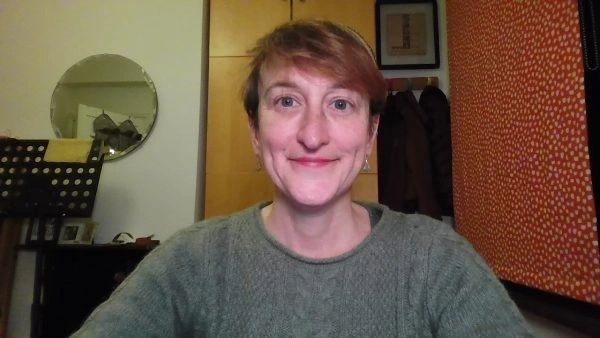
Cambridge, United Kingdom
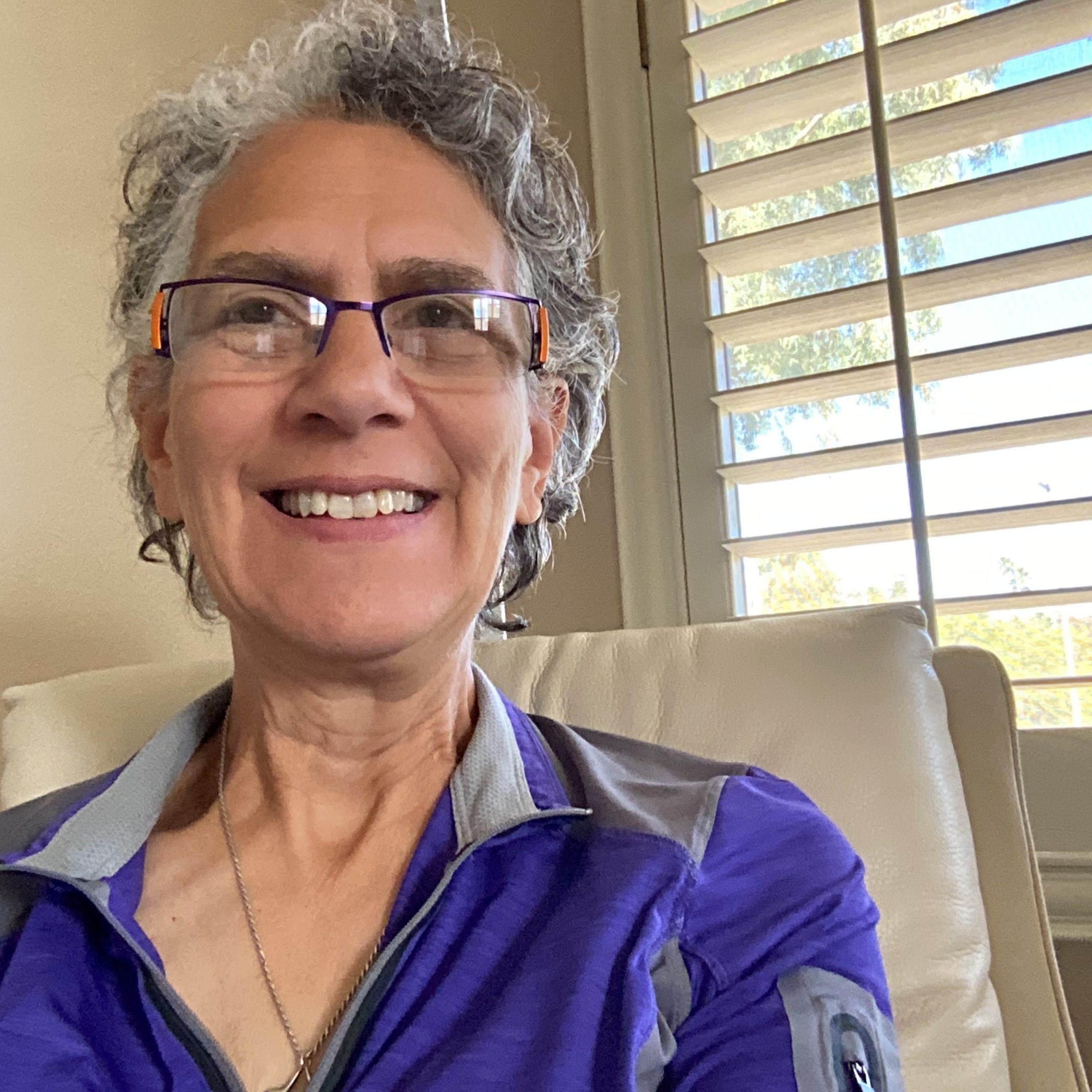
Minnesota, United States
I started learning Daf in Jan 2020 with Brachot b/c I had never seen the Jewish people united around something so positive, and I wanted to be a part of it. Also, I wanted to broaden my background in Torah Shebal Peh- Maayanot gave me a great gemara education, but I knew that I could hold a conversation in most parts of tanach but almost no TSB. I’m so thankful for Daf and have gained immensely.

NJ, United States
Chullin 100
בְּרִיָּה שָׁאנֵי.
The Gemara answers that the sciatic nerve is a distinct entity, and therefore it is different in that it is not subject to nullification.
וְכֵן חֲתִיכָה שֶׁל נְבֵלָה [וְכוּ׳]. וְתִבְטֵיל בְּרוּבָּא!
§ The mishna states: And similarly, in the case of a piece of an animal carcass or a piece of non-kosher fish that was cooked with similar pieces of kosher meat or fish, when one identifies the forbidden piece and removes it, the rest of the meat or fish is forbidden only if the forbidden piece was large enough to impart flavor to the entire mixture. And if he does not identify and remove the forbidden piece, all the pieces are forbidden, due to the possibility that each piece one selects might be the forbidden piece. The Gemara challenges: Even if the piece of an animal carcass was not removed, let it be nullified by a simple majority, as the majority of the pieces are kosher.
הָנִיחָא לְמַאן דְּאָמַר, כֹּל שֶׁדַּרְכּוֹ לִימָּנוֹת שָׁנִינוּ, אֶלָּא לְמַאן דְּאָמַר אֶת שֶׁדַּרְכּוֹ לִימָּנוֹת שָׁנִינוּ, מַאי אִיכָּא לְמֵימַר? שָׁאנֵי חֲתִיכָה, הוֹאִיל וּרְאוּיָה לְהִתְכַּבֵּד בָּהּ לִפְנֵי הָאוֹרְחִים.
The Gemara clarifies its challenge. This ruling works out well according to the one who said that we learned: Any item whose manner is to be counted, i.e., that is sometimes sold by unit rather than by weight or volume, is considered significant and therefore is not subject to nullification. But according to the one who said that we learned: It is only an item whose manner is exclusively to be counted, i.e., that is always sold by unit, that is considered significant, and is therefore not subject to nullification, what can be said? Since pieces of meat or fish are not always sold by unit, they should be subject to nullification. The Gemara answers: A piece of meat or fish is different, since it is suitable to give honor with it by placing it before guests. Therefore, due to its significance it is not subject to nullification.
וּצְרִיכָא, דְּאִי אַשְׁמְעִינַן גִּיד – מִשּׁוּם דִּבְרִיָּה הִיא, אֲבָל חֲתִיכָה – אֵימָא לָא.
The Gemara adds: And it was necessary for the mishna to teach both the halakha that the sciatic nerve is not nullified and the halakha that a piece of non-kosher meat or fish is not nullified, as if the mishna had taught us only the case of a sciatic nerve, one might think that it is not nullified because it is a distinct entity, but in the case of a piece of non-kosher meat, say it is not significant, and it is subject to nullification.
וְאִי אַשְׁמְעִינַן חֲתִיכָה, הוֹאִיל וּרְאוּיָה לְהִתְכַּבֵּד בָּהּ לִפְנֵי הָאוֹרְחִים, אֲבָל גִּיד – אֵימָא לָא. צְרִיכָא.
And if the mishna had taught us the halakha only in the case of a piece of non-kosher meat or fish, one might think that it is not nullified since it is suitable to give honor with it by placing it before the guests. But in the case of a sciatic nerve, say it is not significant, and it is subject to nullification. Therefore it was necessary for the mishna to teach both cases.
דָּרֵשׁ רַבָּה בַּר בַּר חָנָה: חֲתִיכָה שֶׁל נְבֵלָה וְשֶׁל דָּג טָמֵא אֵינָהּ אוֹסֶרֶת, עַד שֶׁתִּתֵּן טַעַם בָּרוֹטֶב וּבַקֵּיפֶה וּבַחֲתִיכוֹת.
§ Rabba bar bar Ḥana taught: A piece of meat of an unslaughtered carcass or of a non-kosher species of fish that fell into a pot of kosher food does not render the contents of the pot forbidden unless it imparts flavor to the broth and to the deposits of food remaining in the pot and to the other pieces of food in the pot.
אוֹקֵי רַב אָמוֹרָא עֲלֵיהּ, וּדְרַשׁ: כֵּיוָן שֶׁנָּתַן טַעַם בַּחֲתִיכָה – חֲתִיכָה עַצְמָהּ נַעֲשֵׂת נְבֵלָה, וְאוֹסֶרֶת כׇּל הַחֲתִיכוֹת כּוּלָּן מִפְּנֵי שֶׁהֵן מִינָהּ.
Rav disagreed with Rabba bar bar Ḥana and appointed a disseminator to stand before him and teach his statement to a wider audience, and he taught: Once the non-kosher meat or fish has imparted flavor to another piece in the pot, that second piece itself becomes non-kosher. And this second piece renders all the pieces of meat or fish in the pot forbidden, because they are of the same type; therefore, nullification does not apply.
אֲמַר לֵיהּ רַב סָפְרָא לְאַבָּיֵי: מִכְּדֵי רַב כְּמַאן אַמְרַהּ לִשְׁמַעְתֵּיהּ? כְּרַבִּי יְהוּדָה, דְּאָמַר מִין בְּמִינוֹ לֹא בָּטֵיל. מַאי אִירְיָא כִּי נָתַן טַעַם? אֲפִילּוּ כִּי לֹא נָתַן טַעַם נָמֵי! אֲמַר לֵיהּ: הָכָא בְּמַאי עָסְקִינַן – בְּשֶׁקָּדַם וְסִלְּקוֹ.
Rav Safra said to Abaye: Now, in accordance with whose opinion did Rav say his statement? It is in accordance with the opinion of Rabbi Yehuda, who says that a type of food mixed with food of its own type is not nullified. But if so, why does Rav state specifically that the non-kosher meat renders all the pieces forbidden only when it has imparted flavor to another piece? Even if it did not impart flavor to another piece it should render all the contents of the pot forbidden. Abaye said to him: Here we are dealing with a case where he cooked the non-kosher piece with one kosher piece and first removed the non-kosher piece before adding the other pieces. Consequently, the remaining pieces are forbidden only if the non-kosher piece imparted flavor to the piece it was cooked with.
רָבָא אָמַר:
Rava said an alternate answer to Rav Safra’s challenge of Rav’s statement:
אֲפִילּוּ תֵּימָא לֹא קָדַם וְסִלְּקוֹ, הָוֵי מִין וּמִינוֹ וְדָבָר אַחֵר.
You may even say that it is referring to a case where he did not first remove the piece of non-kosher meat or fish. Nevertheless, this is a case of a mixture of one type of food with its own type of food and with something else, i.e., the spices and broth in the pot.
וְכׇל מִין וּמִינוֹ וְדָבָר אַחֵר – סַלֵּק אֶת מִינוֹ כְּמִי שֶׁאֵינוֹ, וְשֶׁאֵין מִינוֹ רָבֶה עָלָיו וּמְבַטְּלוֹ.
And in any case of a type of forbidden food mixed with its own type of food and with something else, disregard the food that is its own type, as though it is not present in the mixture, and if the amount of permitted food that is not its own type is sixty times greater than the forbidden food, the permitted food nullifies it. Rav’s ruling applies to a case where the forbidden piece of meat or fish imparts flavor to another piece before the spices and broth are added, and there is a total volume sixty times greater than the original non-kosher piece. Consequently, even if the amount of spices and broth is eventually sixty times greater than the original non-kosher piece of meat or fish, the entire mixture is forbidden, as the spices and broth are not sixty times greater than the two pieces of meat or fish which are now non-kosher.
מַתְנִי׳ נוֹהֵג בִּטְהוֹרָה, וְאֵינוֹ נוֹהֵג בִּטְמֵאָה. רַבִּי יְהוּדָה אוֹמֵר: אַף בִּטְמֵאָה. אָמַר רַבִּי יְהוּדָה: וַהֲלֹא מִבְּנֵי יַעֲקֹב נֶאֱסַר גִּיד הַנָּשֶׁה, וַעֲדַיִין בְּהֵמָה טְמֵאָה מוּתֶּרֶת לָהֶן? אָמְרוּ לוֹ: בְּסִינַי נֶאֱמַר, אֶלָּא שֶׁנִּכְתַּב בִּמְקוֹמוֹ.
MISHNA: The prohibition of eating the sciatic nerve applies to a kosher animal and does not apply to a non-kosher animal. Rabbi Yehuda says: It applies even to a non-kosher animal. Rabbi Yehuda said in explanation: Wasn’t the sciatic nerve forbidden for the children of Jacob, as it is written: “Therefore the children of Israel eat not the sciatic nerve” (Genesis 32:33), yet the meat of a non-kosher animal was still permitted to them? Since the sciatic nerve of non-kosher animals became forbidden at that time, it remains forbidden now. The Rabbis said to Rabbi Yehuda: The prohibition was stated in Sinai, but it was written in its place, in the battle of Jacob and the angel despite the fact that the prohibition did not take effect then.
גְּמָ׳ וְסָבַר רַבִּי יְהוּדָה אִיסּוּר חָל עַל אִיסּוּר? וְהָתַנְיָא: רַבִּי יְהוּדָה אוֹמֵר: יָכוֹל תְּהֵא נִבְלַת עוֹף טָמֵא מְטַמְּאָה בְּגָדִים בְּבֵית הַבְּלִיעָה?
GEMARA: The Gemara asks: And does Rabbi Yehuda hold that a prohibition takes effect where another prohibition already exists? But isn’t it taught in a baraita: Rabbi Yehuda says: One might have thought that the carcass of a non-kosher bird renders the garments of one who swallows it ritually impure when it is in the throat, similar to the carcass of a kosher bird.
תַּלְמוּד לוֹמַר ״נְבֵלָה וּטְרֵפָה לֹא יֹאכַל לְטׇמְאָה בָהּ״ – מִי שֶׁאִיסּוּרוֹ מִשּׁוּם ״בַּל תֹּאכַל נְבֵלָה״, יָצָא זֶה שֶׁאֵין אִיסּוּרוֹ מִשּׁוּם ״בַּל תֹּאכַל נְבֵלָה״ אֶלָּא מִשּׁוּם ״בַּל תֹּאכַל טְמֵאָה״.
Therefore the verse states concerning the impurity of carcasses of birds: “A carcass, or that which is torn of animals, he shall not eat to defile himself with it” (Leviticus 22:8). The verse indicates that only those birds that are forbidden specifically due to the prohibition: You shall not eat of a carcass, i.e., kosher birds that died without ritual slaughter, cause impurity in this manner. This serves to exclude any bird that is not forbidden due to the prohibition: You shall not eat of a carcass, but rather due to the prohibition: You shall not eat a non-kosher bird. This indicates that according to Rabbi Yehuda, the prohibition of eating a carcass does not take effect with regard to a non-kosher bird, because it is already subject to a different prohibition.
וְכִי תֵּימָא, קָסָבַר אֵין בְּגִידִין בְּנוֹתֵן טַעַם, וּבִטְמֵאָה נָמֵי אִיסּוּר גִּיד אִיכָּא, אִיסּוּר טוּמְאָה לֵיכָּא.
The Gemara continues with its question: And if you would say that Rabbi Yehuda holds that sciatic nerves do not impart flavor, i.e., they do not have flavor and therefore are not classified as food, and even with regard to a non-kosher animal it is prohibited to eat the sciatic nerve because the general prohibition of eating a sciatic nerve applies, whereas the prohibition of eating non-kosher animals does not apply because the sciatic nerve is not considered food, this is untenable.
וְסָבַר רַבִּי יְהוּדָה אֵין בְּגִידִין בְּנוֹתֵן טַעַם? וְהָתַנְיָא: הָאוֹכֵל גִּיד הַנָּשֶׁה שֶׁל בְּהֵמָה טְמֵאָה – רַבִּי יְהוּדָה מְחַיֵּיב שְׁתַּיִם, וְרַבִּי שִׁמְעוֹן פּוֹטֵר!
The Gemara explains: And does Rabbi Yehuda hold that sciatic nerves do not impart flavor? But isn’t it taught in a baraita: With regard to one who eats the sciatic nerve of a non-kosher animal, Rabbi Yehuda deems him liable to receive two sets of lashes, one for eating the sciatic nerve and one for eating the meat of a non-kosher animal, and Rabbi Shimon exempts him entirely from lashes. This indicates that Rabbi Yehuda holds that the sciatic nerve does have flavor.
לְעוֹלָם, קָסָבַר יֵשׁ בְּגִידִין בְּנוֹתֵן טַעַם, וְקָסָבַר נוֹהֵג בַּשְּׁלִיל, דְּאִיסּוּר גִּיד וְאִיסּוּר טוּמְאָה בַּהֲדֵי הֲדָדֵי קָאָתֵי.
The Gemara answers: Actually Rabbi Yehuda holds that sciatic nerves do impart flavor, and he also holds that the prohibition of eating the sciatic nerve applies to the sciatic nerve of an animal fetus. Consequently, although Rabbi Yehuda holds that a prohibition does not take effect where another already exists, one who eats the sciatic nerve of a non-kosher animal is flogged twice, because the prohibition of eating a sciatic nerve and the prohibition of eating meat from a non-kosher animal come into effect at the same time.
וּמִי מָצֵית אָמְרַתְּ נוֹהֵג בַּשְּׁלִיל? וְהָתְנַן: נוֹהֵג בַּשְּׁלִיל, רַבִּי יְהוּדָה אוֹמֵר: אֵינוֹ נוֹהֵג בַּשְּׁלִיל, וְחֶלְבּוֹ מוּתָּר!
The Gemara challenges this answer: And can you say that Rabbi Yehuda holds that the prohibition of eating a sciatic nerve applies to the sciatic nerve of a fetus? But didn’t we learn in a mishna (89b): The prohibition applies to a late-term fetus in the womb. Rabbi Yehuda says: It does not apply to a fetus, and similarly the fat of a fetus is permitted?
הָנֵי מִילֵּי גַּבֵּי טְהוֹרָה, דְּרַחֲמָנָא אָמַר: ״כֹּל בַּבְּהֵמָה תֹּאכֵלוּ״, אֲבָל בִּטְמֵאָה נוֹהֵג.
The Gemara answers: This statement, that the prohibition of eating the sciatic nerve does not apply to a fetus, is with regard to a kosher species of animal, because the Merciful One stated in the Torah: “And every animal that divides the hoof, and has the hoof wholly cloven in two, and chews the cud, among the animals [babehema], that you may eat” (Deuteronomy 14:6). The term babehema may also be translated as: Inside the animals, indicating that anything inside a kosher animal when it is slaughtered is permitted for consumption, including all parts of a fetus. But with regard to a non-kosher species of animal the prohibition applies.
וּמִי מָצֵית אָמְרַתְּ דְּתַרְוַיְיהוּ בַּהֲדֵי הֲדָדֵי קָאָתוּ? וְהָתְנַן: עַל אֵלּוּ טוּמְאוֹת הַנָּזִיר מְגַלֵּחַ, עַל הַמֵּת וְעַל כְּזַיִת מִן הַמֵּת.
The Gemara challenges the assertion that the prohibitions of eating the sciatic nerve and of eating non-kosher meat take effect at the same time. And can you say that they both come into effect at the same time? But didn’t we learn in a mishna (Nazir 49b): A nazirite shaves for having become impure from these following sources of ritual impurity: For having become impure with impurity imparted by a corpse; and for impurity imparted by an olive-bulk of a corpse.
וְקַשְׁיָא לַן: עַל כְּזַיִת מִן הַמֵּת מְגַלֵּחַ, עַל הַמֵּת כּוּלּוֹ לֹא כׇּל שֶׁכֵּן? וְאָמַר רַבִּי יוֹחָנָן: לֹא נִצְרְכָא אֶלָּא לְנֵפֶל שֶׁלֹּא נִתְקַשְּׁרוּ אֵבָרָיו בְּגִידִין. אַלְמָא אִיסּוּר טוּמְאָה קָדֵים!
And this poses a difficulty for us: If a nazirite shaves for becoming impure from an olive-bulk of a corpse, is it not obvious that all the more so he must shave for becoming impure from an entire corpse? And Rabbi Yoḥanan said: It is necessary only with regard to a miscarried fetus whose limbs have not yet become joined to its sinews. Although the fetus does not yet contain an olive-bulk of flesh, since it is a complete entity, it transmits impurity to anything under the same roof. Evidently, the limbs of the body are formed before the nerves and sinews, and therefore the prohibition of eating non-kosher meat takes effect prior to the prohibition of the sciatic nerve.
אַף עַל גַּב דְּאִיסּוּר טוּמְאָה קָדֵים, אָתֵי אִיסּוּר גִּיד חָיֵיל עֲלֵיהּ, שֶׁכֵּן אִיסּוּרוֹ נוֹהֵג בִּבְנֵי נֹחַ.
The Gemara answers: Even though the prohibition of eating non-kosher meat takes effect prior to the prohibition of eating the sciatic nerve, the prohibition of the sciatic nerve also comes and takes effect upon a non-kosher animal because this prohibition applies to descendants of Noah, i.e., to gentiles. Since the prohibition of eating the sciatic nerve adds an additional stringency that did not exist with regard to non-kosher meat, it takes effect even though there was an already existing prohibition.
דַּיְקָא נָמֵי, דְּקָתָנֵי: אָמַר רַבִּי יְהוּדָה: וַהֲלֹא מִבְּנֵי יַעֲקֹב נֶאֱסַר גִּיד הַנָּשֶׁה, וַעֲדַיִין בְּהֵמָה טְמֵאָה מוּתֶּרֶת לָהֶם.
According to this answer, the language of the mishna is also precise, as it teaches: Rabbi Yehuda said: Wasn’t the sciatic nerve forbidden for the children of Jacob, as it is written: “Therefore the children of Israel eat not the sciatic nerve” (Genesis 32:33), yet the meat of a non-kosher animal was still permitted to them? This indicates that the basis of Rabbi Yehuda’s opinion is the fact that the sciatic nerve was forbidden to the children of Jacob, who had the status of descendants of Noah.
גּוּפָא: הָאוֹכֵל גִּיד הַנָּשֶׁה שֶׁל בְּהֵמָה טְמֵאָה – רַבִּי יְהוּדָה מְחַיֵּיב שְׁתַּיִם,
§ The Gemara returns to the matter itself cited above. With regard to one who eats the sciatic nerve of a non-kosher animal, Rabbi Yehuda deems him liable to receive two sets of lashes: One for eating the sciatic nerve and one for eating the meat of a non-kosher animal;

