










What is the exact value of the “shekel” or “kesef” mentioned in the Torah, in the Prophets and in the Writings? What about in the time of the Mishna? The rabbis try to establish the exact value of the Torah obligations in their own currencies.
Masechet Bekhorot is sponsored by Ahava Leibtag in loving memory of her father, Arthur Aaron, Asher ben Yaakov Yehuda v’Esther on his first yahrzeit. “You always said Talmud Torah was the best s’char. This one’s for you, Daddy.”
This week’s learning is sponsored by Tina Lamm for the refuah shleima for מעין ליאורה בת שלומית פייגא. “Our precious Maya”
Want to dedicate learning? Get started here:
English
עברית

0:00
0:00
0:00
0:00
Today’s daily daf tools:
Masechet Bekhorot is sponsored by Ahava Leibtag in loving memory of her father, Arthur Aaron, Asher ben Yaakov Yehuda v’Esther on his first yahrzeit. “You always said Talmud Torah was the best s’char. This one’s for you, Daddy.”
This week’s learning is sponsored by Tina Lamm for the refuah shleima for מעין ליאורה בת שלומית פייגא. “Our precious Maya”
Bekhorot 50
רַבִּי יוֹחָנָן אוֹמֵר: דִּינָרָא הַדְרִיָּינָא טִרְיָינָא שְׁיָיפָא דִּמְזַבְּנָא בְּעֶשְׂרִים וְחַמְשָׁה זוּזֵי, דַּל מִינַּיְיהוּ שְׁתוּתָא וְהָנָךְ לְפִדְיוֹן הַבֵּן. הָנֵי עֶשְׂרִין וְחַד נְכֵי דַּנְקָא הָוֵי!
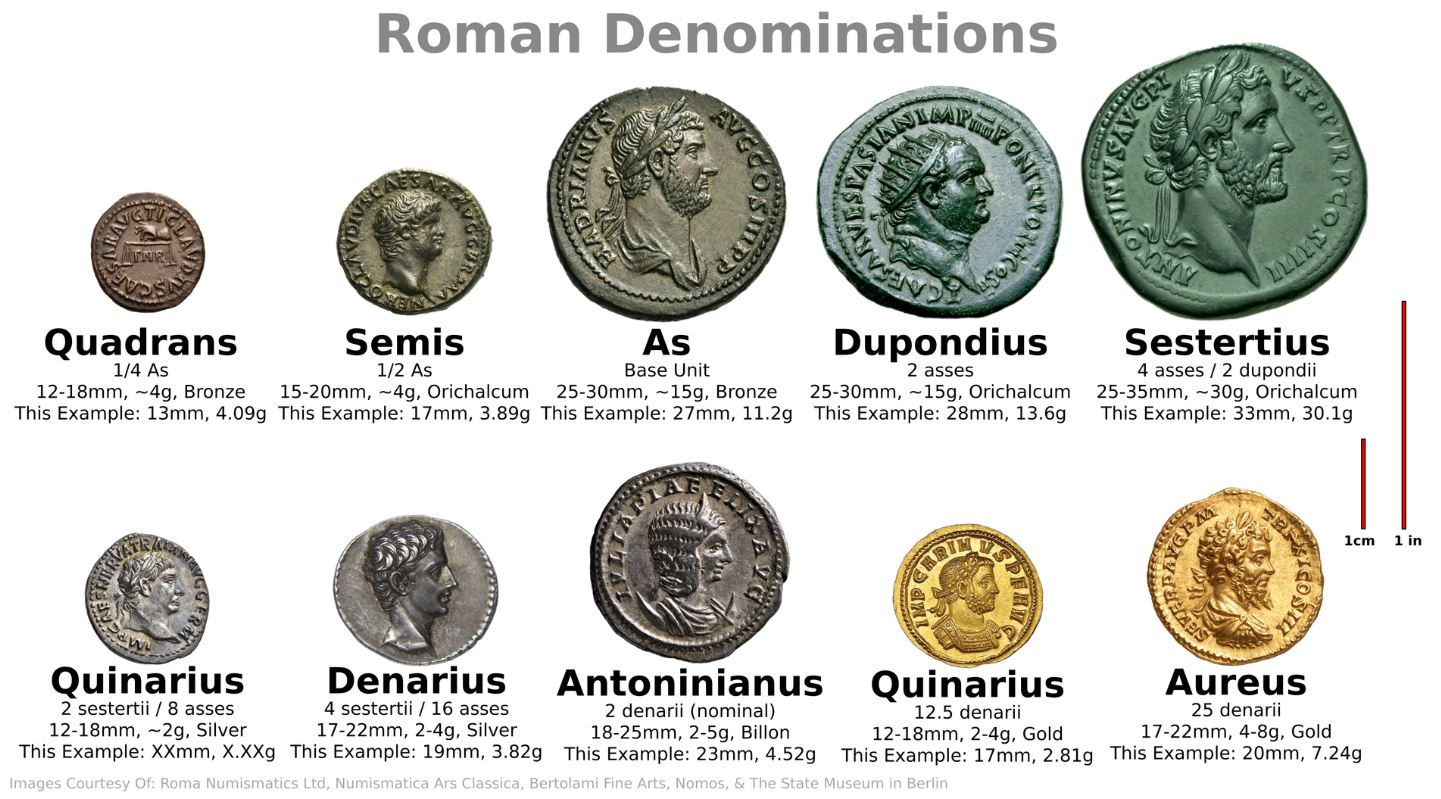
Rabbi Yoḥanan says: If one wishes to know how much to give for the redemption of the firstborn son, take the worn-out gold dinars of Hadrian and Trajan, which are sold at twenty-five dinars, and deduct from them one-sixth. And these that remain are the five sela that one must give for the redemption of the firstborn son, i.e., twenty dinars, as there are four dinars in a sela. The Gemara challenges: After deducting one- sixth from twenty-five, one is not left with twenty dinars, but twenty-one dinars less one-sixth [danka] of a dinar.
אֶלָּא, דַּל שְׁתוּתָא וְזוּזָא, וְהָנָךְ לְפִדְיוֹן הַבֵּן. אַכַּתִּי עֶשְׂרִין נְכֵי דַּנְקָא הָוֵי! אֶלָּא, דַּל זוּזָא וּשְׁתוּתָא, וְהָנָךְ לְפִדְיוֹן הַבֵּן, דְּהָוֵי לְהוּ עֶשְׂרִין מַתְקָלֵי בְּמַתְקָלֵי דִּינָרָא, דְּאִינּוּן עֶשְׂרִין וּתְמָנְיָא זוּזֵי וּפַלְגֵי וּפַלְגָא דַּנְקָא.
Rather, deduct one-sixth and another dinar, and these that are left are for the redemption of the firstborn son. The Gemara challenges: But the calculation is still inexact, as this sum is twenty dinars less one-sixth of a dinar. Rather, first deduct one dinar, and from the remainder, i.e., twenty-four dinars, deduct one-sixth, and these that are left are the five sela coins that one must give for the redemption of the son. The Gemara notes that these are a weight of twenty matkalei of the small golden dinars known as matkalei, which are worth twenty-eight and a half dinars, and half of a sixth of a dinar, in Arabian silver dinars.
אָמַר רָבָא: סִילְעִים דְּאוֹרָיְיתָא תְּלָתָא וְתִילְתָּא הָוֵי, דִּכְתִיב: ״עֶשְׂרִים גֵּרָה הַשֶּׁקֶל״, וּמְתַרְגְּמִינַן: ״עֶשְׂרִין מָעִין״, וְתַנְיָא: שֵׁשׁ מָעָה כֶּסֶף דִּינָר.
§ Rava says: The biblical sela coins, i.e., the shekels that must be given for the redemption of the firstborn son, are each three and one-third dinars in weight, not four dinars. As it is written: “The shekel is twenty gera” (Exodus 30:13), and we translate “twenty gera” as twenty ma’a. And it is taught in a baraita: Six silver ma’a equal a dinar. If so, twenty ma’a, which is equal to the sela of the Torah, is worth three and one-third dinars.
מֵיתִיבִי: וַהֲלֹא סֶלַע שֶׁל קֹדֶשׁ אַרְבָּעִים וּשְׁמֹנֶה פּוּנְדְּיוֹנִין.
The Gemara raises an objection from a baraita, which discusses the halakha of one who redeems an ancestral field from the Temple treasury. The Torah states that one who consecrates his field in the Jubilee year gives as its redemption, for each of the upcoming forty-nine years, fifty sela for each area fit for the sowing of a kor of barley seed. In this regard, the Sages have said that one gives a sela and a pundeyon, which is half a ma’a, per year. The baraita notes a discrepancy here: But in the sela coins of the Sanctuary there are forty-eight pundeyon, which means that according to the statement of the Sages, the redemption for forty-nine years amounts to forty-nine sela and forty-nine pundeyon, i.e., fifty sela and a pundeyon, one pundeyon more than the sum required by the Torah.
פּוּנְדְּיוֹן זֶה מָה טִיבוֹ? קִילְבּוֹן לַפְּרוֹטְרוֹט!
The baraita explains: This pundeyon, what is its function? It is a premium [kilbon] for exchanging the sela into pundeyon. In any case, this baraita teaches that there are forty-eight pundeyon in the sela of the Torah, which is twenty-four ma’a. This contradicts the statement of Rava, who said that the sela of the Torah is worth only twenty ma’a.
בָּתַר דְּאוֹסִיפוּ עִילָּוַיְיהוּ, דְּתַנְיָא: ״עֶשְׂרִים גֵּרָה הַשֶּׁקֶל״ — לָמַדְנוּ לַשֶּׁקֶל שֶׁהוּא עֶשְׂרִים גֵּרָה, וּמִנַּיִן שֶׁאִם רָצָה לְהוֹסִיף יוֹסִיף? תַּלְמוּד לוֹמַר: ״יִהְיֶה״, יָכוֹל יִפְחוֹת? תַּלְמוּד לוֹמַר: ״הוּא״.
The Gemara answers that the baraita is referring to the period after the Sages added one-sixth to the coins, i.e., four ma’a to each sela. As it is taught in a baraita, with regard to the verse: “Twenty gera shall be the shekel” (Leviticus 27:25): We learn from here with regard to the shekel mentioned in the Torah that it is twenty gera. And from where is it derived that if one wants to add to the number of ma’a in the shekel he may add? The verse states: “Twenty gera shall be the shekel,” whereby the term “shall be” denotes an increase. One might have thought that one may reduce the number of ma’a in the shekel to fewer than twenty. Therefore, the verse states: “The same is twenty gera” (Numbers 18:16), i.e., it may not be fewer than that.
רַב אָשֵׁי שַׁדַּר לֵיהּ שִׁבְסַר זוּזֵי לְרַב אַחָא בְּרֵיהּ דְּרָבִינָא בְּפִדְיוֹן הַבֵּן, שְׁלַח לֵיהּ: לִישַׁדַּר לִי מָר תִּלְתָּא יַתִּירְתָּא דְּאִיכָּא עִלָּוַיְיהוּ. שְׁלַח לֵיהּ: לְשַׁדַּר לִי מָר תְּלָתָא אַחֲרִינָא דְּאוֹסִיפוּ עִילָּוַיְיהוּ!
The Gemara relates that Rav Ashi sent seventeen dinars to Rav Aḥa, son of Ravina, a priest, for the redemption of the firstborn son. Along with the money, Rav Ashi sent him the following message: Let the Master send me back the extra one-third of a dinar that is included in the sum. Since according to Rava the sela of the Torah is worth three and one-third dinars, five sela amount to sixteen dinars and two-thirds, which is one-third less than the seventeen dinars he sent. Rav Aḥa sent him in response: Let the Master send me the other three dinars that the Sages added to them, since after the Sages added to the sela of the Torah, five sela are equal to twenty dinars, three more than the seventeen Rav Ashi sent.
אָמַר רַבִּי חֲנִינָא: כׇּל כֶּסֶף הָאָמוּר בַּתּוֹרָה סְתָם — סֶלַע, דִּנְבִיאִים — לִיטְרִין, דִּכְתוּבִין — קִינְטְרִין, חוּץ מִן כַּסְפּוֹ שֶׁל עֶפְרוֹן, שֶׁאַף עַל פִּי שֶׁכָּתוּב בַּתּוֹרָה סְתָם — קִינְטָרִין, דִּכְתִיב ״אַרְבַּע מֵאוֹת שֶׁקֶל כֶּסֶף עוֹבֵר לַסֹּחֵר״, וְאִיכָּא דּוּכְתָּא דְּקָא קָרוּ לְקִינְטָרָא ״תִּיקְלָא״.
§ The Gemara continues to discuss the value of coins. Rabbi Ḥanina says: Any silver shekel that is stated in the Torah but which is unspecified is referring to one sela. Additionally, any unspecified silver shekel mentioned in the Prophets is a silver litra, weighing twenty-five sela, and any unspecified silver shekel mentioned in the Writings is in centenaria [kintarin], silver weighing one hundred sela. This is the case throughout the Bible except for the silver of Ephron, where even though it is written in the Torah: “Shekels of silver,” without specification, it is in centenaria, as it is written: “Four hundred shekels of silver, current money with the merchant” (Genesis 23:16). This means that the silver was acceptable as shekels everywhere, and there is a place where they call a centenarius a shekel.
אָמַר רַבִּי אוֹשַׁעְיָא: בִּיקְּשׁוּ לִגְנוֹז כׇּל כֶּסֶף וְזָהָב שֶׁבָּעוֹלָם מִפְּנֵי כַּסְפָּהּ וּזְהָבָהּ שֶׁל יְרוּשָׁלַיִם, עַד שֶׁמָּצְאוּ לוֹ מִקְרָא מִן הַתּוֹרָה שֶׁהוּא מוּתָּר, שֶׁנֶּאֱמַר: ״וּבָאוּ בָהּ פָּרִיצִים וְחִלְּלוּהָ״.
With regard to the worn-out dinars of Hadrian and Trajan mentioned earlier, Rabbi Oshaya says: The Sages wished to sequester all the silver and gold in the world because of the silver and gold of Jerusalem, i.e., that which was kept in the Temple treasury and was appropriated by gentiles and mixed with other silver and gold. They did not permit its use until they found a verse in the Torah indicating that it is permitted, as it is stated: “And robbers shall enter into it, and profane it” (Ezekiel 7:22). This verse teaches that once robbers plundered the silver and gold it is profaned and does not retain its sanctity.
וִירוּשָׁלַיִם הָוְיָא רוּבָּא דְּעָלְמָא? אֶלָּא אָמַר אַבָּיֵי: בִּקְּשׁוּ לִגְנוֹז דִּינָרָא הַדְרִיָּינָא טִירְיָיאנָא שְׁיָיאפָא, מִפְּנֵי טִבְעָהּ שֶׁל יְרוּשָׁלַיִם, עַד שֶׁמָּצְאוּ לָהּ מִקְרָא מִן הַתּוֹרָה שֶׁהוּא מוּתָּר, שֶׁנֶּאֱמַר: ״וּבָאוּ בָהּ פָּרִיצִים וְחִלְּלוּהָ״.
The Gemara asks: And is Jerusalem the majority of the world such that that all of the silver and gold of the world should be prohibited due to a concern that it comes from Jerusalem? Rather, Abaye said: The Sages wished to sequester all the worn-out dinars of Hadrian and Trajan because of the coins of Jerusalem, as these coins contained a large quantity of the Temple treasury’s gold and silver, until they found a verse in the Torah indicating that it is permitted, as it is stated: “And robbers shall enter into it, and profane it.”
רַב יְהוּדָה אָמַר רַב אַסִּי: כׇּל ״כֶּסֶף״ הָאָמוּר בַּתּוֹרָה סְתָם — כֶּסֶף צוֹרִי, וְשֶׁל דִּבְרֵיהֶם — כֶּסֶף מְדִינָה.
§ Rav Yehuda says that Rav Asi says: Every sum of money stated in the Torah without specifying that it is in shekels is referring to silver dinars of Tyrian coinage, which have a high value. And every mention of coins in statements of the Sages is referring to provincial coinage, which was worth roughly one-eighth of Tyrian coinage.
וּכְלָלָא הוּא? וַהֲרֵי טַעֲנָה, דִּכְתִיב: ״כִּי יִתֵּן אִישׁ אֶל רֵעֵהוּ כֶּסֶף אוֹ כֵלִים לִשְׁמוֹר״,
The Gemara challenges: And is it an established principle that all money mentioned in the Torah is a silver dinar of Tyrian coinage? But there is the case of one who admits to part of a claim that he has not returned a deposit or loan, where it is written: “If a man deliver to his neighbor money or vessels to guard and it is stolen out of the man’s house…the cause of both parties shall come before the judges” (Exodus 22:6–8). This teaches that the case is brought to a court, where the defendant must take an oath.
וּתְנַן: שְׁבוּעַת הַדַּיָּינִין — הַטַּעֲנָה שְׁתֵּי כֶסֶף!
And we learned in a mishna with regard to one who admits to part of a claim (Shevuot 38b): The oath administered by the judges to one who admits to part of a claim is administered only when the claim is for at least two silver ma’a, and the defendant’s admission is to at least the value of one peruta. If every sum of money mentioned in the Torah is referring to Tyrian coinage, how did the Sages arrive at the amount of two ma’a in this case?
שָׁאנֵי הָתָם, דִּכְתִיב: ״כֶּסֶף אוֹ כֵלִים״, מָה כֵּלִים שְׁנַיִם — אַף כֶּסֶף שְׁנַיִם, וּמָה כֶּסֶף דָּבָר חָשׁוּב — אַף כֵּלִים דָּבָר חָשׁוּב.
The Gemara explains: There, the halakha is derived from a juxtaposition, as the “money” mentioned in the verse is similar to “vessels”: Just as the word “vessels” indicates at least two, so too, “money” is referring to at least two coins. And just as money is a significant item, i.e., silver ma’a, so too, the vessels must be a significant item. Rav Asi, by contrast, is referring to a mention of money where there is no juxtaposition.
וַהֲרֵי מַעֲשֵׂר, דִּכְתִיב: ״וְצַרְתָּ הַכֶּסֶף בְּיָדְךָ״, וּתְנַן: הַפּוֹרֵט סֶלַע בִּמְעוֹת מַעֲשֵׂר שֵׁנִי! ״כֶּסֶף״ ״כֶּסֶף״ רִיבָּה.
The Gemara challenges: But there is the case of the redemption of second tithe, as it is written: “And bind up the money in your hand” (Deuteronomy 14:25). And yet we learned in a mishna (Ma’aser Sheni 2:8): With regard to one who exchanges copper coins of second-tithe money for a sela, Beit Shammai say: He may exchange the copper coins for the entire silver sela. This mishna indicates that second-tithe money, mentioned in the Torah, can be in the form of copper coins, and is not required to be in the form of silver coins. The Gemara explains that the verse states: “Money,” “money,” using the term more than once. This serves as an amplification. In other words, this addition teaches that second-tithe money can be in any coinage, including copper coins.
וַהֲרֵי הֶקְדֵּשׁ, דִּכְתִיב ״וְנָתַן הַכֶּסֶף וְקָם לוֹ״, וְאָמַר שְׁמוּאֵל: הֶקְדֵּשׁ שָׁוֶה מָנֶה שֶׁחִילְּלוֹ עַל שָׁוֶה פְּרוּטָה מְחוּלָּל! הֶקְדֵּשׁ נָמֵי יָלֵיף ״קֹדֶשׁ״ ״קֹדֶשׁ״ מִמַּעֲשֵׂר.
The Gemara challenges: But there is the case of consecrated property, as it is written: “And he will give the money and it will be assured to him” (see Leviticus 27:19). And Shmuel says: With regard to consecrated property worth one hundred dinars, which was redeemed for an item worth one peruta, it is redeemed. Although the word “money” is stated in the Torah, a copper peruta may be used. The Gemara answers: There too, there is a reason for this unusual halakha, as he derives this ruling from a verbal analogy using the term “holy” mentioned here and “holy” from second tithe (see Leviticus 27:14, 30). Consequently, one may use any type of coin in this case as well.
וַהֲרֵי קִידּוּשֵׁי אִשָּׁה, דִּכְתִיב: ״וְיָצְאָה חִנָּם אֵין כָּסֶף״, וּתְנַן: בֵּית שַׁמַּאי אוֹמְרִים: בְּדִינָר וּבְשָׁוֶה דִּינָר, וּבֵית הִלֵּל אוֹמְרִים: בִּפְרוּטָה וּבְשָׁוֶה פְּרוּטָה, לֵימָא רַב אַסִּי דְּאָמַר כְּבֵית שַׁמַּאי?
The Gemara challenges: But there is the case of the betrothal of a woman, as it is written: “Then shall she go out for nothing, without money” (Exodus 21:11). And yet we learned in a mishna (Kiddushin 2a) that Beit Shammai say that one can betroth her with one dinar or with an item that is worth one dinar, and Beit Hillel say one can betroth a woman with one peruta or with any item that is worth one peruta. If so, shall we say that Rav Asi, who claims that all sums of money mentioned in the Torah are in Tyrian coinage, stated his opinion in accordance with the opinion of Beit Shammai, even though the halakha is in accordance with the opinion of Beit Hillel?
אֶלָּא, אִי אִיתְּמַר הָכִי אִיתְּמַר, אָמַר רַב יְהוּדָה אָמַר רַב אַסִּי: כׇּל כֶּסֶף קָצוּב הָאָמוּר בַּתּוֹרָה — כֶּסֶף צוֹרִי, וְשֶׁל דִּבְרֵיהֶם — כֶּסֶף מְדִינָה.
The Gemara suggests an alternative explanation: Rather, if this was stated, it was stated like this: Rav Yehuda says that Rav Asi says: Every set amount of money stated in the Torah, i.e., when a specific amount is mentioned, such as the fifty shekels paid by a rapist (Deuteronomy 22:29), is referring to Tyrian coinage, and any amount of money set by rabbinic law is in provincial coinage.
מַאי קָמַשְׁמַע לַן? תְּנֵינָא: חָמֵשׁ סְלָעִים שֶׁל בֵּן וְכוּ׳!
The Gemara asks: If so, what is Rav Asi teaching us? We already learn all of these halakhot explicitly in the mishna: The payment of five sela for the redemption of a firstborn son, the thirty for a Canaanite slave killed by an ox, the fifty of a rapist and of a seducer, and the one hundred of the slanderer are all paid in the shekel of the Sanctuary, which is determined based on Tyrian coinage.
וְשֶׁל דִּבְרֵיהֶם כֶּסֶף מְדִינָה אִיצְטְרִיכָא לֵיהּ, דִּתְנַן: הַתּוֹקֵעַ לַחֲבֵירוֹ נוֹתֵן לוֹ סֶלַע, וְלָא תֵּימָא סֶלַע אַרְבַּע זוּזֵי, אֶלָּא פַּלְגָא דְּזוּזָא, דְּקָרוּ אִינָשֵׁי ״סֶלַע״ פַּלְגָא דְּזוּזָא.
The Gemara answers: It was necessary for Rav Asi to clarify that payments mentioned in statements of the Sages are referring to provincial coinage, as that halakha was not taught in the mishna. As we learned in a mishna (Bava Kamma 90a): The Sages established that one who strikes another as an act of disrespect must give him a sela as a fine for striking him. And Rav Asi teaches: Do not say that this sela is a Tyrian sela worth four dinars. Rather, it is the sela of provincial coinage, which is worth one-half a dinar, as people commonly call a one-half dinar by the name sela.
חָנָן בִּישָׁא תְּקַע לֵיהּ לְהָהוּא גַּבְרָא, אֲתָא לְקַמֵּיהּ דְּרַב הוּנָא, אֲמַר לֵיהּ: הַב לֵיהּ פַּלְגָא דְּזוּזָא. הֲוָה אִיכָּא
The Gemara relates that Ḥanan the wicked struck a certain man. He came before Rav Huna for judgment, and Rav Huna said to him: Go give him half a dinar, which is the fine imposed for such an action. Ḥanan had
Follow

Today’s daily daf tools:
Delve Deeper
Broaden your understanding of the topics on this daf with classes and podcasts from top women Talmud scholars.
Bekhorot: Daf 26-32 Daf Yomi: One Week at a Time
October 21, 2026 | י׳ בחשון תשפ״ז

Bekhorot: Daf 19-25 Daf Yomi: One Week at a Time
October 14, 2026 | ג׳ בחשון תשפ״ז
Din & Daf: Divinely Gifted Holiness vs. Human-made Holiness
October 07, 2026 | כ״ו בתשרי תשפ״ז
Bekhorot: Daf 12-18 Daf Yomi: One Week at a Time
October 07, 2026 | כ״ו בתשרי תשפ״ז

Bekhorot 15: A Gazelle, a Hart, and the Limits of Permission
October 03, 2026 | כ״ב בתשרי תשפ״ז
Bekhorot: Daf 5-11 Daf Yomi: One Week at a Time
October 02, 2026 | כ״א בתשרי תשפ״ז
Bekhorot 10: Food Impurity and Shechitah Practice
September 28, 2026 | י״ז בתשרי תשפ״ז
New to Talmud?
Check out our resources designed to help you navigate a page of Talmud – and study at the pace, level and style that fits you.
The Hadran Women’s Tapestry
Meet the diverse women learning Gemara at Hadran and hear their stories.
See video
Susan Fisher
Raanana, Israel
Geri Goldstein got me started learning daf yomi when I was in Israel 2 years ago. It’s been a challenge and I’ve learned a lot though I’m sure I miss a lot. I quilt as I listen and I want to share what I’ve been working on.

Rebecca Stulberg
Ottawa, Canada
I started learning Daf Yomi because my sister, Ruth Leah Kahan, attended Michelle’s class in person and suggested I listen remotely. She always sat near Michelle and spoke up during class so that I could hear her voice. Our mom had just died unexpectedly and it made me feel connected to hear Ruth Leah’s voice, and now to know we are both listening to the same thing daily, continents apart.

Jessica Shklar
Philadelphia, United States
I started learning Gemara at the Yeshivah of Flatbush. And I resumed ‘ברוך ה decades later with Rabbanit Michele at Hadran. I started from Brachot and have had an exciting, rewarding experience throughout seder Moed!
Anne Mirsky
Maale Adumim, Israel
I’ve been studying Talmud since the ’90s, and decided to take on Daf Yomi two years ago. I wanted to attempt the challenge of a day-to-day, very Jewish activity. Some days are so interesting and some days are so boring. But I’m still here.

Wendy Rozov
Phoenix, AZ, United States
With Rabbanit Dr. Naomi Cohen in the Women’s Talmud class, over 30 years ago. It was a “known” class and it was accepted, because of who taught. Since then I have also studied with Avigail Gross-Gelman and Dr. Gabriel Hazut for about a year). Years ago, in a shiur in my shul, I did know about Persians doing 3 things with their clothes on. They opened the shiur to woman after that!
Sharon Mink
Haifa, Israel
Last cycle, I listened to parts of various מסכתות. When the הדרן סיום was advertised, I listened to Michelle on נידה. I knew that בע”ה with the next cycle I was in (ב”נ). As I entered the סיום (early), I saw the signs and was overcome with emotion. I was randomly seated in the front row, and I cried many times that night. My choice to learn דף יומי was affirmed. It is one of the best I have made!
Miriam Tannenbaum
אפרת, Israel
When I began the previous cycle, I promised myself that if I stuck with it, I would reward myself with a trip to Israel. Little did I know that the trip would involve attending the first ever women’s siyum and being inspired by so many learners. I am now over 2 years into my second cycle and being part of this large, diverse, fascinating learning family has enhanced my learning exponentially.

Shira Krebs
Minnesota, United States
I was inspired to start learning after attending the 2020 siyum in Binyanei Hauma. It has been a great experience for me. It’s amazing to see the origins of stories I’ve heard and rituals I’ve participated in my whole life. Even when I don’t understand the daf itself, I believe that the commitment to learning every day is valuable and has multiple benefits. And there will be another daf tomorrow!
Khaya Eisenberg
Jerusalem, Israel
I heard about the syium in January 2020 & I was excited to start learning then the pandemic started. Learning Daf became something to focus on but also something stressful. As the world changed around me & my family I had to adjust my expectations for myself & the world. Daf Yomi & the Hadran podcast has been something I look forward to every day. It gives me a moment of centering & Judaism daily.
Talia Haykin
Denver, United States
Margo
I started my Talmud journey in 7th grade at Akiba Jewish Day School in Chicago. I started my Daf Yomi journey after hearing Erica Brown speak at the Hadran Siyum about marking the passage of time through Daf Yomi.
Carolyn
I started my Talmud journey post-college in NY with a few classes. I started my Daf Yomi journey after the Hadran Siyum, which inspired both my son and myself.
Carolyn Hochstadter and Margo Kossoff Shizgal
Merion Station, USA
Beit Shemesh, Israel
Hadran entered my life after the last Siyum Hashaas, January 2020. I was inspired and challenged simultaneously, having never thought of learning Gemara. With my family’s encouragement, I googled “daf yomi for women”. A perfecr fit!
I especially enjoy when Rabbanit Michelle connects the daf to contemporary issues to share at the shabbat table e.g: looking at the Kohen during duchaning. Toda rabba
Marsha Wasserman
Jerusalem, Israel
I learned Talmud as a student in Yeshivat Ramaz and felt at the time that Talmud wasn’t for me.
After reading Ilana Kurshan’s book I was intrigued and after watching the great siyum in Yerushalayim it ignited the spark to begin this journey. It has been a transformative life experience for me as a wife, mother, Savta and member of Klal Yisrael.
Elana Storch
Phoenix, Arizona, United States
Shortly after the death of my father, David Malik z”l, I made the commitment to Daf Yomi. While riding to Ben Gurion airport in January, Siyum HaShas was playing on the radio; that was the nudge I needed to get started. The “everyday-ness” of the Daf has been a meaningful spiritual practice, especial after COVID began & I was temporarily unable to say Kaddish at daily in-person minyanim.
Lisa S. Malik
Wynnewood, United States
I began learning with Rabbanit Michelle’s wonderful Talmud Skills class on Pesachim, which really enriched my Pesach seder, and I have been learning Daf Yomi off and on over the past year. Because I’m relatively new at this, there is a “chiddush” for me every time I learn, and the knowledge and insights of the group members add so much to my experience. I feel very lucky to be a part of this.
Julie Landau
Karmiel, Israel
I had dreamed of doing daf yomi since I had my first serious Talmud class 18 years ago at Pardes with Rahel Berkovitz, and then a couple of summers with Leah Rosenthal. There is no way I would be able to do it without another wonderful teacher, Michelle, and the Hadran organization. I wake up and am excited to start each day with the next daf.

Beth Elster
Irvine, United States
The start of my journey is not so exceptional. I was between jobs and wanted to be sure to get out every day (this was before corona). Well, I was hooked after about a month and from then on only looked for work-from-home jobs so I could continue learning the Daf. Daf has been a constant in my life, though hurricanes, death, illness/injury, weddings. My new friends are Rav, Shmuel, Ruth, Joanna.
Judi Felber
Raanana, Israel
I heard about the syium in January 2020 & I was excited to start learning then the pandemic started. Learning Daf became something to focus on but also something stressful. As the world changed around me & my family I had to adjust my expectations for myself & the world. Daf Yomi & the Hadran podcast has been something I look forward to every day. It gives me a moment of centering & Judaism daily.
Talia Haykin
Denver, United States
I never thought I’d be able to do Daf Yomi till I saw the video of Hadran’s Siyum HaShas. Now, 2 years later, I’m about to participate in Siyum Seder Mo’ed with my Hadran community. It has been an incredible privilege to learn with Rabbanit Michelle and to get to know so many caring, talented and knowledgeable women. I look forward with great anticipation and excitement to learning Seder Nashim.
Caroline Ben-Ari
Karmiel, Israel
It happened without intent (so am I yotzei?!) – I watched the women’s siyum live and was so moved by it that the next morning, I tuned in to Rabbanit Michelle’s shiur, and here I am, still learning every day, over 2 years later. Some days it all goes over my head, but others I grasp onto an idea or a story, and I ‘get it’ and that’s the best feeling in the world. So proud to be a Hadran learner.
Jeanne Yael Klempner
Zichron Yaakov, Israel
Bekhorot 50
רַבִּי יוֹחָנָן אוֹמֵר: דִּינָרָא הַדְרִיָּינָא טִרְיָינָא שְׁיָיפָא דִּמְזַבְּנָא בְּעֶשְׂרִים וְחַמְשָׁה זוּזֵי, דַּל מִינַּיְיהוּ שְׁתוּתָא וְהָנָךְ לְפִדְיוֹן הַבֵּן. הָנֵי עֶשְׂרִין וְחַד נְכֵי דַּנְקָא הָוֵי!
Rabbi Yoḥanan says: If one wishes to know how much to give for the redemption of the firstborn son, take the worn-out gold dinars of Hadrian and Trajan, which are sold at twenty-five dinars, and deduct from them one-sixth. And these that remain are the five sela that one must give for the redemption of the firstborn son, i.e., twenty dinars, as there are four dinars in a sela. The Gemara challenges: After deducting one- sixth from twenty-five, one is not left with twenty dinars, but twenty-one dinars less one-sixth [danka] of a dinar.
אֶלָּא, דַּל שְׁתוּתָא וְזוּזָא, וְהָנָךְ לְפִדְיוֹן הַבֵּן. אַכַּתִּי עֶשְׂרִין נְכֵי דַּנְקָא הָוֵי! אֶלָּא, דַּל זוּזָא וּשְׁתוּתָא, וְהָנָךְ לְפִדְיוֹן הַבֵּן, דְּהָוֵי לְהוּ עֶשְׂרִין מַתְקָלֵי בְּמַתְקָלֵי דִּינָרָא, דְּאִינּוּן עֶשְׂרִין וּתְמָנְיָא זוּזֵי וּפַלְגֵי וּפַלְגָא דַּנְקָא.
Rather, deduct one-sixth and another dinar, and these that are left are for the redemption of the firstborn son. The Gemara challenges: But the calculation is still inexact, as this sum is twenty dinars less one-sixth of a dinar. Rather, first deduct one dinar, and from the remainder, i.e., twenty-four dinars, deduct one-sixth, and these that are left are the five sela coins that one must give for the redemption of the son. The Gemara notes that these are a weight of twenty matkalei of the small golden dinars known as matkalei, which are worth twenty-eight and a half dinars, and half of a sixth of a dinar, in Arabian silver dinars.
אָמַר רָבָא: סִילְעִים דְּאוֹרָיְיתָא תְּלָתָא וְתִילְתָּא הָוֵי, דִּכְתִיב: ״עֶשְׂרִים גֵּרָה הַשֶּׁקֶל״, וּמְתַרְגְּמִינַן: ״עֶשְׂרִין מָעִין״, וְתַנְיָא: שֵׁשׁ מָעָה כֶּסֶף דִּינָר.
§ Rava says: The biblical sela coins, i.e., the shekels that must be given for the redemption of the firstborn son, are each three and one-third dinars in weight, not four dinars. As it is written: “The shekel is twenty gera” (Exodus 30:13), and we translate “twenty gera” as twenty ma’a. And it is taught in a baraita: Six silver ma’a equal a dinar. If so, twenty ma’a, which is equal to the sela of the Torah, is worth three and one-third dinars.
מֵיתִיבִי: וַהֲלֹא סֶלַע שֶׁל קֹדֶשׁ אַרְבָּעִים וּשְׁמֹנֶה פּוּנְדְּיוֹנִין.
The Gemara raises an objection from a baraita, which discusses the halakha of one who redeems an ancestral field from the Temple treasury. The Torah states that one who consecrates his field in the Jubilee year gives as its redemption, for each of the upcoming forty-nine years, fifty sela for each area fit for the sowing of a kor of barley seed. In this regard, the Sages have said that one gives a sela and a pundeyon, which is half a ma’a, per year. The baraita notes a discrepancy here: But in the sela coins of the Sanctuary there are forty-eight pundeyon, which means that according to the statement of the Sages, the redemption for forty-nine years amounts to forty-nine sela and forty-nine pundeyon, i.e., fifty sela and a pundeyon, one pundeyon more than the sum required by the Torah.
פּוּנְדְּיוֹן זֶה מָה טִיבוֹ? קִילְבּוֹן לַפְּרוֹטְרוֹט!
The baraita explains: This pundeyon, what is its function? It is a premium [kilbon] for exchanging the sela into pundeyon. In any case, this baraita teaches that there are forty-eight pundeyon in the sela of the Torah, which is twenty-four ma’a. This contradicts the statement of Rava, who said that the sela of the Torah is worth only twenty ma’a.
בָּתַר דְּאוֹסִיפוּ עִילָּוַיְיהוּ, דְּתַנְיָא: ״עֶשְׂרִים גֵּרָה הַשֶּׁקֶל״ — לָמַדְנוּ לַשֶּׁקֶל שֶׁהוּא עֶשְׂרִים גֵּרָה, וּמִנַּיִן שֶׁאִם רָצָה לְהוֹסִיף יוֹסִיף? תַּלְמוּד לוֹמַר: ״יִהְיֶה״, יָכוֹל יִפְחוֹת? תַּלְמוּד לוֹמַר: ״הוּא״.
The Gemara answers that the baraita is referring to the period after the Sages added one-sixth to the coins, i.e., four ma’a to each sela. As it is taught in a baraita, with regard to the verse: “Twenty gera shall be the shekel” (Leviticus 27:25): We learn from here with regard to the shekel mentioned in the Torah that it is twenty gera. And from where is it derived that if one wants to add to the number of ma’a in the shekel he may add? The verse states: “Twenty gera shall be the shekel,” whereby the term “shall be” denotes an increase. One might have thought that one may reduce the number of ma’a in the shekel to fewer than twenty. Therefore, the verse states: “The same is twenty gera” (Numbers 18:16), i.e., it may not be fewer than that.
רַב אָשֵׁי שַׁדַּר לֵיהּ שִׁבְסַר זוּזֵי לְרַב אַחָא בְּרֵיהּ דְּרָבִינָא בְּפִדְיוֹן הַבֵּן, שְׁלַח לֵיהּ: לִישַׁדַּר לִי מָר תִּלְתָּא יַתִּירְתָּא דְּאִיכָּא עִלָּוַיְיהוּ. שְׁלַח לֵיהּ: לְשַׁדַּר לִי מָר תְּלָתָא אַחֲרִינָא דְּאוֹסִיפוּ עִילָּוַיְיהוּ!
The Gemara relates that Rav Ashi sent seventeen dinars to Rav Aḥa, son of Ravina, a priest, for the redemption of the firstborn son. Along with the money, Rav Ashi sent him the following message: Let the Master send me back the extra one-third of a dinar that is included in the sum. Since according to Rava the sela of the Torah is worth three and one-third dinars, five sela amount to sixteen dinars and two-thirds, which is one-third less than the seventeen dinars he sent. Rav Aḥa sent him in response: Let the Master send me the other three dinars that the Sages added to them, since after the Sages added to the sela of the Torah, five sela are equal to twenty dinars, three more than the seventeen Rav Ashi sent.
אָמַר רַבִּי חֲנִינָא: כׇּל כֶּסֶף הָאָמוּר בַּתּוֹרָה סְתָם — סֶלַע, דִּנְבִיאִים — לִיטְרִין, דִּכְתוּבִין — קִינְטְרִין, חוּץ מִן כַּסְפּוֹ שֶׁל עֶפְרוֹן, שֶׁאַף עַל פִּי שֶׁכָּתוּב בַּתּוֹרָה סְתָם — קִינְטָרִין, דִּכְתִיב ״אַרְבַּע מֵאוֹת שֶׁקֶל כֶּסֶף עוֹבֵר לַסֹּחֵר״, וְאִיכָּא דּוּכְתָּא דְּקָא קָרוּ לְקִינְטָרָא ״תִּיקְלָא״.
§ The Gemara continues to discuss the value of coins. Rabbi Ḥanina says: Any silver shekel that is stated in the Torah but which is unspecified is referring to one sela. Additionally, any unspecified silver shekel mentioned in the Prophets is a silver litra, weighing twenty-five sela, and any unspecified silver shekel mentioned in the Writings is in centenaria [kintarin], silver weighing one hundred sela. This is the case throughout the Bible except for the silver of Ephron, where even though it is written in the Torah: “Shekels of silver,” without specification, it is in centenaria, as it is written: “Four hundred shekels of silver, current money with the merchant” (Genesis 23:16). This means that the silver was acceptable as shekels everywhere, and there is a place where they call a centenarius a shekel.
אָמַר רַבִּי אוֹשַׁעְיָא: בִּיקְּשׁוּ לִגְנוֹז כׇּל כֶּסֶף וְזָהָב שֶׁבָּעוֹלָם מִפְּנֵי כַּסְפָּהּ וּזְהָבָהּ שֶׁל יְרוּשָׁלַיִם, עַד שֶׁמָּצְאוּ לוֹ מִקְרָא מִן הַתּוֹרָה שֶׁהוּא מוּתָּר, שֶׁנֶּאֱמַר: ״וּבָאוּ בָהּ פָּרִיצִים וְחִלְּלוּהָ״.
With regard to the worn-out dinars of Hadrian and Trajan mentioned earlier, Rabbi Oshaya says: The Sages wished to sequester all the silver and gold in the world because of the silver and gold of Jerusalem, i.e., that which was kept in the Temple treasury and was appropriated by gentiles and mixed with other silver and gold. They did not permit its use until they found a verse in the Torah indicating that it is permitted, as it is stated: “And robbers shall enter into it, and profane it” (Ezekiel 7:22). This verse teaches that once robbers plundered the silver and gold it is profaned and does not retain its sanctity.
וִירוּשָׁלַיִם הָוְיָא רוּבָּא דְּעָלְמָא? אֶלָּא אָמַר אַבָּיֵי: בִּקְּשׁוּ לִגְנוֹז דִּינָרָא הַדְרִיָּינָא טִירְיָיאנָא שְׁיָיאפָא, מִפְּנֵי טִבְעָהּ שֶׁל יְרוּשָׁלַיִם, עַד שֶׁמָּצְאוּ לָהּ מִקְרָא מִן הַתּוֹרָה שֶׁהוּא מוּתָּר, שֶׁנֶּאֱמַר: ״וּבָאוּ בָהּ פָּרִיצִים וְחִלְּלוּהָ״.
The Gemara asks: And is Jerusalem the majority of the world such that that all of the silver and gold of the world should be prohibited due to a concern that it comes from Jerusalem? Rather, Abaye said: The Sages wished to sequester all the worn-out dinars of Hadrian and Trajan because of the coins of Jerusalem, as these coins contained a large quantity of the Temple treasury’s gold and silver, until they found a verse in the Torah indicating that it is permitted, as it is stated: “And robbers shall enter into it, and profane it.”
רַב יְהוּדָה אָמַר רַב אַסִּי: כׇּל ״כֶּסֶף״ הָאָמוּר בַּתּוֹרָה סְתָם — כֶּסֶף צוֹרִי, וְשֶׁל דִּבְרֵיהֶם — כֶּסֶף מְדִינָה.
§ Rav Yehuda says that Rav Asi says: Every sum of money stated in the Torah without specifying that it is in shekels is referring to silver dinars of Tyrian coinage, which have a high value. And every mention of coins in statements of the Sages is referring to provincial coinage, which was worth roughly one-eighth of Tyrian coinage.
וּכְלָלָא הוּא? וַהֲרֵי טַעֲנָה, דִּכְתִיב: ״כִּי יִתֵּן אִישׁ אֶל רֵעֵהוּ כֶּסֶף אוֹ כֵלִים לִשְׁמוֹר״,
The Gemara challenges: And is it an established principle that all money mentioned in the Torah is a silver dinar of Tyrian coinage? But there is the case of one who admits to part of a claim that he has not returned a deposit or loan, where it is written: “If a man deliver to his neighbor money or vessels to guard and it is stolen out of the man’s house…the cause of both parties shall come before the judges” (Exodus 22:6–8). This teaches that the case is brought to a court, where the defendant must take an oath.
וּתְנַן: שְׁבוּעַת הַדַּיָּינִין — הַטַּעֲנָה שְׁתֵּי כֶסֶף!
And we learned in a mishna with regard to one who admits to part of a claim (Shevuot 38b): The oath administered by the judges to one who admits to part of a claim is administered only when the claim is for at least two silver ma’a, and the defendant’s admission is to at least the value of one peruta. If every sum of money mentioned in the Torah is referring to Tyrian coinage, how did the Sages arrive at the amount of two ma’a in this case?
שָׁאנֵי הָתָם, דִּכְתִיב: ״כֶּסֶף אוֹ כֵלִים״, מָה כֵּלִים שְׁנַיִם — אַף כֶּסֶף שְׁנַיִם, וּמָה כֶּסֶף דָּבָר חָשׁוּב — אַף כֵּלִים דָּבָר חָשׁוּב.
The Gemara explains: There, the halakha is derived from a juxtaposition, as the “money” mentioned in the verse is similar to “vessels”: Just as the word “vessels” indicates at least two, so too, “money” is referring to at least two coins. And just as money is a significant item, i.e., silver ma’a, so too, the vessels must be a significant item. Rav Asi, by contrast, is referring to a mention of money where there is no juxtaposition.
וַהֲרֵי מַעֲשֵׂר, דִּכְתִיב: ״וְצַרְתָּ הַכֶּסֶף בְּיָדְךָ״, וּתְנַן: הַפּוֹרֵט סֶלַע בִּמְעוֹת מַעֲשֵׂר שֵׁנִי! ״כֶּסֶף״ ״כֶּסֶף״ רִיבָּה.
The Gemara challenges: But there is the case of the redemption of second tithe, as it is written: “And bind up the money in your hand” (Deuteronomy 14:25). And yet we learned in a mishna (Ma’aser Sheni 2:8): With regard to one who exchanges copper coins of second-tithe money for a sela, Beit Shammai say: He may exchange the copper coins for the entire silver sela. This mishna indicates that second-tithe money, mentioned in the Torah, can be in the form of copper coins, and is not required to be in the form of silver coins. The Gemara explains that the verse states: “Money,” “money,” using the term more than once. This serves as an amplification. In other words, this addition teaches that second-tithe money can be in any coinage, including copper coins.
וַהֲרֵי הֶקְדֵּשׁ, דִּכְתִיב ״וְנָתַן הַכֶּסֶף וְקָם לוֹ״, וְאָמַר שְׁמוּאֵל: הֶקְדֵּשׁ שָׁוֶה מָנֶה שֶׁחִילְּלוֹ עַל שָׁוֶה פְּרוּטָה מְחוּלָּל! הֶקְדֵּשׁ נָמֵי יָלֵיף ״קֹדֶשׁ״ ״קֹדֶשׁ״ מִמַּעֲשֵׂר.
The Gemara challenges: But there is the case of consecrated property, as it is written: “And he will give the money and it will be assured to him” (see Leviticus 27:19). And Shmuel says: With regard to consecrated property worth one hundred dinars, which was redeemed for an item worth one peruta, it is redeemed. Although the word “money” is stated in the Torah, a copper peruta may be used. The Gemara answers: There too, there is a reason for this unusual halakha, as he derives this ruling from a verbal analogy using the term “holy” mentioned here and “holy” from second tithe (see Leviticus 27:14, 30). Consequently, one may use any type of coin in this case as well.
וַהֲרֵי קִידּוּשֵׁי אִשָּׁה, דִּכְתִיב: ״וְיָצְאָה חִנָּם אֵין כָּסֶף״, וּתְנַן: בֵּית שַׁמַּאי אוֹמְרִים: בְּדִינָר וּבְשָׁוֶה דִּינָר, וּבֵית הִלֵּל אוֹמְרִים: בִּפְרוּטָה וּבְשָׁוֶה פְּרוּטָה, לֵימָא רַב אַסִּי דְּאָמַר כְּבֵית שַׁמַּאי?
The Gemara challenges: But there is the case of the betrothal of a woman, as it is written: “Then shall she go out for nothing, without money” (Exodus 21:11). And yet we learned in a mishna (Kiddushin 2a) that Beit Shammai say that one can betroth her with one dinar or with an item that is worth one dinar, and Beit Hillel say one can betroth a woman with one peruta or with any item that is worth one peruta. If so, shall we say that Rav Asi, who claims that all sums of money mentioned in the Torah are in Tyrian coinage, stated his opinion in accordance with the opinion of Beit Shammai, even though the halakha is in accordance with the opinion of Beit Hillel?
אֶלָּא, אִי אִיתְּמַר הָכִי אִיתְּמַר, אָמַר רַב יְהוּדָה אָמַר רַב אַסִּי: כׇּל כֶּסֶף קָצוּב הָאָמוּר בַּתּוֹרָה — כֶּסֶף צוֹרִי, וְשֶׁל דִּבְרֵיהֶם — כֶּסֶף מְדִינָה.
The Gemara suggests an alternative explanation: Rather, if this was stated, it was stated like this: Rav Yehuda says that Rav Asi says: Every set amount of money stated in the Torah, i.e., when a specific amount is mentioned, such as the fifty shekels paid by a rapist (Deuteronomy 22:29), is referring to Tyrian coinage, and any amount of money set by rabbinic law is in provincial coinage.
מַאי קָמַשְׁמַע לַן? תְּנֵינָא: חָמֵשׁ סְלָעִים שֶׁל בֵּן וְכוּ׳!
The Gemara asks: If so, what is Rav Asi teaching us? We already learn all of these halakhot explicitly in the mishna: The payment of five sela for the redemption of a firstborn son, the thirty for a Canaanite slave killed by an ox, the fifty of a rapist and of a seducer, and the one hundred of the slanderer are all paid in the shekel of the Sanctuary, which is determined based on Tyrian coinage.
וְשֶׁל דִּבְרֵיהֶם כֶּסֶף מְדִינָה אִיצְטְרִיכָא לֵיהּ, דִּתְנַן: הַתּוֹקֵעַ לַחֲבֵירוֹ נוֹתֵן לוֹ סֶלַע, וְלָא תֵּימָא סֶלַע אַרְבַּע זוּזֵי, אֶלָּא פַּלְגָא דְּזוּזָא, דְּקָרוּ אִינָשֵׁי ״סֶלַע״ פַּלְגָא דְּזוּזָא.
The Gemara answers: It was necessary for Rav Asi to clarify that payments mentioned in statements of the Sages are referring to provincial coinage, as that halakha was not taught in the mishna. As we learned in a mishna (Bava Kamma 90a): The Sages established that one who strikes another as an act of disrespect must give him a sela as a fine for striking him. And Rav Asi teaches: Do not say that this sela is a Tyrian sela worth four dinars. Rather, it is the sela of provincial coinage, which is worth one-half a dinar, as people commonly call a one-half dinar by the name sela.
חָנָן בִּישָׁא תְּקַע לֵיהּ לְהָהוּא גַּבְרָא, אֲתָא לְקַמֵּיהּ דְּרַב הוּנָא, אֲמַר לֵיהּ: הַב לֵיהּ פַּלְגָא דְּזוּזָא. הֲוָה אִיכָּא
The Gemara relates that Ḥanan the wicked struck a certain man. He came before Rav Huna for judgment, and Rav Huna said to him: Go give him half a dinar, which is the fine imposed for such an action. Ḥanan had
Follow

