It’s a bird, it’s a plane, it’s a . . .dukhifat?
“The dukhifat is the bird whose comb seems bent שֶׁהוֹדוֹ כָּפוּת, and this is the bird that brought the shamir to the Temple.” (Chullin 63a)
Did you know that more than five hundred species of birds pass through Israel annually, migrating from Europe to Africa and back? No wonder it can be difficult to identify all the birds mentioned in the Torah. As we learned on Chullin daf 59a. the Torah does not tell us signs of clean birds and it does not list them, rather it lists the unclean birds. All other ones are considered kosher. On the unclean list is the bird called the dukhifat:
וְאֵת֙ הַחֲסִידָ֔ה הָאֲנָפָ֖ה לְמִינָ֑הּ וְאֶת־הַדּוּכִיפַ֖ת וְאֶת־הָעֲטַלֵּֽף׃
“the stork; herons of every variety; the dukhifat, and the bat.” (Vayikra 11:21)
This bird is translated by Onkelos as nagar tura, the mountain carver:
וְחַוָּרִיתָא וְאִבּוּ לִזְנַהּ וְנַגַּר טוּרָא וַעֲטַלֵּפָא
Rashi on the Torah tells us that the dukhifat is known in Old French as herupe, or the hoopoe. Meanwhile Rashi in Chullin gives a different identification altogether: the paon sauvage, the wild peacock. And yet another mention of the dukhifat in Gittin calls it a wild rooster, tarnegola bara.
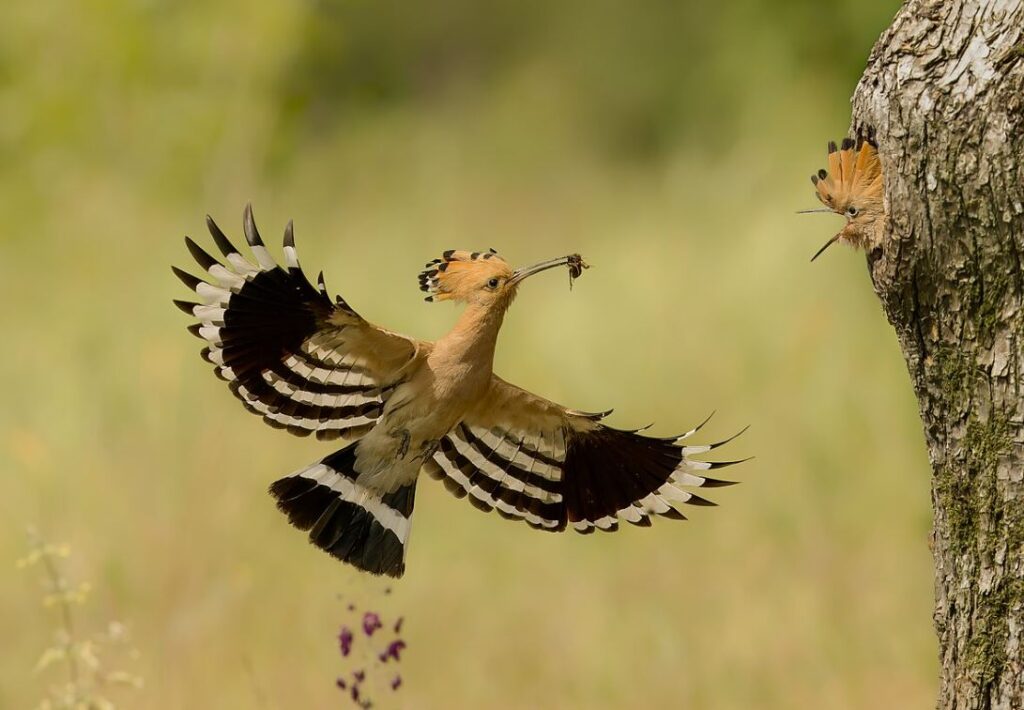
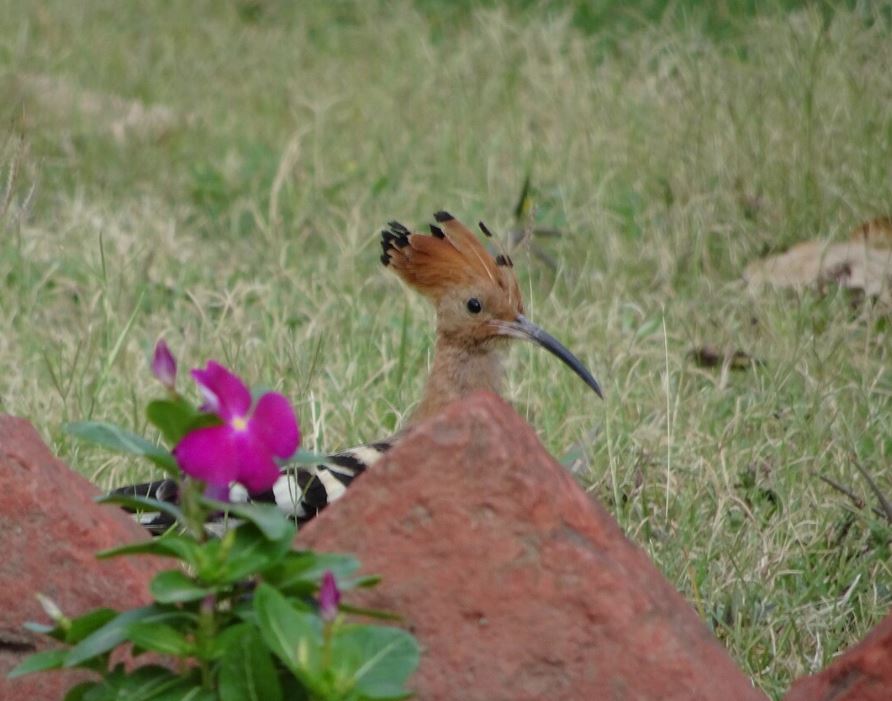
Peacock, rooster, mountain splitter, bent or spread or double comb – what is this bird? The most common translation, both in the Greek and the Latin versions of the Torah is the hoopoe. The Aramaic translations call it the nagar tura as we saw, which is a description rather than a name. The hoopoe does peck the earth, and in that it is similar to a rooster or a chicken. It also has a fancy comb, yet another similarity to the rooster. So all the names given seem to be leading to the same animal, all except for the Rashi in Chullin that identifies it as a peacock.
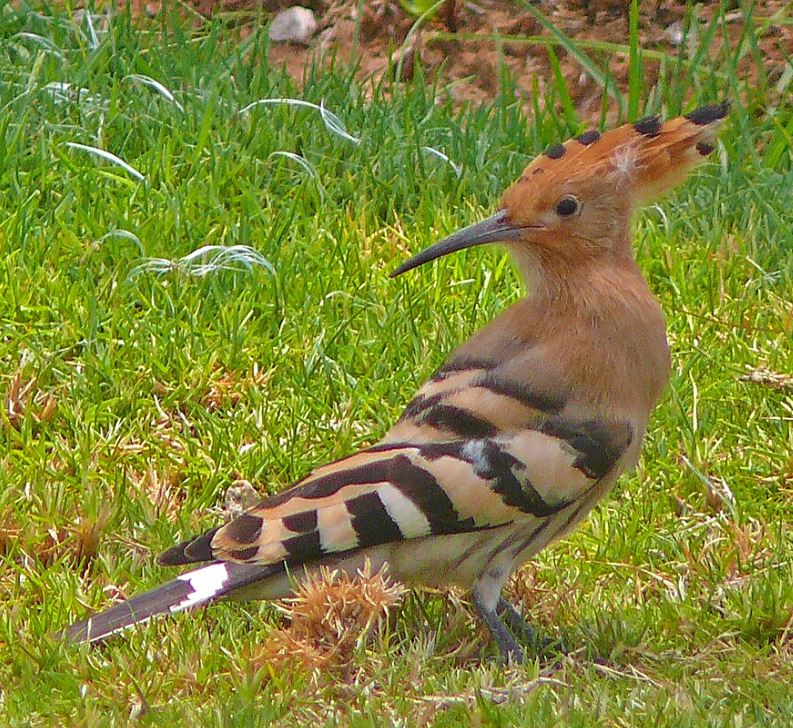
MathKnight and Zachi Evenor, CC BY-SA 4.0 <https://creativecommons.org/licenses/by-sa/4.0>, via Wikimedia Commons
The explanation of its name in our Gemara is that its hod – crest – is kafut. This can be translated as bent or doubled over. It could also mean spread out, like a palm – kaf hayad – or a palm branch – kapot temarim. Another possibility is that it is du – two – kafat – a double crest, or that it takes stones – kafim- and makes them into two by hammering at them.
The hoopoe is a beautiful and unusual bird. Its interesting color scheme and its fabulous comb made people think it had special properties. Perhaps for that reason it is connected to the legendary shamir, the worm that could split stones. King Solomon needed the shamir for his construction of the Temple and he learns from the king of demons, Ashmedai, that the dukhifat safeguards the shamir:
“Ashmedai said to him: The shamir was not given to me, but it was given to the minister of the sea. And he gives it only to the wild rooster, [also known as the dukhifat], whom he trusts by the force of his oath to return it. And what does the wild rooster do with it? He brings it to mountains that are not fit for habitation, and he places the shamir on the craggy rock and the mountain splits. And he takes and brings seeds of trees, throws them there, and it becomes fit for habitation. And this is why we interpret the word dukhifat as a cutter of mountains [naggar tura],. They investigated and found the nest of a wild rooster in which there were chicks, and he covered its nest with translucent glass. When the rooster came it wanted to enter the nest but was unable to do so. It went and brought the shamir and placed it on top to crack the glass. Solomon’s servant threw a clump of dirt at the rooster and the rooster knocked over the shamir. The man took it and the wild rooster went and strangled itself over the fact that it had not kept its oath,” (Gittin 68b)
Other legends make the dukhifat the confidant of King Solomon and the one who informs him of the fabulous kingdom of the Queen of Sheba (Midrash Mishlei). Perhaps its crown made people associate it with royalty. The Koran includes a version of this story and in the Arab world the dukhifat was considered a spy and information gathering arms of Arabic armies are sometimes named for it.
The dukhifat was thought to have medicinal properties and its blood was used to cure eye disease (Shabbat 78a). As time passed people ascribed to it mystical powers like the ability to give people strength or to bring lovers together. Chaim Nahman Bialik wrote a poem (Between the Euphrates and the Tigris) where a young woman begs the dukhifat to bring her a husband. The dukhifat’s crown was thought to be a sign of its vanity, according to legend, it originally had a gold crown but that made it irresistible to hunters so it asked for a crown of feathers instead.
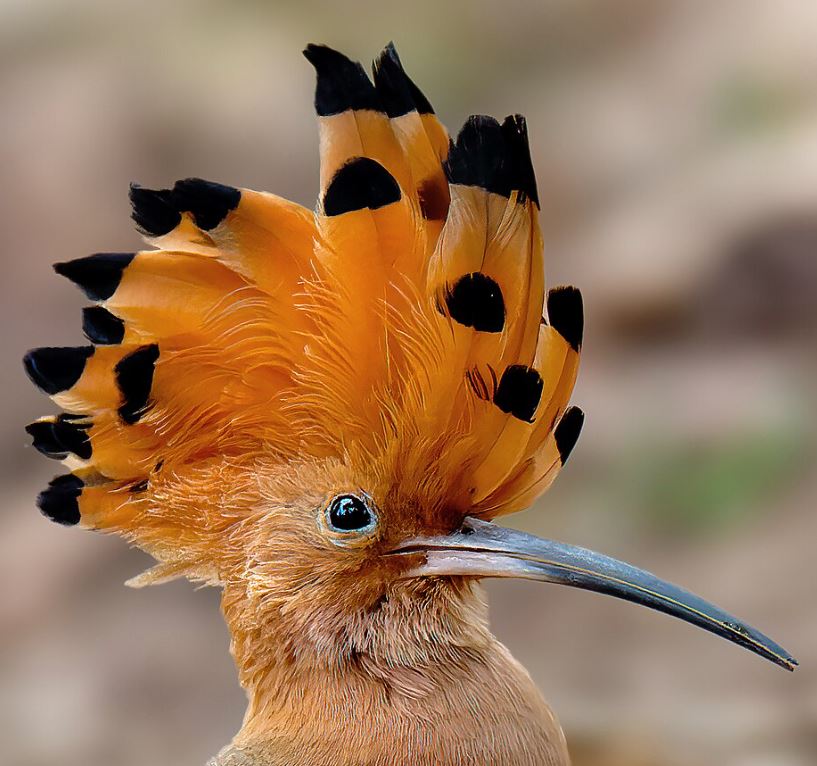
Iamranabd, CC BY-SA 4.0 <https://creativecommons.org/licenses/by-sa/4.0>, via Wikimedia Commons
The dukhifat lays its eggs low to the ground and so to protect them and its baby chicks it secretes a terrible smelling liquid that drives away predators. It lives in many areas in the Middle East and in Israel it is mostly found along the coast. Its loud call is what gave it its Arabic name: hudhud.
Luckhy86, CC BY-SA 4.0 <https://creativecommons.org/licenses/by-sa/4.0>, via Wikimedia Commons
For Israel’s sixtieth birthday, the Society for the Protection of Nature held a contest to choose the national bird. The hotly contested election was won by the dukhifat, although some say it doesn’t deserve the prize and the national bird should be the majestic nesher, the griffon vulture.
That’s a lot of hoopla for a hoopoe.
Achat1999, CC BY-SA 4.0 <https://creativecommons.org/licenses/by-sa/4.0>, via Wikimedia Commons