A violent encounter. A meeting of two individuals – strangers? Or enemies? And a story that affects Jewish food laws until today. Clearly the tale of Jacob’s wrestling match with “the man” has great significance. The Gemara’s way of saying that is that the dust from their tussle reached to the heavens:
“And the Rabbis, what do they derive from this phrase: “As he wrestled with him” (Genesis 32:26)? They require it for the other interpretation of Rabbi Yehoshua ben Levi, as Rabbi Yehoshua ben Levi said: This teaches that the dust from their feet ascended to the throne of glory.” (Chullin 91a)
Unlike earlier laws in our masechet, like covering the blood or not slaughtering a mother and child on one day, the prohibition of gid hanashe, the sciatic nerve, has its roots in a narrative. Jacob is returning from Haran. He has survived his standoff with Laban and the two have sworn loyalty to each other in the Gilead, the mountains on the eastern side of the Jordan.
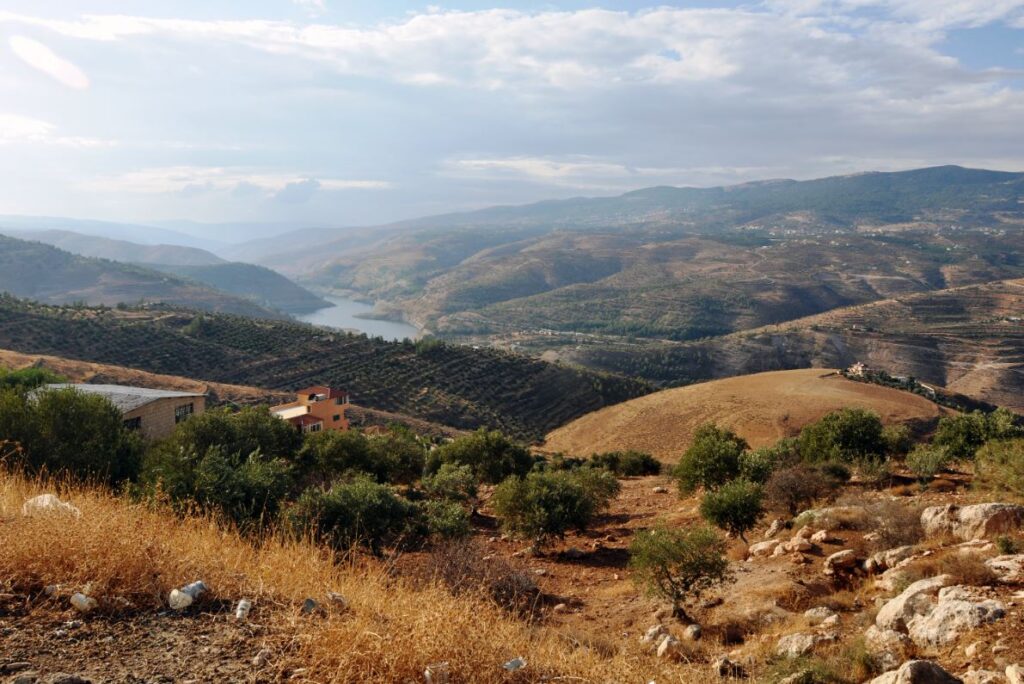
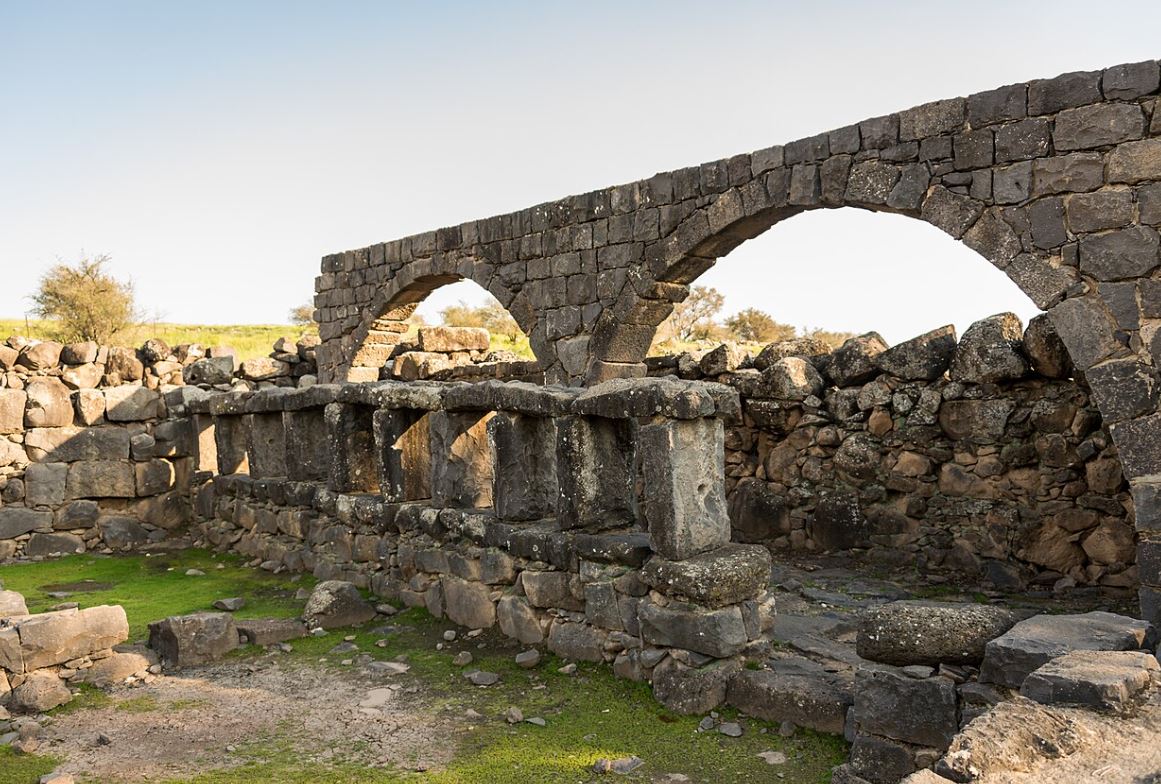
Gilead near Yabok
Jim Greenhill, U.S. Army, Public domain, via Wikimedia Commons
After Jacob and his entourage continue on their way, he meets angels at Mahanayim and then he prepares to cross the Yabok River, his entry point into the Land of Israel. From here he will continue through Nahal Tirtza towards Shechem:
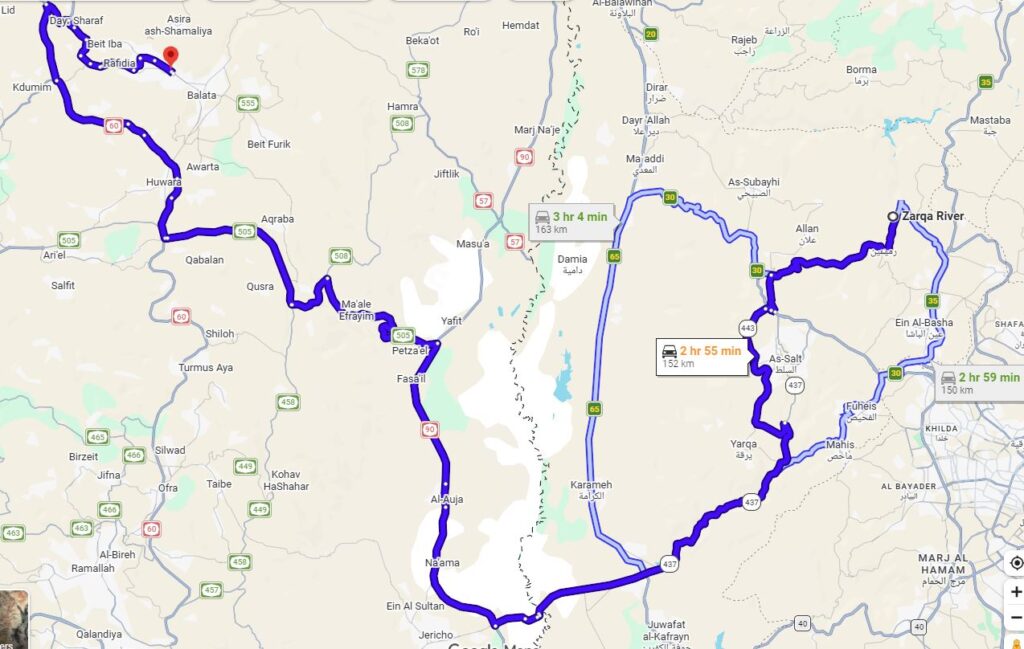
The Yabok, called the Zarka River in Arabic, is one of the major tributaries of the Jordan River. It is very large, second only to its neighbor the Yarmuk. It begins in the east, near Amman, flows north and west, crossing the Gilead mountains, and eventually it spills into the Jordan. Jacob crosses it parallel to Shechem, near two hills that some scholars identify as Mahanayim and Peniel (where the wrestling happened).
Mahanayim is known to us in other contexts as a place of refuge. It is the place where Ish Boshet, the failed successor to King Saul, sets up his camp (Samuel II 2:8) and the place to where King David flees when he is on the run from Avshalom, his son and usurper:
“David had reached Mahanayim when Absalom, and Israel’s entire force with him, crossed the Jordan.” (Samuel II 17:24)
Perhaps when Jacob crosses back to retrieve his “small jars” (Chullin 91a), he is really attempting to flee from his meeting the next day with Esau?
At this point he has his fateful fight. But who is this being who wrestles with him all night? He clearly appears as a human:
“Jacob was left alone. And a man wrestled with him until the break of dawn.” (Bereshit 32:27)
The Rabbis argue over whether he looked like an non-Jew or a scholar:
“Rabbi Shmuel bar Naḥmani says: He appeared to him as a gentile. . . Rav Shmuel bar Aḥa said before Rav Pappa in the name of Rava bar Ulla he appeared to him as a Torah scholar,” (Chullin 91a)
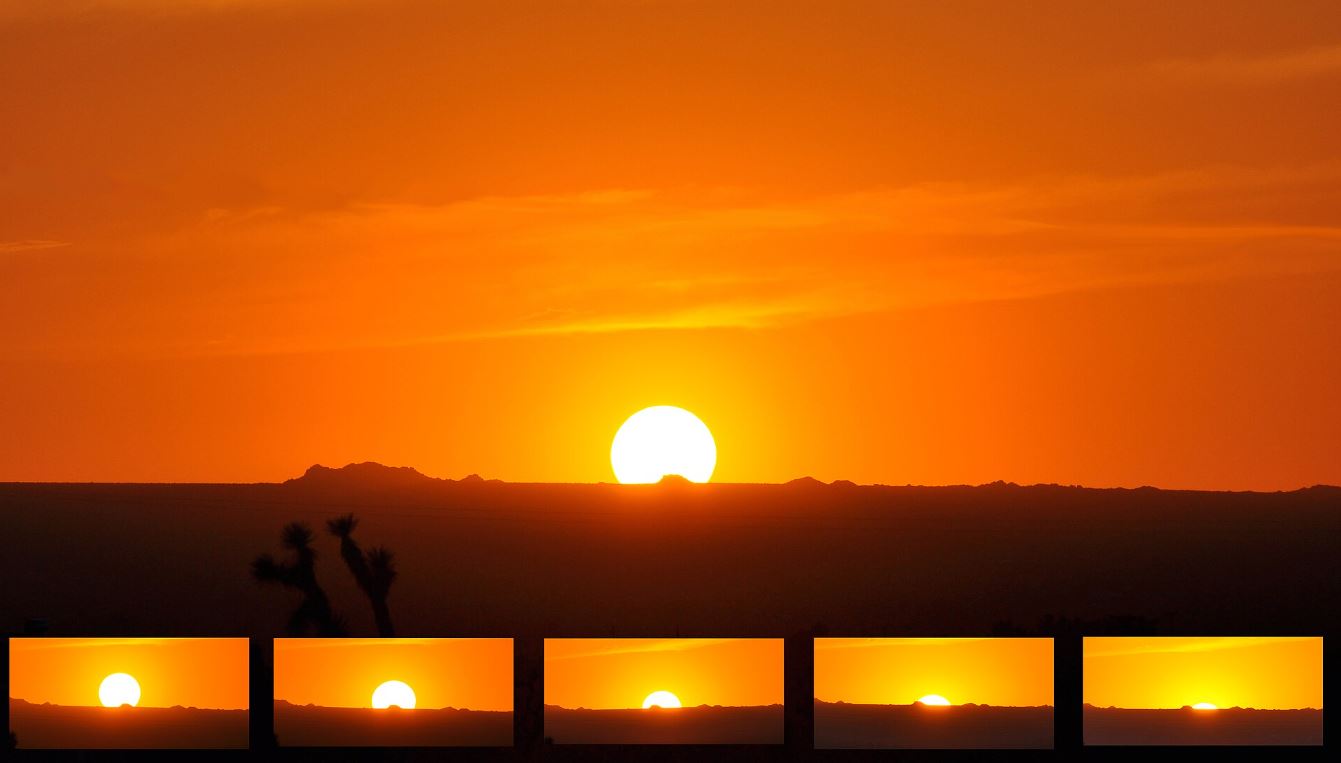
Later on the Gemara says that Jacob challenged him about leaving at sunrise: are you a thief? Or a “kubiyustos;” a kidnapper according to Rashi or a gambler, on the run from creditors, according to Tosfot. Some more modern commentaries suggest that it is Esau himself, coming to harm Jacob privately before their more public encounter the next day.
The prevailing opinion though, is that despite his outward appearance, the “man” is a divine being. The prophet Hoshea calls him an angel:
“He strove with an angel and prevailed—
The other had to weep and implore him.” (Hoshea 12:5)
The midrash in Bereshit Rabba is more specific. He is not just an angel, he is Esau’s guardian angel, שרו של עשו. Why would God send an angel to do Esau’s bidding? Bereshit Rabba gives a fascinating answer – God rigs this battle so that Jacob will win. When he emerges victorious from fighting the angel, despite sustaining an injury, he will know that he can easily withstand the battle with a human Esau:
“This is analogous to a king who had a wild dog and a tame lion. The king would take his son and embolden his heart with the lion, so were the dog to come and confront him, the king would say to him [the dog]: ‘The lion could not stand against him, and you seek to confront him?’ So, were the nations of the world to come and confront Israel, the Holy One blessed be He will say to them: ‘Your ministering angel could not stand against him, and you seek to confront his descendants?’” (Bereshit Rabba 77:3)
The struggle with the angel of Esau will also be a way to change Jacob’s identity. He will no longer be (only) Jacob, the one who deceives, but Israel, the one who struggles and succeeds:
בַּבֶּ֖טֶן עָקַ֣ב אֶת־אָחִ֑יו וּבְאוֹנ֖וֹ שָׂרָ֥ה אֶת־אֱלֹהִֽים׃
In the womb he tried to supplant his brother;
Grown to manhood, he strove with a divine being, (Hoshea 12:4)
This momentous event needed to be remembered by Jacob’s descendants forever. If he, the father, could withstand Esau with God’s help, his children would also be able to struggle and succeed against Esau in whatever form he would take next: Rome, Christianity or any other enemy of the Jewish people.
“It is from the roots of this commandment [that it is to serve as] a hint to Israel that though they will suffer many troubles in the exile by the hand of the nations and by the hand of the [descendants] of Esav (i.e. the Christians), [the Jews] should trust that they will not perish, but rather that their descendants and name will stand firm forever, and that their redeemer will come and redeem them from their oppressor.”(Sefer HaChinuch 3)
And why specifically this particular nerve? It is on the ירך , the thigh, or in more Biblical terms, the loin. This is the place of procreation. When the Torah wants to tell us about offspring, it talks about יוצאי ירך, those who came from the loins:
וַֽיְהִ֗י כׇּל־נֶ֛פֶשׁ יֹצְאֵ֥י יֶֽרֶךְ־יַעֲקֹ֖ב שִׁבְעִ֣ים נָ֑פֶשׁ וְיוֹסֵ֖ף הָיָ֥ה בְמִצְרָֽיִם׃
“The total number of persons that were of Jacob’s issue came to seventy, Joseph being already in Egypt.” (Shmot 1:5)
The descendants of Jacob, יצאי ירכו will be persecuted by Esau throughout the generations but ultimately they will prevail, as he did on that fateful night.
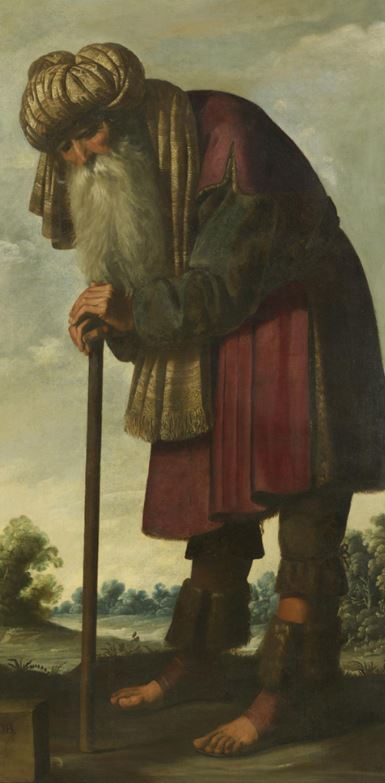
Jacob as depicted by Zurbaran
Francisco de Zurbarán, Public domain, via Wikimedia Commons