




“Rav Pappa says: “Your benevolence is like the mighty mountains” (Psalms 36:7), these acts of benevolence are referring to leprous marks that affect a person” (Arachin 8b)
Rav Pappa’s name appears all over the Gemara and anyone who has made a siyum and said the Hadran formula is familiar with him and his ten sons:
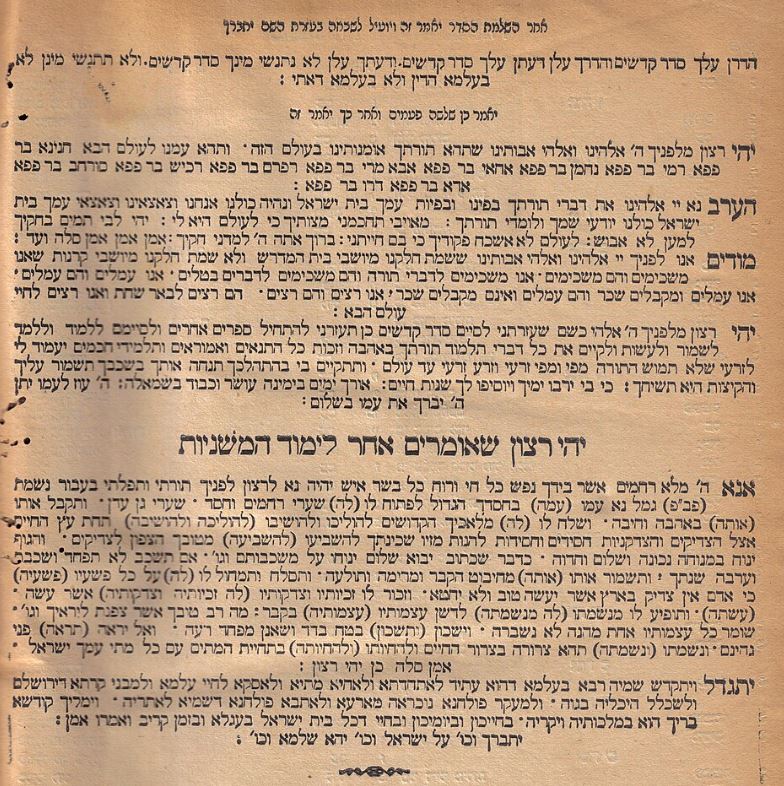
“May it be Your will, our G-d, and the G-d of our fathers, that we should be loyal to Your Torah in this world, and it should be with us in the next world. Chaninah bar Pappa, Rami bar Pappa, Nachman bar Pappa, Achai bar Pappa, Aba bar Pappa, Rafram bar Pappa, Rachish bar Pappa, Sorchav bar Pappa, Ada bar Pappa, Daro bar Pappa.”
Who is this teacher and who are his sons? Rav Pappa was a Babylonian Amora of the fifth generation. He lived in the fourth century CE in Neresh in Babylonia, although his business took him all over. He was a wealthy man who made his fortune as a beer brewer (Pesachim 113a). His beer was made from dates as Rashi explains:
“My interest is permitted” — he was a producer of date-beer, and he would sell it to the other person during the low-price season (in the month of Tishrei) at the price prevailing in the month of Nisan, while waiting for payment until Nisan.” (Bava Metzia 65a)
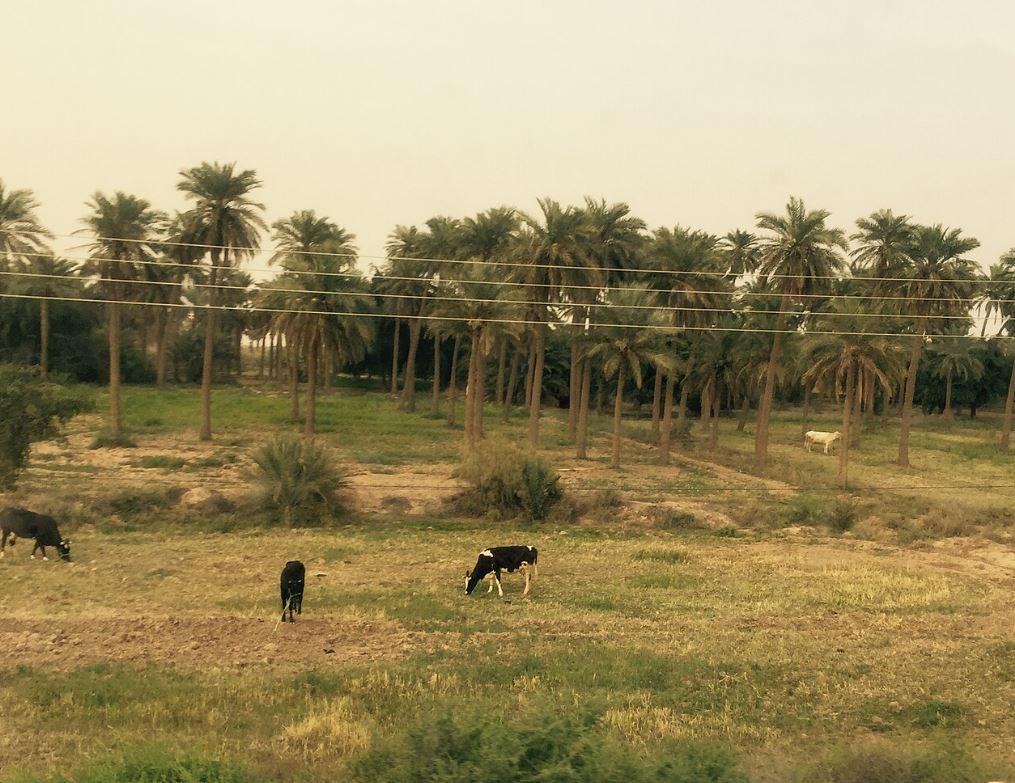
Date orchards near Neresh today
Shahadraad, CC BY-SA 4.0, via Wikimedia Commons
Rav Pappa also attributed his wealth to the fact that he married a woman from a Kohen family (Pesachim 49a). Running a successful business did not mean that he was dishonest. Rav Pappa was scrupulous in his business practices and is cited as someone who would go beyond the letter of the law:
“a certain man sold land to Rav Pappa because he needed money to buy oxen. In the end, he did not need the money and Rav Pappa returned his land to him. This is not a proof, as Rav Pappa acted in a manner that was beyond the letter of the law.” Ketubot 97a)
Rav Pappa was a student of the great Rava and we hear their dialogues in various places. Here is one example, where Rav Pappa wonders who is a greater leader, the king of the Sassanians in Babylonia or the Roman emperor:
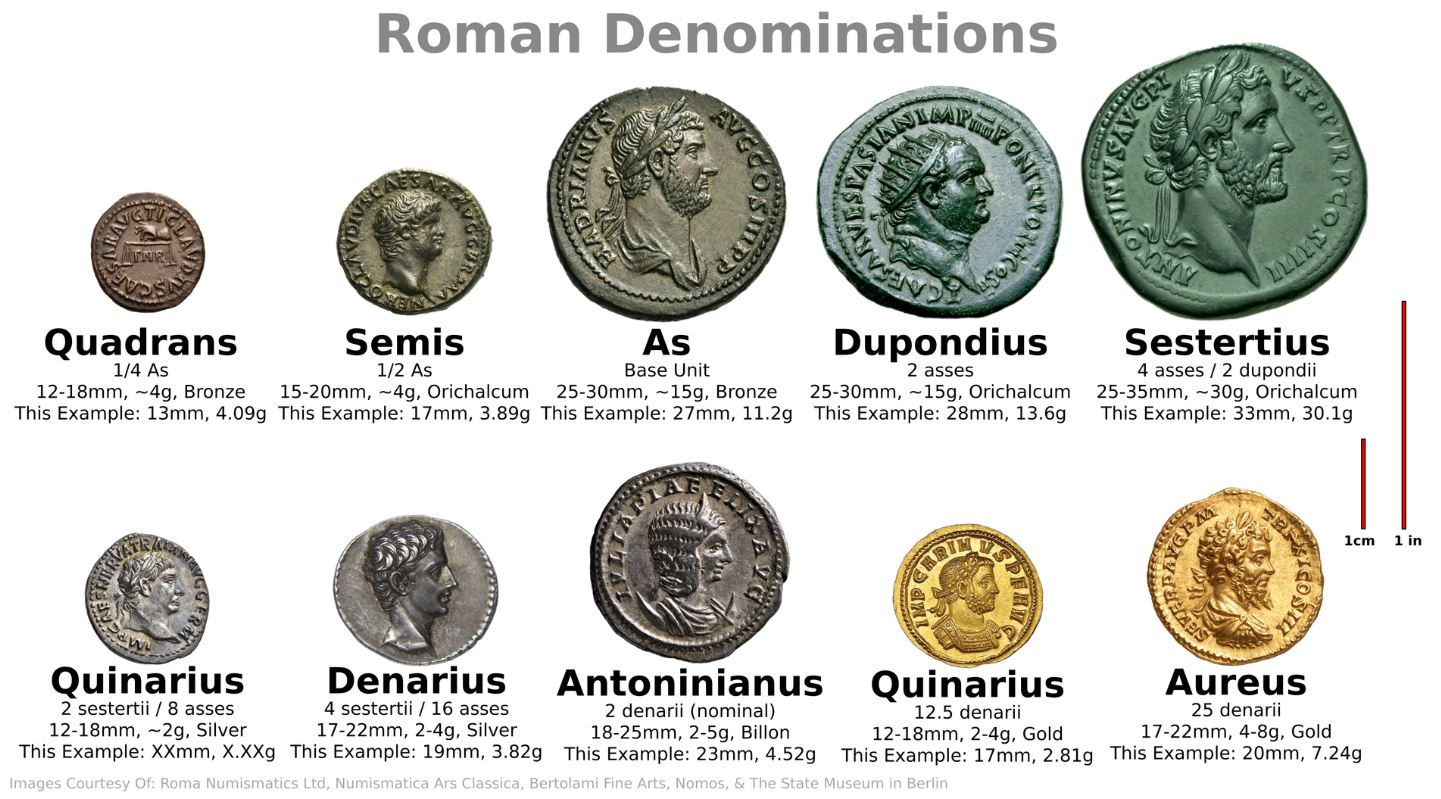
“King Shapur and the Roman emperor. Rav Pappa said to Rava: Which of them is greater? Rava said to him: Does he eat in the forest? Go out and see whose coin circulates throughout the world . . Rabbi Yoḥanan says: This is the guilty empire of Rome whose coin circulates throughout the entire world.” (Shevuot 6b)
Rava’s yeshiva was in Mahoza. After his death, the yeshiva split. Half of the students went to Pumbedita with Rav Yitzchak and the others went with Rav Pappa, and his colleague Rav Huna the son of Rav Yehoshua, to the town of Neresh where they established a yeshiva. While Rav Pappa was a very learned and intelligent man, he had very big shoes to fill in succeeding Rava, as we see from this story:
“Rav Huna bar Manoaḥ, Rav Shmuel bar Idi, and Rav Ḥiyya from Vastanya were often found before Rava, When Rava died, they came before Rav Pappa. Whenever Rav Pappa would say a halakha that did not sound reasonable to them, they would gesture to each other. Rav Pappa was offended.” (Taanit 9a)
He also was at a disadvantage because of the place where he chose to found his yeshiva. Neresh was not known for people of sterling character:
“Rav Pappa said: Neresh does not want to listen to the word of the Lord. Rav Giddel said that Rav said: If a resident of Neresh kisses you, count your teeth [to check if any have been stolen]” (Hullin 127a)
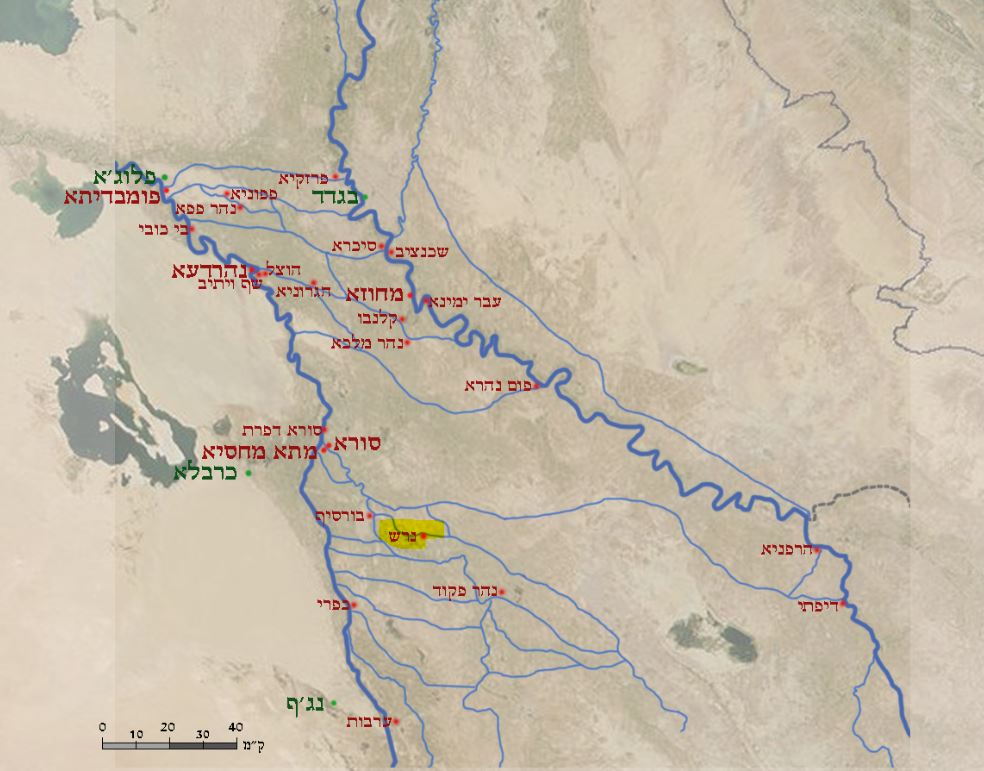
Neresh highlighted in yellow
יהונתן, CC BY-SA 3.0, via Wikimedia Commons
Perhaps because of his business acumen, and his need to deal with a complex local population, Rav Pappa was a master of compromise. In various debates about how to formulate certain prayers, Rav Pappa tries to include all opinions. He says this for the text of Modim deRabbanan (Sotah 40a) as well as the formulations of two other essential blessings:
“one certainly recites a blessing [upon seeing a rainbow]. What does one recite? Blessed…Who remembers the covenant. It was taught in a baraita that Rabbi Yishmael, son of Rabbi Yoḥanan ben Beroka, says Who is faithful to His covenant and fulfills His word. Rav Pappa said: Therefore we will say them both: Blessed…Who remembers the covenant and is faithful to His covenant and fulfills His word.” (Berachot 59a)
Rav Pappa also mediated in the case of the text of asher yatzar, the blessing we say after going to the bathroom:
“How should one conclude this blessing? Rav said: Healer of the sick. Shmuel said: Abba [Rav] has rendered everyone sick. Rather, one should say: Healer of all flesh. Rav Sheshet said: One should conclude: Who performs wondrous deeds. Rav Pappa said: Therefore, let us say them both: Healer of all flesh, Who performs wondrous deeds.” (Berachot 60b)
Rav Pappa was very solicitous of the rabbis and had great respect for them. When he traveled, he would try to visit any of the local rabbis:
“Rav Pappa happened to come to the city of Tavakh. He said: If there is a Torah scholar here I will go and greet him.” (Niddah 33b)
A man of the world, Rav Pappa was known for his maxims and practical advice. He understood that sometimes the best person to advise you is your spouse, even if she is of lowly (physical or social) stature:
“Rav Pappa said to Abaye: But don’t people say: If your wife is short, stoop and consult with her” (Bava Metzia 59a)
And what about the ten sons of the Hadran? We do hear about Rav Pappa’s children, particularly Abba Mar, who is mentioned in Berachot 45b, Ketubot 52b and other places. But even in the earliest instance that this text appears, in the time of Hai Gaon (tenth century Babylonia), he already says that all ten of these men cannot be Rav Pappa’s sons. We know that some of them live a century or more before him! So why say them when we finish the masechet? Besides the fun of reciting their names Hai Gaon suggests that saying them is a protection (segula) against forgetfulness. Can you remember them all?
Public domain, via Wikimedia Commons