










With what (other than money) can one redeem one’s son? What if one uses a promissory note? From where do we learn the custom that the priest returns the coins to the father after the redemption? Is this always allowed? If the money gets lost before it goes to the priest, is one responsible to give new money? From which types of possessions does a firstborn not get a double portion?
Masechet Bekhorot is sponsored by Ahava Leibtag in loving memory of her father, Arthur Aaron, Asher ben Yaakov Yehuda v’Esther on his first yahrzeit. “You always said Talmud Torah was the best s’char. This one’s for you, Daddy.”
This week’s learning is sponsored by Tina Lamm for the refuah shleima for מעין ליאורה בת שלומית פייגא. “Our precious Maya”
Want to dedicate learning? Get started here:
English
עברית

0:00
0:00
0:00
0:00
Today’s daily daf tools:
Masechet Bekhorot is sponsored by Ahava Leibtag in loving memory of her father, Arthur Aaron, Asher ben Yaakov Yehuda v’Esther on his first yahrzeit. “You always said Talmud Torah was the best s’char. This one’s for you, Daddy.”
This week’s learning is sponsored by Tina Lamm for the refuah shleima for מעין ליאורה בת שלומית פייגא. “Our precious Maya”
Bekhorot 51
זוּזָא מָאכָא בַּהֲדֵיהּ דְּלָא נָפֵיק, תְּקַע לֵיהּ אַחֲרִינָא וְיַהֲבֵיהּ נִיהֲלֵיהּ.
an impaired dinar with him, which was not in circulation, and his victim did not want to accept it from him. Ḥanan the wicked then struck him another time, rendering himself liable to pay an additional fine of one-half a dinar, and gave him the full dinar as payment for both strikes.
שְׁלֹשִׁים שֶׁל עֶבֶד, חֲמִשִּׁים שֶׁל אוֹנֵס וְשֶׁל מְפַתֶּה וְכוּ׳. הָא תּוּ לְמָה לִי? הָא תְּנָא לֵיהּ רֵישָׁא!
§ The mishna teaches: The thirty shekels paid to the owner of a Canaanite slave who is killed by an ox, and the fifty shekels paid by a rapist and by a seducer, and the one hundred shekels paid by the defamer are all paid in the shekel of the Sanctuary, which is calculated based on one hundred Tyrian dinars. The Gemara asks: Why do I need this additional mention of: All are paid in the shekel of the Sanctuary, which is calculated based on one hundred Tyrian dinars? The tanna of the mishna already taught this in the first clause.
אוֹנֵס וּמוֹצִיא שֵׁם רַע אִיצְטְרִיךְ, סָלְקָא דַּעְתָּךְ אָמֵינָא: כֵּיוָן דְּלָא כְּתִיב בְּהוּ ״שְׁקָלִים״, אֵימָא זוּזֵי בְּעָלְמָא, קָא מַשְׁמַע לַן דְּמֵילָף קָא יָלְפִי מֵהֲדָדֵי.
The Gemara explains: It was necessary to state the cases of the rapist and the defamer, as it might enter your mind to say: Since the term shekels is not written with regard to them, but only “money,” say that one pays merely dinars, and not shekels, which are worth four dinars. Therefore, the tanna teaches us that the halakhot of all these cases are derived from one another, and in all of them, the payment is in the shekel of the Sanctuary.
חוּץ מִן הַשְּׁקָלִים. תָּנָא: חוּץ מִן הַשְּׁקָלִים, וּמַעֲשֵׂר, וְהָרֵאָיוֹן.
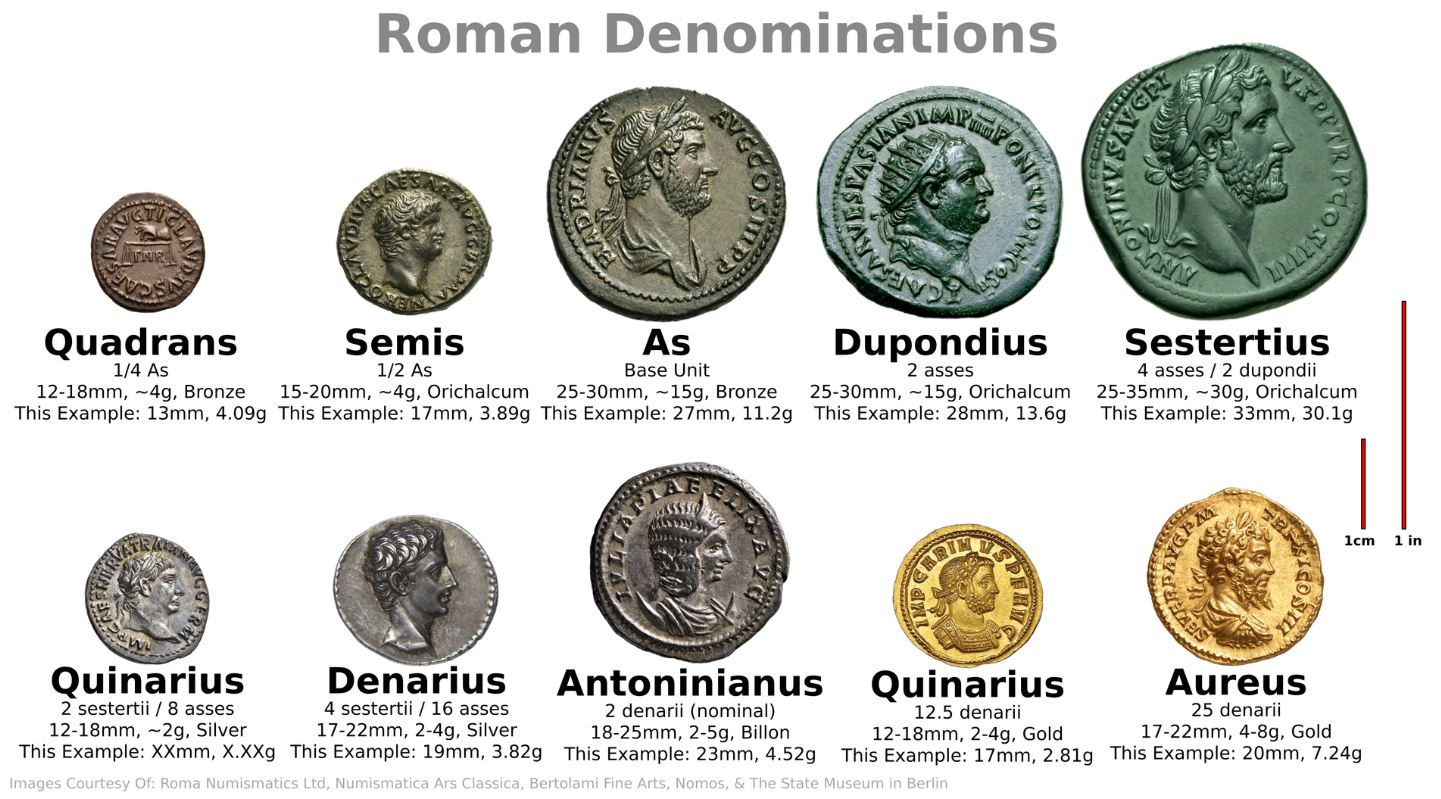
§ The mishna further teaches: And all monetary obligations are redeemed, i.e., paid, with coins or with items of the equivalent value of money, except for the half-shekels that are donated to the Temple each year, which must be given specifically as coins. The Gemara notes that it is taught in a baraita: All monetary obligations are redeemed with coins or with their equivalent value, except for the half-shekels, and second tithe, and the money for appearance, i.e., the two silver ma’a that every man must bring to the Temple to purchase burnt offerings of appearance on the pilgrimage Festivals, all of which must be given as coins.
שְׁקָלִים — דִּתְנַן: מְצָרְפִין שְׁקָלִים לְדַרְבּוֹנוֹת, מִפְּנֵי מַשּׂאוֹי הַדֶּרֶךְ.
The Gemara elaborates: The halakha that the half-shekel payment dues to the Temple cannot be paid using items of equivalent value is as we learned in a mishna (Shekalim 2:1): When people who live far from Jerusalem wish to send to Jerusalem the shekels that have been levied from their community, they may combine their shekels and exchange them for darics [darbonot], which are large gold coins, due to the hardship of carrying on the journey. Instead of carrying large amounts of shekels, the agents who deliver the funds will bring a much lighter burden of gold coins with them. They may exchange them only for coins, not for items of equivalent value.
מַעֲשֵׂר — דִּכְתִיב: ״וְצַרְתָּ הַכֶּסֶף בְּיָדְךָ״, וְהָרֵאָיוֹן — תָּנֵי רַב יוֹסֵף: שֶׁלֹּא יָבִיא סִיגָה לָעֲזָרָה.
Second tithe may not be redeemed with items of equivalent value, as it is written: “And bind up [vetzarta] the money in your hand” (Deuteronomy 14:25), which the Sages interpreted as referring to money that has a form [tzura] engraved on it, i.e., a coin. And with regard to the money for appearance, this is as Rav Yosef teaches, that one may not bring a lump of silver full of base metals to the Temple courtyard.
מַתְנִי׳ אֵין פּוֹדִין לֹא בַּעֲבָדִים, וְלֹא בִּשְׁטָרוֹת, וְלֹא בְּקַרְקָעוֹת, וְלֹא בְּהֶקְדֵּשׁוֹת. כָּתַב לְכֹהֵן שֶׁהוּא חַיָּיב לִיתֵּן חֲמִשָּׁה סְלָעִים — חַיָּיב לִיתֵּן לוֹ, וּבְנוֹ אֵינוֹ פָּדוּי. לְפִיכָךְ, אִם רָצָה הַכֹּהֵן לִיתֵּן לוֹ בְּמַתָּנָה — רַשַּׁאי.
MISHNA: One may not redeem his firstborn son, neither with Canaanite slaves, nor with promissory notes, nor with land, nor with consecrated items. If the father wrote a promissory note to the priest that he is obligated to give him five sela coins, the father is obligated to give them to him but his son is not redeemed. Therefore, if the priest wished to give back the five sela coins to him as a gift he is permitted to do so.
הַמַּפְרִישׁ פִּדְיוֹן בְּנוֹ, וְאָבַד — חַיָּיב בְּאַחְרָיוּתוֹ, שֶׁנֶּאֱמַר: ״יִהְיֶה לָּךְ״ וּ״פָדֹה תִפְדֶּה״.
With regard to one who designates five sela coins for redemption of his firstborn son and he lost the coins before he gave them to the priest, the father bears financial responsibility for their loss, as it is stated to Aaron the priest: “Everything that opens the womb in man and animal shall be yours”; and only afterward it says: “You shall redeem the firstborn of man” (Numbers 18:15). This indicates that only after the money shall be in the possession of the priest is the son redeemed.
גּמ׳ מַתְנִיתִין דְּלָא כְּרַבִּי, דְּתַנְיָא: רַבִּי אוֹמֵר: בַּכֹּל פּוֹדִין בְּכוֹר אָדָם, חוּץ מִן הַשְּׁטָרוֹת. מַאי טַעְמָא דְּרַבִּי?
GEMARA: The Gemara comments: The mishna is not in accordance with the opinion of Rabbi Yehuda HaNasi. As it is taught in a baraita that Rabbi Yehuda HaNasi says: One can redeem a woman’s firstborn son with anything worth five shekels except for promissory notes. This is different from the mishna, which also excludes Canaanite slaves and land. The Gemara asks: What is the reason for Rabbi Yehuda HaNasi’s opinion?
דָּרֵישׁ רִיבּוּיֵי וּמִיעוּטֵי, ״וּפְדוּיָו מִבֶּן חֹדֶשׁ תִּפְדֶּה״ — רִיבָּה, ״בְּעֶרְכְּךָ כֶּסֶף חֲמֵשֶׁת שְׁקָלִים״ — מִיעֵט, ״תִּפְדֶּה״ — רִיבָּה.
The Gemara answers that he interprets verses using the method of amplifications and restrictions, and this is how he interprets the verse: “And its redemption from one month you shall redeem, according to the valuation of five silver shekels by the shekel of the Sanctuary” (Numbers 18:16). Concerning the phrase “and its redemption from one month,” since it does not specify that only certain items can be used for the redemption, the verse amplified the category of items that can be used to redeem the firstborn, intimating that many different items can be used. Then, with the phrase “according to the valuation of five silver shekels,” the verse restricted the category to items that are similar to silver shekels. Then, with the phrase “You shall redeem,” the verse again amplified the category.
רִיבָּה וּמִיעֵט וְרִיבָּה, רִיבָּה הַכֹּל. מַאי רַבִּי? רַבִּי כֹּל מִילֵּי, וּמַאי מַיעֵט? מַיעֵט שְׁטָרוֹת.
According to the hermeneutical principle that when a verse amplified and then restricted and then amplified, it amplified the relevant category to include everything except the specific matter excluded in the restriction. The Gemara elaborates: What has it amplified? Almost everything. And what has it restricted? It restricted only promissory notes, which are the most fundamentally dissimilar to silver shekels.
וְרַבָּנַן דָּרְשִׁי כְּלָל וּפְרָט: ״ופְדוּיָו מִבֶּן חֹדֶשׁ״ — כָּלַל, ״בְּעֶרְכְּךָ כֶּסֶף חֲמֵשֶׁת שְׁקָלִים״ — פָּרַט, (פדה) ״תִּפְדֶּה״ — חָזַר וְכָלַל.
The Gemara explains the reasoning of the Rabbis: And the Rabbis expound verses through the method of a generalization and a detail. They expound the verse as follows: The phrase “and its redemption from one month” is a generalization which suggests that many different items can be used to redeem the firstborn. Then, the phrase “according to the valuation of five silver shekels” is a detail, which suggests that only items that are similar to silver shekels can be used. Then, with the phrase: “You shall redeem,” the verse again makes a generalization.
כְּלָל וּפְרָט וּכְלָל, אִי אַתָּה דָן אֶלָּא כְּעֵין הַפְּרָט. מָה הַפְּרָט מְפוֹרָשׁ — דָּבָר הַמִּטַּלְטֵל וְגוּפוֹ מָמוֹן, אַף כׇּל דָּבָר הַמִּטַּלְטֵל וְגוּפוֹ מָמוֹן. יָצְאוּ קַרְקָעוֹת — שֶׁאֵין מִטַּלְטְלִין, יָצְאוּ עֲבָדִים — שֶׁהוּקְּשׁוּ לְקַרְקָעוֹת, יָצְאוּ שְׁטָרוֹת — שֶׁאַף עַל פִּי שֶׁמִּטַּלְטְלִין, אֵין גּוּפָן מָמוֹן.
Based on this exegetical method, whenever a verse has a generalization and then a detail and then a generalization, the principle is that you may deduce that the verse is referring only to items that are similar to the detail. In this case, just as the detail, i.e., silver shekels, is explicitly something that is movable and has intrinsic monetary value, so too, anything that is movable and has intrinsic monetary value can be used. This excludes land, which is not movable property; it excludes Canaanite slaves, who are halakhically compared to land; and it excludes promissory notes, because even though they are movable property they do not have intrinsic monetary value.
אֲמַר לֵיהּ רָבִינָא לְמָרִימָר: וְרַבִּי, רִיבּוּיֵי וּמִיעוּטֵי דָּרֵישׁ? וְהָא רַבִּי כְּלָלֵי וּפְרָטֵי דָּרֵישׁ בְּמַרְצֵעַ!
Ravina said to Ameimar: Does Rabbi Yehuda HaNasi really expound verses through the method of amplifications and restrictions? But doesn’t Rabbi Yehuda HaNasi expound verses through the method of generalizations and details with regard to an awl?
דְּתַנְיָא: ״מַרְצֵעַ״ — אֵין לִי אֶלָּא מַרְצֵעַ, מִנַּיִן לְרַבּוֹת הַסּוֹל וְהַסִּירָא וְהַמַּחַט וְהַמַּקְדֵּחַ וְהַמַּכְתֵּב? תַּלְמוּד לוֹמַר ״וְלָקַחְתָּ״ — לְרַבּוֹת כׇּל דָּבָר שֶׁנִּלְקָח בַּיָּד, דִּבְרֵי רַבִּי יוֹסֵי בְּרַבִּי יְהוּדָה. רַבִּי אוֹמֵר: ״מַרְצֵעַ״ — מָה מַרְצֵעַ מְיוּחָד שֶׁל מַתֶּכֶת, אַף כֹּל שֶׁל מַתֶּכֶת.
This is as it is taught in a baraita: The Torah provides the process by which a Hebrew slave who has already completed his six years of servitude may continue on as a slave of his master: “And you shall take the awl and put it through his ear and in the door” (Deuteronomy 15:17). From this verse, I have derived only that an awl can be used; from where do I know to include the thorn of a palm, and a thorn, a needle, and a gimlet, and a stylus for writing on wax, as valid tools for piercing his ear? The verse states: “And you shall take,” which indicates that anything that can be taken by hand is a valid tool. This is the statement of Rabbi Yosei, son of Rabbi Yehuda. Rabbi Yehuda HaNasi says: Not all these items can be used. Rather, since the verse specifies an “awl,” only items similar to an awl can be used; just as an awl is distinct in that it is fashioned of metal, so too, anything fashioned of metal can be used.
וְאָמְרִינַן: בְּמַאי קָא מִיפַּלְגִי? רַבִּי דָּרֵישׁ כְּלָלֵי וּפְרָטֵי, ורבי יוֹסֵי בְּרַבִּי יְהוּדָה דָּרֵישׁ רִיבּוּיֵי וּמִיעוּטֵי.
And we say with regard to this dispute: About what do they disagree? Rabbi Yehuda HaNasi expounds verses using the method of generalizations and details, and Rabbi Yosei, son of Rabbi Yehuda, expounds verses using the method of amplifications and restrictions.
אִין בְּעָלְמָא רַבִּי כְּלָלֵי וּפְרָטֵי דָּרֵישׁ, וְהָכָא כִּדְתָנָא דְּבֵי רַבִּי יִשְׁמָעֵאל.
Ameimar answers: Yes, generally Rabbi Yehuda HaNasi expounds verses using the method of generalizations and details, but here, with regard to the redemption of the firstborn, this is the reason he expounds the verses using the method of amplifications and restrictions: He holds in accordance with that which the school of Rabbi Yishmael taught.
דְּתָנָא דְּבֵי רַבִּי יִשְׁמָעֵאל: ״בְּמַיִם״ ״בַּמַּיִם״ שְׁתֵּי פְעָמִים, אֵין זֶה כְּלָל וּפְרָט, אֶלָּא רִיבָּה וּמִיעֵט.
As the school of Rabbi Yishmael taught: When defining which fish it is permitted to eat, the verse states: “This you may eat, from whatever is in the water, anything that has fins and scales in the water, in the seas and in the streams” (Leviticus 11:9). The verse first states the general term “in the water,” “in the water,” mentioning it twice, and only afterward mentions the details, i.e., “in the seas and in the streams.” When the general and detailed phrases are ordered in this way, they are not expounded as a generalization and a detail, but rather the verse amplified and restricted. Similarly, although Rabbi Yehuda HaNasi generally expounds verses using the method of generalizations and details, with regard to the redemption of the firstborn, since the verse mentions the two general terms first and mentions the specific detail only afterward, he expounds it using the method of amplifications and restrictions.
וְרַבָּנַן אָמְרִי: כִּדְאָמְרִינַן בְּמַעְרְבָא, כׇּל מָקוֹם שֶׁאַתָּה מוֹצֵא שְׁתֵּי כְלָלוֹת הַסְּמוּכִים זֶה לָזֶה — הַטֵּל פְּרָט בֵּינֵיהֶם, וְדוּנֵם בִּכְלָל וּפְרָט.
The Gemara asks: And with regard to the Rabbis, why do they expound the verse about the redemption of a firstborn as a generalization and a detail? The Sages say: This is like they say in the West, Eretz Yisrael: Wherever you find two generalizations juxtaposed to each other, followed by a specific detail, place the detail between the two generalizations and thereby expound them as a generalization and a detail followed by another generalization.
וְלֹא בְּהֶקְדֵּשׁוֹת. פְּשִׁיטָא, לָאו דִּידֵיהּ נִינְהוּ! אֵימָא:
§ The mishna teaches: And one may not redeem a firstborn with consecrated items. The Gemara asks: Isn’t it obvious? Consecrated items are not his. The Gemara answers: Say that
וְלֹא הֶקְדֵּשׁוֹת בְּכׇל אֵלּוּ.
the mishna means: Nor may consecrated items be redeemed with any of these items mentioned above, i.e., Canaanite slaves, documents, and land.
כָּתַב לְכֹהֵן שֶׁהוּא חַיָּיב לוֹ חֲמִשָּׁה סְלָעִים חַיָּיב לִיתֵּן לוֹ כּוּ׳. אָמַר עוּלָּא: דְּבַר תּוֹרָה בְּנוֹ פָּדוּי, מַאי טַעְמָא אֵין בְּנוֹ פָּדוּי? גְּזֵירָה שֶׁמָּא יֹאמְרוּ פּוֹדִין בִּשְׁטָר.
§ The mishna teaches: If the father of a firstborn son wrote a promissory note to the priest that he is obligated to give him five sela coins, the father is obligated to give them to him but his son is not redeemed. Ulla says: By Torah law, his son is redeemed when the father gives the money to the priest. If so, what is the reason the Sages said his son is not redeemed? It is a rabbinic decree that was enacted, lest people say that one may redeem a firstborn son with a promissory note that enables the priest to collect a debt from a third party. This is not effective, as the Torah requires redemption with actual money.
תָּנֵי תַּנָּא קַמֵּיהּ דְּרַב נַחְמָן: בְּנוֹ פָּדוּי לִכְשֶׁיִּתֵּן. אֲמַר לֵיהּ רַב נַחְמָן: זוֹ דִּבְרֵי רַבִּי יוֹסֵי בְּרַבִּי יְהוּדָה (סתימתא) [סְתִימְתָּאָה], וְאָמְרִי לַהּ: זוֹ דִּבְרֵי רַבִּי אֶלְעָזָר בְּרַבִּי שִׁמְעוֹן סְתִימְתָּאָה, אֲבָל חֲכָמִים אוֹמְרִים: אֵין בְּנוֹ פָּדוּי. וְהִלְכְתָא: אֵין בְּנוֹ פָּדוּי.
A tanna taught a baraita in the presence of Rav Naḥman: His son is redeemed when the father gives the money. Rav Naḥman said to him: This baraita is the statement of Rabbi Yosei, son of Rabbi Yehuda, which was recorded as unattributed. And some say: This baraita is the statement of Rabbi Elazar, son of Rabbi Shimon, which was recorded as unattributed. But the Rabbis say his son is not redeemed. The Gemara concludes: And the halakha is that his son is not redeemed.
לְפִיכָךְ אִם רָצָה הַכֹּהֵן לִיתֵּן לוֹ בְּמַתָּנָה — רַשַּׁאי. תְּנֵינָא לְהָא דְּתָנוּ רַבָּנַן: נְתָנוֹ לַעֲשָׂרָה כֹּהֲנִים בְּבַת אַחַת — יָצָא, בְּזֶה אַחַר זֶה — יָצָא, נְטָלוֹ וְהֶחְזִירוֹ לוֹ — יָצָא.
§ The mishna further teaches: Therefore, if the priest wished to give back the five sela coins to him as a gift he is permitted to do so. The Gemara comments: We learn in the mishna that which the Sages taught explicitly in a baraita: If the father gave the redemption money for his son to ten priests all at once, i.e., he placed five sela coins in front of a group of ten priests, he has fulfilled his obligation. If he gave it to them one after the other, he has fulfilled his obligation. If a priest took the redemption money and returned it to the father, the father has fulfilled his obligation.
וְכָךְ הָיָה מִנְהָגוֹ שֶׁל רַבִּי טַרְפוֹן, שֶׁהָיָה נוֹטֵל וּמַחְזִיר. וּכְשֶׁשָּׁמְעוּ חֲכָמִים בַּדָּבָר אָמְרוּ: קִיֵּים זֶה הֲלָכָה זוֹ. הֲלָכָה זוֹ וְתוּ לָא? אֶלָּא, קִיֵּים זֶה אַף הֲלָכָה זוֹ.
And this was the practice of Rabbi Tarfon, as he would take the redemption money and return it. And when the Sages heard of this matter they said: This individual has fulfilled this halakha. The Gemara asks: Has he fulfilled only this halakha and nothing more? Certainly, Rabbi Tarfon fulfilled many halakhot. Rather, they meant: This individual fulfilled even this halakha.
רַבִּי חֲנִינָא הֲוָה רְגִיל (ושקיל) [דְּשָׁקֵיל] וּמַהְדַּר, חַזְיֵיהּ לְהָהוּא גַּבְרָא דַּהֲוָה קָא אָזֵיל וְאָתֵי קַמֵּיהּ, אֲמַר לֵיהּ: לָא גְּמַרְתְּ וִיהֵיבְתְּ — מִידַּעַם בִּישׁ, הִילְכָּךְ אֵין בְּנוֹ פָּדוּי.
The Gemara relates that Rabbi Ḥanina, a priest, was accustomed to take the redemption money and return it. On one occasion, he saw that a certain man from whom he had received the redemption money for his son was passing to and fro before him, to hint to Rabbi Ḥanina that he should return the money. Rabbi Ḥanina said to him: Evidently, you did not conclusively resolve to give the money. This is a bad matter, and therefore his son is not redeemed.
הַמַּפְרִישׁ פִּדְיוֹן בְּנוֹ וְאָבַד — חַיָּיב בְּאַחְרָיוּתוֹ. מְנָלַן? אָמַר רַבִּי שִׁמְעוֹן בֶּן לָקִישׁ: אָתְיָא ״עֵרֶךְ״ ״עֵרֶךְ״ מֵעֲרָכִין.
§ The mishna teaches: With regard to one who designates five sela coins for redemption of his son and he lost the money before he gave it to the priest, the father bears financial responsibility for its loss. The Gemara asks: From where do we derive this? Rabbi Shimon ben Lakish says: It is derived by means of a verbal analogy between “valuation” and “valuation,” from the passage discussing valuations. With regard to a firstborn son it states: “From a month old you shall redeem, according to your valuation” (Numbers 18:16), and it is written with regard to valuations: “And he shall give your valuation on that day” (Leviticus 27:23). Just as one bears financial responsibility to pay for valuations, the same applies to redemption money.
רַב דִּימִי אָמַר רַבִּי יוֹנָתָן: ״וְכֹל בְּכוֹר בָּנֶיךָ תִּפְדֶּה וְלֹא יֵרָאוּ פָנַי רֵיקָם״, וְיָלֵיף ״רֵיקָם״ ״רֵיקָם״ מֵעוֹלַת רְאִיָּיה, מָה עוֹלַת רְאִיָּיה חַיָּיב בְּאַחְרָיוּתוֹ, אַף פִּדְיוֹן הַבֵּן חַיָּיב בְּאַחְרָיוּתוֹ.
Rav Dimi says that Rabbi Yonatan says: The verse states concerning the redemption of the firstborn: “And every firstborn of your sons you shall redeem, and none shall appear before Me empty” (Exodus 34:20). And therefore this halakha is derived through a verbal analogy between “empty” and “empty,” from the passage discussing the burnt offering of appearance, which every pilgrim must bring on a Festival. With regard to the burnt offering of appearance it states: “And none shall appear before Me empty” (Exodus 23:15). Just as in the case of the burnt offering of appearance one bears financial responsibility for the loss of the offering, so too, with regard to the redemption of the firstborn one bears financial responsibility for its loss as well.
מַתְקֵיף לַהּ רַב פָּפָּא: קְרָא לִקְרָא? אֶלָּא אָמַר רַב פָּפָּא: הָא כִּדְקָתָנֵי טַעְמָא — ״יִהְיֶה לָּךְ… אַךְ פָּדֹה תִפְדֶּה״.
Rav Pappa objects to this: Is it necessary here to cite one verse in support of another verse? The mishna itself cites the verse that is the source of the halakha that the father bears financial responsibility for the redemption money. Rather, Rav Pappa says: The reason for this halakha is the reason that the mishna itself teaches: “Everything that opens the womb in man and animal shall be yours; yet you shall redeem the firstborn of man” (Numbers 18:15).
וְכִי אִיתְּמַר דְּרֵישׁ לָקִישׁ — אַרֵישָׁא אִיתְּמַר: מֵת לְאַחַר שְׁלֹשִׁים יוֹם, אַף עַל פִּי שֶׁלֹּא נָתַן — יִתֵּן. מְנָא לַן? אָמַר רַבִּי שִׁמְעוֹן בֶּן לָקִישׁ: אָתְיָא ״עֵרֶךְ״ ״עֵרֶךְ״ מֵעֲרָכִין.
And when the comment of Reish Lakish was stated, it was stated with regard to the first clause of the mishna (49a), which teaches: If the firstborn son dies after thirty days have passed, even if the father did not yet give five sela coins to the priest he must give them then. From where do we derive this? Rabbi Shimon ben Lakish says: It is derived by means of a verbal analogy between “valuation” and “valuation,” from the passage discussing valuations. Just as in a case where one says: It is incumbent upon me to donate so-and-so’s valuation, he must do so even if that individual dies, so too, concerning the redemption of the firstborn the father must pay even though his son died.
רַב דִּימִי אָמַר רַבִּי יוֹנָתָן: ״וְכֹל בְּכוֹר בָּנֶיךָ תִּפְדֶּה וְלֹא יֵרָאוּ פָנַי רֵיקָם״, מָה לְהַלָּן יוֹרְשִׁין חַיָּיבִין, אַף כָּאן יוֹרְשִׁין חַיָּיבִין.
Rav Dimi says that Rabbi Yonatan says: It is written with regard to the redemption of the firstborn: “And all the firstborn of your sons you shall redeem, and none shall appear before Me empty” (Exodus 34:20), and it likewise states with regard to the burnt offering of appearance: “And none shall appear before Me empty” (Exodus 23:15). Just as there, in the case of the burnt offering of appearance, if one died after becoming obligated to bring the offering the heirs are obligated to bring his offering, so too here, with regard to the redemption of the firstborn, if the obligation already took effect, and the son and the father then died, the heirs are obligated to give five sela coins to a priest.
מַתְנִי׳ הַבְּכוֹר נוֹטֵל פִּי שְׁנַיִם בְּנִכְסֵי הָאָב, וְאֵינוֹ נוֹטֵל פִּי שְׁנַיִם בְּנִכְסֵי הָאֵם, וְאֵינוֹ נוֹטֵל בַּשֶּׁבַח, וְלֹא בְּרָאוּי כִּבְמוּחְזָק.
MISHNA: The firstborn son takes a double portion, i.e., twice the portion taken by the other sons, when inheriting the property of the father, but he does not take twice the portion when inheriting the property of the mother. And neither does he take twice the portion in any enhancement of the value of the property after the death of the father, nor does he take twice the portion in property due the father, as he does in property the father possessed.
Follow

Today’s daily daf tools:
Delve Deeper
Broaden your understanding of the topics on this daf with classes and podcasts from top women Talmud scholars.



Bekhorot: Daf 26-32 Daf Yomi: One Week at a Time
October 21, 2026 | י׳ בחשון תשפ״ז

Bekhorot: Daf 19-25 Daf Yomi: One Week at a Time
October 14, 2026 | ג׳ בחשון תשפ״ז
Din & Daf: Divinely Gifted Holiness vs. Human-made Holiness
October 07, 2026 | כ״ו בתשרי תשפ״ז
Bekhorot: Daf 12-18 Daf Yomi: One Week at a Time
October 07, 2026 | כ״ו בתשרי תשפ״ז

Bekhorot 15: A Gazelle, a Hart, and the Limits of Permission
October 03, 2026 | כ״ב בתשרי תשפ״ז
Bekhorot: Daf 5-11 Daf Yomi: One Week at a Time
October 02, 2026 | כ״א בתשרי תשפ״ז
Bekhorot 10: Food Impurity and Shechitah Practice
September 28, 2026 | י״ז בתשרי תשפ״ז
New to Talmud?
Check out our resources designed to help you navigate a page of Talmud – and study at the pace, level and style that fits you.
The Hadran Women’s Tapestry
Meet the diverse women learning Gemara at Hadran and hear their stories.
I decided to learn one masechet, Brachot, but quickly fell in love and never stopped! It has been great, everyone is always asking how it’s going and chering me on, and my students are always making sure I did the day’s daf.
Yafit Fishbach
Memphis, Tennessee, United States
I read Ilana Kurshan’s “If All the Seas Were Ink” which inspired me. Then the Women’s Siyum in Jerusalem in 2020 convinced me, I knew I had to join! I have loved it- it’s been a constant in my life daily, many of the sugiyot connect to our lives. My family and friends all are so supportive. It’s incredible being part of this community and love how diverse it is! I am so excited to learn more!

Shira Jacobowitz
Jerusalem, Israel
With Rabbanit Dr. Naomi Cohen in the Women’s Talmud class, over 30 years ago. It was a “known” class and it was accepted, because of who taught. Since then I have also studied with Avigail Gross-Gelman and Dr. Gabriel Hazut for about a year). Years ago, in a shiur in my shul, I did know about Persians doing 3 things with their clothes on. They opened the shiur to woman after that!

Sharon Mink
Haifa, Israel
My first Talmud class experience was a weekly group in 1971 studying Taanit. In 2007 I resumed Talmud study with a weekly group I continue learning with. January 2020, I was inspired to try learning Daf Yomi. A friend introduced me to Daf Yomi for Women and Rabbanit Michelle Farber, I have kept with this program and look forward, G- willing, to complete the entire Shas with Hadran.
Lorri Lewis
Palo Alto, CA, United States
Retirement and Covid converged to provide me with the opportunity to commit to daily Talmud study in October 2020. I dove into the middle of Eruvin and continued to navigate Seder Moed, with Rabannit Michelle as my guide. I have developed more confidence in my learning as I completed each masechet and look forward to completing the Daf Yomi cycle so that I can begin again!

Rhona Fink
San Diego, United States
I began my journey two years ago at the beginning of this cycle of the daf yomi. It has been an incredible, challenging experience and has given me a new perspective of Torah Sh’baal Peh and the role it plays in our lives
linda kalish-marcus
Efrat, Israel
While vacationing in San Diego, Rabbi Leah Herz asked if I’d be interested in being in hevruta with her to learn Daf Yomi through Hadran. Why not? I had loved learning Gemara in college in 1971 but hadn’t returned. With the onset of covid, Daf Yomi and Rabbanit Michelle centered me each day. Thank-you for helping me grow and enter this amazing world of learning.

Meryll Page
Minneapolis, MN, United States
I began learning the daf in January 2022. I initially “flew under the radar,” sharing my journey with my husband and a few close friends. I was apprehensive – who, me? Gemara? Now, 2 years in, I feel changed. The rigor of a daily commitment frames my days. The intellectual engagement enhances my knowledge. And the virtual community of learners has become a new family, weaving a glorious tapestry.

Gitta Jaroslawicz-Neufeld
Far Rockaway, United States
Having never learned Talmud before, I started Daf Yomi in hopes of connecting to the Rabbinic tradition, sharing a daily idea on Instagram (@dafyomiadventures). With Hadran and Sefaria, I slowly gained confidence in my skills and understanding. Now, part of the Pardes Jewish Educators Program, I can’t wait to bring this love of learning with me as I continue to pass it on to my future students.

Hannah Greenberg
Pennsylvania, United States
I started Daf during the pandemic. I listened to a number of podcasts by various Rebbeim until one day, I discovered Rabbanit Farbers podcast. Subsequently I joined the Hadran family in Eruvin. Not the easiest place to begin, Rabbanit Farber made it all understandable and fun. The online live group has bonded together and have really become a supportive, encouraging family.

Leah Goldford
Edmonton, Alberta, Canada
After enthusing to my friend Ruth Kahan about how much I had enjoyed remote Jewish learning during the earlier part of the pandemic, she challenged me to join her in learning the daf yomi cycle. I had always wanted to do daf yomi but now had no excuse. The beginning was particularly hard as I had never studied Talmud but has become easier, as I have gained some familiarity with it.

Susan Vishner
Brookline, United States
I had never heard of Daf Yomi and after reading the book, The Weight of Ink, I explored more about it. I discovered that it was only 6 months before a whole new cycle started and I was determined to give it a try. I tried to get a friend to join me on the journey but after the first few weeks they all dropped it. I haven’t missed a day of reading and of listening to the podcast.

Anne Rubin
Elkins Park, United States
In July, 2012 I wrote for Tablet about the first all women’s siyum at Matan in Jerusalem, with 100 women. At the time, I thought, I would like to start with the next cycle – listening to a podcast at different times of day makes it possible. It is incredible that after 10 years, so many women are so engaged!

Beth Kissileff
Pittsburgh, United States
I started learning when my brother sent me the news clip of the celebration of the last Daf Yomi cycle. I was so floored to see so many women celebrating that I wanted to be a part of it. It has been an enriching experience studying a text in a language I don’t speak, using background knowledge that I don’t have. It is stretching my learning in unexpected ways, bringing me joy and satisfaction.

Jodi Gladstone
Warwick, Rhode Island, United States
I heard about the syium in January 2020 & I was excited to start learning then the pandemic started. Learning Daf became something to focus on but also something stressful. As the world changed around me & my family I had to adjust my expectations for myself & the world. Daf Yomi & the Hadran podcast has been something I look forward to every day. It gives me a moment of centering & Judaism daily.

Talia Haykin
Denver, United States
I graduated college in December 2019 and received a set of shas as a present from my husband. With my long time dream of learning daf yomi, I had no idea that a new cycle was beginning just one month later, in January 2020. I have been learning the daf ever since with Michelle Farber… Through grad school, my first job, my first baby, and all the other incredible journeys over the past few years!

Sigal Spitzer Flamholz
Bronx, United States
I started learning Talmud with R’ Haramati in Yeshivah of Flatbush. But after a respite of 60 years, Rabbanit Michelle lit my fire – after attending the last three world siyumim in Miami Beach, Meadowlands and Boca Raton, and now that I’m retired, I decided – “I can do this!” It has been an incredible journey so far, and I look forward to learning Daf everyday – Mazal Tov to everyone!

Roslyn Jaffe
Florida, United States
In my Shana bet at Migdal Oz I attended the Hadran siyum hash”as. Witnessing so many women so passionate about their Torah learning and connection to God, I knew I had to begin with the coming cycle. My wedding (June 24) was two weeks before the siyum of mesechet yoma so I went a little ahead and was able to make a speech and siyum at my kiseh kallah on my wedding day!

Sharona Guggenheim Plumb
Givat Shmuel, Israel
I started learning Daf Yomi to fill what I saw as a large gap in my Jewish education. I also hope to inspire my three daughters to ensure that they do not allow the same Talmud-sized gap to form in their own educations. I am so proud to be a part of the Hadran community, and I have loved learning so many of the stories and halachot that we have seen so far. I look forward to continuing!

Dora Chana Haar
Oceanside NY, United States
With Rabbanit Dr. Naomi Cohen in the Women’s Talmud class, over 30 years ago. It was a “known” class and it was accepted, because of who taught. Since then I have also studied with Avigail Gross-Gelman and Dr. Gabriel Hazut for about a year). Years ago, in a shiur in my shul, I did know about Persians doing 3 things with their clothes on. They opened the shiur to woman after that!
Sharon Mink
Haifa, Israel
Bekhorot 51
זוּזָא מָאכָא בַּהֲדֵיהּ דְּלָא נָפֵיק, תְּקַע לֵיהּ אַחֲרִינָא וְיַהֲבֵיהּ נִיהֲלֵיהּ.
an impaired dinar with him, which was not in circulation, and his victim did not want to accept it from him. Ḥanan the wicked then struck him another time, rendering himself liable to pay an additional fine of one-half a dinar, and gave him the full dinar as payment for both strikes.
שְׁלֹשִׁים שֶׁל עֶבֶד, חֲמִשִּׁים שֶׁל אוֹנֵס וְשֶׁל מְפַתֶּה וְכוּ׳. הָא תּוּ לְמָה לִי? הָא תְּנָא לֵיהּ רֵישָׁא!
§ The mishna teaches: The thirty shekels paid to the owner of a Canaanite slave who is killed by an ox, and the fifty shekels paid by a rapist and by a seducer, and the one hundred shekels paid by the defamer are all paid in the shekel of the Sanctuary, which is calculated based on one hundred Tyrian dinars. The Gemara asks: Why do I need this additional mention of: All are paid in the shekel of the Sanctuary, which is calculated based on one hundred Tyrian dinars? The tanna of the mishna already taught this in the first clause.
אוֹנֵס וּמוֹצִיא שֵׁם רַע אִיצְטְרִיךְ, סָלְקָא דַּעְתָּךְ אָמֵינָא: כֵּיוָן דְּלָא כְּתִיב בְּהוּ ״שְׁקָלִים״, אֵימָא זוּזֵי בְּעָלְמָא, קָא מַשְׁמַע לַן דְּמֵילָף קָא יָלְפִי מֵהֲדָדֵי.
The Gemara explains: It was necessary to state the cases of the rapist and the defamer, as it might enter your mind to say: Since the term shekels is not written with regard to them, but only “money,” say that one pays merely dinars, and not shekels, which are worth four dinars. Therefore, the tanna teaches us that the halakhot of all these cases are derived from one another, and in all of them, the payment is in the shekel of the Sanctuary.
חוּץ מִן הַשְּׁקָלִים. תָּנָא: חוּץ מִן הַשְּׁקָלִים, וּמַעֲשֵׂר, וְהָרֵאָיוֹן.
§ The mishna further teaches: And all monetary obligations are redeemed, i.e., paid, with coins or with items of the equivalent value of money, except for the half-shekels that are donated to the Temple each year, which must be given specifically as coins. The Gemara notes that it is taught in a baraita: All monetary obligations are redeemed with coins or with their equivalent value, except for the half-shekels, and second tithe, and the money for appearance, i.e., the two silver ma’a that every man must bring to the Temple to purchase burnt offerings of appearance on the pilgrimage Festivals, all of which must be given as coins.
שְׁקָלִים — דִּתְנַן: מְצָרְפִין שְׁקָלִים לְדַרְבּוֹנוֹת, מִפְּנֵי מַשּׂאוֹי הַדֶּרֶךְ.
The Gemara elaborates: The halakha that the half-shekel payment dues to the Temple cannot be paid using items of equivalent value is as we learned in a mishna (Shekalim 2:1): When people who live far from Jerusalem wish to send to Jerusalem the shekels that have been levied from their community, they may combine their shekels and exchange them for darics [darbonot], which are large gold coins, due to the hardship of carrying on the journey. Instead of carrying large amounts of shekels, the agents who deliver the funds will bring a much lighter burden of gold coins with them. They may exchange them only for coins, not for items of equivalent value.
מַעֲשֵׂר — דִּכְתִיב: ״וְצַרְתָּ הַכֶּסֶף בְּיָדְךָ״, וְהָרֵאָיוֹן — תָּנֵי רַב יוֹסֵף: שֶׁלֹּא יָבִיא סִיגָה לָעֲזָרָה.
Second tithe may not be redeemed with items of equivalent value, as it is written: “And bind up [vetzarta] the money in your hand” (Deuteronomy 14:25), which the Sages interpreted as referring to money that has a form [tzura] engraved on it, i.e., a coin. And with regard to the money for appearance, this is as Rav Yosef teaches, that one may not bring a lump of silver full of base metals to the Temple courtyard.
מַתְנִי׳ אֵין פּוֹדִין לֹא בַּעֲבָדִים, וְלֹא בִּשְׁטָרוֹת, וְלֹא בְּקַרְקָעוֹת, וְלֹא בְּהֶקְדֵּשׁוֹת. כָּתַב לְכֹהֵן שֶׁהוּא חַיָּיב לִיתֵּן חֲמִשָּׁה סְלָעִים — חַיָּיב לִיתֵּן לוֹ, וּבְנוֹ אֵינוֹ פָּדוּי. לְפִיכָךְ, אִם רָצָה הַכֹּהֵן לִיתֵּן לוֹ בְּמַתָּנָה — רַשַּׁאי.
MISHNA: One may not redeem his firstborn son, neither with Canaanite slaves, nor with promissory notes, nor with land, nor with consecrated items. If the father wrote a promissory note to the priest that he is obligated to give him five sela coins, the father is obligated to give them to him but his son is not redeemed. Therefore, if the priest wished to give back the five sela coins to him as a gift he is permitted to do so.
הַמַּפְרִישׁ פִּדְיוֹן בְּנוֹ, וְאָבַד — חַיָּיב בְּאַחְרָיוּתוֹ, שֶׁנֶּאֱמַר: ״יִהְיֶה לָּךְ״ וּ״פָדֹה תִפְדֶּה״.
With regard to one who designates five sela coins for redemption of his firstborn son and he lost the coins before he gave them to the priest, the father bears financial responsibility for their loss, as it is stated to Aaron the priest: “Everything that opens the womb in man and animal shall be yours”; and only afterward it says: “You shall redeem the firstborn of man” (Numbers 18:15). This indicates that only after the money shall be in the possession of the priest is the son redeemed.
גּמ׳ מַתְנִיתִין דְּלָא כְּרַבִּי, דְּתַנְיָא: רַבִּי אוֹמֵר: בַּכֹּל פּוֹדִין בְּכוֹר אָדָם, חוּץ מִן הַשְּׁטָרוֹת. מַאי טַעְמָא דְּרַבִּי?
GEMARA: The Gemara comments: The mishna is not in accordance with the opinion of Rabbi Yehuda HaNasi. As it is taught in a baraita that Rabbi Yehuda HaNasi says: One can redeem a woman’s firstborn son with anything worth five shekels except for promissory notes. This is different from the mishna, which also excludes Canaanite slaves and land. The Gemara asks: What is the reason for Rabbi Yehuda HaNasi’s opinion?
דָּרֵישׁ רִיבּוּיֵי וּמִיעוּטֵי, ״וּפְדוּיָו מִבֶּן חֹדֶשׁ תִּפְדֶּה״ — רִיבָּה, ״בְּעֶרְכְּךָ כֶּסֶף חֲמֵשֶׁת שְׁקָלִים״ — מִיעֵט, ״תִּפְדֶּה״ — רִיבָּה.
The Gemara answers that he interprets verses using the method of amplifications and restrictions, and this is how he interprets the verse: “And its redemption from one month you shall redeem, according to the valuation of five silver shekels by the shekel of the Sanctuary” (Numbers 18:16). Concerning the phrase “and its redemption from one month,” since it does not specify that only certain items can be used for the redemption, the verse amplified the category of items that can be used to redeem the firstborn, intimating that many different items can be used. Then, with the phrase “according to the valuation of five silver shekels,” the verse restricted the category to items that are similar to silver shekels. Then, with the phrase “You shall redeem,” the verse again amplified the category.
רִיבָּה וּמִיעֵט וְרִיבָּה, רִיבָּה הַכֹּל. מַאי רַבִּי? רַבִּי כֹּל מִילֵּי, וּמַאי מַיעֵט? מַיעֵט שְׁטָרוֹת.
According to the hermeneutical principle that when a verse amplified and then restricted and then amplified, it amplified the relevant category to include everything except the specific matter excluded in the restriction. The Gemara elaborates: What has it amplified? Almost everything. And what has it restricted? It restricted only promissory notes, which are the most fundamentally dissimilar to silver shekels.
וְרַבָּנַן דָּרְשִׁי כְּלָל וּפְרָט: ״ופְדוּיָו מִבֶּן חֹדֶשׁ״ — כָּלַל, ״בְּעֶרְכְּךָ כֶּסֶף חֲמֵשֶׁת שְׁקָלִים״ — פָּרַט, (פדה) ״תִּפְדֶּה״ — חָזַר וְכָלַל.
The Gemara explains the reasoning of the Rabbis: And the Rabbis expound verses through the method of a generalization and a detail. They expound the verse as follows: The phrase “and its redemption from one month” is a generalization which suggests that many different items can be used to redeem the firstborn. Then, the phrase “according to the valuation of five silver shekels” is a detail, which suggests that only items that are similar to silver shekels can be used. Then, with the phrase: “You shall redeem,” the verse again makes a generalization.
כְּלָל וּפְרָט וּכְלָל, אִי אַתָּה דָן אֶלָּא כְּעֵין הַפְּרָט. מָה הַפְּרָט מְפוֹרָשׁ — דָּבָר הַמִּטַּלְטֵל וְגוּפוֹ מָמוֹן, אַף כׇּל דָּבָר הַמִּטַּלְטֵל וְגוּפוֹ מָמוֹן. יָצְאוּ קַרְקָעוֹת — שֶׁאֵין מִטַּלְטְלִין, יָצְאוּ עֲבָדִים — שֶׁהוּקְּשׁוּ לְקַרְקָעוֹת, יָצְאוּ שְׁטָרוֹת — שֶׁאַף עַל פִּי שֶׁמִּטַּלְטְלִין, אֵין גּוּפָן מָמוֹן.
Based on this exegetical method, whenever a verse has a generalization and then a detail and then a generalization, the principle is that you may deduce that the verse is referring only to items that are similar to the detail. In this case, just as the detail, i.e., silver shekels, is explicitly something that is movable and has intrinsic monetary value, so too, anything that is movable and has intrinsic monetary value can be used. This excludes land, which is not movable property; it excludes Canaanite slaves, who are halakhically compared to land; and it excludes promissory notes, because even though they are movable property they do not have intrinsic monetary value.
אֲמַר לֵיהּ רָבִינָא לְמָרִימָר: וְרַבִּי, רִיבּוּיֵי וּמִיעוּטֵי דָּרֵישׁ? וְהָא רַבִּי כְּלָלֵי וּפְרָטֵי דָּרֵישׁ בְּמַרְצֵעַ!
Ravina said to Ameimar: Does Rabbi Yehuda HaNasi really expound verses through the method of amplifications and restrictions? But doesn’t Rabbi Yehuda HaNasi expound verses through the method of generalizations and details with regard to an awl?
דְּתַנְיָא: ״מַרְצֵעַ״ — אֵין לִי אֶלָּא מַרְצֵעַ, מִנַּיִן לְרַבּוֹת הַסּוֹל וְהַסִּירָא וְהַמַּחַט וְהַמַּקְדֵּחַ וְהַמַּכְתֵּב? תַּלְמוּד לוֹמַר ״וְלָקַחְתָּ״ — לְרַבּוֹת כׇּל דָּבָר שֶׁנִּלְקָח בַּיָּד, דִּבְרֵי רַבִּי יוֹסֵי בְּרַבִּי יְהוּדָה. רַבִּי אוֹמֵר: ״מַרְצֵעַ״ — מָה מַרְצֵעַ מְיוּחָד שֶׁל מַתֶּכֶת, אַף כֹּל שֶׁל מַתֶּכֶת.
This is as it is taught in a baraita: The Torah provides the process by which a Hebrew slave who has already completed his six years of servitude may continue on as a slave of his master: “And you shall take the awl and put it through his ear and in the door” (Deuteronomy 15:17). From this verse, I have derived only that an awl can be used; from where do I know to include the thorn of a palm, and a thorn, a needle, and a gimlet, and a stylus for writing on wax, as valid tools for piercing his ear? The verse states: “And you shall take,” which indicates that anything that can be taken by hand is a valid tool. This is the statement of Rabbi Yosei, son of Rabbi Yehuda. Rabbi Yehuda HaNasi says: Not all these items can be used. Rather, since the verse specifies an “awl,” only items similar to an awl can be used; just as an awl is distinct in that it is fashioned of metal, so too, anything fashioned of metal can be used.
וְאָמְרִינַן: בְּמַאי קָא מִיפַּלְגִי? רַבִּי דָּרֵישׁ כְּלָלֵי וּפְרָטֵי, ורבי יוֹסֵי בְּרַבִּי יְהוּדָה דָּרֵישׁ רִיבּוּיֵי וּמִיעוּטֵי.
And we say with regard to this dispute: About what do they disagree? Rabbi Yehuda HaNasi expounds verses using the method of generalizations and details, and Rabbi Yosei, son of Rabbi Yehuda, expounds verses using the method of amplifications and restrictions.
אִין בְּעָלְמָא רַבִּי כְּלָלֵי וּפְרָטֵי דָּרֵישׁ, וְהָכָא כִּדְתָנָא דְּבֵי רַבִּי יִשְׁמָעֵאל.
Ameimar answers: Yes, generally Rabbi Yehuda HaNasi expounds verses using the method of generalizations and details, but here, with regard to the redemption of the firstborn, this is the reason he expounds the verses using the method of amplifications and restrictions: He holds in accordance with that which the school of Rabbi Yishmael taught.
דְּתָנָא דְּבֵי רַבִּי יִשְׁמָעֵאל: ״בְּמַיִם״ ״בַּמַּיִם״ שְׁתֵּי פְעָמִים, אֵין זֶה כְּלָל וּפְרָט, אֶלָּא רִיבָּה וּמִיעֵט.
As the school of Rabbi Yishmael taught: When defining which fish it is permitted to eat, the verse states: “This you may eat, from whatever is in the water, anything that has fins and scales in the water, in the seas and in the streams” (Leviticus 11:9). The verse first states the general term “in the water,” “in the water,” mentioning it twice, and only afterward mentions the details, i.e., “in the seas and in the streams.” When the general and detailed phrases are ordered in this way, they are not expounded as a generalization and a detail, but rather the verse amplified and restricted. Similarly, although Rabbi Yehuda HaNasi generally expounds verses using the method of generalizations and details, with regard to the redemption of the firstborn, since the verse mentions the two general terms first and mentions the specific detail only afterward, he expounds it using the method of amplifications and restrictions.
וְרַבָּנַן אָמְרִי: כִּדְאָמְרִינַן בְּמַעְרְבָא, כׇּל מָקוֹם שֶׁאַתָּה מוֹצֵא שְׁתֵּי כְלָלוֹת הַסְּמוּכִים זֶה לָזֶה — הַטֵּל פְּרָט בֵּינֵיהֶם, וְדוּנֵם בִּכְלָל וּפְרָט.
The Gemara asks: And with regard to the Rabbis, why do they expound the verse about the redemption of a firstborn as a generalization and a detail? The Sages say: This is like they say in the West, Eretz Yisrael: Wherever you find two generalizations juxtaposed to each other, followed by a specific detail, place the detail between the two generalizations and thereby expound them as a generalization and a detail followed by another generalization.
וְלֹא בְּהֶקְדֵּשׁוֹת. פְּשִׁיטָא, לָאו דִּידֵיהּ נִינְהוּ! אֵימָא:
§ The mishna teaches: And one may not redeem a firstborn with consecrated items. The Gemara asks: Isn’t it obvious? Consecrated items are not his. The Gemara answers: Say that
וְלֹא הֶקְדֵּשׁוֹת בְּכׇל אֵלּוּ.
the mishna means: Nor may consecrated items be redeemed with any of these items mentioned above, i.e., Canaanite slaves, documents, and land.
כָּתַב לְכֹהֵן שֶׁהוּא חַיָּיב לוֹ חֲמִשָּׁה סְלָעִים חַיָּיב לִיתֵּן לוֹ כּוּ׳. אָמַר עוּלָּא: דְּבַר תּוֹרָה בְּנוֹ פָּדוּי, מַאי טַעְמָא אֵין בְּנוֹ פָּדוּי? גְּזֵירָה שֶׁמָּא יֹאמְרוּ פּוֹדִין בִּשְׁטָר.
§ The mishna teaches: If the father of a firstborn son wrote a promissory note to the priest that he is obligated to give him five sela coins, the father is obligated to give them to him but his son is not redeemed. Ulla says: By Torah law, his son is redeemed when the father gives the money to the priest. If so, what is the reason the Sages said his son is not redeemed? It is a rabbinic decree that was enacted, lest people say that one may redeem a firstborn son with a promissory note that enables the priest to collect a debt from a third party. This is not effective, as the Torah requires redemption with actual money.
תָּנֵי תַּנָּא קַמֵּיהּ דְּרַב נַחְמָן: בְּנוֹ פָּדוּי לִכְשֶׁיִּתֵּן. אֲמַר לֵיהּ רַב נַחְמָן: זוֹ דִּבְרֵי רַבִּי יוֹסֵי בְּרַבִּי יְהוּדָה (סתימתא) [סְתִימְתָּאָה], וְאָמְרִי לַהּ: זוֹ דִּבְרֵי רַבִּי אֶלְעָזָר בְּרַבִּי שִׁמְעוֹן סְתִימְתָּאָה, אֲבָל חֲכָמִים אוֹמְרִים: אֵין בְּנוֹ פָּדוּי. וְהִלְכְתָא: אֵין בְּנוֹ פָּדוּי.
A tanna taught a baraita in the presence of Rav Naḥman: His son is redeemed when the father gives the money. Rav Naḥman said to him: This baraita is the statement of Rabbi Yosei, son of Rabbi Yehuda, which was recorded as unattributed. And some say: This baraita is the statement of Rabbi Elazar, son of Rabbi Shimon, which was recorded as unattributed. But the Rabbis say his son is not redeemed. The Gemara concludes: And the halakha is that his son is not redeemed.
לְפִיכָךְ אִם רָצָה הַכֹּהֵן לִיתֵּן לוֹ בְּמַתָּנָה — רַשַּׁאי. תְּנֵינָא לְהָא דְּתָנוּ רַבָּנַן: נְתָנוֹ לַעֲשָׂרָה כֹּהֲנִים בְּבַת אַחַת — יָצָא, בְּזֶה אַחַר זֶה — יָצָא, נְטָלוֹ וְהֶחְזִירוֹ לוֹ — יָצָא.
§ The mishna further teaches: Therefore, if the priest wished to give back the five sela coins to him as a gift he is permitted to do so. The Gemara comments: We learn in the mishna that which the Sages taught explicitly in a baraita: If the father gave the redemption money for his son to ten priests all at once, i.e., he placed five sela coins in front of a group of ten priests, he has fulfilled his obligation. If he gave it to them one after the other, he has fulfilled his obligation. If a priest took the redemption money and returned it to the father, the father has fulfilled his obligation.
וְכָךְ הָיָה מִנְהָגוֹ שֶׁל רַבִּי טַרְפוֹן, שֶׁהָיָה נוֹטֵל וּמַחְזִיר. וּכְשֶׁשָּׁמְעוּ חֲכָמִים בַּדָּבָר אָמְרוּ: קִיֵּים זֶה הֲלָכָה זוֹ. הֲלָכָה זוֹ וְתוּ לָא? אֶלָּא, קִיֵּים זֶה אַף הֲלָכָה זוֹ.
And this was the practice of Rabbi Tarfon, as he would take the redemption money and return it. And when the Sages heard of this matter they said: This individual has fulfilled this halakha. The Gemara asks: Has he fulfilled only this halakha and nothing more? Certainly, Rabbi Tarfon fulfilled many halakhot. Rather, they meant: This individual fulfilled even this halakha.
רַבִּי חֲנִינָא הֲוָה רְגִיל (ושקיל) [דְּשָׁקֵיל] וּמַהְדַּר, חַזְיֵיהּ לְהָהוּא גַּבְרָא דַּהֲוָה קָא אָזֵיל וְאָתֵי קַמֵּיהּ, אֲמַר לֵיהּ: לָא גְּמַרְתְּ וִיהֵיבְתְּ — מִידַּעַם בִּישׁ, הִילְכָּךְ אֵין בְּנוֹ פָּדוּי.
The Gemara relates that Rabbi Ḥanina, a priest, was accustomed to take the redemption money and return it. On one occasion, he saw that a certain man from whom he had received the redemption money for his son was passing to and fro before him, to hint to Rabbi Ḥanina that he should return the money. Rabbi Ḥanina said to him: Evidently, you did not conclusively resolve to give the money. This is a bad matter, and therefore his son is not redeemed.
הַמַּפְרִישׁ פִּדְיוֹן בְּנוֹ וְאָבַד — חַיָּיב בְּאַחְרָיוּתוֹ. מְנָלַן? אָמַר רַבִּי שִׁמְעוֹן בֶּן לָקִישׁ: אָתְיָא ״עֵרֶךְ״ ״עֵרֶךְ״ מֵעֲרָכִין.
§ The mishna teaches: With regard to one who designates five sela coins for redemption of his son and he lost the money before he gave it to the priest, the father bears financial responsibility for its loss. The Gemara asks: From where do we derive this? Rabbi Shimon ben Lakish says: It is derived by means of a verbal analogy between “valuation” and “valuation,” from the passage discussing valuations. With regard to a firstborn son it states: “From a month old you shall redeem, according to your valuation” (Numbers 18:16), and it is written with regard to valuations: “And he shall give your valuation on that day” (Leviticus 27:23). Just as one bears financial responsibility to pay for valuations, the same applies to redemption money.
רַב דִּימִי אָמַר רַבִּי יוֹנָתָן: ״וְכֹל בְּכוֹר בָּנֶיךָ תִּפְדֶּה וְלֹא יֵרָאוּ פָנַי רֵיקָם״, וְיָלֵיף ״רֵיקָם״ ״רֵיקָם״ מֵעוֹלַת רְאִיָּיה, מָה עוֹלַת רְאִיָּיה חַיָּיב בְּאַחְרָיוּתוֹ, אַף פִּדְיוֹן הַבֵּן חַיָּיב בְּאַחְרָיוּתוֹ.
Rav Dimi says that Rabbi Yonatan says: The verse states concerning the redemption of the firstborn: “And every firstborn of your sons you shall redeem, and none shall appear before Me empty” (Exodus 34:20). And therefore this halakha is derived through a verbal analogy between “empty” and “empty,” from the passage discussing the burnt offering of appearance, which every pilgrim must bring on a Festival. With regard to the burnt offering of appearance it states: “And none shall appear before Me empty” (Exodus 23:15). Just as in the case of the burnt offering of appearance one bears financial responsibility for the loss of the offering, so too, with regard to the redemption of the firstborn one bears financial responsibility for its loss as well.
מַתְקֵיף לַהּ רַב פָּפָּא: קְרָא לִקְרָא? אֶלָּא אָמַר רַב פָּפָּא: הָא כִּדְקָתָנֵי טַעְמָא — ״יִהְיֶה לָּךְ… אַךְ פָּדֹה תִפְדֶּה״.
Rav Pappa objects to this: Is it necessary here to cite one verse in support of another verse? The mishna itself cites the verse that is the source of the halakha that the father bears financial responsibility for the redemption money. Rather, Rav Pappa says: The reason for this halakha is the reason that the mishna itself teaches: “Everything that opens the womb in man and animal shall be yours; yet you shall redeem the firstborn of man” (Numbers 18:15).
וְכִי אִיתְּמַר דְּרֵישׁ לָקִישׁ — אַרֵישָׁא אִיתְּמַר: מֵת לְאַחַר שְׁלֹשִׁים יוֹם, אַף עַל פִּי שֶׁלֹּא נָתַן — יִתֵּן. מְנָא לַן? אָמַר רַבִּי שִׁמְעוֹן בֶּן לָקִישׁ: אָתְיָא ״עֵרֶךְ״ ״עֵרֶךְ״ מֵעֲרָכִין.
And when the comment of Reish Lakish was stated, it was stated with regard to the first clause of the mishna (49a), which teaches: If the firstborn son dies after thirty days have passed, even if the father did not yet give five sela coins to the priest he must give them then. From where do we derive this? Rabbi Shimon ben Lakish says: It is derived by means of a verbal analogy between “valuation” and “valuation,” from the passage discussing valuations. Just as in a case where one says: It is incumbent upon me to donate so-and-so’s valuation, he must do so even if that individual dies, so too, concerning the redemption of the firstborn the father must pay even though his son died.
רַב דִּימִי אָמַר רַבִּי יוֹנָתָן: ״וְכֹל בְּכוֹר בָּנֶיךָ תִּפְדֶּה וְלֹא יֵרָאוּ פָנַי רֵיקָם״, מָה לְהַלָּן יוֹרְשִׁין חַיָּיבִין, אַף כָּאן יוֹרְשִׁין חַיָּיבִין.
Rav Dimi says that Rabbi Yonatan says: It is written with regard to the redemption of the firstborn: “And all the firstborn of your sons you shall redeem, and none shall appear before Me empty” (Exodus 34:20), and it likewise states with regard to the burnt offering of appearance: “And none shall appear before Me empty” (Exodus 23:15). Just as there, in the case of the burnt offering of appearance, if one died after becoming obligated to bring the offering the heirs are obligated to bring his offering, so too here, with regard to the redemption of the firstborn, if the obligation already took effect, and the son and the father then died, the heirs are obligated to give five sela coins to a priest.
מַתְנִי׳ הַבְּכוֹר נוֹטֵל פִּי שְׁנַיִם בְּנִכְסֵי הָאָב, וְאֵינוֹ נוֹטֵל פִּי שְׁנַיִם בְּנִכְסֵי הָאֵם, וְאֵינוֹ נוֹטֵל בַּשֶּׁבַח, וְלֹא בְּרָאוּי כִּבְמוּחְזָק.
MISHNA: The firstborn son takes a double portion, i.e., twice the portion taken by the other sons, when inheriting the property of the father, but he does not take twice the portion when inheriting the property of the mother. And neither does he take twice the portion in any enhancement of the value of the property after the death of the father, nor does he take twice the portion in property due the father, as he does in property the father possessed.
Follow

