










More details of treifot are discussed. The gemara brings various cases where rabbis paskened about cases and several questions are raised which relate to core issues regarding methodology of issuing halachic rulings.
Masechet Chullin is sponsored by Judi Felber in honor of the Hadran Community. “During my first cycle of Daf Yomi, just as we began Masechet Chullin, my son was injured while serving in the IDF. Throughout those two and a half months of difficulty and uncertainty, my fellow learners never left my side. With profound gratitude to the community that held me, encouraged me, and ensured I could keep up with the Daf during those trying times.”
This week’s learning is sponsored by Sara Averick in loving memory of her mother, Leah Shifrin Averick, לאה בת יהודה לייב חייקל וחיה מאשה. “She infused her many descendants with her love for Torah, Israel and the Jewish people.”
This week’s learning is sponsored by Ellen Cherrick in loving memory of her mother, Udy Katz Cherrick, z”l, on her 13th yahrzeit.
Want to dedicate learning? Get started here:
English
עברית

0:00
0:00
0:00
0:00
Today’s daily daf tools:
Masechet Chullin is sponsored by Judi Felber in honor of the Hadran Community. “During my first cycle of Daf Yomi, just as we began Masechet Chullin, my son was injured while serving in the IDF. Throughout those two and a half months of difficulty and uncertainty, my fellow learners never left my side. With profound gratitude to the community that held me, encouraged me, and ensured I could keep up with the Daf during those trying times.”
This week’s learning is sponsored by Sara Averick in loving memory of her mother, Leah Shifrin Averick, לאה בת יהודה לייב חייקל וחיה מאשה. “She infused her many descendants with her love for Torah, Israel and the Jewish people.”
This week’s learning is sponsored by Ellen Cherrick in loving memory of her mother, Udy Katz Cherrick, z”l, on her 13th yahrzeit.
Chullin 44
מֵחוּמְרֵי בֵּית שַׁמַּאי וּמֵחוּמְרֵי בֵּית הִלֵּל – עָלָיו הַכָּתוּב אוֹמֵר: ״הַכְּסִיל בַּחוֹשֶׁךְ הוֹלֵךְ״. אֶלָּא אִי כְּבֵית שַׁמַּאי – כְּקוּלֵּיהֶן וּכְחוּמְרֵיהֶן, אִי כְּבֵית הִלֵּל – כְּקוּלֵּיהֶן וּכְחוּמְרֵיהֶן.
And one who wishes to adopt both the stringencies of Beit Shammai and the stringencies of Beit Hillel, with regard to him the verse states: “The fool walks in darkness” (Ecclesiastes 2:14). Rather, one should act either in accordance with Beit Shammai, following both their leniencies and their stringencies, or in accordance with Beit Hillel, following both their leniencies and their stringencies.
הָא גּוּפַאּ קַשְׁיָא, אָמְרַתְּ: לְעוֹלָם הֲלָכָה כְּדִבְרֵי בֵּית הִלֵּל, וַהֲדַר תָּנֵי: וְהָרוֹצֶה לַעֲשׂוֹת כְּדִבְרֵי בֵּית שַׁמַּאי יַעֲשֶׂה!
The Gemara objects to the wording of the baraita: This baraita itself is difficult. First you say that the halakha is always in accordance with the statement of Beit Hillel, and then you teach that one who wishes to act in accordance with the statement of Beit Shammai may do so.
לָא קַשְׁיָא, כָּאן – קוֹדֶם בַּת קוֹל, כָּאן – לְאַחַר בַּת קוֹל.
The Gemara responds: This is not difficult. Here, the statement that a person may act as he wishes was made before the Divine Voice emerged and announced that the halakha is always in accordance with Beit Hillel. There, the statement that the halakha is always in accordance with Beit Hillel was made after the Divine Voice issued this ruling.
וְאִי בָּעֵית אֵימָא, אַף לְאַחַר בַּת קוֹל, וְרַבִּי יְהוֹשֻׁעַ הִיא, דְּאָמַר: אֵין מַשְׁגִּיחִין בְּבַת קוֹל.
And if you wish, say instead that even the statement that a person may act as he wishes was made after the Divine Voice announced that the halakha is in accordance with Beit Hillel, and this statement is in accordance with the opinion of Rabbi Yehoshua, who says: One disregards a Divine Voice that attempts to intervene in matters of halakha. According to him, the dispute between Beit Shammai and Beit Hillel has not yet been decided.
מִכׇּל מָקוֹם, קַשְׁיָא.
The Gemara notes: In any case, Rava’s ruling is difficult. How could he rule in accordance with two contradictory stringencies in order to deem the animal a tereifa?
אָמַר רַב טָבוּת: כּוּלַּהּ כְּרַב עַבְדַהּ, דְּכִי אֲתָא רָמֵי בַּר יְחֶזְקֵאל אָמַר: לָא תְּצִיתוּ לְהוּ לְהָנֵי כְּלָלֵי דְּכָיֵיל יְהוּדָה אֲחִי מִשְּׁמֵיהּ דְּרַב! הָכִי אָמַר רַב: וֶושֶׁט נָתְנוּ [בּוֹ] חֲכָמִים שִׁיעוּר, מִכְּלָל דְּתוּרְבַּץ הַוֶּושֶׁט לָאו מְקוֹם שְׁחִיטָה הוּא, וְקָאָמַר בְּמַשֶּׁהוּ.
Rav Tavut said: Rava acted entirely in accordance with the opinion of Rav. As when Rami bar Yeḥezkel came, he said: Do not listen to those principles that Rav Yehuda, my brother, formulated in the name of Rav. Although Rav holds that a perforation of any part of the entrance of the gullet renders an animal a tereifa, this is not because it is a location fit for slaughter. Rather, this is what Rav said: The Sages gave a measure defining the portion of the gullet that is valid for slaughter. By inference, one learns that the entrance of the gullet is not a location fit for slaughter. And nevertheless, he says that a perforation in any amount renders the animal a tereifa.
לְמַעְלָה עַד כַּמָּה? אָמַר רַב נַחְמָן: עַד כְּדֵי תְּפִיסַת יָד. לְמַטָּה עַד כַּמָּה? אָמַר רַב נַחְמָן אָמַר רַבָּה בַּר אֲבוּהּ: עַד כְּדֵי שֶׁיַּשְׂעִיר.
Since it was mentioned that the Sages gave a measure defining the portion of the gullet that is valid for slaughter, the Gemara asks: How far up the gullet is the upper boundary for valid slaughter? Rav Naḥman said: It is until the point that there remains only sufficient space for a hand to grip the gullet. The Gemara asks: How far down is the lower boundary? Rav Naḥman said that Rabba bar Avuh said: Until the gullet becomes hairy, i.e., until the opening of the rumen, whose lining is hairy.
אִינִי? וְהָאָמַר רָבִינָא אָמַר גְּנִיבָא מִשְּׁמֵיהּ דְּרַב: טֶפַח בַּוֶּושֶׁט סָמוּךְ לַכָּרֵס – זֶהוּ כָּרֵס הַפְּנִימִי. אַמַּאי? כִּי קָא שָׁחֵט בְּכָרֵס קָא שָׁחֵיט!
The Gemara asks: Is that so? But doesn’t Ravina say that Geneiva says in the name of Rav: The lowermost handbreadth in the gullet, adjacent to the rumen, this is the inner rumen? If so, why does Rav Naḥman permit slaughter until the opening of the rumen? When one slaughters within the bottom handbreadth, he is slaughtering in the rumen, and his slaughter should be invalid.
אֵימָא: טֶפַח בְּכָרֵס סָמוּךְ לַוֶּושֶׁט – זֶהוּ כָּרֵס הַפְּנִימִי. אִיבָּעֵית אֵימָא: כִּי קָאָמַר רַב – בְּתוֹרָא, דְּמַשְׂעַר טְפֵי.
Rather, say that Rav’s statement should be amended, as follows: The uppermost handbreadth in the rumen, adjacent to the gullet, this is the inner rumen, which is not a valid location for slaughter. By contrast, the lowermost handbreadth of the gullet is a valid location for slaughter. And if you wish, say instead that when Rav says that the lowermost handbreadth of the gullet is considered the rumen, he is referring specifically to a bull, which is especially hairy, and hairs appear even within the lowermost handbreadth of the gullet itself. By contrast, in other animals, the entire lower gullet is a valid location for slaughter.
אָמַר רַב נַחְמָן אָמַר שְׁמוּאֵל: תּוּרְבַּץ הַוֶּושֶׁט שֶׁנִּיטַּל כּוּלּוֹ מִלֶּחִי – כָּשֵׁר, וּתְנָא תּוּנָא: נִיטַּל לֶחִי הַתַּחְתּוֹן – כָּשֵׁר.
§ Rav Naḥman says that Shmuel says: If the entrance of the gullet was completely detached from the jaw, the animal is kosher. And the tanna of the mishna also taught this later (54a): If the lower jaw was detached entirely, it is kosher.
מַתְקֵיף לַהּ רַב פָּפָּא: וְהָאִיכָּא עִיקּוּר סִימָנִים?
Rav Pappa objects to this: How can Shmuel say that if the entrance of the gullet is detached the animal is kosher? But isn’t there ripping of the simanim, the gullet and the windpipe, from their place? This should render the animal a tereifa.
וּלְרַב פָּפָּא קַשְׁיָא מַתְנִיתִין: נִיטַּל לֶחִי הַתַּחְתּוֹן – כָּשֵׁר.
The Gemara interjects: But according to Rav Pappa, the mishna is difficult as well, since it states: If the lower jaw was detached, it is kosher. If the lower jaw is detached, the windpipe and gullet will necessarily be detached as well, since they are attached to it.
בִּשְׁלָמָא מַתְנִיתִין לְרַב פָּפָּא לָא קַשְׁיָא, הָא דְּאִיעֲקוּר אִיעֲקוֹרֵי, הָא דְּאִיגּוּם אִיגּוֹמֵי מֵעִילָּוֵי סִימָנִים, אֶלָּא לִשְׁמוּאֵל קַשְׁיָא!
The Gemara responds: Granted, the mishna is not difficult for Rav Pappa. This halakha, that the ripping of the simanim renders the animal a tereifa, applies only when the simanim are completely ripped from the jaw. That statement of the mishna, that an animal whose jaw is detached is kosher, is referring to a case where the lower jaw is severed above its connection to the simanim, which themselves remain connected to the remaining flesh of the jaw. But the halakha that the ripping of the simanim renders the animal a tereifa is difficult for Shmuel. How can an animal remain kosher when the entrance of its gullet is removed, if this entails the ripping of the simanim?
לָא תֵּימָא כּוּלּוֹ, אֶלָּא אֵימָא רוּבּוֹ.
The Gemara responds: Do not say that Shmuel deems the animal kosher if the entrance of the gullet was completely detached. Rather, say that he deems it kosher only if it was mostly detached.
וְהָאָמַר רַבָּה בַּר בַּר חָנָה אָמַר שְׁמוּאֵל: סִימָנִים שֶׁנִּדַּלְדְּלוּ בְּרוּבָּן – טְרֵפָה? אָמַר רַב שִׁישָׁא בְּרֵיהּ דְּרַב אִידִי: הָא דְּאִקְּפַל אִיקְּפוֹלֵי, הָתָם דְּאִפְּרוּק אִפְּרוֹקֵי.
The Gemara asks: But doesn’t Rabba bar bar Ḥana say that Shmuel says: Simanim that were detached in their majority render the animal a tereifa? Rav Sheisha, son of Rav Idi, said: This statement of Shmuel, that the animal is kosher even if the simanim are mostly detached, applies only to a case in which the entrance of the gullet was peeled off from the flesh of the jaw, such that the connected tissue is concentrated in one area. In such a case, the animal might recover. There, where Shmuel deems the animal a tereifa, he is referring to a case in which the simanim were forcibly separated [de’ippruk ipprukei] from the jaw and are connected only by a few discontinuous pieces of flesh. In such a case the animal cannot recover.
וּפְסוּקַת הַגַּרְגֶּרֶת. תָּנָא: כַּמָּה פְּסוּקַת הַגַּרְגֶּרֶת? בְּרוּבָּהּ. וְכַמָּה רוּבָּה? רַב אָמַר:
§ The mishna states: Or an animal with a cut windpipe, cut across its width, is a tereifa. With regard to this the Sages taught: How much must the windpipe be cut to render the animal a tereifa? In its majority. And how much is its majority? Rav says:
רוֹב עוֹבְיָהּ, וְאָמְרִי לַהּ: רוֹב חֲלָלָה.
The majority of its width, counting the width of the wall of the windpipe itself, the thickness of which is uneven. And some say that Rav says: The majority of its space, the inner area of the cross section of the windpipe, not counting the width of the windpipe wall.
הָהִיא פְּסוּקַת הַגַּרְגֶּרֶת דַּאֲתַאי לְקַמֵּיהּ דְּרַב, יָתֵיב וְקָא בָּדֵיק לַהּ בְּרוֹב עוֹבְיָהּ. אֲמַרוּ לֵיהּ רַב כָּהֲנָא וְרַב אַסִּי לְרַב: לִימַּדְתָּנוּ רַבֵּינוּ בְּרוֹב חֲלָלָהּ! שַׁדְּרֵיהּ לְקַמֵּיהּ דְּרַבָּה בַּר בַּר חָנָה, בַּדְקַהּ בְּרוֹב חֲלָלָהּ וְאַכְשְׁרַהּ, וּזְבַן מִינַּהּ בִּתְלֵיסַר אִיסְתֵּירֵי פְּשִׁיטֵי בִּישְׂרָא.
The Gemara recounts: There was a certain animal with a cut windpipe that came before Rav, i.e., it was brought for inspection to decide whether it was kosher. Rav was sitting and checking it to see if the windpipe had been cut in the majority of its width. Rav Kahana and Rav Asi said to Rav: Didn’t you teach us, our teacher, that a cut windpipe is measured by the majority of its space? Rav sent the animal before Rabba bar bar Ḥana, who checked it in the majority of its space and deemed it kosher, and purchased meat from it at the price of thirteen plain istera coins.
וְהֵיכִי עָבֵיד הָכִי? וְהָתַנְיָא: חָכָם שֶׁטִּימֵּא – אֵין חֲבֵירוֹ רַשַּׁאי לְטַהֵר, אָסַר – אֵין חֲבֵירוֹ רַשַּׁאי לְהַתִּיר! שָׁאנֵי הָכָא, דְּרַב לָא אֲסַר מֵיסָר.
The Gemara asks: And how could Rabba bar bar Ḥana do this, i.e., deem permitted an animal that Rav was going to deem prohibited? But isn’t it taught in a baraita: If a halakhic authority deemed an item impure, another halakhic authority is not allowed to deem it pure; likewise, if he prohibited it, another authority is not allowed to permit it? The Gemara responds: It is different here, since Rav did not actually prohibit the animal. He merely considered doing so, but he sent it to Rabba bar bar Ḥana before issuing a formal ruling.
וְכֵיוָן דְּאוֹרִי בַּהּ חָכָם, הֵיכִי אֲכַל מִינַּהּ? וְהָא כְּתִיב: ״וָאֹמַר אֲהָהּ ה׳ אֱלֹהִים הִנֵּה נַפְשִׁי לֹא מְטֻמָּאָה וּנְבֵלָה וּטְרֵפָה לֹא אָכַלְתִּי מִנְּעוּרַי וְעַד עַתָּה וְלֹא בָא בְּפִי בְּשַׂר פִּגּוּל״.
The Gemara asks: And once a halakhic authority has ruled with regard to the animal, even to permit it, how could Rabba bar bar Ḥana eat from it? But isn’t it written: “Then I said: Alas, Lord God, my soul has not become impure; and from my youth until now I have not eaten an unslaughtered carcass, or a tereifa; and no piggul flesh came into my mouth” (Ezekiel 4:14).
״הִנֵּה נַפְשִׁי לֹא מְטֻמָּאָה״ – שֶׁלֹּא הִרְהַרְתִּי בַּיּוֹם לָבֹא לִידֵי טוּמְאָה בַּלַּיְלָה, ״וּנְבֵלָה וּטְרֵפָה לֹא אָכַלְתִּי״ – שֶׁלֹּא אָכַלְתִּי בְּשַׂר ״כּוֹס כּוֹס״ מֵעוֹלָם, ״וְלֹא בָא בְּפִי בְּשַׂר פִּגּוּל״ – שֶׁלֹּא אָכַלְתִּי מִבְּהֵמָה שֶׁהוֹרָה בָּהּ חָכָם. מִשּׁוּם רַבִּי נָתָן אָמְרוּ: שֶׁלֹּא אָכַלְתִּי מִבְּהֵמָה שֶׁלֹּא הוּרְמוּ מַתְּנוֹתֶיהָ.
The Sages interpreted the verse as follows: “My soul has not been become impure” means that I did not think of sexual thoughts during the day so as to come to the impurity of a seminal emission at night. “I have not eaten an unslaughtered carcass, or a tereifa” means that I never ate the flesh of an animal that was in danger of imminent death, leading one to say: Slaughter it, slaughter it quickly, before it dies. “And no piggul flesh came into my mouth,” means that I never ate from an animal with regard to which there was uncertainty whether it is prohibited and a Sage issued a ruling to permit it. The Sages said in the name of Rabbi Natan: The phrase means that I never ate from an animal from which the gifts of the priesthood, the foreleg, jaw, and abomasum, were not separated. The above acts are technically permitted but unseemly. How, then, could Rabba bar bar Ḥana consume the meat of this animal?
הָנֵי מִילֵּי – מִילְּתָא דְתַלְיָא בִּסְבָרָא, רַבָּה בַּר בַּר חָנָה אַגְּמָרֵיהּ סְמַךְ.
The Gemara responds: This statement, that it is unseemly for a halakhic authority to rely on his own ruling to permit the meat, applies only to a matter that depends on reasoning. Rabba bar bar Ḥana relied on his learning, i.e., a received tradition. There is nothing unseemly about relying upon a received tradition.
וְתִיפּוֹק לֵיהּ מִשּׁוּם חֲשָׁדָא, דְּתַנְיָא: דָּן אֶת הַדִּין, זִיכָּה וְחַיָּיב, טִימֵּא וְטִיהֵר, אָסַר וְהִתִּיר, וְכֵן הָעֵדִים שֶׁהֵעִידוּ – כּוּלָּן רַשָּׁאִין לִיקַּח, אֲבָל אָמְרוּ חֲכָמִים: הַרְחֵק מִן הַכִּיעוּר וּמִן הַדּוֹמֶה לוֹ.
The Gemara objects: But let one derive that Rabba bar bar Ḥana should not have purchased the meat due to suspicion, as it is taught in a baraita: If one issued a judgment, acquitted or convicted, deemed impure or pure, prohibited or permitted; or if witnesses testified with regard to a case, in all of these instances the judges or witnesses are allowed to purchase the item that they deemed permitted. But the Sages said: Distance yourself from unseemliness and from things similar to it. If so, Rabba bar bar Ḥana should not have purchased the meat that he himself permitted.
הָנֵי מִילֵּי מִידֵּי דִּמְזַבֵּין מִשּׁוּמָא, הָכָא מַתְקְלָא מוֹכַח, כִּי הָא דְּרַבָּה שְׁרָא טְרֵפְתָּא וּזְבַן מִינַּהּ בִּישְׂרָא, אֲמַרָה לֵיהּ בַּת רַב חִסְדָּא: אַבָּא שָׁרֵי בּוּכְרָא וְלָא זָבֵן מִינֵּיהּ בִּישְׂרָא.
The Gemara responds: This statement applies only to an item that is sold based on an appraisal of its value and not by standard measure. In such cases onlookers might suspect that the judge is receiving a favorable price in return for his judgment. But here, the weight of the meat proves that the judge is not receiving a discount, but is paying the standard price. This is like that incident where Rabba permitted a possible tereifa for consumption and bought meat from it. His wife, the daughter of Rav Ḥisda, said to him: Father permitted a firstborn animal, declaring that it possessed a blemish that renders it permitted for consumption, but did not buy meat from it. Why are you acting differently?
אֲמַר לַהּ: הָנֵי מִילֵּי בּוּכְרָא דְּאַשּׁוּמָא מִזְדְּבַן, הָכָא מַתְקְלָא מוֹכַח, מַאי אִיכָּא – מִשּׁוּם אוּמְצָא מְעַלַּיְיתָא? כֹּל יוֹמָא אוּמְצָא מְעַלַּיְיתָא זַבִּנוּ לִי.
Rabba said to her: That matter applies to a firstborn, which is sold based on appraisal of its value. Here, the weight of the meat proves that I am paying the standard price and not unfairly deriving benefit from my judgment. What suspicion is there in this case? Will people suspect me because I received a superior piece of meat? Every day they sell me a superior piece of meat.
אָמַר רַב חִסְדָּא: אֵיזֶהוּ תַּלְמִיד חָכָם? זֶה הָרוֹאֶה טְרֵפָה לְעַצְמוֹ. וְאָמַר רַב חִסְדָּא: אֵיזֶהוּ ״שׂוֹנֵא מַתָּנֹת יִחְיֶה״? זֶה הָרוֹאֶה טְרֵפָה לְעַצְמוֹ.
The Gemara cites an aphorism: Rav Ḥisda says: Who is a Torah scholar? This is one who sees his own tereifa. In other words, when the status of his own animal is uncertain, he deems it prohibited without concern for his own monetary loss. And Rav Ḥisda says: Who is referred to by the verse: “He that hates gifts shall live” (Proverbs 15:27)? This is one who sees his own tereifa. He is careful to avoid deriving benefit from that which is not his own, and even from items that are his concerning which it is questionable whether or not they are permitted.
דָּרֵשׁ מָר זוּטְרָא מִשְּׁמֵיהּ דְּרַב חִסְדָּא: כׇּל מִי שֶׁקּוֹרֵא וְשׁוֹנֶה, וְרוֹאֶה טְרֵפָה לְעַצְמוֹ, וְשִׁימֵּשׁ תַּלְמִידֵי חֲכָמִים – עָלָיו הַכָּתוּב אוֹמֵר: ״יְגִיעַ כַּפֶּיךָ כִּי תֹאכֵל אַשְׁרֶיךָ וְטוֹב לָךְ״. רַב זְבִיד אָמַר: זוֹכֶה וְנוֹחֵל שְׁנֵי עוֹלָמוֹת, הָעוֹלָם הַזֶּה וְהָעוֹלָם הַבָּא, ״אַשְׁרֶיךָ״ – בְּעוֹלָם הַזֶּה, ״וְטוֹב לָךְ״ – לָעוֹלָם הַבָּא.
Mar Zutra taught in the name of Rav Ḥisda: Anyone who reads the Torah and studies the Mishna, and sees his own tereifa, and has served Torah scholars to learn the ways of halakhic judgment, about him the verse states: “When you eat the labor of your hands, happy shall you be, and it shall be well with you” (Psalms 128:2). Rav Zevid says: Such a person merits inheriting two worlds, this world and the World-to-Come. When the verse states: “Happy shall you be,” it means in this world, and when it states: “And it shall be well with you,” it is referring to the World-to-Come.
רַבִּי אֶלְעָזָר, כִּי הֲווֹ מְשַׁדְּרִי לֵיהּ מִבֵּי נְשִׂיאָה מִידֵּי, לָא שָׁקֵיל, וְכִי הֲווֹ מְזַמְּנִי לֵיהּ, לָא אָזֵיל. אָמַר: לָא קָא בָּעֵי מָר דְּאֵיחֵי? דִּכְתִיב: ״וְשׂוֹנֵא מַתָּנוֹת יִחְיֶה״. רַבִּי זֵירָא, כִּי מְשַׁדְּרִי לֵיהּ, לָא שָׁקֵיל, כִּי הֲווֹ מַזְמְנִין לֵיהּ, אָזֵיל. אֲמַר:
With regard to the verse: “He that hates gifts shall live,” the Gemara relates that when they would send Rabbi Elazar some gift from the house of the Nasi, he would not take it. And when they would invite him, he would not go there. When declining these offers, he said to them: Does Master not desire that I live? As it is written: “He that hates gifts shall live.” By contrast, when they would send a gift to Rabbi Zeira, he would not take it, but when they would invite him he would go. He said in explanation:
Follow

Today’s daily daf tools:
Delve Deeper
Broaden your understanding of the topics on this daf with classes and podcasts from top women Talmud scholars.

The Role(s) of People in Explaining Torah: Understanding Divrei Soferim
05.27.2026 | י״א בסיון תשפ״ו




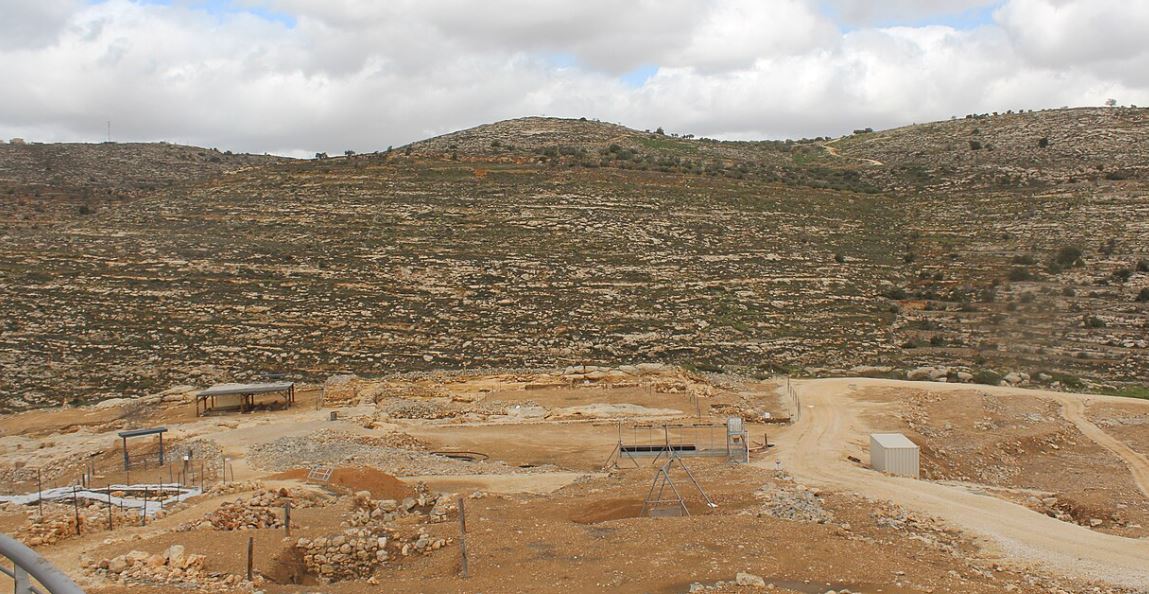
Hullin 18: Serration, Cartilage, and the Stringencies of Babylonia
05.18.2026 | ב׳ בסיון תשפ״ו
Hullin 15: Shechting and Cooking on Shabbat: A Decree against Temptation
05.15.2026 | כ״ח באייר תשפ״ו
New to Talmud?
Check out our resources designed to help you navigate a page of Talmud – and study at the pace, level and style that fits you.
The Hadran Women’s Tapestry
Meet the diverse women learning Gemara at Hadran and hear their stories.
Hearing and reading about the siyumim at the completion of the 13 th cycle Daf Yomi asked our shul rabbi about starting the Daf – he directed me to another shiur in town he thought would allow a woman to join, and so I did! Love seeing the sources for the Divrei Torah I’ve been hearing for the past decades of living an observant life and raising 5 children .

Jill Felder
Pittsburgh, Pennsylvania, United States
The first month I learned Daf Yomi by myself in secret, because I wasn’t sure how my husband would react, but after the siyyum on Masechet Brachot I discovered Hadran and now sometimes my husband listens to the daf with me. He and I also learn mishnayot together and are constantly finding connections between the different masechtot.
Laura Warshawsky
Silver Spring, Maryland, United States
I started learning at the beginning of the cycle after a friend persuaded me that it would be right up my alley. I was lucky enough to learn at Rabbanit Michelle’s house before it started on zoom and it was quickly part of my daily routine. I find it so important to see for myself where halachot were derived, where stories were told and to get more insight into how the Rabbis interacted.

Deborah Dickson
Ra’anana, Israel
I started the daf at the beginning of this cycle in January 2020. My husband, my children, grandchildren and siblings have been very supportive. As someone who learned and taught Tanach and mefarshim for many years, it has been an amazing adventure to complete the six sedarim of Mishnah, and now to study Talmud on a daily basis along with Rabbanit Michelle and the wonderful women of Hadran.

Rookie Billet
Jerusalem, Israel
After enthusing to my friend Ruth Kahan about how much I had enjoyed remote Jewish learning during the earlier part of the pandemic, she challenged me to join her in learning the daf yomi cycle. I had always wanted to do daf yomi but now had no excuse. The beginning was particularly hard as I had never studied Talmud but has become easier, as I have gained some familiarity with it.

Susan Vishner
Brookline, United States
I started at the beginning of this cycle. No 1 reason, but here’s 5.
In 2019 I read about the upcoming siyum hashas.
There was a sermon at shul about how anyone can learn Talmud.
Talmud references come up when I am studying. I wanted to know more.
Yentl was on telly. Not a great movie but it’s about studying Talmud.
I went to the Hadran website: A new cycle is starting. I’m gonna do this

Denise Neapolitan
Cambridge, United Kingdom
At almost 70 I am just beginning my journey with Talmud and Hadran. I began not late, but right when I was called to learn. It is never too late to begin! The understanding patience of staff and participants with more experience and knowledge has been fabulous. The joy of learning never stops and for me. It is a new life, a new light, a new depth of love of The Holy One, Blessed be He.

Deborah Hoffman-Wade
Richmond, CA, United States
“I got my job through the NY Times” was an ad campaign when I was growing up. I can headline “I got my daily Daf shiur and Hadran through the NY Times”. I read the January 4, 2020 feature on Reb. Michelle Farber and Hadran and I have been participating ever since. Thanks NY Times & Hadran!

Deborah Aschheim
New York, United States
In early January of 2020, I learned about Siyyum HaShas and Daf Yomi via Tablet Magazine’s brief daily podcast about the Daf. I found it compelling and fascinating. Soon I discovered Hadran; since then I have learned the Daf daily with Rabbanit Michelle Cohen Farber. The Daf has permeated my every hour, and has transformed and magnified my place within the Jewish Universe.

Lisa Berkelhammer
San Francisco, CA , United States
In early 2020, I began the process of a stem cell transplant. The required extreme isolation forced me to leave work and normal life but gave me time to delve into Jewish text study. I did not feel isolated. I began Daf Yomi at the start of this cycle, with family members joining me online from my hospital room. I’ve used my newly granted time to to engage, grow and connect through this learning.

Reena Slovin
Worcester, United States
I decided to learn one masechet, Brachot, but quickly fell in love and never stopped! It has been great, everyone is always asking how it’s going and chering me on, and my students are always making sure I did the day’s daf.
Yafit Fishbach
Memphis, Tennessee, United States
I had never heard of Daf Yomi and after reading the book, The Weight of Ink, I explored more about it. I discovered that it was only 6 months before a whole new cycle started and I was determined to give it a try. I tried to get a friend to join me on the journey but after the first few weeks they all dropped it. I haven’t missed a day of reading and of listening to the podcast.

Anne Rubin
Elkins Park, United States
I started learning Daf Yomi because my sister, Ruth Leah Kahan, attended Michelle’s class in person and suggested I listen remotely. She always sat near Michelle and spoke up during class so that I could hear her voice. Our mom had just died unexpectedly and it made me feel connected to hear Ruth Leah’s voice, and now to know we are both listening to the same thing daily, continents apart.

Jessica Shklar
Philadelphia, United States
Years ago, I attended the local Siyum HaShas with my high school class. It was inspiring! Through that cycle and the next one, I studied masekhtot on my own and then did “daf yomi practice.” The amazing Hadran Siyum HaShas event firmed my resolve to “really do” Daf Yomi this time. It has become a family goal. We’ve supported each other through challenges, and now we’re at the Siyum of Seder Moed!

Elisheva Brauner
Jerusalem, Israel
I read Ilana Kurshan’s “If All the Seas Were Ink” which inspired me. Then the Women’s Siyum in Jerusalem in 2020 convinced me, I knew I had to join! I have loved it- it’s been a constant in my life daily, many of the sugiyot connect to our lives. My family and friends all are so supportive. It’s incredible being part of this community and love how diverse it is! I am so excited to learn more!

Shira Jacobowitz
Jerusalem, Israel
I began learning the daf in January 2022. I initially “flew under the radar,” sharing my journey with my husband and a few close friends. I was apprehensive – who, me? Gemara? Now, 2 years in, I feel changed. The rigor of a daily commitment frames my days. The intellectual engagement enhances my knowledge. And the virtual community of learners has become a new family, weaving a glorious tapestry.

Gitta Jaroslawicz-Neufeld
Far Rockaway, United States
With Rabbanit Dr. Naomi Cohen in the Women’s Talmud class, over 30 years ago. It was a “known” class and it was accepted, because of who taught. Since then I have also studied with Avigail Gross-Gelman and Dr. Gabriel Hazut for about a year). Years ago, in a shiur in my shul, I did know about Persians doing 3 things with their clothes on. They opened the shiur to woman after that!

Sharon Mink
Haifa, Israel
I started the daf at the beginning of this cycle in January 2020. My husband, my children, grandchildren and siblings have been very supportive. As someone who learned and taught Tanach and mefarshim for many years, it has been an amazing adventure to complete the six sedarim of Mishnah, and now to study Talmud on a daily basis along with Rabbanit Michelle and the wonderful women of Hadran.
Rookie Billet
Jerusalem, Israel
I’ve been studying Talmud since the ’90s, and decided to take on Daf Yomi two years ago. I wanted to attempt the challenge of a day-to-day, very Jewish activity. Some days are so interesting and some days are so boring. But I’m still here.

Wendy Rozov
Phoenix, AZ, United States
My Daf journey began in August 2012 after participating in the Siyum Hashas where I was blessed as an “enabler” of others. Galvanized into my own learning I recited the Hadran on Shas in January 2020 with Rabbanit Michelle. That Siyum was a highlight in my life. Now, on round two, Daf has become my spiritual anchor to which I attribute manifold blessings.

Rina Goldberg
Englewood NJ, United States
Chullin 44
מֵחוּמְרֵי בֵּית שַׁמַּאי וּמֵחוּמְרֵי בֵּית הִלֵּל – עָלָיו הַכָּתוּב אוֹמֵר: ״הַכְּסִיל בַּחוֹשֶׁךְ הוֹלֵךְ״. אֶלָּא אִי כְּבֵית שַׁמַּאי – כְּקוּלֵּיהֶן וּכְחוּמְרֵיהֶן, אִי כְּבֵית הִלֵּל – כְּקוּלֵּיהֶן וּכְחוּמְרֵיהֶן.
And one who wishes to adopt both the stringencies of Beit Shammai and the stringencies of Beit Hillel, with regard to him the verse states: “The fool walks in darkness” (Ecclesiastes 2:14). Rather, one should act either in accordance with Beit Shammai, following both their leniencies and their stringencies, or in accordance with Beit Hillel, following both their leniencies and their stringencies.
הָא גּוּפַאּ קַשְׁיָא, אָמְרַתְּ: לְעוֹלָם הֲלָכָה כְּדִבְרֵי בֵּית הִלֵּל, וַהֲדַר תָּנֵי: וְהָרוֹצֶה לַעֲשׂוֹת כְּדִבְרֵי בֵּית שַׁמַּאי יַעֲשֶׂה!
The Gemara objects to the wording of the baraita: This baraita itself is difficult. First you say that the halakha is always in accordance with the statement of Beit Hillel, and then you teach that one who wishes to act in accordance with the statement of Beit Shammai may do so.
לָא קַשְׁיָא, כָּאן – קוֹדֶם בַּת קוֹל, כָּאן – לְאַחַר בַּת קוֹל.
The Gemara responds: This is not difficult. Here, the statement that a person may act as he wishes was made before the Divine Voice emerged and announced that the halakha is always in accordance with Beit Hillel. There, the statement that the halakha is always in accordance with Beit Hillel was made after the Divine Voice issued this ruling.
וְאִי בָּעֵית אֵימָא, אַף לְאַחַר בַּת קוֹל, וְרַבִּי יְהוֹשֻׁעַ הִיא, דְּאָמַר: אֵין מַשְׁגִּיחִין בְּבַת קוֹל.
And if you wish, say instead that even the statement that a person may act as he wishes was made after the Divine Voice announced that the halakha is in accordance with Beit Hillel, and this statement is in accordance with the opinion of Rabbi Yehoshua, who says: One disregards a Divine Voice that attempts to intervene in matters of halakha. According to him, the dispute between Beit Shammai and Beit Hillel has not yet been decided.
מִכׇּל מָקוֹם, קַשְׁיָא.
The Gemara notes: In any case, Rava’s ruling is difficult. How could he rule in accordance with two contradictory stringencies in order to deem the animal a tereifa?
אָמַר רַב טָבוּת: כּוּלַּהּ כְּרַב עַבְדַהּ, דְּכִי אֲתָא רָמֵי בַּר יְחֶזְקֵאל אָמַר: לָא תְּצִיתוּ לְהוּ לְהָנֵי כְּלָלֵי דְּכָיֵיל יְהוּדָה אֲחִי מִשְּׁמֵיהּ דְּרַב! הָכִי אָמַר רַב: וֶושֶׁט נָתְנוּ [בּוֹ] חֲכָמִים שִׁיעוּר, מִכְּלָל דְּתוּרְבַּץ הַוֶּושֶׁט לָאו מְקוֹם שְׁחִיטָה הוּא, וְקָאָמַר בְּמַשֶּׁהוּ.
Rav Tavut said: Rava acted entirely in accordance with the opinion of Rav. As when Rami bar Yeḥezkel came, he said: Do not listen to those principles that Rav Yehuda, my brother, formulated in the name of Rav. Although Rav holds that a perforation of any part of the entrance of the gullet renders an animal a tereifa, this is not because it is a location fit for slaughter. Rather, this is what Rav said: The Sages gave a measure defining the portion of the gullet that is valid for slaughter. By inference, one learns that the entrance of the gullet is not a location fit for slaughter. And nevertheless, he says that a perforation in any amount renders the animal a tereifa.
לְמַעְלָה עַד כַּמָּה? אָמַר רַב נַחְמָן: עַד כְּדֵי תְּפִיסַת יָד. לְמַטָּה עַד כַּמָּה? אָמַר רַב נַחְמָן אָמַר רַבָּה בַּר אֲבוּהּ: עַד כְּדֵי שֶׁיַּשְׂעִיר.
Since it was mentioned that the Sages gave a measure defining the portion of the gullet that is valid for slaughter, the Gemara asks: How far up the gullet is the upper boundary for valid slaughter? Rav Naḥman said: It is until the point that there remains only sufficient space for a hand to grip the gullet. The Gemara asks: How far down is the lower boundary? Rav Naḥman said that Rabba bar Avuh said: Until the gullet becomes hairy, i.e., until the opening of the rumen, whose lining is hairy.
אִינִי? וְהָאָמַר רָבִינָא אָמַר גְּנִיבָא מִשְּׁמֵיהּ דְּרַב: טֶפַח בַּוֶּושֶׁט סָמוּךְ לַכָּרֵס – זֶהוּ כָּרֵס הַפְּנִימִי. אַמַּאי? כִּי קָא שָׁחֵט בְּכָרֵס קָא שָׁחֵיט!
The Gemara asks: Is that so? But doesn’t Ravina say that Geneiva says in the name of Rav: The lowermost handbreadth in the gullet, adjacent to the rumen, this is the inner rumen? If so, why does Rav Naḥman permit slaughter until the opening of the rumen? When one slaughters within the bottom handbreadth, he is slaughtering in the rumen, and his slaughter should be invalid.
אֵימָא: טֶפַח בְּכָרֵס סָמוּךְ לַוֶּושֶׁט – זֶהוּ כָּרֵס הַפְּנִימִי. אִיבָּעֵית אֵימָא: כִּי קָאָמַר רַב – בְּתוֹרָא, דְּמַשְׂעַר טְפֵי.
Rather, say that Rav’s statement should be amended, as follows: The uppermost handbreadth in the rumen, adjacent to the gullet, this is the inner rumen, which is not a valid location for slaughter. By contrast, the lowermost handbreadth of the gullet is a valid location for slaughter. And if you wish, say instead that when Rav says that the lowermost handbreadth of the gullet is considered the rumen, he is referring specifically to a bull, which is especially hairy, and hairs appear even within the lowermost handbreadth of the gullet itself. By contrast, in other animals, the entire lower gullet is a valid location for slaughter.
אָמַר רַב נַחְמָן אָמַר שְׁמוּאֵל: תּוּרְבַּץ הַוֶּושֶׁט שֶׁנִּיטַּל כּוּלּוֹ מִלֶּחִי – כָּשֵׁר, וּתְנָא תּוּנָא: נִיטַּל לֶחִי הַתַּחְתּוֹן – כָּשֵׁר.
§ Rav Naḥman says that Shmuel says: If the entrance of the gullet was completely detached from the jaw, the animal is kosher. And the tanna of the mishna also taught this later (54a): If the lower jaw was detached entirely, it is kosher.
מַתְקֵיף לַהּ רַב פָּפָּא: וְהָאִיכָּא עִיקּוּר סִימָנִים?
Rav Pappa objects to this: How can Shmuel say that if the entrance of the gullet is detached the animal is kosher? But isn’t there ripping of the simanim, the gullet and the windpipe, from their place? This should render the animal a tereifa.
וּלְרַב פָּפָּא קַשְׁיָא מַתְנִיתִין: נִיטַּל לֶחִי הַתַּחְתּוֹן – כָּשֵׁר.
The Gemara interjects: But according to Rav Pappa, the mishna is difficult as well, since it states: If the lower jaw was detached, it is kosher. If the lower jaw is detached, the windpipe and gullet will necessarily be detached as well, since they are attached to it.
בִּשְׁלָמָא מַתְנִיתִין לְרַב פָּפָּא לָא קַשְׁיָא, הָא דְּאִיעֲקוּר אִיעֲקוֹרֵי, הָא דְּאִיגּוּם אִיגּוֹמֵי מֵעִילָּוֵי סִימָנִים, אֶלָּא לִשְׁמוּאֵל קַשְׁיָא!
The Gemara responds: Granted, the mishna is not difficult for Rav Pappa. This halakha, that the ripping of the simanim renders the animal a tereifa, applies only when the simanim are completely ripped from the jaw. That statement of the mishna, that an animal whose jaw is detached is kosher, is referring to a case where the lower jaw is severed above its connection to the simanim, which themselves remain connected to the remaining flesh of the jaw. But the halakha that the ripping of the simanim renders the animal a tereifa is difficult for Shmuel. How can an animal remain kosher when the entrance of its gullet is removed, if this entails the ripping of the simanim?
לָא תֵּימָא כּוּלּוֹ, אֶלָּא אֵימָא רוּבּוֹ.
The Gemara responds: Do not say that Shmuel deems the animal kosher if the entrance of the gullet was completely detached. Rather, say that he deems it kosher only if it was mostly detached.
וְהָאָמַר רַבָּה בַּר בַּר חָנָה אָמַר שְׁמוּאֵל: סִימָנִים שֶׁנִּדַּלְדְּלוּ בְּרוּבָּן – טְרֵפָה? אָמַר רַב שִׁישָׁא בְּרֵיהּ דְּרַב אִידִי: הָא דְּאִקְּפַל אִיקְּפוֹלֵי, הָתָם דְּאִפְּרוּק אִפְּרוֹקֵי.
The Gemara asks: But doesn’t Rabba bar bar Ḥana say that Shmuel says: Simanim that were detached in their majority render the animal a tereifa? Rav Sheisha, son of Rav Idi, said: This statement of Shmuel, that the animal is kosher even if the simanim are mostly detached, applies only to a case in which the entrance of the gullet was peeled off from the flesh of the jaw, such that the connected tissue is concentrated in one area. In such a case, the animal might recover. There, where Shmuel deems the animal a tereifa, he is referring to a case in which the simanim were forcibly separated [de’ippruk ipprukei] from the jaw and are connected only by a few discontinuous pieces of flesh. In such a case the animal cannot recover.
וּפְסוּקַת הַגַּרְגֶּרֶת. תָּנָא: כַּמָּה פְּסוּקַת הַגַּרְגֶּרֶת? בְּרוּבָּהּ. וְכַמָּה רוּבָּה? רַב אָמַר:
§ The mishna states: Or an animal with a cut windpipe, cut across its width, is a tereifa. With regard to this the Sages taught: How much must the windpipe be cut to render the animal a tereifa? In its majority. And how much is its majority? Rav says:
רוֹב עוֹבְיָהּ, וְאָמְרִי לַהּ: רוֹב חֲלָלָה.
The majority of its width, counting the width of the wall of the windpipe itself, the thickness of which is uneven. And some say that Rav says: The majority of its space, the inner area of the cross section of the windpipe, not counting the width of the windpipe wall.
הָהִיא פְּסוּקַת הַגַּרְגֶּרֶת דַּאֲתַאי לְקַמֵּיהּ דְּרַב, יָתֵיב וְקָא בָּדֵיק לַהּ בְּרוֹב עוֹבְיָהּ. אֲמַרוּ לֵיהּ רַב כָּהֲנָא וְרַב אַסִּי לְרַב: לִימַּדְתָּנוּ רַבֵּינוּ בְּרוֹב חֲלָלָהּ! שַׁדְּרֵיהּ לְקַמֵּיהּ דְּרַבָּה בַּר בַּר חָנָה, בַּדְקַהּ בְּרוֹב חֲלָלָהּ וְאַכְשְׁרַהּ, וּזְבַן מִינַּהּ בִּתְלֵיסַר אִיסְתֵּירֵי פְּשִׁיטֵי בִּישְׂרָא.
The Gemara recounts: There was a certain animal with a cut windpipe that came before Rav, i.e., it was brought for inspection to decide whether it was kosher. Rav was sitting and checking it to see if the windpipe had been cut in the majority of its width. Rav Kahana and Rav Asi said to Rav: Didn’t you teach us, our teacher, that a cut windpipe is measured by the majority of its space? Rav sent the animal before Rabba bar bar Ḥana, who checked it in the majority of its space and deemed it kosher, and purchased meat from it at the price of thirteen plain istera coins.
וְהֵיכִי עָבֵיד הָכִי? וְהָתַנְיָא: חָכָם שֶׁטִּימֵּא – אֵין חֲבֵירוֹ רַשַּׁאי לְטַהֵר, אָסַר – אֵין חֲבֵירוֹ רַשַּׁאי לְהַתִּיר! שָׁאנֵי הָכָא, דְּרַב לָא אֲסַר מֵיסָר.
The Gemara asks: And how could Rabba bar bar Ḥana do this, i.e., deem permitted an animal that Rav was going to deem prohibited? But isn’t it taught in a baraita: If a halakhic authority deemed an item impure, another halakhic authority is not allowed to deem it pure; likewise, if he prohibited it, another authority is not allowed to permit it? The Gemara responds: It is different here, since Rav did not actually prohibit the animal. He merely considered doing so, but he sent it to Rabba bar bar Ḥana before issuing a formal ruling.
וְכֵיוָן דְּאוֹרִי בַּהּ חָכָם, הֵיכִי אֲכַל מִינַּהּ? וְהָא כְּתִיב: ״וָאֹמַר אֲהָהּ ה׳ אֱלֹהִים הִנֵּה נַפְשִׁי לֹא מְטֻמָּאָה וּנְבֵלָה וּטְרֵפָה לֹא אָכַלְתִּי מִנְּעוּרַי וְעַד עַתָּה וְלֹא בָא בְּפִי בְּשַׂר פִּגּוּל״.
The Gemara asks: And once a halakhic authority has ruled with regard to the animal, even to permit it, how could Rabba bar bar Ḥana eat from it? But isn’t it written: “Then I said: Alas, Lord God, my soul has not become impure; and from my youth until now I have not eaten an unslaughtered carcass, or a tereifa; and no piggul flesh came into my mouth” (Ezekiel 4:14).
״הִנֵּה נַפְשִׁי לֹא מְטֻמָּאָה״ – שֶׁלֹּא הִרְהַרְתִּי בַּיּוֹם לָבֹא לִידֵי טוּמְאָה בַּלַּיְלָה, ״וּנְבֵלָה וּטְרֵפָה לֹא אָכַלְתִּי״ – שֶׁלֹּא אָכַלְתִּי בְּשַׂר ״כּוֹס כּוֹס״ מֵעוֹלָם, ״וְלֹא בָא בְּפִי בְּשַׂר פִּגּוּל״ – שֶׁלֹּא אָכַלְתִּי מִבְּהֵמָה שֶׁהוֹרָה בָּהּ חָכָם. מִשּׁוּם רַבִּי נָתָן אָמְרוּ: שֶׁלֹּא אָכַלְתִּי מִבְּהֵמָה שֶׁלֹּא הוּרְמוּ מַתְּנוֹתֶיהָ.
The Sages interpreted the verse as follows: “My soul has not been become impure” means that I did not think of sexual thoughts during the day so as to come to the impurity of a seminal emission at night. “I have not eaten an unslaughtered carcass, or a tereifa” means that I never ate the flesh of an animal that was in danger of imminent death, leading one to say: Slaughter it, slaughter it quickly, before it dies. “And no piggul flesh came into my mouth,” means that I never ate from an animal with regard to which there was uncertainty whether it is prohibited and a Sage issued a ruling to permit it. The Sages said in the name of Rabbi Natan: The phrase means that I never ate from an animal from which the gifts of the priesthood, the foreleg, jaw, and abomasum, were not separated. The above acts are technically permitted but unseemly. How, then, could Rabba bar bar Ḥana consume the meat of this animal?
הָנֵי מִילֵּי – מִילְּתָא דְתַלְיָא בִּסְבָרָא, רַבָּה בַּר בַּר חָנָה אַגְּמָרֵיהּ סְמַךְ.
The Gemara responds: This statement, that it is unseemly for a halakhic authority to rely on his own ruling to permit the meat, applies only to a matter that depends on reasoning. Rabba bar bar Ḥana relied on his learning, i.e., a received tradition. There is nothing unseemly about relying upon a received tradition.
וְתִיפּוֹק לֵיהּ מִשּׁוּם חֲשָׁדָא, דְּתַנְיָא: דָּן אֶת הַדִּין, זִיכָּה וְחַיָּיב, טִימֵּא וְטִיהֵר, אָסַר וְהִתִּיר, וְכֵן הָעֵדִים שֶׁהֵעִידוּ – כּוּלָּן רַשָּׁאִין לִיקַּח, אֲבָל אָמְרוּ חֲכָמִים: הַרְחֵק מִן הַכִּיעוּר וּמִן הַדּוֹמֶה לוֹ.
The Gemara objects: But let one derive that Rabba bar bar Ḥana should not have purchased the meat due to suspicion, as it is taught in a baraita: If one issued a judgment, acquitted or convicted, deemed impure or pure, prohibited or permitted; or if witnesses testified with regard to a case, in all of these instances the judges or witnesses are allowed to purchase the item that they deemed permitted. But the Sages said: Distance yourself from unseemliness and from things similar to it. If so, Rabba bar bar Ḥana should not have purchased the meat that he himself permitted.
הָנֵי מִילֵּי מִידֵּי דִּמְזַבֵּין מִשּׁוּמָא, הָכָא מַתְקְלָא מוֹכַח, כִּי הָא דְּרַבָּה שְׁרָא טְרֵפְתָּא וּזְבַן מִינַּהּ בִּישְׂרָא, אֲמַרָה לֵיהּ בַּת רַב חִסְדָּא: אַבָּא שָׁרֵי בּוּכְרָא וְלָא זָבֵן מִינֵּיהּ בִּישְׂרָא.
The Gemara responds: This statement applies only to an item that is sold based on an appraisal of its value and not by standard measure. In such cases onlookers might suspect that the judge is receiving a favorable price in return for his judgment. But here, the weight of the meat proves that the judge is not receiving a discount, but is paying the standard price. This is like that incident where Rabba permitted a possible tereifa for consumption and bought meat from it. His wife, the daughter of Rav Ḥisda, said to him: Father permitted a firstborn animal, declaring that it possessed a blemish that renders it permitted for consumption, but did not buy meat from it. Why are you acting differently?
אֲמַר לַהּ: הָנֵי מִילֵּי בּוּכְרָא דְּאַשּׁוּמָא מִזְדְּבַן, הָכָא מַתְקְלָא מוֹכַח, מַאי אִיכָּא – מִשּׁוּם אוּמְצָא מְעַלַּיְיתָא? כֹּל יוֹמָא אוּמְצָא מְעַלַּיְיתָא זַבִּנוּ לִי.
Rabba said to her: That matter applies to a firstborn, which is sold based on appraisal of its value. Here, the weight of the meat proves that I am paying the standard price and not unfairly deriving benefit from my judgment. What suspicion is there in this case? Will people suspect me because I received a superior piece of meat? Every day they sell me a superior piece of meat.
אָמַר רַב חִסְדָּא: אֵיזֶהוּ תַּלְמִיד חָכָם? זֶה הָרוֹאֶה טְרֵפָה לְעַצְמוֹ. וְאָמַר רַב חִסְדָּא: אֵיזֶהוּ ״שׂוֹנֵא מַתָּנֹת יִחְיֶה״? זֶה הָרוֹאֶה טְרֵפָה לְעַצְמוֹ.
The Gemara cites an aphorism: Rav Ḥisda says: Who is a Torah scholar? This is one who sees his own tereifa. In other words, when the status of his own animal is uncertain, he deems it prohibited without concern for his own monetary loss. And Rav Ḥisda says: Who is referred to by the verse: “He that hates gifts shall live” (Proverbs 15:27)? This is one who sees his own tereifa. He is careful to avoid deriving benefit from that which is not his own, and even from items that are his concerning which it is questionable whether or not they are permitted.
דָּרֵשׁ מָר זוּטְרָא מִשְּׁמֵיהּ דְּרַב חִסְדָּא: כׇּל מִי שֶׁקּוֹרֵא וְשׁוֹנֶה, וְרוֹאֶה טְרֵפָה לְעַצְמוֹ, וְשִׁימֵּשׁ תַּלְמִידֵי חֲכָמִים – עָלָיו הַכָּתוּב אוֹמֵר: ״יְגִיעַ כַּפֶּיךָ כִּי תֹאכֵל אַשְׁרֶיךָ וְטוֹב לָךְ״. רַב זְבִיד אָמַר: זוֹכֶה וְנוֹחֵל שְׁנֵי עוֹלָמוֹת, הָעוֹלָם הַזֶּה וְהָעוֹלָם הַבָּא, ״אַשְׁרֶיךָ״ – בְּעוֹלָם הַזֶּה, ״וְטוֹב לָךְ״ – לָעוֹלָם הַבָּא.
Mar Zutra taught in the name of Rav Ḥisda: Anyone who reads the Torah and studies the Mishna, and sees his own tereifa, and has served Torah scholars to learn the ways of halakhic judgment, about him the verse states: “When you eat the labor of your hands, happy shall you be, and it shall be well with you” (Psalms 128:2). Rav Zevid says: Such a person merits inheriting two worlds, this world and the World-to-Come. When the verse states: “Happy shall you be,” it means in this world, and when it states: “And it shall be well with you,” it is referring to the World-to-Come.
רַבִּי אֶלְעָזָר, כִּי הֲווֹ מְשַׁדְּרִי לֵיהּ מִבֵּי נְשִׂיאָה מִידֵּי, לָא שָׁקֵיל, וְכִי הֲווֹ מְזַמְּנִי לֵיהּ, לָא אָזֵיל. אָמַר: לָא קָא בָּעֵי מָר דְּאֵיחֵי? דִּכְתִיב: ״וְשׂוֹנֵא מַתָּנוֹת יִחְיֶה״. רַבִּי זֵירָא, כִּי מְשַׁדְּרִי לֵיהּ, לָא שָׁקֵיל, כִּי הֲווֹ מַזְמְנִין לֵיהּ, אָזֵיל. אֲמַר:
With regard to the verse: “He that hates gifts shall live,” the Gemara relates that when they would send Rabbi Elazar some gift from the house of the Nasi, he would not take it. And when they would invite him, he would not go there. When declining these offers, he said to them: Does Master not desire that I live? As it is written: “He that hates gifts shall live.” By contrast, when they would send a gift to Rabbi Zeira, he would not take it, but when they would invite him he would go. He said in explanation:
Follow

