










Details regarding broken bones – in which cases does it create a treifa? Is the placenta of an animal permitted through laws of pen pekua? Under what circumstances? There is a discussion regarding superstitions and when they are forbidden/permitted.
Masechet Chullin is sponsored by Judi Felber in honor of the Hadran Community. “During my first cycle of Daf Yomi, just as we began Masechet Chullin, my son was injured while serving in the IDF. Throughout those two and a half months of difficulty and uncertainty, my fellow learners never left my side. With profound gratitude to the community that held me, encouraged me, and ensured I could keep up with the Daf during those trying times.”
This week’s learning is sponsored by Sara Averick in loving memory of her mother, Leah Shifrin Averick, לאה בת יהודה לייב חייקל וחיה מאשה. “She infused her many descendants with her love for Torah, Israel and the Jewish people.”
This week’s learning is sponsored by Ellen Cherrick in loving memory of her mother, Udy Katz Cherrick, z”l, on her 13th yahrzeit.
Want to dedicate learning? Get started here:
English
עברית

0:00
0:00
0:00
0:00
Today’s daily daf tools:
Masechet Chullin is sponsored by Judi Felber in honor of the Hadran Community. “During my first cycle of Daf Yomi, just as we began Masechet Chullin, my son was injured while serving in the IDF. Throughout those two and a half months of difficulty and uncertainty, my fellow learners never left my side. With profound gratitude to the community that held me, encouraged me, and ensured I could keep up with the Daf during those trying times.”
This week’s learning is sponsored by Sara Averick in loving memory of her mother, Leah Shifrin Averick, לאה בת יהודה לייב חייקל וחיה מאשה. “She infused her many descendants with her love for Torah, Israel and the Jewish people.”
This week’s learning is sponsored by Ellen Cherrick in loving memory of her mother, Udy Katz Cherrick, z”l, on her 13th yahrzeit.
Chullin 77
נִמְנִין עֲלֵיהֶן בַּפֶּסַח, וְעוֹד, הַתּוֹרָה חָסָה עַל מָמוֹנָן שֶׁל יִשְׂרָאֵל.
one may be registered as part of a group that will eat the Paschal offering on their account, i.e., even if those sinews are the only part of the lamb he will eat. Evidently, such sinews are regarded as flesh. And furthermore, the Torah spared the money of the Jewish people, and one must tend toward leniency.
אֲמַר לֵיהּ רַב פָּפָּא לְרַבָּה: רַבִּי שִׁמְעוֹן בֶּן לָקִישׁ, וְאִיסּוּרָא דְּאוֹרָיְיתָא, וְאַתְּ אָמְרַתְּ: מַאי לֵיחוּשׁ לְהוּ?! אִישְׁתִּיק.
Rav Pappa said to Rabba: But Rabbi Shimon ben Lakish disagrees with Rabbi Yoḥanan and holds that one may not be registered for those sinews, as they will eventually harden and are therefore not considered flesh. And therefore, the broken bone in this case is not covered by flesh and the animal is prohibited by Torah law as a tereifa, and yet you say: What concern is there with the sinews in this case? Rabba was silent.
וְאַמַּאי אִישְׁתִּיק? וְהָאָמַר רָבָא: הִלְכְתָא כְּוָותֵיהּ דְּרַבִּי שִׁמְעוֹן בֶּן לָקִישׁ בְּהָנֵי תְּלָת!
The Gemara asks: And why was Rabba silent? But doesn’t Rava say that the halakha is in accordance with the opinion of Rabbi Shimon ben Lakish in his disputes with Rabbi Yoḥanan only with regard to these three matters, i.e., three matters that are mentioned in Yevamot 36a, and not in other cases? If so, Rabba could simply have replied that the halakha is not in accordance with the opinion of Rabbi Shimon ben Lakish with regard to this issue.
שָׁאנֵי הָכָא, דַּהֲדַר בֵּיהּ רַבִּי יוֹחָנָן לְגַבֵּיהּ דְּרַבִּי שִׁמְעוֹן בֶּן לָקִישׁ, דַּאֲמַר לֵיהּ: אַל תַּקְנִיטֵנִי, בִּלְשׁוֹן יָחִיד אֲנִי שׁוֹנֶה אוֹתָהּ.
The Gemara answers: Here, with regard to sinews that will ultimately harden, it is different, as Rabbi Yoḥanan retracted his ruling in favor of the opinion of Rabbi Shimon ben Lakish, as when Rabbi Shimon ben Lakish raised a difficulty against Rabbi Yoḥanan’s opinion, Rabbi Yoḥanan said to him: Do not provoke me by asking questions to refute my opinion that the fact that the sinews will ultimately harden is disregarded, as I teach it in explanation of a lone opinion (see Pesaḥim 84a). Even Rabbi Yoḥanan conceded that the opinion he expressed was only according to one Sage, but is not the halakha.
הָהוּא נִשְׁבַּר הָעֶצֶם וְיָצָא לַחוּץ, דְּאִישְׁתְּקִיל קוּרְטִיתָא מִינֵּיהּ, אֲתָא לְקַמֵּיהּ דְּאַבָּיֵי, שַׁהֲיֵיהּ תְּלָתָא רִיגְלֵי.
The Gemara relates: There was a certain case in which a bone in an animal’s leg broke and protruded outward. This bone was mostly covered with flesh and skin, but a small piece [kurtita] of the bone had been removed from it. The case came before Abaye, who delayed his response until three pilgrimage Festivals had passed, when the Sages gathered together and he could ask them.
אֲמַר לֵיהּ רַב אַדָּא בַּר מַתְנָא: זִיל קַמֵּיהּ דְּרָבָא בְּרֵיהּ דְּרַב יוֹסֵף בַּר חָמָא, דַּחֲרִיפָא סַכִּינֵיהּ. אֲתָא לְקַמֵּיהּ, אֲמַר: מִכְּדֵי ״נִשְׁבַּר הָעֶצֶם וְיָצָא לַחוּץ״ תְּנַן, מָה לִי נְפַל, מָה לִי אִיתֵיהּ?
Rav Adda bar Mattana said to the owner of the animal: Go before Rava, son of Rav Yosef bar Ḥama, whose knife is sharp, i.e., he has insight into halakhic matters and decides matters quickly, and ask him to decide your case. The owner came before Rava to seek his opinion. Rava said to him: Since we learned in the baraita (76b): If the bone broke and protruded outward, if skin and flesh cover a majority of the bone the animal is permitted, what difference is there to me if the bone fell out, and what difference is there to me if it is in its place? In either case, the animal is permitted.
אֲמַר לֵיהּ רָבִינָא לְרָבָא: מִתְלַקֵּט מַהוּ? מִתְרוֹסֵס מַהוּ? מִתְמַסְמֵס מַהוּ? הֵיכִי דָּמֵי מִתְמַסְמֵס? אָמַר רַב הוּנָא בְּרֵיהּ דְּרַב יְהוֹשֻׁעַ: כֹּל שֶׁהָרוֹפֵא קוֹדְרוֹ.
With regard to a case where flesh covers the majority of a broken bone, Ravina said to Rava: If the flesh was torn in pieces and spread over the area, and if gathered it would constitute a majority, what is the halakha? Similarly, if the flesh was pulverized and thin, what is the halakha? If it was decomposed, what is the halakha? The Gemara asks: What are the circumstances of this case in which the flesh is decomposed? Rav Huna, son of Rav Yehoshua, said: This is referring to any kind of flesh that the doctor cuts away [kodro] and removes to enable the surrounding area to heal.
אִיבַּעְיָא לְהוּ: נִיקַּב מַהוּ? נִקְלַף מַהוּ? נִסְדַּק מַהוּ? נִיטַּל שְׁלִישׁ הַתַּחְתּוֹן מַהוּ?
A dilemma was raised before the Sages: If the flesh that covers the bone was perforated, what is the halakha? Likewise, if the flesh was peeled off the bone, what is the halakha? If it was cracked, what is the halakha? If the bottom third of the width of the flesh, i.e., the part that is adjacent to the bone, was removed, what is the halakha?
תָּא שְׁמַע, דְּאָמַר עוּלָּא אָמַר רַבִּי יוֹחָנָן: עוֹר הֲרֵי הוּא כְּבָשָׂר, דִּלְמָא דִּקְנָה מַשְׁכָּא דִּידֵיהּ.
The Gemara suggests: Come and hear, as Ulla says that Rabbi Yoḥanan says: Skin is like flesh. This would appear to indicate that any covering is sufficient. The Gemara refutes this proof: Perhaps Rabbi Yoḥanan was referring to a specific case where there was never flesh on the bone, but only skin, e.g., adjacent to the knee, where the skin holds its own place close to the bone. This ruling may not apply in an area where there was flesh. Perhaps in such a place the bone must be covered by flesh that is still healthy.
אָמַר רַב אָשֵׁי: כִּי הֲוֵינַן בֵּי רַב פַּפֵּי, אִיבַּעְיָא לַן: נִקְדַּר כְּמִין טַבַּעַת, מַהוּ? וּפְשַׁטְנָא מֵהָא דְּאָמַר רַב יְהוּדָה אָמַר רַב: דָּבָר זֶה שָׁאַלְתִּי לַחֲכָמִים וְלָרוֹפְאִים, וְאָמְרוּ: מְסָרְטוֹ בְּעֶצֶם וּמַעֲלֶה אֲרוּכָה, אֲבָל פַּרְזְלָא מִזְרָף זָרֵיף. אָמַר רַב פָּפָּא: וְהוּא דִּקְנָה גַּרְמָא דִּידֵיהּ.
Rav Ashi said: While we were studying in Rav Pappi’s study hall, we raised a dilemma: If the flesh and skin were cut in the shape of a ring around the break, and yet most of the circumference of the bone is surrounded by flesh, what is the halakha? And we resolved this dilemma from this statement that Rav Yehuda says that Rav says: I asked about this matter to the Sages and to the doctors, what to do when a bone breaks and the surrounding flesh has been cut away, and they said: One makes an incision in it with a sharp piece of bone to help the blood flow and then congeal, and in this manner the wound will heal. The Gemara notes: But one should not make the incision with an iron implement, as it will cause inflammation. Rav Pappa said: And this advice should be implemented only in a case where one can see that the bone is holding firmly onto its flesh, as only in such a case will the flesh heal.
מַתְנִי׳ הַשּׁוֹחֵט אֶת הַבְּהֵמָה וּמָצָא בָּהּ שִׁלְיָא – נֶפֶשׁ הַיָּפֶה תֹּאכְלֶנָּה, וְאֵינָהּ מְטַמְּאָה לֹא טוּמְאַת אֳכָלִין וְלֹא טוּמְאַת נְבֵלוֹת. חִישֵּׁב עָלֶיהָ – מְטַמְּאָה טוּמְאַת אֳכָלִין, אֲבָל לֹא טוּמְאַת נְבֵלוֹת.
MISHNA: In the case of one who slaughters an animal and finds a placenta in its womb, one with a hearty soul [nefesh hayafa], i.e., who is not repulsed by it, may eat it, as its consumption was permitted by virtue of the slaughter of the mother. Nevertheless, since generally speaking, people do not consume such placentas, it is not regarded as food and so it cannot become impure with the ritual impurity of food even were it to come into contact with a source of impurity. And furthermore, it does not impart the ritual impurity of animal carcasses as it was permitted by virtue of the slaughter of the mother. But if one intended to eat it, one thereby elevated it to the status of food, and the placenta becomes impure with the ritual impurity of food if it comes into contact with a source of impurity. But even so, it still does not impart the ritual impurity of animal carcasses.
שִׁלְיָא שֶׁיָּצְתָה מִקְצָתָהּ – אֲסוּרָה בַּאֲכִילָה, סִימַן וָלָד בָּאִשָּׁה וְסִימַן וָלָד בַּבְּהֵמָה.
With regard to a placenta, part of which emerged from the womb before the mother was slaughtered, its consumption is prohibited even after the mother animal is slaughtered because the emergence of the placenta is an indication of a fetus in a woman and an indication of a fetus in an animal. Accordingly, there is a concern that the head of the fetus might have emerged in that part of the placenta, thereby rendering the fetus as having been born, a status that precludes it from being permitted by the slaughter of its mother. Since the offspring is prohibited, its placenta is likewise prohibited.
הַמְבַכֶּרֶת שֶׁהִפִּילָה שִׁלְיָא – יַשְׁלִיכֶנָּה לִכְלָבִים, וּבַמּוּקְדָּשִׁין תִּקָּבֵר, וְאֵין קוֹבְרִין אוֹתָהּ בְּפָרָשַׁת דְּרָכִים, וְאֵין תּוֹלִין אוֹתָהּ בְּאִילָן, מִפְּנֵי דַּרְכֵי הָאֱמוֹרִי.
If an animal that was giving birth to its firstborn expelled a placenta, one may cast it to the dogs, and one does not need to be concerned that the placenta came from a male fetus that has the consecrated status of a firstborn. But in the case of sacrificial animals the placenta must be buried, because it came from a fetus that is assumed to have been sacred. The mishna adds: But one may neither bury it at an intersection, nor may one hang it on a tree, superstitious rites intended to prevent the animal from miscarrying again, due to the prohibition against following the ways of the Amorite, which prohibits Jews from practicing the superstitious rites observed by gentiles.
גְּמָ׳ מְנָא הָנֵי מִילֵּי? דְּתָנוּ רַבָּנַן: ״כֹּל (בהמה) [בַּבְּהֵמָה] תֹּאכֵלוּ״ – לְרַבּוֹת אֶת הַשִּׁלְיָא. יָכוֹל אֲפִילּוּ יָצְתָה מִקְצָתָהּ? תַּלְמוּד לוֹמַר: ״אוֹתָהּ״ – אוֹתָהּ וְלֹא שִׁלְיָתָהּ.
GEMARA: With regard to the ruling that a placenta is permitted by virtue of the mother’s slaughter, the Gemara asks: From where is this matter derived? As the Sages taught: “And every animal that parts the hoof, and has the hooves wholly cloven in two, and chews the cud, of the animals, it you may eat” (Deuteronomy 14:6). The verse is the source of the halakha that a fetus is permitted by virtue of the mother’s slaughter (see 69a). The word “every” at the beginning of the verse serves to include the placenta as well as the fetus. One might have thought that a placenta is permitted even if part of it emerged from the womb before slaughter. Therefore, the verse states: “It you may eat,” i.e., you may eat it, the slaughtered animal, but not its placenta, if it partially emerged.
מִכְּדִי אֵין שִׁלְיָא בְּלֹא וָלָד, לְמָה לִי קְרָא? קְרָא אַסְמַכְתָּא בְּעָלְמָא.
The Gemara objects: Now the assumption is that there is no placenta without a fetus. Therefore, if part of the placenta emerged, there is a concern that the head of the fetus might have emerged in that part of the placenta, thereby rendering the fetus as having been born. Such a status would preclude it from being permitted by the slaughter of its mother. Why do I need a verse to teach this? The Gemara explains: The verse is a mere support for the halakha, but not the source for it.
וְאֵינָהּ מְטַמְּאָה. בָּעֵי רַבִּי יִצְחָק בַּר נַפָּחָא: עוֹר חֲמוֹר שֶׁשְּׁלָקוֹ מַהוּ? לְמַאי? אִי לְטוּמְאַת אֳכָלִין – תְּנֵינָא,
§ The mishna states: And a placenta found inside a slaughtered animal cannot become impure with the ritual impurity of food and does not impart the ritual impurity of animal carcasses. In a related discussion, Rabbi Yitzḥak bar Nappaḥa raises a dilemma: A donkey hide that one cooked and it became softened, what is its halakhic status? The Gemara asks: With regard to what issue did he raise this dilemma? If it was with regard to the ritual impurity of food, we already learn this halakha in a baraita,
אִי לְטוּמְאַת נְבֵלוֹת – תְּנֵינָא.
and if you say it was with regard to the ritual impurity of animal carcasses, we already learn that halakha as well in another baraita.
טוּמְאַת אֳכָלִין, דְּתַנְיָא: הָעוֹר וְהַשִּׁלְיָא – אֵין מִטַּמְּאִין טוּמְאַת אֳכָלִין, עוֹר שֶׁשְּׁלָקוֹ, וְהַשִּׁלְיָא שֶׁחִישֵּׁב עָלֶיהָ – מְטַמְּאִין טוּמְאַת אֳכָלִין.
The Gemara elaborates: With regard to the ritual impurity of food, it is as it is taught in a baraita: The hide and the placenta of an animal, which people do not typically eat, cannot become impure with the ritual impurity of foods. But a hide that one cooked until it became edible and a placenta that one intended to eat can become impure with the impurity of foods.
טוּמְאַת נְבֵילוֹת נָמֵי תְּנֵינָא: ״בְּנִבְלָתָהּ״ – וְלֹא בָּעוֹר, וְלֹא בְּעַצְמוֹתָיו, וְלֹא בַּגִּידִין, וְלֹא בַּקַּרְנַיִם, וְלֹא בַּטְּלָפַיִם.
With regard to the ritual impurity of animal carcasses also, we already learn in a baraita: The verse states: “And when a domesticated animal dies, of those that you eat, one who touches its carcass shall be impure until the evening” (Leviticus 11:39). The verse indicates that one is rendered impure if he touches its carcass, but not if he touches its hide, and not its bones, and not its sinews, and not its horns, and not its hooves.
וְאָמַר רַבָּה בַּר רַב חָנָא: לֹא נִצְרְכָה אֶלָּא שֶׁעֲשָׂאָן צִיקֵי קְדֵרָה.
And Rabba bar Rav Ḥana said with regard to this baraita: This derivation is necessary only for a case in which one prepared these parts of the animal as a meat pudding [tzikei kedera], in which they are cooked for an extended period and spices are added. One might have thought they would be considered edible flesh and therefore impart the impurity of a carcass. The baraita therefore teaches that this is not so.
לְעוֹלָם טוּמְאַת אֳכָלִין, וְשָׁאנֵי עוֹר חֲמוֹר דִּמְאִיס.
Given these two baraitot, why did Rabbi Yitzḥak Nappaḥa inquire about the status of the cooked hide of a donkey? The Gemara answers: Actually, Rabbi Yitzḥak Nappaḥa was inquiring about the impurity of foods, and although the halakha was already taught in the first baraita, Rabbi Yitzḥak Nappaḥa thought it is possible that the hide of a donkey is different, as it is repulsive and perhaps even when cooked it is not regarded as food.
שִׁלְיָא שֶׁיָּצְתָה. אָמַר רַבִּי אֶלְעָזָר: לֹא שָׁנוּ אֶלָּא שֶׁאֵין עִמָּהּ וָלָד, אֲבָל יֵשׁ עִמָּהּ וָלָד – אֵין חוֹשְׁשִׁין לְוָלָד אַחֵר. וְרַבִּי יוֹחָנָן אָמַר: בֵּין אֵין עִמָּהּ וָלָד בֵּין יֵשׁ עִמָּהּ וָלָד – חוֹשְׁשִׁין לְוָלָד אַחֵר.
§ The mishna states: With regard to a placenta, part of which emerged from the womb before the mother was slaughtered, its consumption is prohibited, as there is a concern that the head of the fetus might have emerged in that part of the placenta. Commenting on this mishna, Rabbi Elazar says: The Sages taught this halakha only in a case where there was no fetus found in the mother’s womb. But if there was a fetus with its head and the majority of its body in the womb, one need not be concerned for the existence of another fetus that might have been in the placenta. Therefore, the consumption of the placenta is permitted. But Rabbi Yoḥanan says: Whether there was no fetus found in the womb, or whether there was a fetus, one needs to be concerned for the existence of another fetus in the placenta, and therefore its consumption is prohibited.
אִינִי? וְהָא אָמַר רַבִּי יִרְמְיָה: לְחוּמְרָא אַמְרַהּ רַבִּי אֶלְעָזָר!
According to the way the Gemara records the dispute, Rabbi Yoḥanan rules stringently and Rabbi Elazar rules leniently. The Gemara asks: Is that so? But doesn’t Rabbi Yirmeya say concerning this dispute: Rabbi Elazar said an explanation of the mishna that presents a stringency?
אֶלָּא, אִי אִתְּמַר הָכִי אִתְּמַר, אָמַר רַבִּי אֶלְעָזָר: לֹא שָׁנוּ אֶלָּא שֶׁאֵינָהּ קְשׁוּרָה בַּוָּלָד, אֲבָל קְשׁוּרָה בַּוָּלָד – אֵין חוֹשְׁשִׁין לְוָלָד אַחֵר.
Rather, if it was stated, it was stated like this: Rabbi Elazar says: The ruling of the mishna is that the placenta is prohibited even if a fetus is found inside the womb. But the Sages taught this only in a case where the placenta is not attached to the fetus found inside. Consequently, one must be concerned with the possibility that the placenta came from another fetus that already left the womb, and it is therefore prohibited. But if it is attached to the fetus found inside, there is no concern for the possibility that the placenta came from another fetus, and therefore it is permitted.
וְרַבִּי יוֹחָנָן אָמַר: אָנוּ אֵין לָנוּ אֶלָּא שִׁלְיָא בְּלֹא וָלָד, אֲבָל יֵשׁ עִמָּהּ וָלָד, בֵּין קְשׁוּרָה בַּוָּלָד בֵּין אֵין קְשׁוּרָה בַּוָּלָד – אֵין חוֹשְׁשִׁין לְוָלָד אַחֵר, וְהַיְינוּ דְּאָמַר רַבִּי יִרְמְיָה: לְחוּמְרָא אַמְרַהּ ר׳ אֶלְעָזָר.
And Rabbi Yoḥanan says: In my understanding of the mishna, we have the ruling that the placenta is prohibited only in a case where there is a placenta without any fetus being found. But if a fetus was found with it, then whether it is attached to the fetus or whether it is not attached to the fetus, there is no concern for the existence of another fetus. The Gemara confirms: And this understanding of the two opinions is in line with that which Rabbi Yirmeya says: Rabbi Elazar said an explanation of the mishna that presents a stringency.
תַּנְיָא כְּוָותֵיהּ דְּרַבִּי אֶלְעָזָר: הַמַּפֶּלֶת מִין בְּהֵמָה חַיָּה וָעוֹף, וְשִׁלְיָא עִמָּהֶן, בִּזְמַן שֶׁקְּשׁוּרָה בָּהֶן – אֵין חוֹשְׁשִׁין לְוָלָד אַחֵר, אֵינָהּ קְשׁוּרָה בָּהֶן – הֲרֵינִי מֵטִיל עָלֶיהָ חוֹמֶר שְׁנֵי וְלָדוֹת.
It is taught in a baraita in accordance with the opinion of Rabbi Elazar: The periods of purity and impurity observed by a woman after giving birth apply only after delivering a fetus with a human form. With regard to a woman who expels a fetus that has the form of a type of domesticated animal, undomesticated animal, or bird, and there is a placenta with them, the halakha is as follows: When the placenta is attached to them, there is no concern for the existence of another fetus that may have had a human form. But if the placenta is not attached to them, it is possible there was another fetus that had a human form and so I must impose upon the woman the severity of two types of births, i.e., both the longer period of impurity observed after delivering a female, and the shorter period of purity observed after delivering a male.
שֶׁאֲנִי אוֹמַר: שֶׁמָּא נִימּוֹחַ שָׁפִיר שֶׁל שִׁלְיָא, שֶׁמָּא נִימּוֹחָה שִׁלְיָתוֹ שֶׁל שָׁפִיר.
The reason is that I can say: Perhaps the placenta that was found did not come from the fetus that was found, but from a fetus with a human form. To say this one must be concerned with the possibility that perhaps the fetus of the placenta that was found had a human form, and that fetus dissolved, and perhaps the placenta of the fetus that was found dissolved.
הַמְבַכֶּרֶת שֶׁהִפִּילָה. מַאי טַעְמָא? אָמַר רַב אִיקָא בְּרֵיהּ דְּרַב אַמֵּי: רוֹב בְּהֵמוֹת יוֹלְדוֹת דָּבָר הַקָּדוֹשׁ בִּבְכוֹרָה, וּמִיעוּט בְּהֵמוֹת דָּבָר שֶׁאֵינוֹ קָדוֹשׁ בִּבְכוֹרָה, וּמַאי נִיהוּ? נִדְמֶה.
§ The mishna states: If an animal that was giving birth to its firstborn expelled a placenta, one may cast it to the dogs. The Gemara asks: What is the reason for this ruling? Rav Ika, son of Rav Ami, said: The majority of domesticated animals give birth to something that can be consecrated with firstborn status, i.e., an animal with the same form as its mother, but a minority of animals give birth to something that cannot be consecrated with firstborn status, and what is this? It is an animal that resembles a species other than that of its mother.
וְכׇל הַיּוֹלְדוֹת יוֹלְדוֹת מֶחֱצָה זְכָרִים וּמֶחֱצָה נְקֵבוֹת, סְמוֹךְ מִיעוּטָא דְּנִדְמֶה לְמֶחֱצָה דִּנְקֵבוֹת, וְהָווּ לְהוּ זְכָרִים מִיעוּטָא.
And furthermore, with regard to all gestating animals, when they give birth, half of their offspring are male and half are female. Therefore, one can combine the minority of animals that resemble another species with the half that are females, and arrive at the conclusion that male offspring that resemble their species, which are the only offspring that can be consecrated with firstborn status, are the minority. Accordingly, one does not need to be concerned that the placenta found was from an animal consecrated with the status of a firstborn.
וּבַמּוּקְדָּשִׁין תִּקָּבֵר. מַאי טַעְמָא? רוּבָּא בַּר מִיקְדָּשׁ הוּא.
§ The continuation of the mishna states: But in the case of sacrificial animals the placenta must be buried, because it came from a fetus that is assumed to have been sacred. The Gemara asks: What is the reason to assume this? The Gemara answers: It is because the majority of the offspring of sacrificial animals are fit to be sacred, as, in contrast to firstborn status, both female and male offspring of sacrificial animals can be sacred. Therefore, one must be concerned that the offspring, and its placenta, were sacred.
וְאֵין קוֹבְרִים אוֹתָהּ. אַבָּיֵי וְרָבָא דְּאָמְרִי תַּרְוַויְיהוּ: כׇּל דָּבָר שֶׁיֵּשׁ בּוֹ רְפוּאָה – אֵין בּוֹ מִשּׁוּם דַּרְכֵי הָאֱמוֹרִי, אֵין בּוֹ רְפוּאָה – יֵשׁ בּוֹ מִשּׁוּם דַּרְכֵי הָאֱמוֹרִי.
§ The mishna adds: But one may neither bury it at an intersection, nor may one hang it on a tree, due to the prohibition against following the ways of the Amorite. The Gemara cites Abaye and Rava, who both said: Anything that has an apparently effective medicinal purpose or any other logical reason behind it is not subject to the prohibition against following the ways of the Amorite. But if it does not have an apparently effective medicinal purpose it is subject to the prohibition against following the ways of the Amorite.
וְהָתַנְיָא: אִילָן שֶׁמַּשִּׁיר פֵּירוֹתָיו, סוֹקְרוֹ בְּסִיקְרָא וְטוֹעֲנוֹ בַּאֲבָנִים. בִּשְׁלָמָא טוֹעֲנוֹ בַּאֲבָנִים – כִּי הֵיכִי
The Gemara challenges: But isn’t it taught in a baraita: If there is a tree that sheds its fruit prematurely, one may paint it with red paint and load it with stones, even though this is the practice of the Amorites? The Gemara explains the difficulty: Granted, it is permitted to load it with stones, as one does so for a logical reason, in order
Follow

Today’s daily daf tools:
Delve Deeper
Broaden your understanding of the topics on this daf with classes and podcasts from top women Talmud scholars.


Hullin 18: Serration, Cartilage, and the Stringencies of Babylonia
05.18.2026 | ב׳ בסיון תשפ״ו

Hullin 15: Shechting and Cooking on Shabbat: A Decree against Temptation
05.15.2026 | כ״ח באייר תשפ״ו
New to Talmud?
Check out our resources designed to help you navigate a page of Talmud – and study at the pace, level and style that fits you.
The Hadran Women’s Tapestry
Meet the diverse women learning Gemara at Hadran and hear their stories.
Years ago, I attended the local Siyum HaShas with my high school class. It was inspiring! Through that cycle and the next one, I studied masekhtot on my own and then did “daf yomi practice.” The amazing Hadran Siyum HaShas event firmed my resolve to “really do” Daf Yomi this time. It has become a family goal. We’ve supported each other through challenges, and now we’re at the Siyum of Seder Moed!

Elisheva Brauner
Jerusalem, Israel
In my Shana bet at Migdal Oz I attended the Hadran siyum hash”as. Witnessing so many women so passionate about their Torah learning and connection to God, I knew I had to begin with the coming cycle. My wedding (June 24) was two weeks before the siyum of mesechet yoma so I went a little ahead and was able to make a speech and siyum at my kiseh kallah on my wedding day!

Sharona Guggenheim Plumb
Givat Shmuel, Israel
I learned Talmud as a student in Yeshivat Ramaz and felt at the time that Talmud wasn’t for me.
After reading Ilana Kurshan’s book I was intrigued and after watching the great siyum in Yerushalayim it ignited the spark to begin this journey. It has been a transformative life experience for me as a wife, mother, Savta and member of Klal Yisrael.

Elana Storch
Phoenix, Arizona, United States
I started learning daf yomi at the beginning of this cycle. As the pandemic evolved, it’s been so helpful to me to have this discipline every morning to listen to the daf podcast after I’ve read the daf; learning about the relationships between the rabbis and the ways they were constructing our Jewish religion after the destruction of the Temple. I’m grateful to be on this journey!
Mona Fishbane
Teaneck NJ, United States

Robin Zeiger
Tel Aviv, Israel
Since I started in January of 2020, Daf Yomi has changed my life. It connects me to Jews all over the world, especially learned women. It makes cooking, gardening, and folding laundry into acts of Torah study. Daf Yomi enables me to participate in a conversation with and about our heritage that has been going on for more than 2000 years.
Shira Eliaser
Skokie, IL, United States
תמיד רציתי. למדתי גמרא בבית ספר בטורונטו קנדה. עליתי ארצה ולמדתי שזה לא מקובל. הופתעתי.
יצאתי לגימלאות לפני שנתיים וזה מאפשר את המחוייבות לדף יומי.
עבורי ההתמדה בלימוד מעגן אותי בקשר שלי ליהדות. אני תמיד מחפשת ותמיד. מוצאת מקור לקשר. ללימוד חדש ומחדש. קשר עם נשים לומדות מעמיק את החוויה ומשמעותית מאוד.
Vitti Kones
מיתר, ישראל
After enthusing to my friend Ruth Kahan about how much I had enjoyed remote Jewish learning during the earlier part of the pandemic, she challenged me to join her in learning the daf yomi cycle. I had always wanted to do daf yomi but now had no excuse. The beginning was particularly hard as I had never studied Talmud but has become easier, as I have gained some familiarity with it.

Susan Vishner
Brookline, United States
When the new cycle began, I thought, If not now, when? I’d just turned 72. I feel like a tourist on a tour bus passing astonishing scenery each day. Rabbanit Michelle is my beloved tour guide. When the cycle ends, I’ll be 80. I pray that I’ll have strength and mind to continue the journey to glimpse a little more. My grandchildren think having a daf-learning savta is cool!

Wendy Dickstein
Jerusalem, Israel
The first month I learned Daf Yomi by myself in secret, because I wasn’t sure how my husband would react, but after the siyyum on Masechet Brachot I discovered Hadran and now sometimes my husband listens to the daf with me. He and I also learn mishnayot together and are constantly finding connections between the different masechtot.

Laura Warshawsky
Silver Spring, Maryland, United States
I started learning Daf in Jan 2020 with Brachot b/c I had never seen the Jewish people united around something so positive, and I wanted to be a part of it. Also, I wanted to broaden my background in Torah Shebal Peh- Maayanot gave me a great gemara education, but I knew that I could hold a conversation in most parts of tanach but almost no TSB. I’m so thankful for Daf and have gained immensely.

Meira Shapiro
NJ, United States
I had tried to start after being inspired by the hadran siyum, but did not manage to stick to it. However, just before masechet taanit, our rav wrote a message to the shul WhatsApp encouraging people to start with masechet taanit, so I did! And this time, I’m hooked! I listen to the shiur every day , and am also trying to improve my skills.

Laura Major
Yad Binyamin, Israel
I started at the beginning of this cycle. No 1 reason, but here’s 5.
In 2019 I read about the upcoming siyum hashas.
There was a sermon at shul about how anyone can learn Talmud.
Talmud references come up when I am studying. I wanted to know more.
Yentl was on telly. Not a great movie but it’s about studying Talmud.
I went to the Hadran website: A new cycle is starting. I’m gonna do this
Denise Neapolitan
Cambridge, United Kingdom
I started learning with rabbis. I needed to know more than the stories. My first teacher to show me “the way of the Talmud” as well as the stories was Samara Schwartz.
Michelle Farber started the new cycle 2 yrs ago and I jumped on for the ride.
I do not look back.

Jenifer Nech
Houston, United States
The start of my journey is not so exceptional. I was between jobs and wanted to be sure to get out every day (this was before corona). Well, I was hooked after about a month and from then on only looked for work-from-home jobs so I could continue learning the Daf. Daf has been a constant in my life, though hurricanes, death, illness/injury, weddings. My new friends are Rav, Shmuel, Ruth, Joanna.

Judi Felber
Raanana, Israel
Margo
I started my Talmud journey in 7th grade at Akiba Jewish Day School in Chicago. I started my Daf Yomi journey after hearing Erica Brown speak at the Hadran Siyum about marking the passage of time through Daf Yomi.
Carolyn
I started my Talmud journey post-college in NY with a few classes. I started my Daf Yomi journey after the Hadran Siyum, which inspired both my son and myself.
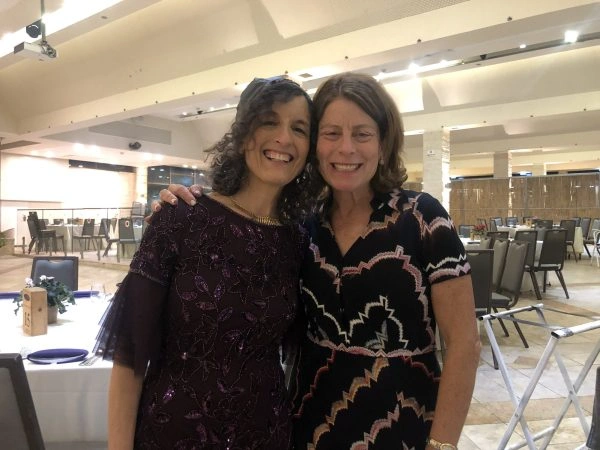
Carolyn Hochstadter and Margo Kossoff Shizgal
Merion Station, USA
Beit Shemesh, Israel
I started to listen to Michelle’s podcasts four years ago. The minute I started I was hooked. I’m so excited to learn the entire Talmud, and think I will continue always. I chose the quote “while a woman is engaged in conversation she also holds the spindle”. (Megillah 14b). It reminds me of all of the amazing women I learn with every day who multi-task, think ahead and accomplish so much.
Julie Mendelsohn
Zichron Yakov, Israel
When we heard that R. Michelle was starting daf yomi, my 11-year-old suggested that I go. Little did she know that she would lose me every morning from then on. I remember standing at the Farbers’ door, almost too shy to enter. After that first class, I said that I would come the next day but couldn’t commit to more. A decade later, I still look forward to learning from R. Michelle every morning.

Ruth Leah Kahan
Ra’anana, Israel
I began my Daf Yomi journey on January 5, 2020. I had never learned Talmud before. Initially it struck me as a bunch of inane and arcane details with mind bending logic. I am now smitten. Rabbanit Farber brings the page to life and I am eager to learn with her every day!
Lori Stark
Highland Park, United States
תמיד רציתי. למדתי גמרא בבית ספר בטורונטו קנדה. עליתי ארצה ולמדתי שזה לא מקובל. הופתעתי.
יצאתי לגימלאות לפני שנתיים וזה מאפשר את המחוייבות לדף יומי.
עבורי ההתמדה בלימוד מעגן אותי בקשר שלי ליהדות. אני תמיד מחפשת ותמיד. מוצאת מקור לקשר. ללימוד חדש ומחדש. קשר עם נשים לומדות מעמיק את החוויה ומשמעותית מאוד.
Vitti Kones
מיתר, ישראל
Chullin 77
נִמְנִין עֲלֵיהֶן בַּפֶּסַח, וְעוֹד, הַתּוֹרָה חָסָה עַל מָמוֹנָן שֶׁל יִשְׂרָאֵל.
one may be registered as part of a group that will eat the Paschal offering on their account, i.e., even if those sinews are the only part of the lamb he will eat. Evidently, such sinews are regarded as flesh. And furthermore, the Torah spared the money of the Jewish people, and one must tend toward leniency.
אֲמַר לֵיהּ רַב פָּפָּא לְרַבָּה: רַבִּי שִׁמְעוֹן בֶּן לָקִישׁ, וְאִיסּוּרָא דְּאוֹרָיְיתָא, וְאַתְּ אָמְרַתְּ: מַאי לֵיחוּשׁ לְהוּ?! אִישְׁתִּיק.
Rav Pappa said to Rabba: But Rabbi Shimon ben Lakish disagrees with Rabbi Yoḥanan and holds that one may not be registered for those sinews, as they will eventually harden and are therefore not considered flesh. And therefore, the broken bone in this case is not covered by flesh and the animal is prohibited by Torah law as a tereifa, and yet you say: What concern is there with the sinews in this case? Rabba was silent.
וְאַמַּאי אִישְׁתִּיק? וְהָאָמַר רָבָא: הִלְכְתָא כְּוָותֵיהּ דְּרַבִּי שִׁמְעוֹן בֶּן לָקִישׁ בְּהָנֵי תְּלָת!
The Gemara asks: And why was Rabba silent? But doesn’t Rava say that the halakha is in accordance with the opinion of Rabbi Shimon ben Lakish in his disputes with Rabbi Yoḥanan only with regard to these three matters, i.e., three matters that are mentioned in Yevamot 36a, and not in other cases? If so, Rabba could simply have replied that the halakha is not in accordance with the opinion of Rabbi Shimon ben Lakish with regard to this issue.
שָׁאנֵי הָכָא, דַּהֲדַר בֵּיהּ רַבִּי יוֹחָנָן לְגַבֵּיהּ דְּרַבִּי שִׁמְעוֹן בֶּן לָקִישׁ, דַּאֲמַר לֵיהּ: אַל תַּקְנִיטֵנִי, בִּלְשׁוֹן יָחִיד אֲנִי שׁוֹנֶה אוֹתָהּ.
The Gemara answers: Here, with regard to sinews that will ultimately harden, it is different, as Rabbi Yoḥanan retracted his ruling in favor of the opinion of Rabbi Shimon ben Lakish, as when Rabbi Shimon ben Lakish raised a difficulty against Rabbi Yoḥanan’s opinion, Rabbi Yoḥanan said to him: Do not provoke me by asking questions to refute my opinion that the fact that the sinews will ultimately harden is disregarded, as I teach it in explanation of a lone opinion (see Pesaḥim 84a). Even Rabbi Yoḥanan conceded that the opinion he expressed was only according to one Sage, but is not the halakha.
הָהוּא נִשְׁבַּר הָעֶצֶם וְיָצָא לַחוּץ, דְּאִישְׁתְּקִיל קוּרְטִיתָא מִינֵּיהּ, אֲתָא לְקַמֵּיהּ דְּאַבָּיֵי, שַׁהֲיֵיהּ תְּלָתָא רִיגְלֵי.
The Gemara relates: There was a certain case in which a bone in an animal’s leg broke and protruded outward. This bone was mostly covered with flesh and skin, but a small piece [kurtita] of the bone had been removed from it. The case came before Abaye, who delayed his response until three pilgrimage Festivals had passed, when the Sages gathered together and he could ask them.
אֲמַר לֵיהּ רַב אַדָּא בַּר מַתְנָא: זִיל קַמֵּיהּ דְּרָבָא בְּרֵיהּ דְּרַב יוֹסֵף בַּר חָמָא, דַּחֲרִיפָא סַכִּינֵיהּ. אֲתָא לְקַמֵּיהּ, אֲמַר: מִכְּדֵי ״נִשְׁבַּר הָעֶצֶם וְיָצָא לַחוּץ״ תְּנַן, מָה לִי נְפַל, מָה לִי אִיתֵיהּ?
Rav Adda bar Mattana said to the owner of the animal: Go before Rava, son of Rav Yosef bar Ḥama, whose knife is sharp, i.e., he has insight into halakhic matters and decides matters quickly, and ask him to decide your case. The owner came before Rava to seek his opinion. Rava said to him: Since we learned in the baraita (76b): If the bone broke and protruded outward, if skin and flesh cover a majority of the bone the animal is permitted, what difference is there to me if the bone fell out, and what difference is there to me if it is in its place? In either case, the animal is permitted.
אֲמַר לֵיהּ רָבִינָא לְרָבָא: מִתְלַקֵּט מַהוּ? מִתְרוֹסֵס מַהוּ? מִתְמַסְמֵס מַהוּ? הֵיכִי דָּמֵי מִתְמַסְמֵס? אָמַר רַב הוּנָא בְּרֵיהּ דְּרַב יְהוֹשֻׁעַ: כֹּל שֶׁהָרוֹפֵא קוֹדְרוֹ.
With regard to a case where flesh covers the majority of a broken bone, Ravina said to Rava: If the flesh was torn in pieces and spread over the area, and if gathered it would constitute a majority, what is the halakha? Similarly, if the flesh was pulverized and thin, what is the halakha? If it was decomposed, what is the halakha? The Gemara asks: What are the circumstances of this case in which the flesh is decomposed? Rav Huna, son of Rav Yehoshua, said: This is referring to any kind of flesh that the doctor cuts away [kodro] and removes to enable the surrounding area to heal.
אִיבַּעְיָא לְהוּ: נִיקַּב מַהוּ? נִקְלַף מַהוּ? נִסְדַּק מַהוּ? נִיטַּל שְׁלִישׁ הַתַּחְתּוֹן מַהוּ?
A dilemma was raised before the Sages: If the flesh that covers the bone was perforated, what is the halakha? Likewise, if the flesh was peeled off the bone, what is the halakha? If it was cracked, what is the halakha? If the bottom third of the width of the flesh, i.e., the part that is adjacent to the bone, was removed, what is the halakha?
תָּא שְׁמַע, דְּאָמַר עוּלָּא אָמַר רַבִּי יוֹחָנָן: עוֹר הֲרֵי הוּא כְּבָשָׂר, דִּלְמָא דִּקְנָה מַשְׁכָּא דִּידֵיהּ.
The Gemara suggests: Come and hear, as Ulla says that Rabbi Yoḥanan says: Skin is like flesh. This would appear to indicate that any covering is sufficient. The Gemara refutes this proof: Perhaps Rabbi Yoḥanan was referring to a specific case where there was never flesh on the bone, but only skin, e.g., adjacent to the knee, where the skin holds its own place close to the bone. This ruling may not apply in an area where there was flesh. Perhaps in such a place the bone must be covered by flesh that is still healthy.
אָמַר רַב אָשֵׁי: כִּי הֲוֵינַן בֵּי רַב פַּפֵּי, אִיבַּעְיָא לַן: נִקְדַּר כְּמִין טַבַּעַת, מַהוּ? וּפְשַׁטְנָא מֵהָא דְּאָמַר רַב יְהוּדָה אָמַר רַב: דָּבָר זֶה שָׁאַלְתִּי לַחֲכָמִים וְלָרוֹפְאִים, וְאָמְרוּ: מְסָרְטוֹ בְּעֶצֶם וּמַעֲלֶה אֲרוּכָה, אֲבָל פַּרְזְלָא מִזְרָף זָרֵיף. אָמַר רַב פָּפָּא: וְהוּא דִּקְנָה גַּרְמָא דִּידֵיהּ.
Rav Ashi said: While we were studying in Rav Pappi’s study hall, we raised a dilemma: If the flesh and skin were cut in the shape of a ring around the break, and yet most of the circumference of the bone is surrounded by flesh, what is the halakha? And we resolved this dilemma from this statement that Rav Yehuda says that Rav says: I asked about this matter to the Sages and to the doctors, what to do when a bone breaks and the surrounding flesh has been cut away, and they said: One makes an incision in it with a sharp piece of bone to help the blood flow and then congeal, and in this manner the wound will heal. The Gemara notes: But one should not make the incision with an iron implement, as it will cause inflammation. Rav Pappa said: And this advice should be implemented only in a case where one can see that the bone is holding firmly onto its flesh, as only in such a case will the flesh heal.
מַתְנִי׳ הַשּׁוֹחֵט אֶת הַבְּהֵמָה וּמָצָא בָּהּ שִׁלְיָא – נֶפֶשׁ הַיָּפֶה תֹּאכְלֶנָּה, וְאֵינָהּ מְטַמְּאָה לֹא טוּמְאַת אֳכָלִין וְלֹא טוּמְאַת נְבֵלוֹת. חִישֵּׁב עָלֶיהָ – מְטַמְּאָה טוּמְאַת אֳכָלִין, אֲבָל לֹא טוּמְאַת נְבֵלוֹת.
MISHNA: In the case of one who slaughters an animal and finds a placenta in its womb, one with a hearty soul [nefesh hayafa], i.e., who is not repulsed by it, may eat it, as its consumption was permitted by virtue of the slaughter of the mother. Nevertheless, since generally speaking, people do not consume such placentas, it is not regarded as food and so it cannot become impure with the ritual impurity of food even were it to come into contact with a source of impurity. And furthermore, it does not impart the ritual impurity of animal carcasses as it was permitted by virtue of the slaughter of the mother. But if one intended to eat it, one thereby elevated it to the status of food, and the placenta becomes impure with the ritual impurity of food if it comes into contact with a source of impurity. But even so, it still does not impart the ritual impurity of animal carcasses.
שִׁלְיָא שֶׁיָּצְתָה מִקְצָתָהּ – אֲסוּרָה בַּאֲכִילָה, סִימַן וָלָד בָּאִשָּׁה וְסִימַן וָלָד בַּבְּהֵמָה.
With regard to a placenta, part of which emerged from the womb before the mother was slaughtered, its consumption is prohibited even after the mother animal is slaughtered because the emergence of the placenta is an indication of a fetus in a woman and an indication of a fetus in an animal. Accordingly, there is a concern that the head of the fetus might have emerged in that part of the placenta, thereby rendering the fetus as having been born, a status that precludes it from being permitted by the slaughter of its mother. Since the offspring is prohibited, its placenta is likewise prohibited.
הַמְבַכֶּרֶת שֶׁהִפִּילָה שִׁלְיָא – יַשְׁלִיכֶנָּה לִכְלָבִים, וּבַמּוּקְדָּשִׁין תִּקָּבֵר, וְאֵין קוֹבְרִין אוֹתָהּ בְּפָרָשַׁת דְּרָכִים, וְאֵין תּוֹלִין אוֹתָהּ בְּאִילָן, מִפְּנֵי דַּרְכֵי הָאֱמוֹרִי.
If an animal that was giving birth to its firstborn expelled a placenta, one may cast it to the dogs, and one does not need to be concerned that the placenta came from a male fetus that has the consecrated status of a firstborn. But in the case of sacrificial animals the placenta must be buried, because it came from a fetus that is assumed to have been sacred. The mishna adds: But one may neither bury it at an intersection, nor may one hang it on a tree, superstitious rites intended to prevent the animal from miscarrying again, due to the prohibition against following the ways of the Amorite, which prohibits Jews from practicing the superstitious rites observed by gentiles.
גְּמָ׳ מְנָא הָנֵי מִילֵּי? דְּתָנוּ רַבָּנַן: ״כֹּל (בהמה) [בַּבְּהֵמָה] תֹּאכֵלוּ״ – לְרַבּוֹת אֶת הַשִּׁלְיָא. יָכוֹל אֲפִילּוּ יָצְתָה מִקְצָתָהּ? תַּלְמוּד לוֹמַר: ״אוֹתָהּ״ – אוֹתָהּ וְלֹא שִׁלְיָתָהּ.
GEMARA: With regard to the ruling that a placenta is permitted by virtue of the mother’s slaughter, the Gemara asks: From where is this matter derived? As the Sages taught: “And every animal that parts the hoof, and has the hooves wholly cloven in two, and chews the cud, of the animals, it you may eat” (Deuteronomy 14:6). The verse is the source of the halakha that a fetus is permitted by virtue of the mother’s slaughter (see 69a). The word “every” at the beginning of the verse serves to include the placenta as well as the fetus. One might have thought that a placenta is permitted even if part of it emerged from the womb before slaughter. Therefore, the verse states: “It you may eat,” i.e., you may eat it, the slaughtered animal, but not its placenta, if it partially emerged.
מִכְּדִי אֵין שִׁלְיָא בְּלֹא וָלָד, לְמָה לִי קְרָא? קְרָא אַסְמַכְתָּא בְּעָלְמָא.
The Gemara objects: Now the assumption is that there is no placenta without a fetus. Therefore, if part of the placenta emerged, there is a concern that the head of the fetus might have emerged in that part of the placenta, thereby rendering the fetus as having been born. Such a status would preclude it from being permitted by the slaughter of its mother. Why do I need a verse to teach this? The Gemara explains: The verse is a mere support for the halakha, but not the source for it.
וְאֵינָהּ מְטַמְּאָה. בָּעֵי רַבִּי יִצְחָק בַּר נַפָּחָא: עוֹר חֲמוֹר שֶׁשְּׁלָקוֹ מַהוּ? לְמַאי? אִי לְטוּמְאַת אֳכָלִין – תְּנֵינָא,
§ The mishna states: And a placenta found inside a slaughtered animal cannot become impure with the ritual impurity of food and does not impart the ritual impurity of animal carcasses. In a related discussion, Rabbi Yitzḥak bar Nappaḥa raises a dilemma: A donkey hide that one cooked and it became softened, what is its halakhic status? The Gemara asks: With regard to what issue did he raise this dilemma? If it was with regard to the ritual impurity of food, we already learn this halakha in a baraita,
אִי לְטוּמְאַת נְבֵלוֹת – תְּנֵינָא.
and if you say it was with regard to the ritual impurity of animal carcasses, we already learn that halakha as well in another baraita.
טוּמְאַת אֳכָלִין, דְּתַנְיָא: הָעוֹר וְהַשִּׁלְיָא – אֵין מִטַּמְּאִין טוּמְאַת אֳכָלִין, עוֹר שֶׁשְּׁלָקוֹ, וְהַשִּׁלְיָא שֶׁחִישֵּׁב עָלֶיהָ – מְטַמְּאִין טוּמְאַת אֳכָלִין.
The Gemara elaborates: With regard to the ritual impurity of food, it is as it is taught in a baraita: The hide and the placenta of an animal, which people do not typically eat, cannot become impure with the ritual impurity of foods. But a hide that one cooked until it became edible and a placenta that one intended to eat can become impure with the impurity of foods.
טוּמְאַת נְבֵילוֹת נָמֵי תְּנֵינָא: ״בְּנִבְלָתָהּ״ – וְלֹא בָּעוֹר, וְלֹא בְּעַצְמוֹתָיו, וְלֹא בַּגִּידִין, וְלֹא בַּקַּרְנַיִם, וְלֹא בַּטְּלָפַיִם.
With regard to the ritual impurity of animal carcasses also, we already learn in a baraita: The verse states: “And when a domesticated animal dies, of those that you eat, one who touches its carcass shall be impure until the evening” (Leviticus 11:39). The verse indicates that one is rendered impure if he touches its carcass, but not if he touches its hide, and not its bones, and not its sinews, and not its horns, and not its hooves.
וְאָמַר רַבָּה בַּר רַב חָנָא: לֹא נִצְרְכָה אֶלָּא שֶׁעֲשָׂאָן צִיקֵי קְדֵרָה.
And Rabba bar Rav Ḥana said with regard to this baraita: This derivation is necessary only for a case in which one prepared these parts of the animal as a meat pudding [tzikei kedera], in which they are cooked for an extended period and spices are added. One might have thought they would be considered edible flesh and therefore impart the impurity of a carcass. The baraita therefore teaches that this is not so.
לְעוֹלָם טוּמְאַת אֳכָלִין, וְשָׁאנֵי עוֹר חֲמוֹר דִּמְאִיס.
Given these two baraitot, why did Rabbi Yitzḥak Nappaḥa inquire about the status of the cooked hide of a donkey? The Gemara answers: Actually, Rabbi Yitzḥak Nappaḥa was inquiring about the impurity of foods, and although the halakha was already taught in the first baraita, Rabbi Yitzḥak Nappaḥa thought it is possible that the hide of a donkey is different, as it is repulsive and perhaps even when cooked it is not regarded as food.
שִׁלְיָא שֶׁיָּצְתָה. אָמַר רַבִּי אֶלְעָזָר: לֹא שָׁנוּ אֶלָּא שֶׁאֵין עִמָּהּ וָלָד, אֲבָל יֵשׁ עִמָּהּ וָלָד – אֵין חוֹשְׁשִׁין לְוָלָד אַחֵר. וְרַבִּי יוֹחָנָן אָמַר: בֵּין אֵין עִמָּהּ וָלָד בֵּין יֵשׁ עִמָּהּ וָלָד – חוֹשְׁשִׁין לְוָלָד אַחֵר.
§ The mishna states: With regard to a placenta, part of which emerged from the womb before the mother was slaughtered, its consumption is prohibited, as there is a concern that the head of the fetus might have emerged in that part of the placenta. Commenting on this mishna, Rabbi Elazar says: The Sages taught this halakha only in a case where there was no fetus found in the mother’s womb. But if there was a fetus with its head and the majority of its body in the womb, one need not be concerned for the existence of another fetus that might have been in the placenta. Therefore, the consumption of the placenta is permitted. But Rabbi Yoḥanan says: Whether there was no fetus found in the womb, or whether there was a fetus, one needs to be concerned for the existence of another fetus in the placenta, and therefore its consumption is prohibited.
אִינִי? וְהָא אָמַר רַבִּי יִרְמְיָה: לְחוּמְרָא אַמְרַהּ רַבִּי אֶלְעָזָר!
According to the way the Gemara records the dispute, Rabbi Yoḥanan rules stringently and Rabbi Elazar rules leniently. The Gemara asks: Is that so? But doesn’t Rabbi Yirmeya say concerning this dispute: Rabbi Elazar said an explanation of the mishna that presents a stringency?
אֶלָּא, אִי אִתְּמַר הָכִי אִתְּמַר, אָמַר רַבִּי אֶלְעָזָר: לֹא שָׁנוּ אֶלָּא שֶׁאֵינָהּ קְשׁוּרָה בַּוָּלָד, אֲבָל קְשׁוּרָה בַּוָּלָד – אֵין חוֹשְׁשִׁין לְוָלָד אַחֵר.
Rather, if it was stated, it was stated like this: Rabbi Elazar says: The ruling of the mishna is that the placenta is prohibited even if a fetus is found inside the womb. But the Sages taught this only in a case where the placenta is not attached to the fetus found inside. Consequently, one must be concerned with the possibility that the placenta came from another fetus that already left the womb, and it is therefore prohibited. But if it is attached to the fetus found inside, there is no concern for the possibility that the placenta came from another fetus, and therefore it is permitted.
וְרַבִּי יוֹחָנָן אָמַר: אָנוּ אֵין לָנוּ אֶלָּא שִׁלְיָא בְּלֹא וָלָד, אֲבָל יֵשׁ עִמָּהּ וָלָד, בֵּין קְשׁוּרָה בַּוָּלָד בֵּין אֵין קְשׁוּרָה בַּוָּלָד – אֵין חוֹשְׁשִׁין לְוָלָד אַחֵר, וְהַיְינוּ דְּאָמַר רַבִּי יִרְמְיָה: לְחוּמְרָא אַמְרַהּ ר׳ אֶלְעָזָר.
And Rabbi Yoḥanan says: In my understanding of the mishna, we have the ruling that the placenta is prohibited only in a case where there is a placenta without any fetus being found. But if a fetus was found with it, then whether it is attached to the fetus or whether it is not attached to the fetus, there is no concern for the existence of another fetus. The Gemara confirms: And this understanding of the two opinions is in line with that which Rabbi Yirmeya says: Rabbi Elazar said an explanation of the mishna that presents a stringency.
תַּנְיָא כְּוָותֵיהּ דְּרַבִּי אֶלְעָזָר: הַמַּפֶּלֶת מִין בְּהֵמָה חַיָּה וָעוֹף, וְשִׁלְיָא עִמָּהֶן, בִּזְמַן שֶׁקְּשׁוּרָה בָּהֶן – אֵין חוֹשְׁשִׁין לְוָלָד אַחֵר, אֵינָהּ קְשׁוּרָה בָּהֶן – הֲרֵינִי מֵטִיל עָלֶיהָ חוֹמֶר שְׁנֵי וְלָדוֹת.
It is taught in a baraita in accordance with the opinion of Rabbi Elazar: The periods of purity and impurity observed by a woman after giving birth apply only after delivering a fetus with a human form. With regard to a woman who expels a fetus that has the form of a type of domesticated animal, undomesticated animal, or bird, and there is a placenta with them, the halakha is as follows: When the placenta is attached to them, there is no concern for the existence of another fetus that may have had a human form. But if the placenta is not attached to them, it is possible there was another fetus that had a human form and so I must impose upon the woman the severity of two types of births, i.e., both the longer period of impurity observed after delivering a female, and the shorter period of purity observed after delivering a male.
שֶׁאֲנִי אוֹמַר: שֶׁמָּא נִימּוֹחַ שָׁפִיר שֶׁל שִׁלְיָא, שֶׁמָּא נִימּוֹחָה שִׁלְיָתוֹ שֶׁל שָׁפִיר.
The reason is that I can say: Perhaps the placenta that was found did not come from the fetus that was found, but from a fetus with a human form. To say this one must be concerned with the possibility that perhaps the fetus of the placenta that was found had a human form, and that fetus dissolved, and perhaps the placenta of the fetus that was found dissolved.
הַמְבַכֶּרֶת שֶׁהִפִּילָה. מַאי טַעְמָא? אָמַר רַב אִיקָא בְּרֵיהּ דְּרַב אַמֵּי: רוֹב בְּהֵמוֹת יוֹלְדוֹת דָּבָר הַקָּדוֹשׁ בִּבְכוֹרָה, וּמִיעוּט בְּהֵמוֹת דָּבָר שֶׁאֵינוֹ קָדוֹשׁ בִּבְכוֹרָה, וּמַאי נִיהוּ? נִדְמֶה.
§ The mishna states: If an animal that was giving birth to its firstborn expelled a placenta, one may cast it to the dogs. The Gemara asks: What is the reason for this ruling? Rav Ika, son of Rav Ami, said: The majority of domesticated animals give birth to something that can be consecrated with firstborn status, i.e., an animal with the same form as its mother, but a minority of animals give birth to something that cannot be consecrated with firstborn status, and what is this? It is an animal that resembles a species other than that of its mother.
וְכׇל הַיּוֹלְדוֹת יוֹלְדוֹת מֶחֱצָה זְכָרִים וּמֶחֱצָה נְקֵבוֹת, סְמוֹךְ מִיעוּטָא דְּנִדְמֶה לְמֶחֱצָה דִּנְקֵבוֹת, וְהָווּ לְהוּ זְכָרִים מִיעוּטָא.
And furthermore, with regard to all gestating animals, when they give birth, half of their offspring are male and half are female. Therefore, one can combine the minority of animals that resemble another species with the half that are females, and arrive at the conclusion that male offspring that resemble their species, which are the only offspring that can be consecrated with firstborn status, are the minority. Accordingly, one does not need to be concerned that the placenta found was from an animal consecrated with the status of a firstborn.
וּבַמּוּקְדָּשִׁין תִּקָּבֵר. מַאי טַעְמָא? רוּבָּא בַּר מִיקְדָּשׁ הוּא.
§ The continuation of the mishna states: But in the case of sacrificial animals the placenta must be buried, because it came from a fetus that is assumed to have been sacred. The Gemara asks: What is the reason to assume this? The Gemara answers: It is because the majority of the offspring of sacrificial animals are fit to be sacred, as, in contrast to firstborn status, both female and male offspring of sacrificial animals can be sacred. Therefore, one must be concerned that the offspring, and its placenta, were sacred.
וְאֵין קוֹבְרִים אוֹתָהּ. אַבָּיֵי וְרָבָא דְּאָמְרִי תַּרְוַויְיהוּ: כׇּל דָּבָר שֶׁיֵּשׁ בּוֹ רְפוּאָה – אֵין בּוֹ מִשּׁוּם דַּרְכֵי הָאֱמוֹרִי, אֵין בּוֹ רְפוּאָה – יֵשׁ בּוֹ מִשּׁוּם דַּרְכֵי הָאֱמוֹרִי.
§ The mishna adds: But one may neither bury it at an intersection, nor may one hang it on a tree, due to the prohibition against following the ways of the Amorite. The Gemara cites Abaye and Rava, who both said: Anything that has an apparently effective medicinal purpose or any other logical reason behind it is not subject to the prohibition against following the ways of the Amorite. But if it does not have an apparently effective medicinal purpose it is subject to the prohibition against following the ways of the Amorite.
וְהָתַנְיָא: אִילָן שֶׁמַּשִּׁיר פֵּירוֹתָיו, סוֹקְרוֹ בְּסִיקְרָא וְטוֹעֲנוֹ בַּאֲבָנִים. בִּשְׁלָמָא טוֹעֲנוֹ בַּאֲבָנִים – כִּי הֵיכִי
The Gemara challenges: But isn’t it taught in a baraita: If there is a tree that sheds its fruit prematurely, one may paint it with red paint and load it with stones, even though this is the practice of the Amorites? The Gemara explains the difficulty: Granted, it is permitted to load it with stones, as one does so for a logical reason, in order
Follow

