










The gemara discusses whether we are concerned for who the father is or do the laws only follow the mother. The is a debate regarding a koi (half domesticated/half non-domesticated animal) – do the laws of not slaughtered it and its parent apply? Which type of koy do they disagree about?
Masechet Chullin is sponsored by Judi Felber in honor of the Hadran Community. “During my first cycle of Daf Yomi, just as we began Masechet Chullin, my son was injured while serving in the IDF. Throughout those two and a half months of difficulty and uncertainty, my fellow learners never left my side. With profound gratitude to the community that held me, encouraged me, and ensured I could keep up with the Daf during those trying times.”
This week’s learning is sponsored by Sara Averick in loving memory of her mother, Leah Shifrin Averick, לאה בת יהודה לייב חייקל וחיה מאשה. “She infused her many descendants with her love for Torah, Israel and the Jewish people.”
This week’s learning is sponsored by Ellen Cherrick in loving memory of her mother, Udy Katz Cherrick, z”l, on her 13th yahrzeit.
Want to dedicate learning? Get started here:
English
עברית

0:00
0:00
0:00
0:00
Today’s daily daf tools:
Masechet Chullin is sponsored by Judi Felber in honor of the Hadran Community. “During my first cycle of Daf Yomi, just as we began Masechet Chullin, my son was injured while serving in the IDF. Throughout those two and a half months of difficulty and uncertainty, my fellow learners never left my side. With profound gratitude to the community that held me, encouraged me, and ensured I could keep up with the Daf during those trying times.”
This week’s learning is sponsored by Sara Averick in loving memory of her mother, Leah Shifrin Averick, לאה בת יהודה לייב חייקל וחיה מאשה. “She infused her many descendants with her love for Torah, Israel and the Jewish people.”
This week’s learning is sponsored by Ellen Cherrick in loving memory of her mother, Udy Katz Cherrick, z”l, on her 13th yahrzeit.
Chullin 79
וְלַחֲנַנְיָה, כְּתִיב ״אוֹתוֹ״ דְּמַשְׁמַע זָכָר, וּכְתִיב ״בְּנוֹ״ – מִי שֶׁבְּנוֹ כָּרוּךְ אַחֲרָיו דְּמַשְׁמַע נְקֵבָה, הִלְכָּךְ נוֹהֵג בֵּין בִּזְכָרִים בֵּין בִּנְקֵבוֹת.
And according to the opinion of Ḥananya, the reason for his ruling is that it is written “it,” which indicates a male, and it is written “its offspring,” teaching that the prohibition applies to that parent whose offspring clings to it, which indicates a female. Therefore, this prohibition applies to both males and females.
אָמַר רַב הוּנָא בַּר חִיָּיא אָמַר שְׁמוּאֵל: הִלְכְתָא כַּחֲנַנְיָה, וְאַזְדָּא שְׁמוּאֵל לְטַעְמֵיהּ, דִּתְנַן: רַבִּי יְהוּדָה אוֹמֵר: הַנּוֹלָדִים מִן הַסּוּס, אַף עַל פִּי שֶׁאֲבִיהֶן חֲמוֹר – מוּתָּרִין זֶה בְּזֶה, אֲבָל הַנּוֹלָדִין מִן הַחֲמוֹר עִם הַנּוֹלָדִין מִן הַסּוּס – אֲסוּרִין.
Rav Huna bar Ḥiyya says that Shmuel says: The halakha is in accordance with the opinion of Ḥananya. And Shmuel follows his line of reasoning, as we learned in a mishna (Kilayim 8:4): Rabbi Yehuda says: With regard to two animals that are born from a female horse, even if the father of one is a donkey and the father of the other is a horse, they are permitted to mate with one another. Since the mothers of both are horses, the offspring are all considered of the same species. But to mate animals that are born from a female donkey with animals that are born from a female horse, even if one animal was born from a male horse and a female donkey and the other was born from a male donkey and a female horse, is prohibited, due to the prohibition of diverse kinds.
וְאָמַר רַב יְהוּדָה אָמַר שְׁמוּאֵל: זוֹ דִּבְרֵי רַבִּי יְהוּדָה, דְּאָמַר אֵין חוֹשְׁשִׁין לְזֶרַע הָאָב, אֲבָל חֲכָמִים אוֹמְרִים: כׇּל מִינֵי פְּרָדוֹת אַחַת הֵן.
And, commenting on that mishna, Rav Yehuda says that Shmuel says: This is the statement of Rabbi Yehuda, who says: One need not be concerned with its paternity in determining the species of an animal, as the species is determined solely by the mother. But the Rabbis say: The species of an animal is determined according to both its mother and its father. Therefore, all types of mules, regardless of which parent is a horse and which is a donkey, are considered a single species and may mate with each other.
מַאן חֲכָמִים? חֲנַנְיָה הוּא, דְּאָמַר חוֹשְׁשִׁין לְזֶרַע הָאָב, וְהַאי בַּר סוּסְיָא וַחֲמָרָא, וְהַאי בַּר חֲמָרָא וְסוּסְיָא – כּוּלְּהוּ חֲדָא מִינָא נִינְהוּ.
Now, whose opinion is referred to as that of the Rabbis here? It is that of Ḥananya, who says: One needs to be concerned with paternity, as, in his opinion, the prohibition against slaughtering an animal and its offspring applies to a male and its offspring as well. And therefore, with regard to the prohibition of diverse kinds as well, this mule that is the offspring of a female horse and a male donkey, and that mule that is the offspring of a female donkey and a male horse are all a single species.
אִיבַּעְיָא לְהוּ: מִי פְּשִׁיט לֵיהּ לְרַבִּי יְהוּדָה דְּאֵין חוֹשְׁשִׁין לְזֶרַע הָאָב, אוֹ דִלְמָא סַפּוֹקֵי מְסַפְּקָא לֵיהּ? לְמַאי נָפְקָא מִינַּהּ?
A dilemma was raised before the Sages: Is Rabbi Yehuda certain that one need not be concerned with its paternity in determining the species of the offspring, or perhaps he is uncertain whether or not one need be concerned with its paternity? The Gemara asks: What is the practical difference?
לְמִישְׁרֵא פְּרִי עִם הָאֵם, אִי אָמְרַתְּ: מִיפְשָׁט פְּשִׁיטָא לֵיהּ – פְּרִי עִם הָאֵם שְׁרֵי, אֶלָּא אִי אָמְרַתְּ: סַפּוֹקֵי מְסַפְּקָא לֵיהּ – פְּרִי עִם הָאֵם אָסוּר.
The Gemara answers: The practical difference is with regard to permitting the mating of the offspring with the species of the mother, e.g., the mating of the offspring of a female horse and a male donkey together with a horse. If you say that Rabbi Yehuda is certain that one need not be concerned with its paternity, then the mating of the offspring with the species of the mother is permitted, as, in this case, they are both considered horses. But if you say that Rabbi Yehuda is uncertain, then the mating of the offspring with the species of the mother is prohibited, as one must be concerned about the species of the father.
מַאי תָּא שְׁמַע: רַבִּי יְהוּדָה אוֹמֵר: כׇּל הַנּוֹלָדִים מִן הַסּוּס, אַף עַל פִּי שֶׁאֲבִיהֶן חֲמוֹר – מוּתָּרִין זֶה בָּזֶה. הֵיכִי דָמֵי? אִילֵּימָא דַּאֲבוּהּ דְּהַאי חֲמוֹר וַאֲבוּהּ דְּהַאי חֲמוֹר – צְרִיכָא לְמֵימַר? אֶלָּא לָאו דַּאֲבוּהּ דְּהַאי סוּס וַאֲבוּהּ דְּהַאי חֲמוֹר;
What, then, is the answer to the question? The Gemara suggests: Come and hear a possible resolution from the mishna cited earlier: Rabbi Yehuda says: All that are born from a female horse, even if the father of one of them is a donkey, are permitted to mate with each other. What are the circumstances here? If we say that the father of this male animal is a donkey, and the father of that female animal, with which the male is to be mated, is a donkey, does it need to be said? Since the mothers of both animals are horses, they are both of exactly the same species and may certainly mate with each other. Rather, is it not that the father of this one is a horse, and the father of that other one is a donkey?
וְקָתָנֵי מוּתָּרִים זֶה עִם זֶה, אַלְמָא מִיפְשָׁט פְּשִׁיטָא לֵיהּ!
And yet it is taught that they are permitted to mate with each other. Evidently, Rabbi Yehuda is certain that one need not be concerned with its paternity in determining the species of the offspring. If he were uncertain, he would deem their mating prohibited, as the father of one is a horse while the father of the other is a donkey.
לָא, לְעוֹלָם דַּאֲבוּהּ דְּהַאי חֲמוֹר, וַאֲבוּהּ דְּהַאי חֲמוֹר. וּדְקָאָמְרַתְּ: צְרִיכָא לְמֵימַר? מַהוּ דְּתֵימָא: אָתֵי צַד דְּסוּס מִשְׁתַּמֵּשׁ בְּצַד חֲמוֹר, וְצַד חֲמוֹר מִשְׁתַּמֵּשׁ בְּצַד סוּס, קָא מַשְׁמַע לַן.
The Gemara responds: No, one cannot cite proof from this, as it can be said that actually, the father of this male animal is a donkey, and the father of that female animal is also a donkey. And with regard to that which you say: Does it need to be said that these two may mate? It does need to be said, lest you say: The horse component of the male mule comes and copulates with the donkey component of the female mule, and the donkey component of the male mule copulates specifically with the horse component of the female mule, which would violate the prohibition of diverse kinds. Therefore, Rabbi Yehuda teaches us that they are both of the same species and may mate.
תָּא שְׁמַע: רַבִּי יְהוּדָה אוֹמֵר, פִּרְדָּה שֶׁתָּבְעָה – אֵין מַרְבִּיעִין עָלֶיהָ לֹא סוּס וְלֹא חֲמוֹר, אֶלָּא מִינָהּ. וְאִי אָמְרַתְּ מִפְשָׁט פְּשִׁיטָא לֵיהּ לַרְבַּע עֲלַהּ מִינָא דְּאִמַּהּ! דְּלָא יָדְעִינַן מִינָא דְּאִמַּהּ מַאי נִיהוּ.
The Gemara suggests: Come and hear a possible resolution from a baraita: Rabbi Yehuda says: With regard to a female mule in heat, one may not mate a horse or a donkey with her, due to the prohibition against crossbreeding diverse kinds of livestock. Rather, one mates her with one of her kind, another mule. And if you say that Rabbi Yehuda is certain that one need not be concerned with its paternity in determining the species of the offspring, then why not mate her with the species of her mother? Evidently, Rabbi Yehuda is uncertain and therefore deems it prohibited to mate her with either a horse or a donkey. The Gemara responds: The baraita is referring to a case where we do not know what the mother’s species is.
וְהָא ״אֶלָּא מִינַּהּ״ קָתָנֵי? הָכִי קָאָמַר: אֵין מַרְבִּיעִין עָלֶיהָ לֹא מִין סוּס וְלֹא מִין חֲמוֹר, לְפִי שֶׁאֵין יוֹדְעִין בְּמִינָהּ. וְלִיבְדּוֹק בְּסִימָנִין? דְּאָמַר אַבָּיֵי: עָבֵי קָלֵיהּ – בַּר חַמָּרָא, צְנִיף קָלֵיהּ – בַּר סוּסְיָא. וְאָמַר רַב פָּפָּא: רַבְרְבָן אוּדְנֵיהּ וְזוּטְרָא גְּנוּבְתֵיהּ – בַּר חַמָּרָא, זוּטְרָן אוּדְנֵיהּ וְרַבָּה גְּנוּבְתֵיהּ – בַּר סוּסְיָא. הָכָא בְּמַאי עָסְקִינַן? בְּאִלֶּמֶת וְגִידֶּמֶת.
The Gemara challenges: But the baraita teaches: Rather, one mates her with one of her kind, indicating that her species is known. The Gemara explains that this is what the baraita is saying: One may not mate the species of a horse or the species of a donkey with her, because one does not usually know the species of the mother of a mule that one encounters. The Gemara suggests: But let one check her species by her distinguishing characteristics, as Abaye says: If its voice is deep, it is the offspring of a female donkey; if its voice is shrill, it is the offspring of a female horse. And Rav Pappa says: If its ears are large and its tail is small, it is the offspring of a female donkey; if its ears are small and its tail is large, it is the offspring of a female horse. The Gemara answers: Here we are dealing with a mule who is mute, and whose ears and tail are lopped off, and whose species cannot be determined. Therefore, Rabbi Yehuda’s opinion cannot be proven from this case.
מַאי הָוֵי עֲלַהּ? תָּא שְׁמַע, דְּאָמַר רַב הוּנָא בְּרֵיהּ דְּרַב יְהוֹשֻׁעַ: הַכֹּל מוֹדִין בִּפְרִי עִם הָאֵם שֶׁאָסוּר. שְׁמַע מִינַּהּ סַפּוֹקֵי מְסַפְּקָא לֵיהּ, שְׁמַע מִינַּהּ.
The Gemara asks: What conclusion was reached about it? Come and hear a resolution, as Rav Huna, son of Rav Yehoshua, says: All, including Rabbi Yehuda, agree with regard to mating the offspring with the species of its mother that it is prohibited. Conclude from it that Rabbi Yehuda is uncertain. If he were certain that one need not be concerned with its paternity, he would deem mating the offspring with the species of its mother permitted, since the father’s species would not matter. The Gemara affirms: Conclude from it that this is so.
אֲמַר לֵיהּ רַבִּי אַבָּא לְשַׁמָּעֵיהּ: אִי מְעַיְּילַתְּ לִי כּוּדַנְיָיתָא בְּרִיסְפַּק, עַיֵּין לְהָנָךְ דְּדָמְיָין לַהֲדָדֵי, וְעַיֵּיל לִי. אַלְמָא קָסָבַר: אֵין חוֹשְׁשִׁין לְזֶרַע הָאָב.
The Gemara relates with regard to this issue that Rabbi Abba said to his servant: If you bring me mules attached to a wagon [rispak], look for those that are similar to each other in their voices and the sizes of their ears and tails, and bring those for me, in order not to violate the prohibition of diverse kinds. Evidently, Rabbi Abba holds that with regard to the offspring of diverse kinds, one need not be concerned with its paternity, since, as explained earlier, these distinguishing characteristics indicate only the species of the mother.
וְסִימָנִין דְּאוֹרָיְיתָא.
And in addition, he holds that these distinguishing characteristics apply by Torah law, such that they may be relied upon to allay concerns of violating even a prohibition that is mandated by Torah law.
תָּנוּ רַבָּנַן: אוֹתוֹ וְאֶת בְּנוֹ נוֹהֵג בְּכִלְאַיִם וּבְכוֹי. רַבִּי אֱלִיעֶזֶר אוֹמֵר: כִּלְאַיִם הַבָּא מִן הָעֵז וּמִן הָרָחֵל – אוֹתוֹ וְאֶת בְּנוֹ נוֹהֵג בּוֹ, כּוֹי – אֵין אוֹתוֹ וְאֶת בְּנוֹ נוֹהֵג בּוֹ. אָמַר רַב חִסְדָּא: אֵיזֶהוּ כּוֹי שֶׁנֶּחְלְקוּ בּוֹ רַבִּי אֱלִיעֶזֶר וַחֲכָמִים? זֶה הַבָּא מִן הַתַּיִישׁ וּמִן הַצְּבִיָּיה.
§ The Sages taught in a baraita (see Tosefta 5:1): The prohibition against slaughtering an animal itself and its offspring applies to the offspring of diverse kinds of animals, such as a goat and a ewe, and to the koy, even though the prohibition does not apply to undomesticated animals. Rabbi Eliezer says: With regard to a hybrid that results from the mating of a goat and a ewe, the prohibition of a mother and its offspring applies; with regard to a koy, the prohibition of a mother and its offspring does not apply. Rav Ḥisda says: What is the koy about which Rabbi Eliezer and the Rabbis disagree? It is that which results from the mating of a goat and a doe.
הֵיכִי דָמֵי? אִילֵּימָא בְּתַיִישׁ הַבָּא עַל הַצְּבִיָּיה, וְיָלְדָה, וְקָא שָׁחֵיט לַהּ וְלִבְרַהּ – וְהָאָמַר רַב חִסְדָּא: הַכֹּל מוֹדִים בְּהִיא צְבִיָּיה וּבְנָהּ תַּיִישׁ, שֶׁפָּטוּר! שֶׂה וּבְנוֹ אָמַר רַחֲמָנָא, וְלֹא צְבִי וּבְנוֹ!
The Gemara asks: What are the circumstances surrounding the birth of this koy? If we say that it is the result of a goat that mates with a doe, and she gives birth, and one slaughters her and her offspring on the same day, that is difficult: But doesn’t Rav Ḥisda say: All concede in the case where she is a doe and her offspring is a goat, because she mated with a goat, that one who slaughters them both on the same day is exempt from lashes for violating the prohibition of a mother and its offspring? He is exempt because the Merciful One states: “And whether it be a bull or a sheep, you shall not slaughter it and its offspring both in one day” (Leviticus 22:28), indicating that the prohibition applies to a domesticated animal and its offspring, but not to an undomesticated animal and its offspring, such as a doe and its offspring.
אֶלָּא בִּצְבִי הַבָּא עַל הַתְּיָישָׁה וְיָלְדָה, וְקָא שָׁחֵיט לַהּ וְלִבְרַהּ, וְהָאָמַר רַב חִסְדָּא: הַכֹּל מוֹדִים בְּהִיא תְּיָישָׁה וּבְנָהּ צְבִי – שֶׁחַיָּיב, ״שֶׂה״ אָמַר רַחֲמָנָא, וּבְנוֹ כֹּל דְּהוּ!
Rather, perhaps this koy is the product of a deer that mates with a female goat, and she gives birth, and one slaughters her and her offspring on the same day. But doesn’t Rav Ḥisda say: All concede that in the case where she is a goat and her offspring is a deer because she mated with a deer, that one who slaughters them both on the same day is liable? He is liable because the Merciful One states in the Torah: “A sheep…and its offspring” (Leviticus 22:28), indicating that the prohibition applies to a domesticated animal such as a sheep and its offspring of any species, even if it is an undomesticated animal.
לְעוֹלָם, בְּתַיִישׁ הַבָּא עַל הַצְּבִיָּיה, וְיָלְדָה בַּת, וּבַת יָלְדָה בֵּן, וְקָא שָׁחֵיט לַהּ וְלִבְרַהּ.
The Gemara responds: Actually, the dispute between Rabbi Eliezer and the Rabbis is in the case of a goat that mates with a doe, and she gives birth to a female offspring, a koy, and this female offspring gives birth to a male offspring, and one slaughters her and her male offspring on the same day.
רַבָּנַן סָבְרִי: חוֹשְׁשִׁין לְזֶרַע הָאָב, וְשֶׂה – וַאֲפִילּוּ מִקְצָת שֶׂה. וְרַבִּי אֱלִיעֶזֶר סָבַר: אֵין חוֹשְׁשִׁין לְזֶרַע הָאָב, וְ״שֶׂה וַאֲפִילּוּ מִקְצָת שֶׂה״ – לָא אָמְרִינַן.
The Rabbis hold: One needs to be concerned with its paternity, and therefore the koy is partially a goat due to its father, and the word “sheep” in the verse means that even if it is partially a sheep, i.e., a domesticated animal, it may not be slaughtered with its offspring in a single day. And Rabbi Eliezer holds: One need not be concerned with its paternity, and the status of the koy is unaffected by the fact that its father is a goat, and therefore, in this case we do not say that the word “sheep” mentioned in the verse means that even if it is partially a sheep it may not be slaughtered with its offspring in a single day, as the father’s component is ignored.
וְלִיפְלוֹג בְּחוֹשְׁשִׁין לְזֶרַע הָאָב, בִּפְלוּגְתָּא דַּחֲנַנְיָה וְרַבָּנַן?
The Gemara challenges: And let them disagree with regard to any animal of mixed breed about whether one needs to be concerned with its paternity, i.e., with regard to the issue that is the subject of the dispute between Ḥananya and the Rabbis, whether the prohibition against slaughtering an animal and its offspring on the same day also applies to a father and its offspring because one needs to be concerned with an animal’s paternity.
אִי פְּלִיגִי בְּהָהִיא, הֲוָה אָמֵינָא: בְּהָא אֲפִילּוּ רַבָּנַן מוֹדוּ, דְּ״שֶׂה וַאֲפִילּוּ מִקְצָת שֶׂה״ לָא אָמְרִינַן, קָא מַשְׁמַע לַן.
The Gemara responds: If they would disagree only about that issue, I would say: With regard to this issue of a doe mother and a goat father, even the Rabbis concede that we do not say that the word “sheep” mentioned in the verse means that even if an animal is partially a sheep, i.e., a domesticated animal, it may not be slaughtered with its offspring in a single day. Therefore, the baraita teaches us that according to the Rabbis, not only does one need to be concerned with paternity, but the word “sheep” indicates that even if it is partially a sheep, i.e., a domesticated animal, it may not be slaughtered with its offspring.
וְהָא דִּתְנַן: כּוֹי אֵין שׁוֹחֲטִין אוֹתוֹ בְּיוֹם טוֹב, וְאִם שְׁחָטוֹ – אֵין מְכַסִּין אֶת דָּמוֹ.
The Gemara challenges: But that which we learned in a mishna (83b) appears to contradict this: One may not slaughter a koy on a Festival, because covering its blood entails the performance of prohibited labor that is permitted only if there is a definite obligation to do so. And if one slaughtered a koy on a Festival after the fact, one does not cover its blood, as the Sages prohibited transporting soil on a Festival where it is uncertain that a mitzva by Torah law exists.
בְּמַאי עָסְקִינַן? אִילֵימָא בְּתַיִישׁ הַבָּא עַל הַצְּבִיָּיה וְיָלְדָה, בֵּין לְרַבָּנַן בֵּין לְרַבִּי אֱלִיעֶזֶר – לִשְׁחוֹט וְלִיכַסֵּי, צְבִי וַאֲפִילּוּ מִקְצָת צְבִי.
The Gemara explains the question: What are we dealing with? If we say that we are dealing with a goat who mates with a doe, and she gives birth, then whether according to the opinion of the Rabbis or according to the opinion of Rabbi Eliezer, let him slaughter the koy on the Festival ab initio and cover the blood, as the mother of the koy is a deer, and the koy therefore may be termed an undomesticated animal, whose blood requires covering. This should be so even if it is partially a deer, i.e., it has an undomesticated animal component from only one parent, since all agree that the offspring’s species derives from its mother.
אֶלָּא בִּצְבִי הַבָּא עַל הַתְּיָישָׁה וְיָלְדָה, אִי לְרַבָּנַן – לִשְׁחוֹט וְלִיכַסֵּי, אִי לְרַבִּי אֱלִיעֶזֶר – לִשְׁחוֹט וְלָא לִיכַסֵּי.
Rather, we must be dealing with a case of a deer that mates with a female goat, and she gives birth. This, too, is difficult: If the mishna is in accordance with the opinion of the Rabbis that one needs to be concerned with paternity, let him slaughter this koy on the Festival ab initio and cover the blood, as it is partially an undomesticated animal due to its father. If the mishna holds in accordance with the opinion of Rabbi Eliezer that one need not be concerned with paternity, let him slaughter the koy on the Festival ab initio and not cover the blood, as it should be considered a domesticated animal, whose blood does not require covering due to its mother who is a goat.
לְעוֹלָם בִּצְבִי הַבָּא עַל הַתְּיָישָׁה, וְרַבָּנַן סַפּוֹקֵי מְסַפְּקָא לְהוּ אִי חוֹשְׁשִׁין לְזֶרַע הָאָב אִי אֵין חוֹשְׁשִׁין.
The Gemara concludes that actually this mishna is in accordance with the opinion of the Rabbis, and it is referring to a case of a deer who mates with a female goat, and the Rabbis do not say with certainty that in determining the species of an animal one must be concerned with paternity, but rather the Rabbis are simply uncertain whether one needs to be concerned with its paternity or one need not be concerned. Therefore, they rule that one should not slaughter it on a Festival, ab initio, in order to avoid a possible prohibition, and if one did slaughter it, he should not cover the blood, to avoid violating a prohibition in order to perform an uncertain mitzva.
וּמִדִּלְרַבָּנַן מְסַפְּקָא לְהוּ, לְרַבִּי אֱלִיעֶזֶר פְּשִׁיטָא לֵיהּ.
The Gemara infers: And from the fact that the Rabbis are uncertain, and therefore they rule that the prohibition of: Itself and its offspring, applies to a koy, it can be inferred that according to the opinion of Rabbi Eliezer, who rules that the prohibition of: Itself and its offspring, does not apply to a koy, it is obvious that, with regard to a koy resulting from a deer mating with a female goat, one need not be concerned with its paternity at all.
וְהָא דְּתַנְיָא: הַזְּרוֹעַ וְהַלְּחָיַיִם וְהַקֵּבָה נוֹהֲגִים בְּכוֹי וּבְכִלְאַיִם. רַבִּי אֱלִיעֶזֶר אוֹמֵר: כִּלְאַיִם הַבָּא מִן הָעֵז וּמִן הָרָחֵל – חַיָּיב בְּמַתָּנוֹת, מִן הַכּוֹי – פָּטוּר מִן הַמַּתָּנוֹת.
The Gemara asks: But according to this, that which is taught in a baraita (see Tosefta 9:1) presents a difficulty: The mitzva to give the foreleg, the jaw, and the maw of non-sacred animals to a priest applies both to a koy and to the offspring of diverse kinds of animals. Rabbi Eliezer says: A hybrid that results from the mating of a goat and a ewe is obligated to have gifts of the priesthood given from it; a hybrid that results from a koy is exempt from having gifts of the priesthood given from it.
בְּמַאי עָסְקִינַן? אִילֵימָא בְּתַיִישׁ הַבָּא עַל הַצְּבִיָּיה וְיַלְדָּה, בִּשְׁלָמָא לְרַבִּי אֱלִיעֶזֶר דְּפָטַר, קָסָבַר ״שֶׂה וַאֲפִילּוּ מִקְצָת שֶׂה״ לָא אָמְרִינַן.
The Gemara analyzes the baraita: What type of koy are we dealing with? If we say that we are dealing with a goat who mates with a doe, and she gives birth, granted, this is consistent according to the opinion of Rabbi Eliezer, who deems it exempt from having gifts of the priesthood given from it. As he holds that we do not say that the word “sheep” (see Deuteronomy 18:3) means that even if it is partially a sheep one must give gifts of the priesthood from it, as paternity is ignored and this koy is considered solely the offspring of a doe, exempting it from having gifts given from it.
אֶלָּא לְרַבָּנַן, נְהִי דְּקָסָבְרִי ״שֶׂה וַאֲפִילּוּ מִקְצָת שֶׂה״, בִּשְׁלָמָא פַּלְגָא לָא יָהֵיב לֵיהּ, אִידַּךְ פַּלְגָא לֵימָא לֵיהּ: אַיְיתִי רְאָיָיה דְּחוֹשְׁשִׁין לְזֶרַע הָאָב, וּשְׁקוֹל.
But according to the opinion of the Rabbis, even if it is granted that they hold that the word “sheep” means that even if it is partially a sheep, or any other type of domesticated animal, one is obligated to give gifts of the priesthood from it, why should the owner of this koy be required to give the gifts to a priest? Granted, he does not give the priest half of the gifts, since half of the koy, i.e., the mother’s component, is an undomesticated animal; but with regard to the other half, as well, let him say to the priest: Bring proof that one needs to be concerned with its paternity and take that half; otherwise receive nothing.
אֶלָּא, בִּצְבִי הַבָּא עַל הַתְּיָישָׁה וְיָלְדָה. בִּשְׁלָמָא לְרַבָּנַן, מַאי ״חַיָּיב״ – בַּחֲצִי מַתָּנוֹת; אֶלָּא לְרַבִּי אֱלִיעֶזֶר, לִיחַיַּיב בְּכוּלְּהִי מַתָּנוֹת?
Rather, we are dealing with the case of a deer who mates with a female goat and she gives birth. Granted, this is consistent according to the opinion of the Rabbis, who say that one is obligated to give gifts of the priesthood from it, as what is meant by: Obligated? It means: It is obligated in half of the gifts, since on its mother’s side the goat component is subject to the obligation to give the gifts, but with regard to the other half of the gifts he can tell the priest: Bring proof that one need not be concerned with paternity, and take it. But according to the opinion of Rabbi Eliezer, who says that one need not be concerned with paternity at all, such that this koy would be considered a domesticated animal like its mother, let the owner be obligated in all of the gifts. Why, then, does Rabbi Eliezer deem him exempt?
לְעוֹלָם בִּצְבִי הַבָּא עַל הַתְּיָישָׁה וְיָלְדָה, וְרַבִּי אֱלִיעֶזֶר נָמֵי סַפּוֹקֵי מְסַפְּקָא לֵיהּ אִי חוֹשְׁשִׁין לְזֶרַע הָאָב אוֹ לָא, וְכֵיוָן דִּלְרַבָּנַן מְסַפְּקָא לְהוּ וּלְרַבִּי אֱלִיעֶזֶר מְסַפְּקָא לֵיהּ, בְּמַאי פְּלִיגִי?
The Gemara answers: Actually, it is referring to a deer who mates with a female goat, and she gives birth, and Rabbi Eliezer is also uncertain whether, in determining the species of an animal, one needs to be concerned with its paternity or not. The Gemara asks: But since the conclusion is that the Rabbis are uncertain and Rabbi Eliezer is uncertain, in what case do they disagree where Rabbi Eliezer deems the owner exempt from giving the gifts entirely?
Follow

Today’s daily daf tools:
Delve Deeper
Broaden your understanding of the topics on this daf with classes and podcasts from top women Talmud scholars.


Hullin 18: Serration, Cartilage, and the Stringencies of Babylonia
05.18.2026 | ב׳ בסיון תשפ״ו
Hullin 15: Shechting and Cooking on Shabbat: A Decree against Temptation
05.15.2026 | כ״ח באייר תשפ״ו
New to Talmud?
Check out our resources designed to help you navigate a page of Talmud – and study at the pace, level and style that fits you.
The Hadran Women’s Tapestry
Meet the diverse women learning Gemara at Hadran and hear their stories.
Retirement and Covid converged to provide me with the opportunity to commit to daily Talmud study in October 2020. I dove into the middle of Eruvin and continued to navigate Seder Moed, with Rabannit Michelle as my guide. I have developed more confidence in my learning as I completed each masechet and look forward to completing the Daf Yomi cycle so that I can begin again!

Rhona Fink
San Diego, United States
I went to day school in Toronto but really began to learn when I attended Brovenders back in the early 1980’s. Last year after talking to my sister who was learning Daf Yomi, inspired, I looked on the computer and the Hadran site came up. I have been listening to each days shiur in the morning as I work. I emphasis listening since I am not sitting with a Gamara. I listen while I work in my studio.
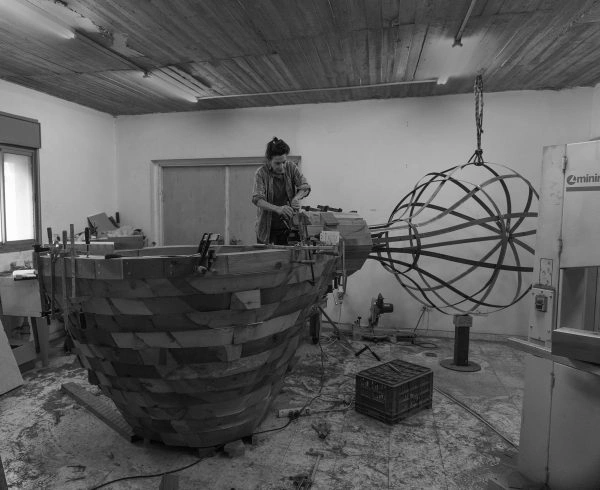
Rachel Rotenberg
Tekoa, Israel
I began my Daf Yomi journey on January 5, 2020. I had never learned Talmud before. Initially it struck me as a bunch of inane and arcane details with mind bending logic. I am now smitten. Rabbanit Farber brings the page to life and I am eager to learn with her every day!
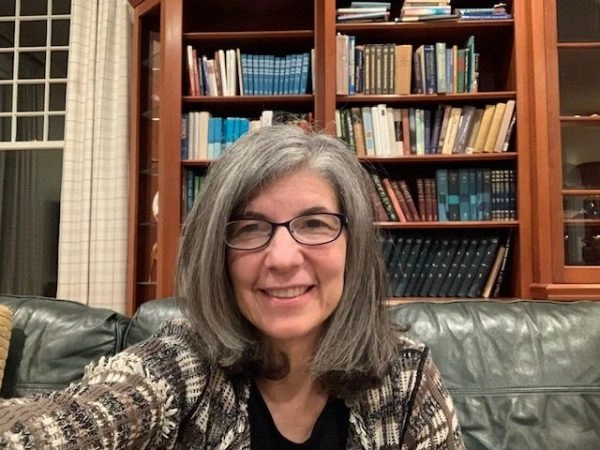
Lori Stark
Highland Park, United States
Margo
I started my Talmud journey in 7th grade at Akiba Jewish Day School in Chicago. I started my Daf Yomi journey after hearing Erica Brown speak at the Hadran Siyum about marking the passage of time through Daf Yomi.
Carolyn
I started my Talmud journey post-college in NY with a few classes. I started my Daf Yomi journey after the Hadran Siyum, which inspired both my son and myself.
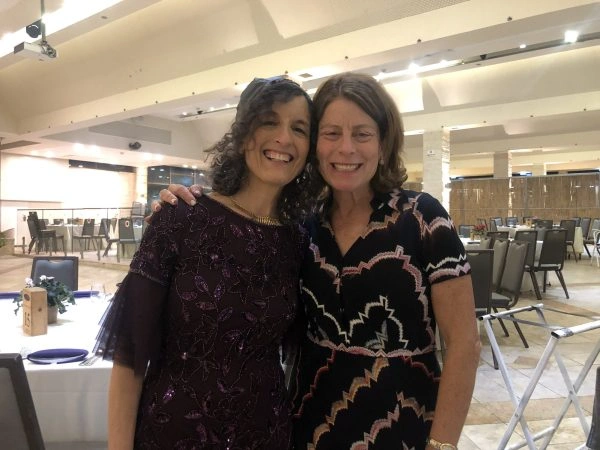
Carolyn Hochstadter and Margo Kossoff Shizgal
Merion Station, USA
Beit Shemesh, Israel
It happened without intent (so am I yotzei?!) – I watched the women’s siyum live and was so moved by it that the next morning, I tuned in to Rabbanit Michelle’s shiur, and here I am, still learning every day, over 2 years later. Some days it all goes over my head, but others I grasp onto an idea or a story, and I ‘get it’ and that’s the best feeling in the world. So proud to be a Hadran learner.

Jeanne Yael Klempner
Zichron Yaakov, Israel
My first Talmud class experience was a weekly group in 1971 studying Taanit. In 2007 I resumed Talmud study with a weekly group I continue learning with. January 2020, I was inspired to try learning Daf Yomi. A friend introduced me to Daf Yomi for Women and Rabbanit Michelle Farber, I have kept with this program and look forward, G- willing, to complete the entire Shas with Hadran.
Lorri Lewis
Palo Alto, CA, United States
I had no formal learning in Talmud until I began my studies in the Joint Program where in 1976 I was one of the few, if not the only, woman talmud major. It was superior training for law school and enabled me to approach my legal studies with a foundation . In 2018, I began daf yomi listening to Rabbanit MIchelle’s pod cast and my daily talmud studies are one of the highlights of my life.

Terri Krivosha
Minneapolis, United States
I heard about the syium in January 2020 & I was excited to start learning then the pandemic started. Learning Daf became something to focus on but also something stressful. As the world changed around me & my family I had to adjust my expectations for myself & the world. Daf Yomi & the Hadran podcast has been something I look forward to every day. It gives me a moment of centering & Judaism daily.
Talia Haykin
Denver, United States
I started learning Daf Yomi in January 2020 after watching my grandfather, Mayer Penstein z”l, finish shas with the previous cycle. My grandfather made learning so much fun was so proud that his grandchildren wanted to join him. I was also inspired by Ilana Kurshan’s book, If All the Seas Were Ink. Two years in, I can say that it has enriched my life in so many ways.
Leeza Hirt Wilner
New York, United States
My family recently made Aliyah, because we believe the next chapter in the story of the Jewish people is being written here, and we want to be a part of it. Daf Yomi, on the other hand, connects me BACK, to those who wrote earlier chapters thousands of years ago. So, I feel like I’m living in the middle of this epic story. I’m learning how it all began, and looking ahead to see where it goes!

Tina Lamm
Jerusalem, Israel
As Jewish educator and as a woman, I’m mindful that Talmud has been kept from women for many centuries. Now that we are privileged to learn, and learning is so accessible, it’s my intent to complete Daf Yomi. I am so excited to keep learning with my Hadran community.
Sue Parker Gerson
Denver, United States
I learned daf more off than on 40 years ago. At the beginning of the current cycle, I decided to commit to learning daf regularly. Having Rabanit Michelle available as a learning partner has been amazing. Sometimes I learn with Hadran, sometimes with my husband, and sometimes on my own. It’s been fun to be part of an extended learning community.

Miriam Pollack
Honolulu, Hawaii, United States
It happened without intent (so am I yotzei?!) – I watched the women’s siyum live and was so moved by it that the next morning, I tuned in to Rabbanit Michelle’s shiur, and here I am, still learning every day, over 2 years later. Some days it all goes over my head, but others I grasp onto an idea or a story, and I ‘get it’ and that’s the best feeling in the world. So proud to be a Hadran learner.
Jeanne Yael Klempner
Zichron Yaakov, Israel
A friend mentioned that she was starting Daf Yomi in January 2020. I had heard of it and thought, why not? I decided to try it – go day by day and not think about the seven plus year commitment.
Fast forward today, over two years in and I can’t imagine my life without Daf Yomi. It’s part of my morning ritual. If I have a busy day ahead of me I set my alarm to get up early to finish the day’s daf

Debbie Fitzerman
Ontario, Canada
Margo
I started my Talmud journey in 7th grade at Akiba Jewish Day School in Chicago. I started my Daf Yomi journey after hearing Erica Brown speak at the Hadran Siyum about marking the passage of time through Daf Yomi.
Carolyn
I started my Talmud journey post-college in NY with a few classes. I started my Daf Yomi journey after the Hadran Siyum, which inspired both my son and myself.
Carolyn Hochstadter and Margo Kossoff Shizgal
Merion Station, USA
Beit Shemesh, Israel
I’ve been studying Talmud since the ’90s, and decided to take on Daf Yomi two years ago. I wanted to attempt the challenge of a day-to-day, very Jewish activity. Some days are so interesting and some days are so boring. But I’m still here.

Wendy Rozov
Phoenix, AZ, United States
I started learning Daf in Jan 2020 with Brachot b/c I had never seen the Jewish people united around something so positive, and I wanted to be a part of it. Also, I wanted to broaden my background in Torah Shebal Peh- Maayanot gave me a great gemara education, but I knew that I could hold a conversation in most parts of tanach but almost no TSB. I’m so thankful for Daf and have gained immensely.

Meira Shapiro
NJ, United States
I started learning after the siyum hashas for women and my daily learning has been a constant over the last two years. It grounded me during the chaos of Corona while providing me with a community of fellow learners. The Daf can be challenging but it’s filled with life’s lessons, struggles and hope for a better world. It’s not about the destination but rather about the journey. Thank you Hadran!

Dena Lehrman
אפרת, Israel
“I got my job through the NY Times” was an ad campaign when I was growing up. I can headline “I got my daily Daf shiur and Hadran through the NY Times”. I read the January 4, 2020 feature on Reb. Michelle Farber and Hadran and I have been participating ever since. Thanks NY Times & Hadran!

Deborah Aschheim
New York, United States
Last cycle, I listened to parts of various מסכתות. When the הדרן סיום was advertised, I listened to Michelle on נידה. I knew that בע”ה with the next cycle I was in (ב”נ). As I entered the סיום (early), I saw the signs and was overcome with emotion. I was randomly seated in the front row, and I cried many times that night. My choice to learn דף יומי was affirmed. It is one of the best I have made!
Miriam Tannenbaum
אפרת, Israel
Chullin 79
וְלַחֲנַנְיָה, כְּתִיב ״אוֹתוֹ״ דְּמַשְׁמַע זָכָר, וּכְתִיב ״בְּנוֹ״ – מִי שֶׁבְּנוֹ כָּרוּךְ אַחֲרָיו דְּמַשְׁמַע נְקֵבָה, הִלְכָּךְ נוֹהֵג בֵּין בִּזְכָרִים בֵּין בִּנְקֵבוֹת.
And according to the opinion of Ḥananya, the reason for his ruling is that it is written “it,” which indicates a male, and it is written “its offspring,” teaching that the prohibition applies to that parent whose offspring clings to it, which indicates a female. Therefore, this prohibition applies to both males and females.
אָמַר רַב הוּנָא בַּר חִיָּיא אָמַר שְׁמוּאֵל: הִלְכְתָא כַּחֲנַנְיָה, וְאַזְדָּא שְׁמוּאֵל לְטַעְמֵיהּ, דִּתְנַן: רַבִּי יְהוּדָה אוֹמֵר: הַנּוֹלָדִים מִן הַסּוּס, אַף עַל פִּי שֶׁאֲבִיהֶן חֲמוֹר – מוּתָּרִין זֶה בְּזֶה, אֲבָל הַנּוֹלָדִין מִן הַחֲמוֹר עִם הַנּוֹלָדִין מִן הַסּוּס – אֲסוּרִין.
Rav Huna bar Ḥiyya says that Shmuel says: The halakha is in accordance with the opinion of Ḥananya. And Shmuel follows his line of reasoning, as we learned in a mishna (Kilayim 8:4): Rabbi Yehuda says: With regard to two animals that are born from a female horse, even if the father of one is a donkey and the father of the other is a horse, they are permitted to mate with one another. Since the mothers of both are horses, the offspring are all considered of the same species. But to mate animals that are born from a female donkey with animals that are born from a female horse, even if one animal was born from a male horse and a female donkey and the other was born from a male donkey and a female horse, is prohibited, due to the prohibition of diverse kinds.
וְאָמַר רַב יְהוּדָה אָמַר שְׁמוּאֵל: זוֹ דִּבְרֵי רַבִּי יְהוּדָה, דְּאָמַר אֵין חוֹשְׁשִׁין לְזֶרַע הָאָב, אֲבָל חֲכָמִים אוֹמְרִים: כׇּל מִינֵי פְּרָדוֹת אַחַת הֵן.
And, commenting on that mishna, Rav Yehuda says that Shmuel says: This is the statement of Rabbi Yehuda, who says: One need not be concerned with its paternity in determining the species of an animal, as the species is determined solely by the mother. But the Rabbis say: The species of an animal is determined according to both its mother and its father. Therefore, all types of mules, regardless of which parent is a horse and which is a donkey, are considered a single species and may mate with each other.
מַאן חֲכָמִים? חֲנַנְיָה הוּא, דְּאָמַר חוֹשְׁשִׁין לְזֶרַע הָאָב, וְהַאי בַּר סוּסְיָא וַחֲמָרָא, וְהַאי בַּר חֲמָרָא וְסוּסְיָא – כּוּלְּהוּ חֲדָא מִינָא נִינְהוּ.
Now, whose opinion is referred to as that of the Rabbis here? It is that of Ḥananya, who says: One needs to be concerned with paternity, as, in his opinion, the prohibition against slaughtering an animal and its offspring applies to a male and its offspring as well. And therefore, with regard to the prohibition of diverse kinds as well, this mule that is the offspring of a female horse and a male donkey, and that mule that is the offspring of a female donkey and a male horse are all a single species.
אִיבַּעְיָא לְהוּ: מִי פְּשִׁיט לֵיהּ לְרַבִּי יְהוּדָה דְּאֵין חוֹשְׁשִׁין לְזֶרַע הָאָב, אוֹ דִלְמָא סַפּוֹקֵי מְסַפְּקָא לֵיהּ? לְמַאי נָפְקָא מִינַּהּ?
A dilemma was raised before the Sages: Is Rabbi Yehuda certain that one need not be concerned with its paternity in determining the species of the offspring, or perhaps he is uncertain whether or not one need be concerned with its paternity? The Gemara asks: What is the practical difference?
לְמִישְׁרֵא פְּרִי עִם הָאֵם, אִי אָמְרַתְּ: מִיפְשָׁט פְּשִׁיטָא לֵיהּ – פְּרִי עִם הָאֵם שְׁרֵי, אֶלָּא אִי אָמְרַתְּ: סַפּוֹקֵי מְסַפְּקָא לֵיהּ – פְּרִי עִם הָאֵם אָסוּר.
The Gemara answers: The practical difference is with regard to permitting the mating of the offspring with the species of the mother, e.g., the mating of the offspring of a female horse and a male donkey together with a horse. If you say that Rabbi Yehuda is certain that one need not be concerned with its paternity, then the mating of the offspring with the species of the mother is permitted, as, in this case, they are both considered horses. But if you say that Rabbi Yehuda is uncertain, then the mating of the offspring with the species of the mother is prohibited, as one must be concerned about the species of the father.
מַאי תָּא שְׁמַע: רַבִּי יְהוּדָה אוֹמֵר: כׇּל הַנּוֹלָדִים מִן הַסּוּס, אַף עַל פִּי שֶׁאֲבִיהֶן חֲמוֹר – מוּתָּרִין זֶה בָּזֶה. הֵיכִי דָמֵי? אִילֵּימָא דַּאֲבוּהּ דְּהַאי חֲמוֹר וַאֲבוּהּ דְּהַאי חֲמוֹר – צְרִיכָא לְמֵימַר? אֶלָּא לָאו דַּאֲבוּהּ דְּהַאי סוּס וַאֲבוּהּ דְּהַאי חֲמוֹר;
What, then, is the answer to the question? The Gemara suggests: Come and hear a possible resolution from the mishna cited earlier: Rabbi Yehuda says: All that are born from a female horse, even if the father of one of them is a donkey, are permitted to mate with each other. What are the circumstances here? If we say that the father of this male animal is a donkey, and the father of that female animal, with which the male is to be mated, is a donkey, does it need to be said? Since the mothers of both animals are horses, they are both of exactly the same species and may certainly mate with each other. Rather, is it not that the father of this one is a horse, and the father of that other one is a donkey?
וְקָתָנֵי מוּתָּרִים זֶה עִם זֶה, אַלְמָא מִיפְשָׁט פְּשִׁיטָא לֵיהּ!
And yet it is taught that they are permitted to mate with each other. Evidently, Rabbi Yehuda is certain that one need not be concerned with its paternity in determining the species of the offspring. If he were uncertain, he would deem their mating prohibited, as the father of one is a horse while the father of the other is a donkey.
לָא, לְעוֹלָם דַּאֲבוּהּ דְּהַאי חֲמוֹר, וַאֲבוּהּ דְּהַאי חֲמוֹר. וּדְקָאָמְרַתְּ: צְרִיכָא לְמֵימַר? מַהוּ דְּתֵימָא: אָתֵי צַד דְּסוּס מִשְׁתַּמֵּשׁ בְּצַד חֲמוֹר, וְצַד חֲמוֹר מִשְׁתַּמֵּשׁ בְּצַד סוּס, קָא מַשְׁמַע לַן.
The Gemara responds: No, one cannot cite proof from this, as it can be said that actually, the father of this male animal is a donkey, and the father of that female animal is also a donkey. And with regard to that which you say: Does it need to be said that these two may mate? It does need to be said, lest you say: The horse component of the male mule comes and copulates with the donkey component of the female mule, and the donkey component of the male mule copulates specifically with the horse component of the female mule, which would violate the prohibition of diverse kinds. Therefore, Rabbi Yehuda teaches us that they are both of the same species and may mate.
תָּא שְׁמַע: רַבִּי יְהוּדָה אוֹמֵר, פִּרְדָּה שֶׁתָּבְעָה – אֵין מַרְבִּיעִין עָלֶיהָ לֹא סוּס וְלֹא חֲמוֹר, אֶלָּא מִינָהּ. וְאִי אָמְרַתְּ מִפְשָׁט פְּשִׁיטָא לֵיהּ לַרְבַּע עֲלַהּ מִינָא דְּאִמַּהּ! דְּלָא יָדְעִינַן מִינָא דְּאִמַּהּ מַאי נִיהוּ.
The Gemara suggests: Come and hear a possible resolution from a baraita: Rabbi Yehuda says: With regard to a female mule in heat, one may not mate a horse or a donkey with her, due to the prohibition against crossbreeding diverse kinds of livestock. Rather, one mates her with one of her kind, another mule. And if you say that Rabbi Yehuda is certain that one need not be concerned with its paternity in determining the species of the offspring, then why not mate her with the species of her mother? Evidently, Rabbi Yehuda is uncertain and therefore deems it prohibited to mate her with either a horse or a donkey. The Gemara responds: The baraita is referring to a case where we do not know what the mother’s species is.
וְהָא ״אֶלָּא מִינַּהּ״ קָתָנֵי? הָכִי קָאָמַר: אֵין מַרְבִּיעִין עָלֶיהָ לֹא מִין סוּס וְלֹא מִין חֲמוֹר, לְפִי שֶׁאֵין יוֹדְעִין בְּמִינָהּ. וְלִיבְדּוֹק בְּסִימָנִין? דְּאָמַר אַבָּיֵי: עָבֵי קָלֵיהּ – בַּר חַמָּרָא, צְנִיף קָלֵיהּ – בַּר סוּסְיָא. וְאָמַר רַב פָּפָּא: רַבְרְבָן אוּדְנֵיהּ וְזוּטְרָא גְּנוּבְתֵיהּ – בַּר חַמָּרָא, זוּטְרָן אוּדְנֵיהּ וְרַבָּה גְּנוּבְתֵיהּ – בַּר סוּסְיָא. הָכָא בְּמַאי עָסְקִינַן? בְּאִלֶּמֶת וְגִידֶּמֶת.
The Gemara challenges: But the baraita teaches: Rather, one mates her with one of her kind, indicating that her species is known. The Gemara explains that this is what the baraita is saying: One may not mate the species of a horse or the species of a donkey with her, because one does not usually know the species of the mother of a mule that one encounters. The Gemara suggests: But let one check her species by her distinguishing characteristics, as Abaye says: If its voice is deep, it is the offspring of a female donkey; if its voice is shrill, it is the offspring of a female horse. And Rav Pappa says: If its ears are large and its tail is small, it is the offspring of a female donkey; if its ears are small and its tail is large, it is the offspring of a female horse. The Gemara answers: Here we are dealing with a mule who is mute, and whose ears and tail are lopped off, and whose species cannot be determined. Therefore, Rabbi Yehuda’s opinion cannot be proven from this case.
מַאי הָוֵי עֲלַהּ? תָּא שְׁמַע, דְּאָמַר רַב הוּנָא בְּרֵיהּ דְּרַב יְהוֹשֻׁעַ: הַכֹּל מוֹדִין בִּפְרִי עִם הָאֵם שֶׁאָסוּר. שְׁמַע מִינַּהּ סַפּוֹקֵי מְסַפְּקָא לֵיהּ, שְׁמַע מִינַּהּ.
The Gemara asks: What conclusion was reached about it? Come and hear a resolution, as Rav Huna, son of Rav Yehoshua, says: All, including Rabbi Yehuda, agree with regard to mating the offspring with the species of its mother that it is prohibited. Conclude from it that Rabbi Yehuda is uncertain. If he were certain that one need not be concerned with its paternity, he would deem mating the offspring with the species of its mother permitted, since the father’s species would not matter. The Gemara affirms: Conclude from it that this is so.
אֲמַר לֵיהּ רַבִּי אַבָּא לְשַׁמָּעֵיהּ: אִי מְעַיְּילַתְּ לִי כּוּדַנְיָיתָא בְּרִיסְפַּק, עַיֵּין לְהָנָךְ דְּדָמְיָין לַהֲדָדֵי, וְעַיֵּיל לִי. אַלְמָא קָסָבַר: אֵין חוֹשְׁשִׁין לְזֶרַע הָאָב.
The Gemara relates with regard to this issue that Rabbi Abba said to his servant: If you bring me mules attached to a wagon [rispak], look for those that are similar to each other in their voices and the sizes of their ears and tails, and bring those for me, in order not to violate the prohibition of diverse kinds. Evidently, Rabbi Abba holds that with regard to the offspring of diverse kinds, one need not be concerned with its paternity, since, as explained earlier, these distinguishing characteristics indicate only the species of the mother.
וְסִימָנִין דְּאוֹרָיְיתָא.
And in addition, he holds that these distinguishing characteristics apply by Torah law, such that they may be relied upon to allay concerns of violating even a prohibition that is mandated by Torah law.
תָּנוּ רַבָּנַן: אוֹתוֹ וְאֶת בְּנוֹ נוֹהֵג בְּכִלְאַיִם וּבְכוֹי. רַבִּי אֱלִיעֶזֶר אוֹמֵר: כִּלְאַיִם הַבָּא מִן הָעֵז וּמִן הָרָחֵל – אוֹתוֹ וְאֶת בְּנוֹ נוֹהֵג בּוֹ, כּוֹי – אֵין אוֹתוֹ וְאֶת בְּנוֹ נוֹהֵג בּוֹ. אָמַר רַב חִסְדָּא: אֵיזֶהוּ כּוֹי שֶׁנֶּחְלְקוּ בּוֹ רַבִּי אֱלִיעֶזֶר וַחֲכָמִים? זֶה הַבָּא מִן הַתַּיִישׁ וּמִן הַצְּבִיָּיה.
§ The Sages taught in a baraita (see Tosefta 5:1): The prohibition against slaughtering an animal itself and its offspring applies to the offspring of diverse kinds of animals, such as a goat and a ewe, and to the koy, even though the prohibition does not apply to undomesticated animals. Rabbi Eliezer says: With regard to a hybrid that results from the mating of a goat and a ewe, the prohibition of a mother and its offspring applies; with regard to a koy, the prohibition of a mother and its offspring does not apply. Rav Ḥisda says: What is the koy about which Rabbi Eliezer and the Rabbis disagree? It is that which results from the mating of a goat and a doe.
הֵיכִי דָמֵי? אִילֵּימָא בְּתַיִישׁ הַבָּא עַל הַצְּבִיָּיה, וְיָלְדָה, וְקָא שָׁחֵיט לַהּ וְלִבְרַהּ – וְהָאָמַר רַב חִסְדָּא: הַכֹּל מוֹדִים בְּהִיא צְבִיָּיה וּבְנָהּ תַּיִישׁ, שֶׁפָּטוּר! שֶׂה וּבְנוֹ אָמַר רַחֲמָנָא, וְלֹא צְבִי וּבְנוֹ!
The Gemara asks: What are the circumstances surrounding the birth of this koy? If we say that it is the result of a goat that mates with a doe, and she gives birth, and one slaughters her and her offspring on the same day, that is difficult: But doesn’t Rav Ḥisda say: All concede in the case where she is a doe and her offspring is a goat, because she mated with a goat, that one who slaughters them both on the same day is exempt from lashes for violating the prohibition of a mother and its offspring? He is exempt because the Merciful One states: “And whether it be a bull or a sheep, you shall not slaughter it and its offspring both in one day” (Leviticus 22:28), indicating that the prohibition applies to a domesticated animal and its offspring, but not to an undomesticated animal and its offspring, such as a doe and its offspring.
אֶלָּא בִּצְבִי הַבָּא עַל הַתְּיָישָׁה וְיָלְדָה, וְקָא שָׁחֵיט לַהּ וְלִבְרַהּ, וְהָאָמַר רַב חִסְדָּא: הַכֹּל מוֹדִים בְּהִיא תְּיָישָׁה וּבְנָהּ צְבִי – שֶׁחַיָּיב, ״שֶׂה״ אָמַר רַחֲמָנָא, וּבְנוֹ כֹּל דְּהוּ!
Rather, perhaps this koy is the product of a deer that mates with a female goat, and she gives birth, and one slaughters her and her offspring on the same day. But doesn’t Rav Ḥisda say: All concede that in the case where she is a goat and her offspring is a deer because she mated with a deer, that one who slaughters them both on the same day is liable? He is liable because the Merciful One states in the Torah: “A sheep…and its offspring” (Leviticus 22:28), indicating that the prohibition applies to a domesticated animal such as a sheep and its offspring of any species, even if it is an undomesticated animal.
לְעוֹלָם, בְּתַיִישׁ הַבָּא עַל הַצְּבִיָּיה, וְיָלְדָה בַּת, וּבַת יָלְדָה בֵּן, וְקָא שָׁחֵיט לַהּ וְלִבְרַהּ.
The Gemara responds: Actually, the dispute between Rabbi Eliezer and the Rabbis is in the case of a goat that mates with a doe, and she gives birth to a female offspring, a koy, and this female offspring gives birth to a male offspring, and one slaughters her and her male offspring on the same day.
רַבָּנַן סָבְרִי: חוֹשְׁשִׁין לְזֶרַע הָאָב, וְשֶׂה – וַאֲפִילּוּ מִקְצָת שֶׂה. וְרַבִּי אֱלִיעֶזֶר סָבַר: אֵין חוֹשְׁשִׁין לְזֶרַע הָאָב, וְ״שֶׂה וַאֲפִילּוּ מִקְצָת שֶׂה״ – לָא אָמְרִינַן.
The Rabbis hold: One needs to be concerned with its paternity, and therefore the koy is partially a goat due to its father, and the word “sheep” in the verse means that even if it is partially a sheep, i.e., a domesticated animal, it may not be slaughtered with its offspring in a single day. And Rabbi Eliezer holds: One need not be concerned with its paternity, and the status of the koy is unaffected by the fact that its father is a goat, and therefore, in this case we do not say that the word “sheep” mentioned in the verse means that even if it is partially a sheep it may not be slaughtered with its offspring in a single day, as the father’s component is ignored.
וְלִיפְלוֹג בְּחוֹשְׁשִׁין לְזֶרַע הָאָב, בִּפְלוּגְתָּא דַּחֲנַנְיָה וְרַבָּנַן?
The Gemara challenges: And let them disagree with regard to any animal of mixed breed about whether one needs to be concerned with its paternity, i.e., with regard to the issue that is the subject of the dispute between Ḥananya and the Rabbis, whether the prohibition against slaughtering an animal and its offspring on the same day also applies to a father and its offspring because one needs to be concerned with an animal’s paternity.
אִי פְּלִיגִי בְּהָהִיא, הֲוָה אָמֵינָא: בְּהָא אֲפִילּוּ רַבָּנַן מוֹדוּ, דְּ״שֶׂה וַאֲפִילּוּ מִקְצָת שֶׂה״ לָא אָמְרִינַן, קָא מַשְׁמַע לַן.
The Gemara responds: If they would disagree only about that issue, I would say: With regard to this issue of a doe mother and a goat father, even the Rabbis concede that we do not say that the word “sheep” mentioned in the verse means that even if an animal is partially a sheep, i.e., a domesticated animal, it may not be slaughtered with its offspring in a single day. Therefore, the baraita teaches us that according to the Rabbis, not only does one need to be concerned with paternity, but the word “sheep” indicates that even if it is partially a sheep, i.e., a domesticated animal, it may not be slaughtered with its offspring.
וְהָא דִּתְנַן: כּוֹי אֵין שׁוֹחֲטִין אוֹתוֹ בְּיוֹם טוֹב, וְאִם שְׁחָטוֹ – אֵין מְכַסִּין אֶת דָּמוֹ.
The Gemara challenges: But that which we learned in a mishna (83b) appears to contradict this: One may not slaughter a koy on a Festival, because covering its blood entails the performance of prohibited labor that is permitted only if there is a definite obligation to do so. And if one slaughtered a koy on a Festival after the fact, one does not cover its blood, as the Sages prohibited transporting soil on a Festival where it is uncertain that a mitzva by Torah law exists.
בְּמַאי עָסְקִינַן? אִילֵימָא בְּתַיִישׁ הַבָּא עַל הַצְּבִיָּיה וְיָלְדָה, בֵּין לְרַבָּנַן בֵּין לְרַבִּי אֱלִיעֶזֶר – לִשְׁחוֹט וְלִיכַסֵּי, צְבִי וַאֲפִילּוּ מִקְצָת צְבִי.
The Gemara explains the question: What are we dealing with? If we say that we are dealing with a goat who mates with a doe, and she gives birth, then whether according to the opinion of the Rabbis or according to the opinion of Rabbi Eliezer, let him slaughter the koy on the Festival ab initio and cover the blood, as the mother of the koy is a deer, and the koy therefore may be termed an undomesticated animal, whose blood requires covering. This should be so even if it is partially a deer, i.e., it has an undomesticated animal component from only one parent, since all agree that the offspring’s species derives from its mother.
אֶלָּא בִּצְבִי הַבָּא עַל הַתְּיָישָׁה וְיָלְדָה, אִי לְרַבָּנַן – לִשְׁחוֹט וְלִיכַסֵּי, אִי לְרַבִּי אֱלִיעֶזֶר – לִשְׁחוֹט וְלָא לִיכַסֵּי.
Rather, we must be dealing with a case of a deer that mates with a female goat, and she gives birth. This, too, is difficult: If the mishna is in accordance with the opinion of the Rabbis that one needs to be concerned with paternity, let him slaughter this koy on the Festival ab initio and cover the blood, as it is partially an undomesticated animal due to its father. If the mishna holds in accordance with the opinion of Rabbi Eliezer that one need not be concerned with paternity, let him slaughter the koy on the Festival ab initio and not cover the blood, as it should be considered a domesticated animal, whose blood does not require covering due to its mother who is a goat.
לְעוֹלָם בִּצְבִי הַבָּא עַל הַתְּיָישָׁה, וְרַבָּנַן סַפּוֹקֵי מְסַפְּקָא לְהוּ אִי חוֹשְׁשִׁין לְזֶרַע הָאָב אִי אֵין חוֹשְׁשִׁין.
The Gemara concludes that actually this mishna is in accordance with the opinion of the Rabbis, and it is referring to a case of a deer who mates with a female goat, and the Rabbis do not say with certainty that in determining the species of an animal one must be concerned with paternity, but rather the Rabbis are simply uncertain whether one needs to be concerned with its paternity or one need not be concerned. Therefore, they rule that one should not slaughter it on a Festival, ab initio, in order to avoid a possible prohibition, and if one did slaughter it, he should not cover the blood, to avoid violating a prohibition in order to perform an uncertain mitzva.
וּמִדִּלְרַבָּנַן מְסַפְּקָא לְהוּ, לְרַבִּי אֱלִיעֶזֶר פְּשִׁיטָא לֵיהּ.
The Gemara infers: And from the fact that the Rabbis are uncertain, and therefore they rule that the prohibition of: Itself and its offspring, applies to a koy, it can be inferred that according to the opinion of Rabbi Eliezer, who rules that the prohibition of: Itself and its offspring, does not apply to a koy, it is obvious that, with regard to a koy resulting from a deer mating with a female goat, one need not be concerned with its paternity at all.
וְהָא דְּתַנְיָא: הַזְּרוֹעַ וְהַלְּחָיַיִם וְהַקֵּבָה נוֹהֲגִים בְּכוֹי וּבְכִלְאַיִם. רַבִּי אֱלִיעֶזֶר אוֹמֵר: כִּלְאַיִם הַבָּא מִן הָעֵז וּמִן הָרָחֵל – חַיָּיב בְּמַתָּנוֹת, מִן הַכּוֹי – פָּטוּר מִן הַמַּתָּנוֹת.
The Gemara asks: But according to this, that which is taught in a baraita (see Tosefta 9:1) presents a difficulty: The mitzva to give the foreleg, the jaw, and the maw of non-sacred animals to a priest applies both to a koy and to the offspring of diverse kinds of animals. Rabbi Eliezer says: A hybrid that results from the mating of a goat and a ewe is obligated to have gifts of the priesthood given from it; a hybrid that results from a koy is exempt from having gifts of the priesthood given from it.
בְּמַאי עָסְקִינַן? אִילֵימָא בְּתַיִישׁ הַבָּא עַל הַצְּבִיָּיה וְיַלְדָּה, בִּשְׁלָמָא לְרַבִּי אֱלִיעֶזֶר דְּפָטַר, קָסָבַר ״שֶׂה וַאֲפִילּוּ מִקְצָת שֶׂה״ לָא אָמְרִינַן.
The Gemara analyzes the baraita: What type of koy are we dealing with? If we say that we are dealing with a goat who mates with a doe, and she gives birth, granted, this is consistent according to the opinion of Rabbi Eliezer, who deems it exempt from having gifts of the priesthood given from it. As he holds that we do not say that the word “sheep” (see Deuteronomy 18:3) means that even if it is partially a sheep one must give gifts of the priesthood from it, as paternity is ignored and this koy is considered solely the offspring of a doe, exempting it from having gifts given from it.
אֶלָּא לְרַבָּנַן, נְהִי דְּקָסָבְרִי ״שֶׂה וַאֲפִילּוּ מִקְצָת שֶׂה״, בִּשְׁלָמָא פַּלְגָא לָא יָהֵיב לֵיהּ, אִידַּךְ פַּלְגָא לֵימָא לֵיהּ: אַיְיתִי רְאָיָיה דְּחוֹשְׁשִׁין לְזֶרַע הָאָב, וּשְׁקוֹל.
But according to the opinion of the Rabbis, even if it is granted that they hold that the word “sheep” means that even if it is partially a sheep, or any other type of domesticated animal, one is obligated to give gifts of the priesthood from it, why should the owner of this koy be required to give the gifts to a priest? Granted, he does not give the priest half of the gifts, since half of the koy, i.e., the mother’s component, is an undomesticated animal; but with regard to the other half, as well, let him say to the priest: Bring proof that one needs to be concerned with its paternity and take that half; otherwise receive nothing.
אֶלָּא, בִּצְבִי הַבָּא עַל הַתְּיָישָׁה וְיָלְדָה. בִּשְׁלָמָא לְרַבָּנַן, מַאי ״חַיָּיב״ – בַּחֲצִי מַתָּנוֹת; אֶלָּא לְרַבִּי אֱלִיעֶזֶר, לִיחַיַּיב בְּכוּלְּהִי מַתָּנוֹת?
Rather, we are dealing with the case of a deer who mates with a female goat and she gives birth. Granted, this is consistent according to the opinion of the Rabbis, who say that one is obligated to give gifts of the priesthood from it, as what is meant by: Obligated? It means: It is obligated in half of the gifts, since on its mother’s side the goat component is subject to the obligation to give the gifts, but with regard to the other half of the gifts he can tell the priest: Bring proof that one need not be concerned with paternity, and take it. But according to the opinion of Rabbi Eliezer, who says that one need not be concerned with paternity at all, such that this koy would be considered a domesticated animal like its mother, let the owner be obligated in all of the gifts. Why, then, does Rabbi Eliezer deem him exempt?
לְעוֹלָם בִּצְבִי הַבָּא עַל הַתְּיָישָׁה וְיָלְדָה, וְרַבִּי אֱלִיעֶזֶר נָמֵי סַפּוֹקֵי מְסַפְּקָא לֵיהּ אִי חוֹשְׁשִׁין לְזֶרַע הָאָב אוֹ לָא, וְכֵיוָן דִּלְרַבָּנַן מְסַפְּקָא לְהוּ וּלְרַבִּי אֱלִיעֶזֶר מְסַפְּקָא לֵיהּ, בְּמַאי פְּלִיגִי?
The Gemara answers: Actually, it is referring to a deer who mates with a female goat, and she gives birth, and Rabbi Eliezer is also uncertain whether, in determining the species of an animal, one needs to be concerned with its paternity or not. The Gemara asks: But since the conclusion is that the Rabbis are uncertain and Rabbi Eliezer is uncertain, in what case do they disagree where Rabbi Eliezer deems the owner exempt from giving the gifts entirely?
Follow

