










Who is obligated to cover the blood? If the wind covers it, is one exempt? If someone “steals” a mitzva from someone else, is he obligated to compensate him/her? If one obligated to cover the blood if it got mixed up with water or some other substance? On what does it depend? Are these the same criteria as for spriknling blood on the altar, “wetting” something in order to render it susceptible to impurities and impurities from the blood of a dead body?
Masechet Chullin is sponsored by Judi Felber in honor of the Hadran Community. “During my first cycle of Daf Yomi, just as we began Masechet Chullin, my son was injured while serving in the IDF. Throughout those two and a half months of difficulty and uncertainty, my fellow learners never left my side. With profound gratitude to the community that held me, encouraged me, and ensured I could keep up with the Daf during those trying times.”
This week’s learning is sponsored by Sara Averick in loving memory of her mother, Leah Shifrin Averick, לאה בת יהודה לייב חייקל וחיה מאשה. “She infused her many descendants with her love for Torah, Israel and the Jewish people.”
This week’s learning is sponsored by Elana and Daniel Storch in honor of their youngest daughter Arianne Yael’s engagement to Brett Aiken and for a for a refuah shleima for Ilana Malka bat Aviva Tamar and Leah Maritza bat Raizel. “We are thrilled to share besorot tovot with our Hadran Family. We pray that the chuppah will take place בשעה טובה ומוצלחת and they should be zoche to build a בית נאמן בישראל.
This week’s learning is sponsored by Ellen Cherrick in loving memory of her mother, Udy Katz Cherrick, z”l, on her 13th yahrzeit.
Want to dedicate learning? Get started here:
English
עברית

0:00
0:00
0:00
0:00
Today’s daily daf tools:
Masechet Chullin is sponsored by Judi Felber in honor of the Hadran Community. “During my first cycle of Daf Yomi, just as we began Masechet Chullin, my son was injured while serving in the IDF. Throughout those two and a half months of difficulty and uncertainty, my fellow learners never left my side. With profound gratitude to the community that held me, encouraged me, and ensured I could keep up with the Daf during those trying times.”
This week’s learning is sponsored by Sara Averick in loving memory of her mother, Leah Shifrin Averick, לאה בת יהודה לייב חייקל וחיה מאשה. “She infused her many descendants with her love for Torah, Israel and the Jewish people.”
This week’s learning is sponsored by Elana and Daniel Storch in honor of their youngest daughter Arianne Yael’s engagement to Brett Aiken and for a for a refuah shleima for Ilana Malka bat Aviva Tamar and Leah Maritza bat Raizel. “We are thrilled to share besorot tovot with our Hadran Family. We pray that the chuppah will take place בשעה טובה ומוצלחת and they should be zoche to build a בית נאמן בישראל.
This week’s learning is sponsored by Ellen Cherrick in loving memory of her mother, Udy Katz Cherrick, z”l, on her 13th yahrzeit.
Chullin 87
הָכִי הַשְׁתָּא?! הָתָם מִשְׁתֵּא וּבָרוֹכֵי בַּהֲדֵי הֲדָדֵי לָא אֶפְשָׁר, הָכָא אֶפְשָׁר דְּשָׁחֵיט בַּחֲדָא וּמְכַסֵּי בַּחֲדָא.
The Gemara rejects this: How can these cases be compared? There, in the incident involving the students of Rav, it is impossible to drink and recite a blessing simultaneously. Accordingly, by requesting a cup over which to recite the blessing of Grace after Meals, they demonstrated their desire to cease drinking. Here, when one covers the blood of the undomesticated animal before slaughtering the bird, it is possible to slaughter the bird with the one hand and cover the blood of the undomesticated animal with the other one. Accordingly, the act of covering the blood of the undomesticated animal is not considered an interruption of the acts of slaughter, since they could have been performed simultaneously.
מַתְנִי׳ שָׁחַט וְלֹא כִּסָּה, וְרָאָהוּ אַחֵר – חַיָּיב לְכַסּוֹת. כִּסָּהוּ וְנִתְגַּלָּה – פָּטוּר מִלְּכַסּוֹת. (כִּסָּהוּ) [כִּסַּתּוּ] הָרוּחַ – חַיָּיב לְכַסּוֹת.
MISHNA: If one slaughtered an undomesticated animal or bird and did not cover the blood, and another person saw the uncovered blood, the second person is obligated to cover the blood. If one covered the blood and it was then uncovered, he is exempt from covering it again. If the wind blew earth on the blood and covered it, and it was consequently uncovered, he is obligated to cover the blood.
גְּמָ׳ תָּנוּ רַבָּנַן: ״וְשָׁפַךְ וְכִסָּה״ – מִי שֶׁשָּׁפַךְ יְכַסֶּה. שָׁחַט וְלֹא כִּסָּה, וְרָאָהוּ אַחֵר, מִנַּיִן שֶׁחַיָּיב לְכַסּוֹת? שֶׁנֶּאֱמַר: ״וָאֹמַר לִבְנֵי יִשְׂרָאֵל״ – אַזְהָרָה לְכׇל בְּנֵי יִשְׂרָאֵל.
GEMARA: The Sages taught in a baraita: The verse states: “And he shall pour out its blood and cover it with earth” (Leviticus 17:13), indicating that the one who poured out its blood, i.e., slaughtered the animal, shall cover it. If one slaughtered the animal or bird and did not cover the blood, and another person saw the uncovered blood, from where is it derived that the person who saw the blood is obligated to cover it? It is derived from the following verse, as it is stated: “Therefore I said to the children of Israel” (Leviticus 17:12), which is a warning to all the children of Israel to fulfill the mitzva of covering the blood.
תַּנְיָא אִידַּךְ: ״וְשָׁפַךְ וְכִסָּה״, בַּמֶּה שֶׁשָּׁפַךְ – בּוֹ יְכַסֶּה, שֶׁלֹּא יְכַסֶּנּוּ בָּרֶגֶל, שֶׁלֹּא יִהְיוּ מִצְוֹת בְּזוּיוֹת עָלָיו. תַּנְיָא אִידַּךְ: ״וְשָׁפַךְ וְכִסָּה״, מִי שֶׁשָּׁפַךְ – הוּא יְכַסֶּנּוּ. מַעֲשֶׂה בְּאֶחָד שֶׁשָּׁחַט, וְקָדַם חֲבֵירוֹ וְכִסָּה, וְחִיְּיבוֹ רַבָּן גַּמְלִיאֵל לִיתֵּן לוֹ עֲשָׂרָה זְהוּבִים.
It is taught in another baraita: The verse states: “And he shall pour out its blood and cover it with earth,” indicating that with that which he poured out the blood he shall cover it, i.e., he must use his hand, and he may not cover it with his foot, so that mitzvot will not be contemptible to him. It is taught in another baraita: The verse states: “And he shall pour out its blood and cover it with earth,” indicating that the one who poured out the blood shall cover it. An incident occurred involving one who slaughtered an undomesticated animal or bird and another individual preempted him and covered the blood, and Rabban Gamliel deemed him obligated to give ten gold coins to the one who performed the act of slaughter.
אִיבַּעְיָא לְהוּ: שְׂכַר מִצְוָה אוֹ שְׂכַר בְּרָכָה? לְמַאי נָפְקָא מִינַּהּ? לְבִרְכַּת הַמָּזוֹן. אִי אָמְרַתְּ שְׂכַר מִצְוָה – אַחַת הִיא, וְאִי אָמְרַתְּ שְׂכַר בְּרָכָה – הָוְיָין אַרְבָּעִים. מַאי?
A dilemma was raised before the Sages: Are these ten gold coins compensation for the stolen mitzva or are they compensation for the stolen blessing recited over the mitzva? The Gemara elaborates: What is the practical difference? The difference is with regard to a similar case involving Grace after Meals. If you say the coins are compensation for the mitzva, then with regard to Grace after Meals, since all its blessings constitute one mitzva, one would be obligated to give only ten gold coins. But if you say they are compensation for the lost blessing, then with regard to Grace after Meals the compensation is forty gold coins, since Grace after Meals comprises four blessings. What is the conclusion?
תָּא שְׁמַע, דַּאֲמַר לֵיהּ הָהוּא מִינָא לְרַבִּי: מִי שֶׁיָּצַר הָרִים לֹא בָּרָא רוּחַ, וּמִי שֶׁבָּרָא רוּחַ לֹא יָצַר הָרִים, דִּכְתִיב: ״כִּי הִנֵּה יוֹצֵר הָרִים וּבֹרֵא רוּחַ״. אֲמַר לֵיהּ: שׁוֹטֶה, שְׁפֵיל לְסֵיפֵיהּ דִּקְרָא – ״ה׳ צְבָאוֹת שְׁמוֹ״.
The Gemara suggests: Come and hear a proof from an incident in which a certain heretic said to Rabbi Yehuda HaNasi: He who created mountains did not create wind, and he who created wind did not create mountains; rather, each was created by a separate deity, as it is written: “For behold, He Who forms the mountains and He Who creates the wind” (Amos 4:13), indicating that there are two deities: One who forms the mountains and one who creates the wind. Rabbi Yehuda HaNasi said to him: Imbecile, go to the end of the verse, which states: “The Lord, the God of hosts, is His name.” The verse emphasizes that God is the One Who both forms and creates.
אֲמַר לֵיהּ: נְקוֹט לִי זִימְנָא תְּלָתָא יוֹמֵי וּמַהְדַּרְנָא לָךְ תְּיוּבְתָּא. יְתֵיב רַבִּי תְּלָת תַּעֲנִיָּתָא. כִּי הֲוָה קָא בָּעֵי מִיבְרָא, אֲמַרוּ לֵיהּ: מִינָא קָאֵי אַבָּבָא. אֲמַר: ״וַיִּתְּנוּ בְּבָרוּתִי רוֹשׁ וְגוֹ׳״.
The heretic said to Rabbi Yehuda HaNasi: Give me three days’ time and I will respond to you with a rebuttal of your claim. Rabbi Yehuda HaNasi sat and fasted three days of fasting while awaiting the heretic, in order that he would not find a rebuttal. When Rabbi Yehuda HaNasi wanted to have a meal at the conclusion of those three days, they said to him: That heretic is standing at the doorway. Rabbi Yehuda HaNasi recited the following verse about himself: “They put gall into my food, and for my thirst they gave me vinegar to drink” (Psalms 69:22), i.e., my meal is embittered with the presence of this heretic.
אֲמַר לֵיהּ: רַבִּי, מְבַשֵּׂר טוֹבוֹת אֲנִי לָךְ, לֹא מָצָא תְּשׁוּבָה אוֹיִבְךָ וְנָפַל מִן הַגָּג וָמֵת. אָמַר לוֹ: רְצוֹנְךָ שֶׁתִּסְעוֹד אֶצְלִי? אָמַר לוֹ: הֵן. לְאַחַר שֶׁאָכְלוּ וְשָׁתוּ, אָמַר לוֹ: כּוֹס שֶׁל בְּרָכָה אַתָּה שׁוֹתֶה אוֹ אַרְבָּעִים זְהוּבִים אַתָּה נוֹטֵל? אָמַר לוֹ: כּוֹס שֶׁל בְּרָכָה אֲנִי שׁוֹתֶה. יָצְתָה בַּת קוֹל וְאָמְרָה: כּוֹס שֶׁל בְּרָכָה שָׁוֶה אַרְבָּעִים זְהוּבִים.
When Rabbi Yehuda HaNasi came to the door he saw that it was in fact a different heretic, not the one who asked for three days to prepare a rebuttal. This heretic said to him: Rabbi, I am a bearer of good tidings for you: Your enemy did not find a response, and he threw himself from the roof and died. Rabbi Yehuda HaNasi said to the heretic: Since you have brought me good tidings, would you like to dine with me? The heretic said to him: Yes. After they ate and drank, Rabbi Yehuda HaNasi said to the heretic: Would you like to drink the cup of blessing, i.e., the cup of wine over which the Grace after Meals is recited, or would you like to take forty gold coins instead, and I will recite the Grace after Meals? The heretic said to him: I will drink the cup of blessing. A Divine Voice emerged and said: The cup of blessing is worth forty gold coins. Evidently, each one of the blessings in the Grace after Meals is worth ten gold coins.
אָמַר רַבִּי יִצְחָק: עֲדַיִין יֶשְׁנָהּ לְאוֹתָהּ מִשְׁפָּחָה בֵּין גְּדוֹלֵי רוֹמִי, וְקוֹרְאִין אוֹתָהּ מִשְׁפַּחַת בַּר לוּיָאנוּס.
The Gemara adds: Rabbi Yitzḥak says: That family of the heretic who dined with Rabbi Yehuda HaNasi still exists among the prominent families of Rome, and that family is called: The family of bar Luyyanus.
כִּסָּהוּ וְנִתְגַּלָּה. אֲמַר לֵיהּ רַב אַחָא בְּרֵיהּ דְּרָבָא לְרַב אָשֵׁי: מַאי שְׁנָא מֵהֲשָׁבַת אֲבֵדָה, דְּאָמַר מָר: ״הָשֵׁב״ – אֲפִילּוּ מֵאָה פְּעָמִים.
§ The mishna teaches that if one covered the blood and it was then uncovered he is not obligated to cover it again. Rav Aḥa, son of Rava, said to Rav Ashi: What is different about this case from the mitzva of returning a lost item, where the Master said: The verse states with regard to the obligation to return a lost item: “You shall return them to your brother” (Deuteronomy 22:1), even one hundred times?
אֲמַר לֵיהּ: הָתָם לָא כְּתִיב מִיעוּטָא, הָכָא כְּתִיב מִיעוּטָא ״וְכִסָּהוּ״.
Rav Ashi said to Rav Aḥa: There, in the verse discussing the obligation to return a lost item, a restriction is not written in the verse to limit the obligation. Here, in the verse discussing the obligation to cover the blood, a restriction is written, as the verse states: “And he shall cover it.” The usage of the term “it” indicates that one must cover the blood only one time.
כִּסָּהוּ הָרוּחַ. אָמַר רַבָּה בַּר בַּר חָנָה אָמַר רַבִּי יוֹחָנָן: לֹא שָׁנוּ אֶלָּא שֶׁחָזַר וְנִתְגַּלָּה, אֲבָל לֹא חָזַר וְנִתְגַּלָּה – פָּטוּר מִלְּכַסּוֹת. וְכִי חָזַר וְנִתְגַּלָּה מַאי הָוֵי? הָא אִידְּחִי לֵיהּ! אָמַר רַב פָּפָּא: זֹאת אוֹמֶרֶת אֵין דִּיחוּי אֵצֶל מִצְוֹת.
§ The mishna teaches that if the wind blew earth on the blood and covered it one is obligated to cover the blood. Rabba bar bar Ḥana says that Rabbi Yoḥanan says: They taught this halakha only if the blood was again uncovered. But if the blood was not again uncovered one is exempt from the obligation to cover it. The Gemara asks: And when the blood was again uncovered, what of it? Isn’t it already rejected from the mitzva of covering since it was covered by the wind? Rav Pappa said: That is to say that there is no permanent rejection with regard to mitzvot. Although the wind covered the blood, the mitzva to cover it was not rendered null; rather, the mitzva simply could not be performed. Consequently, once the blood is again uncovered, the mitzva to cover the blood remains in place.
וּמַאי שְׁנָא מֵהָא דְּתַנְיָא: הַשּׁוֹחֵט וְנִבְלַע דָּם בַּקַּרְקַע – חַיָּיב לְכַסּוֹת. הָתָם כְּשֶׁרִשּׁוּמוֹ נִיכָּר.
The Gemara asks: But even if the wind covered the blood and it remained covered, why is one exempt from performing the mitzva of covering the blood? What is different about this case from that which is taught in a baraita: In a case where one slaughters an undomesticated animal or a bird and its blood is absorbed by the ground, one is obligated to cover the blood? The Gemara responds: There, the baraita is referring to a case where the impression of the blood is still recognizable, i.e., it was not entirely absorbed in the ground.
מַתְנִי׳ דָּם שֶׁנִּתְעָרֵב בְּמַיִם, אִם יֵשׁ בּוֹ מַרְאִית דָּם – חַיָּיב לְכַסּוֹת. נִתְעָרֵב בְּיַיִן – רוֹאִין אוֹתוֹ כְּאִילּוּ הוּא מַיִם. נִתְעָרֵב בְּדַם הַבְּהֵמָה
MISHNA: In a case of the blood of an undomesticated animal or bird that was mixed with water, if there is in the mixture the appearance of blood one is obligated to cover it. If the blood was mixed with wine one views the wine as though it is water, and if a mixture with that amount of water would have the appearance of blood one is obligated to cover it. Likewise, if the blood of an undomesticated animal or a bird was mixed with the blood of a domesticated animal, which one does not have to cover,
אוֹ בְּדַם הַחַיָּה – רוֹאִין אוֹתוֹ כְּאִילּוּ הֵן מַיִם. רַבִּי יְהוּדָה אוֹמֵר: אֵין דָּם מְבַטֵּל דָּם.
or with blood of the undomesticated animal that did not flow from the neck and does not require covering, one views the blood as though it is water. Rabbi Yehuda says: Blood does not nullify blood. Therefore, even if the undomesticated animal’s blood, which one must cover, is not recognizable in this mixture, he is obligated to cover the mixture nevertheless.
דָּם הַנִּיתָּז וְשֶׁעַל הַסַּכִּין – חַיָּיב לְכַסּוֹת. אָמַר רַבִּי יְהוּדָה: אֵימָתַי? בִּזְמַן שֶׁאֵין שָׁם דָּם אֶלָּא הוּא, אֲבָל יֵשׁ שָׁם דָּם שֶׁלֹּא הוּא – פָּטוּר מִלְּכַסּוֹת.
With regard to blood that spurts outside the pit over which the animal was slaughtered, or onto a wall, and blood that remained on the slaughtering knife, one is obligated to cover it. Rabbi Yehuda said: When is this the halakha? When no blood remains there from the slaughter except that blood. But if blood remains there from the slaughter that is not that blood, he is exempt from covering it.
גְּמָ׳ תְּנַן הָתָם: דָּם שֶׁנִּתְעָרֵב בְּמַיִם, אִם יֵשׁ בּוֹ מַרְאִית דָּם – כָּשֵׁר. נִתְעָרֵב בְּיַיִן – רוֹאִין אוֹתוֹ כְּאִילּוּ הוּא מַיִם. נִתְעָרֵב בְּדַם בְּהֵמָה אוֹ בְּדַם הַחַיָּה – רוֹאִין אוֹתוֹ כְּאִילּוּ הוּא מַיִם. רַבִּי יְהוּדָה אוֹמֵר: אֵין דָּם מְבַטֵּל דָּם.
GEMARA: We learned in a mishna there (Zevaḥim 77b): In the case of blood of an offering fit for sacrifice that was mixed with water, if the mixture has the appearance of blood it is fit for sprinkling on the altar, even though the majority of the mixture is water. If the blood was mixed with red wine, one views the wine as though it is water. If that amount of water would leave the mixture with the appearance of blood it is fit for presentation. And likewise, if the blood was mixed with the blood of a non-sacred domesticated animal or the blood of a non-sacred undomesticated animal, one considers the non-sacred blood as though it is water. Rabbi Yehuda says: Blood does not nullify blood. Therefore, the priest presents the blood of the mixture on the altar.
אָמַר רַבִּי חִיָּיא בַּר אַבָּא אָמַר רַבִּי יוֹחָנָן: לֹא שָׁנוּ אֶלָּא שֶׁנָּפְלוּ מַיִם לְתוֹךְ דָּם, אֲבָל נָפַל דָּם לְתוֹךְ מַיִם – רִאשׁוֹן רִאשׁוֹן בָּטֵל.
The mishna teaches that in a case where water became mixed with the blood of an offering, if the mixture has the appearance of blood it is fit, despite the fact that there is more water than blood. Concerning this Rabbi Ḥiyya bar Abba says that Rabbi Yoḥanan says: They taught this halakha only in a case where the water fell into the blood. But in a case where the blood fell into the water, the first drop of blood, and then the next first drop of blood, are nullified in the water, i.e., each drop is nullified in turn. Consequently, the mixture is unfit for presentation, regardless of whether it has the appearance of blood.
אָמַר רַב פָּפָּא: וּלְעִנְיַן כִּסּוּי אֵינוֹ כֵּן, אֵין דִּחוּי אֵצֶל מִצְוֹת.
Rav Pappa says: But with regard to the mitzva of covering the blood of birds or undomesticated animals that are slaughtered, it is not so. In this case, even if the blood fell into water the mitzva of covering applies to it, provided the mixture has the appearance of blood. The blood is not nullified by the water because there is no permanent rejection with regard to mitzvot other than those that relate to sacrificial rites. Therefore, its nullification was merely temporary, but once there is enough blood in the water it reassumes its status of blood.
אָמַר רַב יְהוּדָה אָמַר שְׁמוּאֵל: כׇּל מַרְאֵה אַדְּמוּמִית – מְכַפְּרִין, וּמַכְשִׁירִין, וְחַיָּיבִין בְּכִסּוּי. מַאי קָמַשְׁמַע לַן? מְכַפְּרִין – תְּנֵינָא, חַיָּיבִין בְּכִסּוּי – תְּנֵינָא!
§ With regard to mixtures of blood and water, Rav Yehuda says that Shmuel says: All mixtures of blood and water that maintain a reddish hue are considered blood and effect atonement by being presented on the altar, and render food susceptible to contracting ritual impurity, and are included in the obligation of covering the blood provided that the blood is from the slaughter of an undomesticated animal or bird. The Gemara asks: What is Rav Yehuda teaching us? If he is teaching us that such mixtures effect atonement, we already learn this from the mishna in tractate Zevaḥim. And if he is teaching us that such mixtures are included in the obligation of covering the blood, we already learn this in the mishna here.
מַכְשִׁירִין אִיצְטְרִיכָא לֵיהּ. מַכְשִׁירִין נָמֵי, אִי דָּם – אַכְשׁוֹרֵי מַכְשַׁר, אִי מַיָּא – אַכְשׁוֹרֵי מַכְשְׁרִי! לָא צְרִיכָא, שֶׁתִּמְּדוֹ בְּמֵי גְשָׁמִים.
Rather, it was necessary for Rav Yehuda to teach that such mixtures render food susceptible to contracting ritual impurity, as this was not taught in a mishna. The Gemara challenges: It is also unnecessary to teach that such mixtures render food susceptible to contracting ritual impurity. If the mixture has the status of blood it renders food susceptible, as does blood, and if the mixture has the status of water it renders food susceptible, as does water. The Gemara responds: No, this statement is necessary in a case where the blood was mixed with rainwater, which does not render food susceptible without the intent or desire of the owner of the food. If the mixture is considered blood it renders food susceptible.
מֵי גְשָׁמִים נָמֵי, כֵּיוָן דְּשָׁקֵיל וְרָמֵי, אַחְשְׁבִינְהוּ. לָא צְרִיכָא, שֶׁנִּתְמְדוּ מֵאֲלֵיהֶן.
The Gemara challenges: With regard to rainwater as well, since one took it and placed it into a vessel containing blood, he has ascribed significance to the rainwater and it should be capable of rendering food susceptible. The Gemara responds: No, this statement is necessary in a case where the rainwater was mixed with the blood by itself, i.e., it was not gathered and poured purposefully.
רַבִּי אַסִּי מִנְּהַרְבִּיל אוֹמֵר: בִּצְלַלְתָּא דִּדְמָא. רַבִּי יִרְמְיָה מִדִּפְתִּי אָמַר: עָנוּשׁ כָּרֵת, וְהוּא דְּאִיכָּא כְּזַיִת. בְּמַתְנִיתָא תָּנָא: מְטַמְּאִים בְּאֹהֶל, וְהוּא דְּאִיכָּא רְבִיעִית.
Rabbi Asi of Neharbil says: The statement of Rav Yehuda is referring to blood plasma, i.e., if the plasma has a reddish hue due to the blood, it has the status of blood and can render food susceptible to contracting ritual impurity. Rabbi Yirmeya of Difti said: Consumption of this plasma is punishable by karet, as is the halakha with regard to one who consumes blood (see Leviticus 17:14), provided that there is at least one olive-bulk of actual blood. It was taught in a baraita: Blood plasma that issues from a corpse that has a reddish hue imparts ritual impurity in a tent, provided that there is at least a quarter-log of actual blood, which is the amount of a corpse’s blood that imparts ritual impurity.
תְּנַן הָתָם: כׇּל מַשְׁקֵה הַמֵּת טְהוֹרִין, חוּץ מִדָּמוֹ, וְכׇל מַרְאֵה אַדְּמוּמִית שֶׁבּוֹ מְטַמְּאִין בְּאֹהֶל. וּמַשְׁקֵה הַמֵּת טְהוֹרִין? וּרְמִינְהוּ: מַשְׁקֶה טְבוּל יוֹם, מַשְׁקִין הַיּוֹצְאִין מִמֶּנּוּ כְּמַשְׁקִין שֶׁנּוֹגֵעַ בָּהֶן,
We learned in a baraita elsewhere (Tosefta, Oholot 4:5): All liquids that issue from a corpse, e.g., teardrops or breastmilk, are ritually pure, except for its blood. And all liquids that issue from a corpse that contain a reddish hue of blood impart ritual impurity in a tent. The Gemara asks: But are liquids that issue from a corpse ritually pure? And raise a contradiction from a mishna (Tevul Yom 2:1): With regard to liquids that issue from one who immersed that day, liquids that issue from him have the same status as liquids that he touches.
Follow

Today’s daily daf tools:
Delve Deeper
Broaden your understanding of the topics on this daf with classes and podcasts from top women Talmud scholars.


Hullin 18: Serration, Cartilage, and the Stringencies of Babylonia
05.18.2026 | ב׳ בסיון תשפ״ו

Hullin 15: Shechting and Cooking on Shabbat: A Decree against Temptation
05.15.2026 | כ״ח באייר תשפ״ו
New to Talmud?
Check out our resources designed to help you navigate a page of Talmud – and study at the pace, level and style that fits you.
The Hadran Women’s Tapestry
Meet the diverse women learning Gemara at Hadran and hear their stories.
I had never heard of Daf Yomi and after reading the book, The Weight of Ink, I explored more about it. I discovered that it was only 6 months before a whole new cycle started and I was determined to give it a try. I tried to get a friend to join me on the journey but after the first few weeks they all dropped it. I haven’t missed a day of reading and of listening to the podcast.

Anne Rubin
Elkins Park, United States
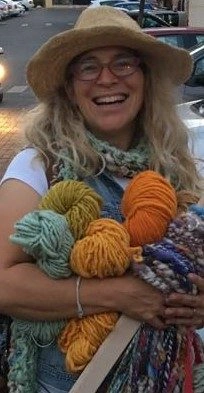
I started to listen to Michelle’s podcasts four years ago. The minute I started I was hooked. I’m so excited to learn the entire Talmud, and think I will continue always. I chose the quote “while a woman is engaged in conversation she also holds the spindle”. (Megillah 14b). It reminds me of all of the amazing women I learn with every day who multi-task, think ahead and accomplish so much.
Julie Mendelsohn
Zichron Yakov, Israel
I started learning Dec 2019 after reading “If all the Seas Were Ink”. I found
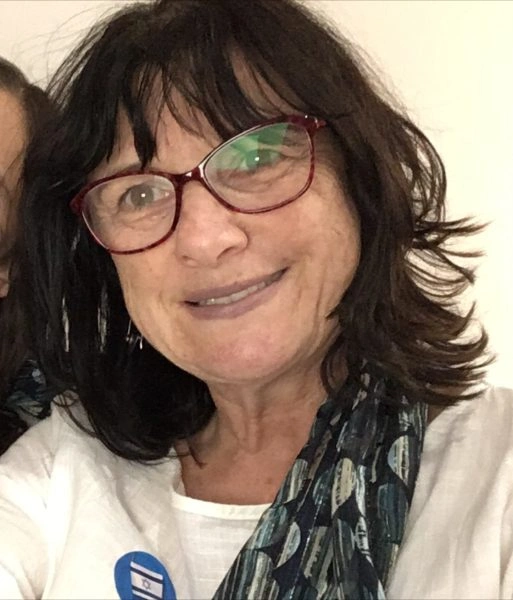
Daily daf sessions of Rabbanit Michelle in her house teaching, I then heard about the siyum and a new cycle starting wow I am in! Afternoon here in Sydney, my family and friends know this is my sacred time to hide away to live zoom and learn. Often it’s hard to absorb and relate then a gem shines touching my heart.
Dianne Kuchar
Dover Heights, Australia
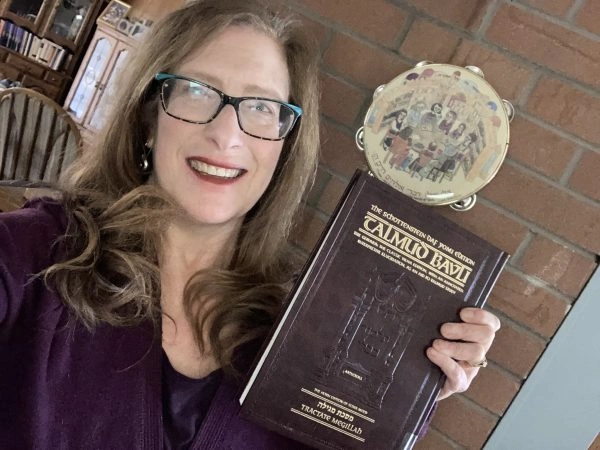
As Jewish educator and as a woman, I’m mindful that Talmud has been kept from women for many centuries. Now that we are privileged to learn, and learning is so accessible, it’s my intent to complete Daf Yomi. I am so excited to keep learning with my Hadran community.
Sue Parker Gerson
Denver, United States
Attending the Siyyum in Jerusalem 26 months ago inspired me to become part of this community of learners. So many aspects of Jewish life have been illuminated by what we have learned in Seder Moed. My day is not complete without daf Yomi. I am so grateful to Rabbanit Michelle and the Hadran Community.

Nancy Kolodny
Newton, United States
My family recently made Aliyah, because we believe the next chapter in the story of the Jewish people is being written here, and we want to be a part of it. Daf Yomi, on the other hand, connects me BACK, to those who wrote earlier chapters thousands of years ago. So, I feel like I’m living in the middle of this epic story. I’m learning how it all began, and looking ahead to see where it goes!

Tina Lamm
Jerusalem, Israel
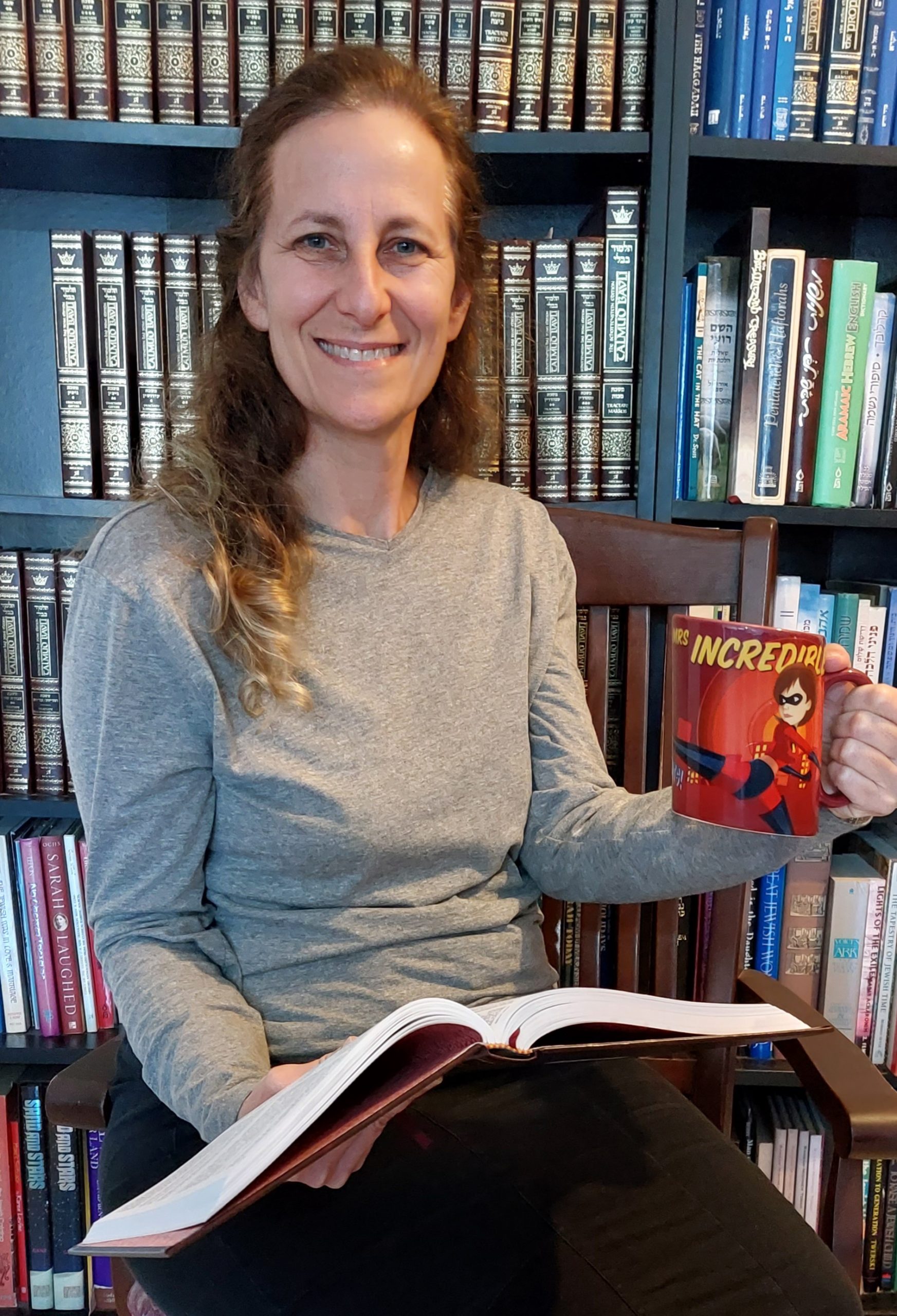
The start of my journey is not so exceptional. I was between jobs and wanted to be sure to get out every day (this was before corona). Well, I was hooked after about a month and from then on only looked for work-from-home jobs so I could continue learning the Daf. Daf has been a constant in my life, though hurricanes, death, illness/injury, weddings. My new friends are Rav, Shmuel, Ruth, Joanna.
Judi Felber
Raanana, Israel
Michelle has been an inspiration for years, but I only really started this cycle after the moving and uplifting siyum in Jerusalem. It’s been an wonderful to learn and relearn the tenets of our religion and to understand how the extraordinary efforts of a band of people to preserve Judaism after the fall of the beit hamikdash is still bearing fruits today. I’m proud to be part of the chain!
Judith Weil
Raanana, Israel
I started learning with rabbis. I needed to know more than the stories. My first teacher to show me “the way of the Talmud” as well as the stories was Samara Schwartz.
Michelle Farber started the new cycle 2 yrs ago and I jumped on for the ride.
I do not look back.
Jenifer Nech
Houston, United States
After reading the book, “ If All The Seas Were Ink “ by Ileana Kurshan I started studying Talmud. I searched and studied with several teachers until I found Michelle Farber. I have been studying with her for two years. I look forward every day to learn from her.

Janine Rubens
Virginia, United States
It’s hard to believe it has been over two years. Daf yomi has changed my life in so many ways and has been sustaining during this global sea change. Each day means learning something new, digging a little deeper, adding another lens, seeing worlds with new eyes. Daf has also fostered new friendships and deepened childhood connections, as long time friends have unexpectedly become havruta.

Joanna Rom
Northwest Washington, United States
I never thought I’d be able to do Daf Yomi till I saw the video of Hadran’s Siyum HaShas. Now, 2 years later, I’m about to participate in Siyum Seder Mo’ed with my Hadran community. It has been an incredible privilege to learn with Rabbanit Michelle and to get to know so many caring, talented and knowledgeable women. I look forward with great anticipation and excitement to learning Seder Nashim.
Caroline Ben-Ari
Karmiel, Israel
My husband learns Daf, my son learns Daf, my son-in-law learns Daf.
When I read about Hadran’s Siyyum HaShas 2 years ago, I thought- I can learn Daf too!
I had learned Gemara in Hillel HS in NJ, & I remembered loving it.
Rabbanit Michelle & Hadran have opened my eyes & expanding my learning so much in the past few years. We can now discuss Gemara as a family.
This was a life saver during Covid
Renee Braha
Brooklyn, NY, United States
I started learning Daf Yomi because my sister, Ruth Leah Kahan, attended Michelle’s class in person and suggested I listen remotely. She always sat near Michelle and spoke up during class so that I could hear her voice. Our mom had just died unexpectedly and it made me feel connected to hear Ruth Leah’s voice, and now to know we are both listening to the same thing daily, continents apart.

Jessica Shklar
Philadelphia, United States
I started my Daf Yomi journey at the beginning of the COVID19 pandemic.

Karena Perry
Los Angeles, United States
I learned Talmud as a student in Yeshivat Ramaz and felt at the time that Talmud wasn’t for me.
After reading Ilana Kurshan’s book I was intrigued and after watching the great siyum in Yerushalayim it ignited the spark to begin this journey. It has been a transformative life experience for me as a wife, mother, Savta and member of Klal Yisrael.
Elana Storch
Phoenix, Arizona, United States
I started to listen to Michelle’s podcasts four years ago. The minute I started I was hooked. I’m so excited to learn the entire Talmud, and think I will continue always. I chose the quote “while a woman is engaged in conversation she also holds the spindle”. (Megillah 14b). It reminds me of all of the amazing women I learn with every day who multi-task, think ahead and accomplish so much.
Julie Mendelsohn
Zichron Yakov, Israel
Attending the Siyyum in Jerusalem 26 months ago inspired me to become part of this community of learners. So many aspects of Jewish life have been illuminated by what we have learned in Seder Moed. My day is not complete without daf Yomi. I am so grateful to Rabbanit Michelle and the Hadran Community.
Nancy Kolodny
Newton, United States
I’ve been learning since January 2020, and in June I started drawing a phrase from each daf. Sometimes it’s easy (e.g. plants), sometimes it’s very hard (e.g. korbanot), and sometimes it’s loads of fun (e.g. bird racing) to find something to draw. I upload my pictures from each masechet to #DafYomiArt. I am enjoying every step of the journey.

Gila Loike
Ashdod, Israel
I started learning Daf in Jan 2020 with Brachot b/c I had never seen the Jewish people united around something so positive, and I wanted to be a part of it. Also, I wanted to broaden my background in Torah Shebal Peh- Maayanot gave me a great gemara education, but I knew that I could hold a conversation in most parts of tanach but almost no TSB. I’m so thankful for Daf and have gained immensely.
Meira Shapiro
NJ, United States
Chullin 87
הָכִי הַשְׁתָּא?! הָתָם מִשְׁתֵּא וּבָרוֹכֵי בַּהֲדֵי הֲדָדֵי לָא אֶפְשָׁר, הָכָא אֶפְשָׁר דְּשָׁחֵיט בַּחֲדָא וּמְכַסֵּי בַּחֲדָא.
The Gemara rejects this: How can these cases be compared? There, in the incident involving the students of Rav, it is impossible to drink and recite a blessing simultaneously. Accordingly, by requesting a cup over which to recite the blessing of Grace after Meals, they demonstrated their desire to cease drinking. Here, when one covers the blood of the undomesticated animal before slaughtering the bird, it is possible to slaughter the bird with the one hand and cover the blood of the undomesticated animal with the other one. Accordingly, the act of covering the blood of the undomesticated animal is not considered an interruption of the acts of slaughter, since they could have been performed simultaneously.
מַתְנִי׳ שָׁחַט וְלֹא כִּסָּה, וְרָאָהוּ אַחֵר – חַיָּיב לְכַסּוֹת. כִּסָּהוּ וְנִתְגַּלָּה – פָּטוּר מִלְּכַסּוֹת. (כִּסָּהוּ) [כִּסַּתּוּ] הָרוּחַ – חַיָּיב לְכַסּוֹת.
MISHNA: If one slaughtered an undomesticated animal or bird and did not cover the blood, and another person saw the uncovered blood, the second person is obligated to cover the blood. If one covered the blood and it was then uncovered, he is exempt from covering it again. If the wind blew earth on the blood and covered it, and it was consequently uncovered, he is obligated to cover the blood.
גְּמָ׳ תָּנוּ רַבָּנַן: ״וְשָׁפַךְ וְכִסָּה״ – מִי שֶׁשָּׁפַךְ יְכַסֶּה. שָׁחַט וְלֹא כִּסָּה, וְרָאָהוּ אַחֵר, מִנַּיִן שֶׁחַיָּיב לְכַסּוֹת? שֶׁנֶּאֱמַר: ״וָאֹמַר לִבְנֵי יִשְׂרָאֵל״ – אַזְהָרָה לְכׇל בְּנֵי יִשְׂרָאֵל.
GEMARA: The Sages taught in a baraita: The verse states: “And he shall pour out its blood and cover it with earth” (Leviticus 17:13), indicating that the one who poured out its blood, i.e., slaughtered the animal, shall cover it. If one slaughtered the animal or bird and did not cover the blood, and another person saw the uncovered blood, from where is it derived that the person who saw the blood is obligated to cover it? It is derived from the following verse, as it is stated: “Therefore I said to the children of Israel” (Leviticus 17:12), which is a warning to all the children of Israel to fulfill the mitzva of covering the blood.
תַּנְיָא אִידַּךְ: ״וְשָׁפַךְ וְכִסָּה״, בַּמֶּה שֶׁשָּׁפַךְ – בּוֹ יְכַסֶּה, שֶׁלֹּא יְכַסֶּנּוּ בָּרֶגֶל, שֶׁלֹּא יִהְיוּ מִצְוֹת בְּזוּיוֹת עָלָיו. תַּנְיָא אִידַּךְ: ״וְשָׁפַךְ וְכִסָּה״, מִי שֶׁשָּׁפַךְ – הוּא יְכַסֶּנּוּ. מַעֲשֶׂה בְּאֶחָד שֶׁשָּׁחַט, וְקָדַם חֲבֵירוֹ וְכִסָּה, וְחִיְּיבוֹ רַבָּן גַּמְלִיאֵל לִיתֵּן לוֹ עֲשָׂרָה זְהוּבִים.
It is taught in another baraita: The verse states: “And he shall pour out its blood and cover it with earth,” indicating that with that which he poured out the blood he shall cover it, i.e., he must use his hand, and he may not cover it with his foot, so that mitzvot will not be contemptible to him. It is taught in another baraita: The verse states: “And he shall pour out its blood and cover it with earth,” indicating that the one who poured out the blood shall cover it. An incident occurred involving one who slaughtered an undomesticated animal or bird and another individual preempted him and covered the blood, and Rabban Gamliel deemed him obligated to give ten gold coins to the one who performed the act of slaughter.
אִיבַּעְיָא לְהוּ: שְׂכַר מִצְוָה אוֹ שְׂכַר בְּרָכָה? לְמַאי נָפְקָא מִינַּהּ? לְבִרְכַּת הַמָּזוֹן. אִי אָמְרַתְּ שְׂכַר מִצְוָה – אַחַת הִיא, וְאִי אָמְרַתְּ שְׂכַר בְּרָכָה – הָוְיָין אַרְבָּעִים. מַאי?
A dilemma was raised before the Sages: Are these ten gold coins compensation for the stolen mitzva or are they compensation for the stolen blessing recited over the mitzva? The Gemara elaborates: What is the practical difference? The difference is with regard to a similar case involving Grace after Meals. If you say the coins are compensation for the mitzva, then with regard to Grace after Meals, since all its blessings constitute one mitzva, one would be obligated to give only ten gold coins. But if you say they are compensation for the lost blessing, then with regard to Grace after Meals the compensation is forty gold coins, since Grace after Meals comprises four blessings. What is the conclusion?
תָּא שְׁמַע, דַּאֲמַר לֵיהּ הָהוּא מִינָא לְרַבִּי: מִי שֶׁיָּצַר הָרִים לֹא בָּרָא רוּחַ, וּמִי שֶׁבָּרָא רוּחַ לֹא יָצַר הָרִים, דִּכְתִיב: ״כִּי הִנֵּה יוֹצֵר הָרִים וּבֹרֵא רוּחַ״. אֲמַר לֵיהּ: שׁוֹטֶה, שְׁפֵיל לְסֵיפֵיהּ דִּקְרָא – ״ה׳ צְבָאוֹת שְׁמוֹ״.
The Gemara suggests: Come and hear a proof from an incident in which a certain heretic said to Rabbi Yehuda HaNasi: He who created mountains did not create wind, and he who created wind did not create mountains; rather, each was created by a separate deity, as it is written: “For behold, He Who forms the mountains and He Who creates the wind” (Amos 4:13), indicating that there are two deities: One who forms the mountains and one who creates the wind. Rabbi Yehuda HaNasi said to him: Imbecile, go to the end of the verse, which states: “The Lord, the God of hosts, is His name.” The verse emphasizes that God is the One Who both forms and creates.
אֲמַר לֵיהּ: נְקוֹט לִי זִימְנָא תְּלָתָא יוֹמֵי וּמַהְדַּרְנָא לָךְ תְּיוּבְתָּא. יְתֵיב רַבִּי תְּלָת תַּעֲנִיָּתָא. כִּי הֲוָה קָא בָּעֵי מִיבְרָא, אֲמַרוּ לֵיהּ: מִינָא קָאֵי אַבָּבָא. אֲמַר: ״וַיִּתְּנוּ בְּבָרוּתִי רוֹשׁ וְגוֹ׳״.
The heretic said to Rabbi Yehuda HaNasi: Give me three days’ time and I will respond to you with a rebuttal of your claim. Rabbi Yehuda HaNasi sat and fasted three days of fasting while awaiting the heretic, in order that he would not find a rebuttal. When Rabbi Yehuda HaNasi wanted to have a meal at the conclusion of those three days, they said to him: That heretic is standing at the doorway. Rabbi Yehuda HaNasi recited the following verse about himself: “They put gall into my food, and for my thirst they gave me vinegar to drink” (Psalms 69:22), i.e., my meal is embittered with the presence of this heretic.
אֲמַר לֵיהּ: רַבִּי, מְבַשֵּׂר טוֹבוֹת אֲנִי לָךְ, לֹא מָצָא תְּשׁוּבָה אוֹיִבְךָ וְנָפַל מִן הַגָּג וָמֵת. אָמַר לוֹ: רְצוֹנְךָ שֶׁתִּסְעוֹד אֶצְלִי? אָמַר לוֹ: הֵן. לְאַחַר שֶׁאָכְלוּ וְשָׁתוּ, אָמַר לוֹ: כּוֹס שֶׁל בְּרָכָה אַתָּה שׁוֹתֶה אוֹ אַרְבָּעִים זְהוּבִים אַתָּה נוֹטֵל? אָמַר לוֹ: כּוֹס שֶׁל בְּרָכָה אֲנִי שׁוֹתֶה. יָצְתָה בַּת קוֹל וְאָמְרָה: כּוֹס שֶׁל בְּרָכָה שָׁוֶה אַרְבָּעִים זְהוּבִים.
When Rabbi Yehuda HaNasi came to the door he saw that it was in fact a different heretic, not the one who asked for three days to prepare a rebuttal. This heretic said to him: Rabbi, I am a bearer of good tidings for you: Your enemy did not find a response, and he threw himself from the roof and died. Rabbi Yehuda HaNasi said to the heretic: Since you have brought me good tidings, would you like to dine with me? The heretic said to him: Yes. After they ate and drank, Rabbi Yehuda HaNasi said to the heretic: Would you like to drink the cup of blessing, i.e., the cup of wine over which the Grace after Meals is recited, or would you like to take forty gold coins instead, and I will recite the Grace after Meals? The heretic said to him: I will drink the cup of blessing. A Divine Voice emerged and said: The cup of blessing is worth forty gold coins. Evidently, each one of the blessings in the Grace after Meals is worth ten gold coins.
אָמַר רַבִּי יִצְחָק: עֲדַיִין יֶשְׁנָהּ לְאוֹתָהּ מִשְׁפָּחָה בֵּין גְּדוֹלֵי רוֹמִי, וְקוֹרְאִין אוֹתָהּ מִשְׁפַּחַת בַּר לוּיָאנוּס.
The Gemara adds: Rabbi Yitzḥak says: That family of the heretic who dined with Rabbi Yehuda HaNasi still exists among the prominent families of Rome, and that family is called: The family of bar Luyyanus.
כִּסָּהוּ וְנִתְגַּלָּה. אֲמַר לֵיהּ רַב אַחָא בְּרֵיהּ דְּרָבָא לְרַב אָשֵׁי: מַאי שְׁנָא מֵהֲשָׁבַת אֲבֵדָה, דְּאָמַר מָר: ״הָשֵׁב״ – אֲפִילּוּ מֵאָה פְּעָמִים.
§ The mishna teaches that if one covered the blood and it was then uncovered he is not obligated to cover it again. Rav Aḥa, son of Rava, said to Rav Ashi: What is different about this case from the mitzva of returning a lost item, where the Master said: The verse states with regard to the obligation to return a lost item: “You shall return them to your brother” (Deuteronomy 22:1), even one hundred times?
אֲמַר לֵיהּ: הָתָם לָא כְּתִיב מִיעוּטָא, הָכָא כְּתִיב מִיעוּטָא ״וְכִסָּהוּ״.
Rav Ashi said to Rav Aḥa: There, in the verse discussing the obligation to return a lost item, a restriction is not written in the verse to limit the obligation. Here, in the verse discussing the obligation to cover the blood, a restriction is written, as the verse states: “And he shall cover it.” The usage of the term “it” indicates that one must cover the blood only one time.
כִּסָּהוּ הָרוּחַ. אָמַר רַבָּה בַּר בַּר חָנָה אָמַר רַבִּי יוֹחָנָן: לֹא שָׁנוּ אֶלָּא שֶׁחָזַר וְנִתְגַּלָּה, אֲבָל לֹא חָזַר וְנִתְגַּלָּה – פָּטוּר מִלְּכַסּוֹת. וְכִי חָזַר וְנִתְגַּלָּה מַאי הָוֵי? הָא אִידְּחִי לֵיהּ! אָמַר רַב פָּפָּא: זֹאת אוֹמֶרֶת אֵין דִּיחוּי אֵצֶל מִצְוֹת.
§ The mishna teaches that if the wind blew earth on the blood and covered it one is obligated to cover the blood. Rabba bar bar Ḥana says that Rabbi Yoḥanan says: They taught this halakha only if the blood was again uncovered. But if the blood was not again uncovered one is exempt from the obligation to cover it. The Gemara asks: And when the blood was again uncovered, what of it? Isn’t it already rejected from the mitzva of covering since it was covered by the wind? Rav Pappa said: That is to say that there is no permanent rejection with regard to mitzvot. Although the wind covered the blood, the mitzva to cover it was not rendered null; rather, the mitzva simply could not be performed. Consequently, once the blood is again uncovered, the mitzva to cover the blood remains in place.
וּמַאי שְׁנָא מֵהָא דְּתַנְיָא: הַשּׁוֹחֵט וְנִבְלַע דָּם בַּקַּרְקַע – חַיָּיב לְכַסּוֹת. הָתָם כְּשֶׁרִשּׁוּמוֹ נִיכָּר.
The Gemara asks: But even if the wind covered the blood and it remained covered, why is one exempt from performing the mitzva of covering the blood? What is different about this case from that which is taught in a baraita: In a case where one slaughters an undomesticated animal or a bird and its blood is absorbed by the ground, one is obligated to cover the blood? The Gemara responds: There, the baraita is referring to a case where the impression of the blood is still recognizable, i.e., it was not entirely absorbed in the ground.
מַתְנִי׳ דָּם שֶׁנִּתְעָרֵב בְּמַיִם, אִם יֵשׁ בּוֹ מַרְאִית דָּם – חַיָּיב לְכַסּוֹת. נִתְעָרֵב בְּיַיִן – רוֹאִין אוֹתוֹ כְּאִילּוּ הוּא מַיִם. נִתְעָרֵב בְּדַם הַבְּהֵמָה
MISHNA: In a case of the blood of an undomesticated animal or bird that was mixed with water, if there is in the mixture the appearance of blood one is obligated to cover it. If the blood was mixed with wine one views the wine as though it is water, and if a mixture with that amount of water would have the appearance of blood one is obligated to cover it. Likewise, if the blood of an undomesticated animal or a bird was mixed with the blood of a domesticated animal, which one does not have to cover,
אוֹ בְּדַם הַחַיָּה – רוֹאִין אוֹתוֹ כְּאִילּוּ הֵן מַיִם. רַבִּי יְהוּדָה אוֹמֵר: אֵין דָּם מְבַטֵּל דָּם.
or with blood of the undomesticated animal that did not flow from the neck and does not require covering, one views the blood as though it is water. Rabbi Yehuda says: Blood does not nullify blood. Therefore, even if the undomesticated animal’s blood, which one must cover, is not recognizable in this mixture, he is obligated to cover the mixture nevertheless.
דָּם הַנִּיתָּז וְשֶׁעַל הַסַּכִּין – חַיָּיב לְכַסּוֹת. אָמַר רַבִּי יְהוּדָה: אֵימָתַי? בִּזְמַן שֶׁאֵין שָׁם דָּם אֶלָּא הוּא, אֲבָל יֵשׁ שָׁם דָּם שֶׁלֹּא הוּא – פָּטוּר מִלְּכַסּוֹת.
With regard to blood that spurts outside the pit over which the animal was slaughtered, or onto a wall, and blood that remained on the slaughtering knife, one is obligated to cover it. Rabbi Yehuda said: When is this the halakha? When no blood remains there from the slaughter except that blood. But if blood remains there from the slaughter that is not that blood, he is exempt from covering it.
גְּמָ׳ תְּנַן הָתָם: דָּם שֶׁנִּתְעָרֵב בְּמַיִם, אִם יֵשׁ בּוֹ מַרְאִית דָּם – כָּשֵׁר. נִתְעָרֵב בְּיַיִן – רוֹאִין אוֹתוֹ כְּאִילּוּ הוּא מַיִם. נִתְעָרֵב בְּדַם בְּהֵמָה אוֹ בְּדַם הַחַיָּה – רוֹאִין אוֹתוֹ כְּאִילּוּ הוּא מַיִם. רַבִּי יְהוּדָה אוֹמֵר: אֵין דָּם מְבַטֵּל דָּם.
GEMARA: We learned in a mishna there (Zevaḥim 77b): In the case of blood of an offering fit for sacrifice that was mixed with water, if the mixture has the appearance of blood it is fit for sprinkling on the altar, even though the majority of the mixture is water. If the blood was mixed with red wine, one views the wine as though it is water. If that amount of water would leave the mixture with the appearance of blood it is fit for presentation. And likewise, if the blood was mixed with the blood of a non-sacred domesticated animal or the blood of a non-sacred undomesticated animal, one considers the non-sacred blood as though it is water. Rabbi Yehuda says: Blood does not nullify blood. Therefore, the priest presents the blood of the mixture on the altar.
אָמַר רַבִּי חִיָּיא בַּר אַבָּא אָמַר רַבִּי יוֹחָנָן: לֹא שָׁנוּ אֶלָּא שֶׁנָּפְלוּ מַיִם לְתוֹךְ דָּם, אֲבָל נָפַל דָּם לְתוֹךְ מַיִם – רִאשׁוֹן רִאשׁוֹן בָּטֵל.
The mishna teaches that in a case where water became mixed with the blood of an offering, if the mixture has the appearance of blood it is fit, despite the fact that there is more water than blood. Concerning this Rabbi Ḥiyya bar Abba says that Rabbi Yoḥanan says: They taught this halakha only in a case where the water fell into the blood. But in a case where the blood fell into the water, the first drop of blood, and then the next first drop of blood, are nullified in the water, i.e., each drop is nullified in turn. Consequently, the mixture is unfit for presentation, regardless of whether it has the appearance of blood.
אָמַר רַב פָּפָּא: וּלְעִנְיַן כִּסּוּי אֵינוֹ כֵּן, אֵין דִּחוּי אֵצֶל מִצְוֹת.
Rav Pappa says: But with regard to the mitzva of covering the blood of birds or undomesticated animals that are slaughtered, it is not so. In this case, even if the blood fell into water the mitzva of covering applies to it, provided the mixture has the appearance of blood. The blood is not nullified by the water because there is no permanent rejection with regard to mitzvot other than those that relate to sacrificial rites. Therefore, its nullification was merely temporary, but once there is enough blood in the water it reassumes its status of blood.
אָמַר רַב יְהוּדָה אָמַר שְׁמוּאֵל: כׇּל מַרְאֵה אַדְּמוּמִית – מְכַפְּרִין, וּמַכְשִׁירִין, וְחַיָּיבִין בְּכִסּוּי. מַאי קָמַשְׁמַע לַן? מְכַפְּרִין – תְּנֵינָא, חַיָּיבִין בְּכִסּוּי – תְּנֵינָא!
§ With regard to mixtures of blood and water, Rav Yehuda says that Shmuel says: All mixtures of blood and water that maintain a reddish hue are considered blood and effect atonement by being presented on the altar, and render food susceptible to contracting ritual impurity, and are included in the obligation of covering the blood provided that the blood is from the slaughter of an undomesticated animal or bird. The Gemara asks: What is Rav Yehuda teaching us? If he is teaching us that such mixtures effect atonement, we already learn this from the mishna in tractate Zevaḥim. And if he is teaching us that such mixtures are included in the obligation of covering the blood, we already learn this in the mishna here.
מַכְשִׁירִין אִיצְטְרִיכָא לֵיהּ. מַכְשִׁירִין נָמֵי, אִי דָּם – אַכְשׁוֹרֵי מַכְשַׁר, אִי מַיָּא – אַכְשׁוֹרֵי מַכְשְׁרִי! לָא צְרִיכָא, שֶׁתִּמְּדוֹ בְּמֵי גְשָׁמִים.
Rather, it was necessary for Rav Yehuda to teach that such mixtures render food susceptible to contracting ritual impurity, as this was not taught in a mishna. The Gemara challenges: It is also unnecessary to teach that such mixtures render food susceptible to contracting ritual impurity. If the mixture has the status of blood it renders food susceptible, as does blood, and if the mixture has the status of water it renders food susceptible, as does water. The Gemara responds: No, this statement is necessary in a case where the blood was mixed with rainwater, which does not render food susceptible without the intent or desire of the owner of the food. If the mixture is considered blood it renders food susceptible.
מֵי גְשָׁמִים נָמֵי, כֵּיוָן דְּשָׁקֵיל וְרָמֵי, אַחְשְׁבִינְהוּ. לָא צְרִיכָא, שֶׁנִּתְמְדוּ מֵאֲלֵיהֶן.
The Gemara challenges: With regard to rainwater as well, since one took it and placed it into a vessel containing blood, he has ascribed significance to the rainwater and it should be capable of rendering food susceptible. The Gemara responds: No, this statement is necessary in a case where the rainwater was mixed with the blood by itself, i.e., it was not gathered and poured purposefully.
רַבִּי אַסִּי מִנְּהַרְבִּיל אוֹמֵר: בִּצְלַלְתָּא דִּדְמָא. רַבִּי יִרְמְיָה מִדִּפְתִּי אָמַר: עָנוּשׁ כָּרֵת, וְהוּא דְּאִיכָּא כְּזַיִת. בְּמַתְנִיתָא תָּנָא: מְטַמְּאִים בְּאֹהֶל, וְהוּא דְּאִיכָּא רְבִיעִית.
Rabbi Asi of Neharbil says: The statement of Rav Yehuda is referring to blood plasma, i.e., if the plasma has a reddish hue due to the blood, it has the status of blood and can render food susceptible to contracting ritual impurity. Rabbi Yirmeya of Difti said: Consumption of this plasma is punishable by karet, as is the halakha with regard to one who consumes blood (see Leviticus 17:14), provided that there is at least one olive-bulk of actual blood. It was taught in a baraita: Blood plasma that issues from a corpse that has a reddish hue imparts ritual impurity in a tent, provided that there is at least a quarter-log of actual blood, which is the amount of a corpse’s blood that imparts ritual impurity.
תְּנַן הָתָם: כׇּל מַשְׁקֵה הַמֵּת טְהוֹרִין, חוּץ מִדָּמוֹ, וְכׇל מַרְאֵה אַדְּמוּמִית שֶׁבּוֹ מְטַמְּאִין בְּאֹהֶל. וּמַשְׁקֵה הַמֵּת טְהוֹרִין? וּרְמִינְהוּ: מַשְׁקֶה טְבוּל יוֹם, מַשְׁקִין הַיּוֹצְאִין מִמֶּנּוּ כְּמַשְׁקִין שֶׁנּוֹגֵעַ בָּהֶן,
We learned in a baraita elsewhere (Tosefta, Oholot 4:5): All liquids that issue from a corpse, e.g., teardrops or breastmilk, are ritually pure, except for its blood. And all liquids that issue from a corpse that contain a reddish hue of blood impart ritual impurity in a tent. The Gemara asks: But are liquids that issue from a corpse ritually pure? And raise a contradiction from a mishna (Tevul Yom 2:1): With regard to liquids that issue from one who immersed that day, liquids that issue from him have the same status as liquids that he touches.
Follow

